Non-Gmo Lecithin
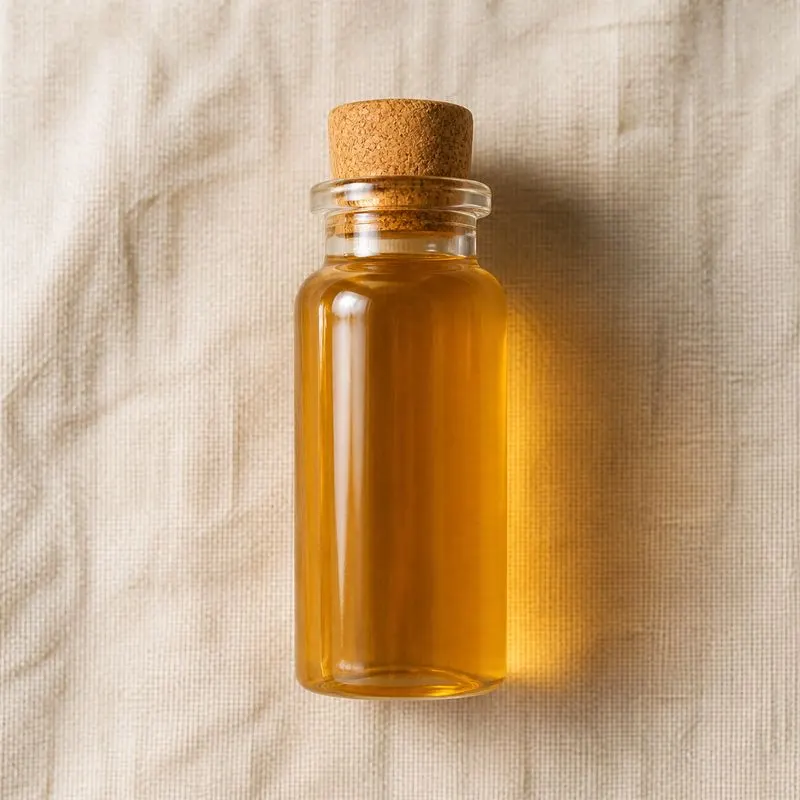
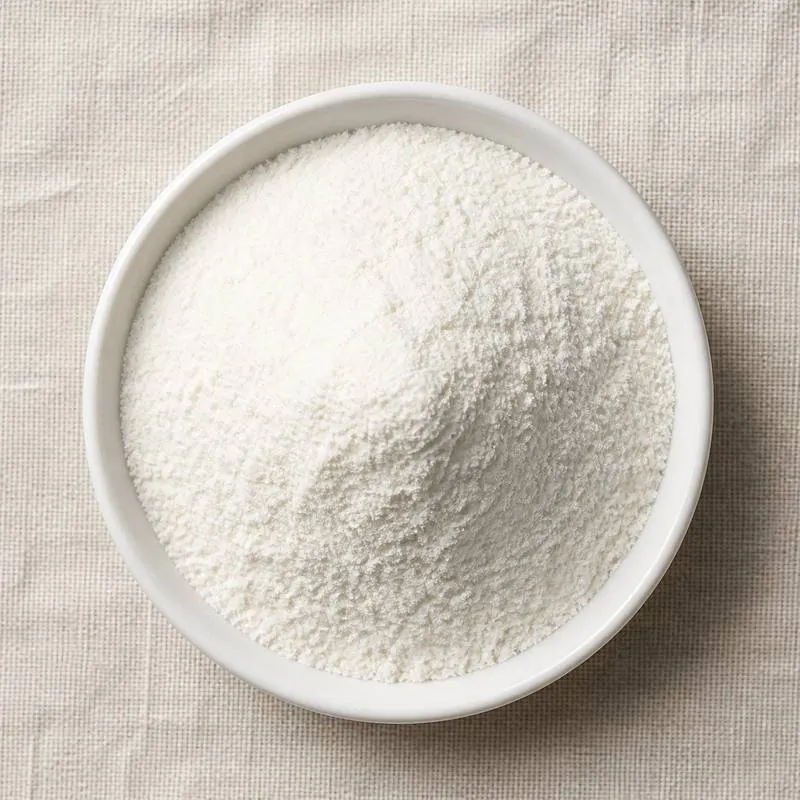
Non GMO Lecithin is a certified phospholipid emulsifier produced from oilseeds whose genetics, cultivation, and processing chain exclude all genetically modified inputs. The product carries the European food additive number E322 within the broader lecithin class and is most commonly sourced from sunflower seed or identity-preserved soybean.
The material delivers the same emulsifying function as conventional lecithin while carrying documentation that supports clean-label, organic, and free-from positioning. Each batch is traced back to a verified non-GMO grain stream.
We source bulk Non-Gmo Lecithin from top China manufacturers for our partners. The manufacturer is in Anhui. A smaller requirement can ship in a combined container with other ingredients.
Please send the grade you need, the volume and your destination port, and we will come back with a solution and a price.
or call +86-21-6858 0751
- Packaging
- 250 kg plastic drum or 1,000 kg IBC tote
- ISO 9001
- HACCP
- Halal
- Kosher
Specifications
Grades / Types Available: Non-GMO
| Item | Specification |
|---|---|
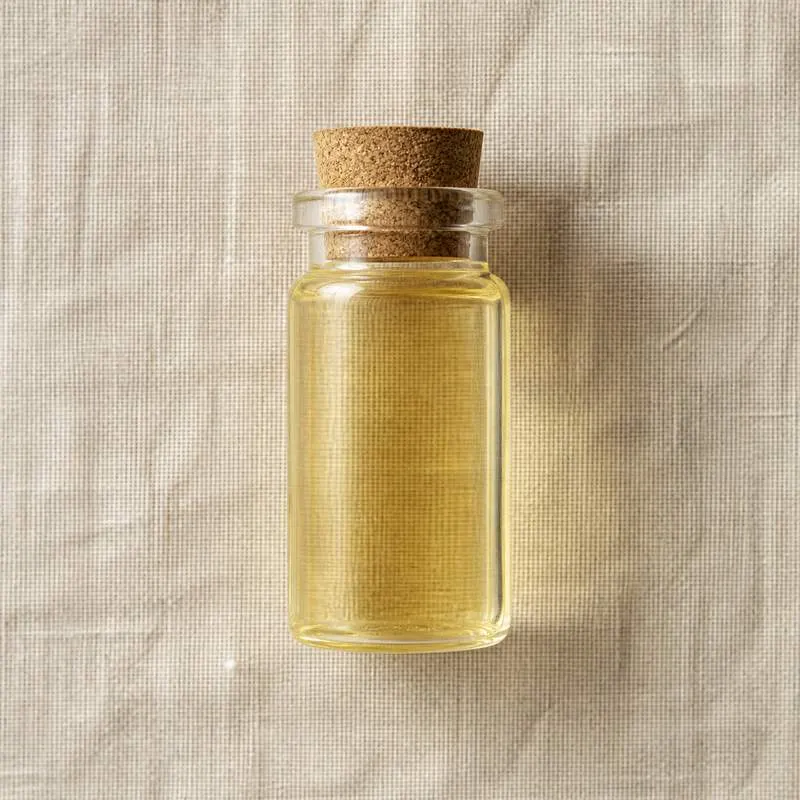
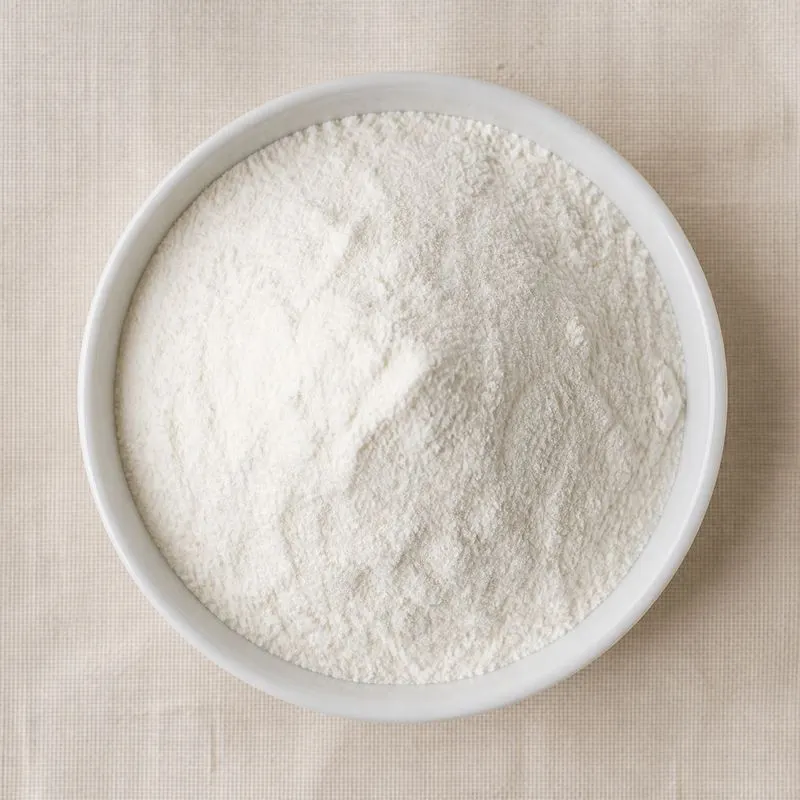
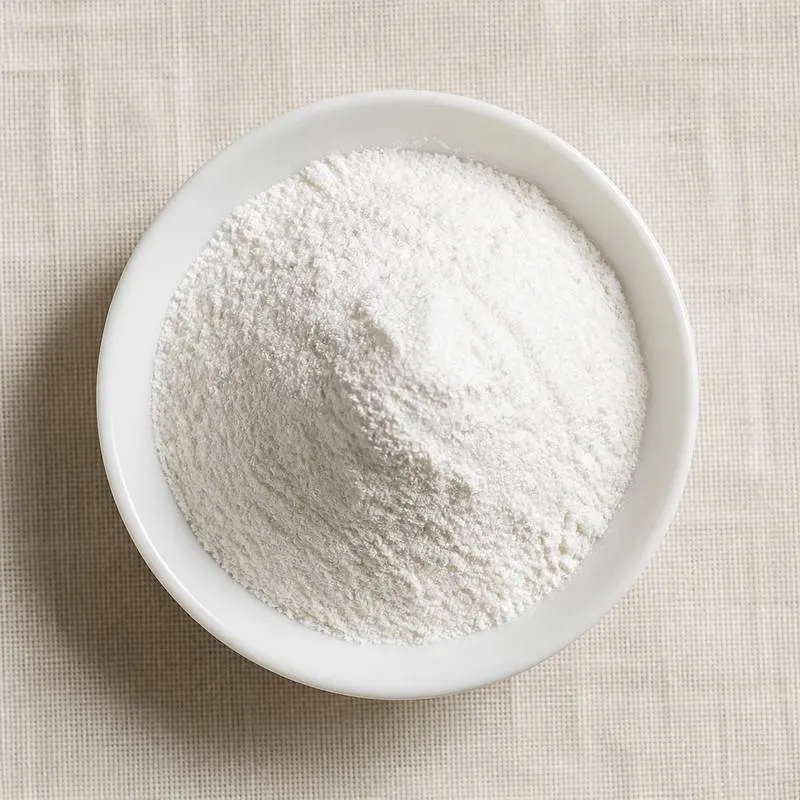
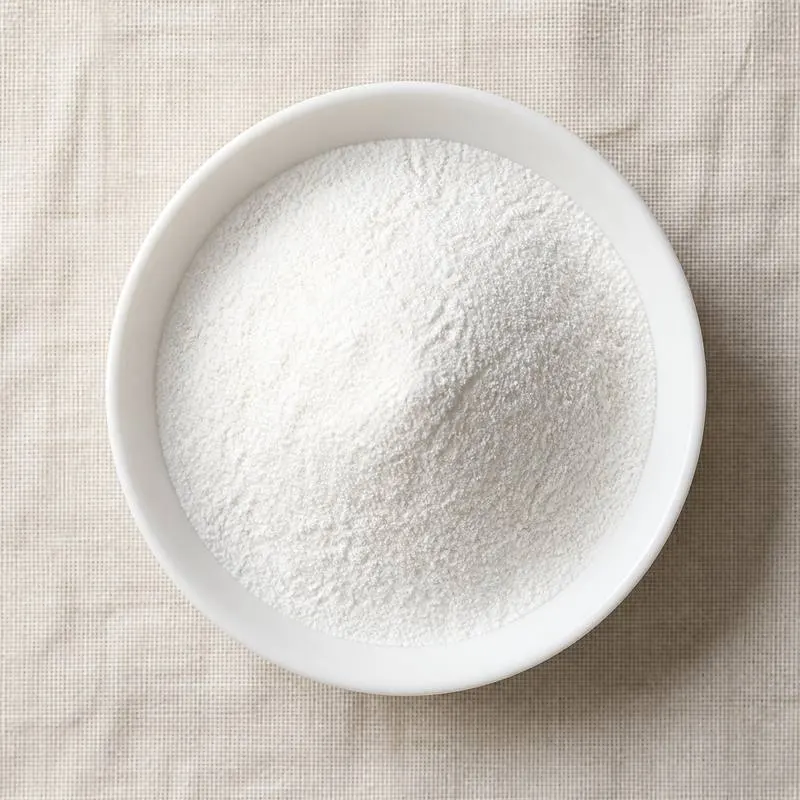
| Appearance | Amber viscous liquid or pale yellow powder |
| Acetone Insolubles | ≥ 62% |
| Hexane Insolubles | ≤ 0.3% |
| Acid Value | ≤ 36 mg KOH/g |
| Peroxide Value | ≤ 10 meq/kg |
| Moisture | ≤ 1.0% |
| GMO Status | Non-GMO Project verified |
| Heavy Metals (as Pb) | ≤ 2 mg/kg |
| Purity/Assay | ≥ 95% |
| Viscosity | 2000-3000 mPa.s |
| Moisture/Loss on Drying | ≤ 0.5% |
| pH | 6.0 - 7.0 |
| Particle Size/Mesh | ≥ 100 mesh |
| Ash | ≤ 0.5% |
| Lead | ≤ 1 ppm |
| Arsenic | ≤ 0.5 ppm |
| Total Plate Count | ≤ 1000 cfu/g |
| Yeast & Mold | ≤ 100 cfu/g |
Common Markets Grades
Non GMO Lecithin is graded by source, certification body, and physical form.
Sunflower-source non-GMO lecithin is the volume leader because Helianthus annuus remains a non-genetically modified crop in all major production regions. The material comes in fluid, powdered, granulated, and deoiled formats.
Identity-preserved soybean lecithin is produced from segregated non-GMO soy supply chains, typically sourced from Brazil, India, or Eastern Europe. The IP-soy grades carry the same physical formats as the conventional soy lecithin range.
Certification framework varies by region. The Non-GMO Project Verified mark is dominant in North America, while EU organic and Ohne Gentechnik certifications are widely used in Europe.
Applications
- Clean-label bakery doughs and batters
- Infant formula and follow-on nutrition products
- Premium chocolate and confectionery
- Organic margarine, spreads, and culinary fats
- Plant-based meat and dairy alternatives
- Sports nutrition powders and protein shakes
- Dietary supplements and softgel capsules
- Pan release sprays and bakery release agents
- Instant beverage powders and drink mixes
- Ice cream and frozen desserts
- Cosmetic and personal care emulsions
- Pet food and treats positioned as non-GMO
Brands Using Non-Gmo Lecithin
Widely-distributed consumer products that list Non-Gmo Lecithin on the ingredient label.
- NOW FoodsSunflower Lecithin 1200 mg Softgels ↗Product labeled 'Non-GMO, Soy-Free Sunflower Lecithin'; other ingredients: Softgel Capsule (bovine gelatin, glycerin, water) and Organic Extra Virgin Olive OilLabel verified 2026-05-24
- NOW FoodsSunflower Liquid Lecithin ↗Product labeled 'Non-GMO, Soy-Free'; ingredient: Liquid Sunflower Lecithin (Non-GMO)Label verified 2026-05-24
- SwansonPremium Sunflower Lecithin Non-GMO 1,200 mg Softgels ↗Product name 'Sunflower Lecithin from Non-GMO Sunflower Seeds'; other ingredients: gelatin, glycerin, sunflower oil, purified (deionized) waterLabel verified 2026-05-24
- SwansonPremium Soy Lecithin Non-GMO 1,200 mg Softgels ↗Product name 'Soy Lecithin Non-GMO'; made without ingredients that contain GMOs; other ingredients: gelatin, soybean oil, glycerin, purified waterLabel verified 2026-05-24
Brand names, product names and logos are the property of their owners. They appear here as published evidence that the ingredient is used, taken from the brand's own label or website. Their appearance is not an endorsement, and it does not mean the brand buys from us or from any manufacturer listed on this site.
China Manufacturers of Non-Gmo Lecithin
Top Non-Gmo Lecithin manufacturers in China.

Company names and logos are the property of the manufacturers themselves. They are listed here because our own directory records them as producing this ingredient. A listing is not an endorsement by them, and we do not represent them or speak on their behalf.
How We Help Source Non-Gmo Lecithin
Direct Factory Sourcing
We run the whole process: selecting the manufacturer from the top Chinese food ingredient producers, negotiating the price, verifying quality, and coordinating the logistics. You deal with us instead of with several factories at once.
Original Packaging and Documents from the Manufacturer
The manufacturer sends your Non-Gmo Lecithin out of its own factory in the original packing, through to your destination port. The COA, COO, MSDS, TDS and any certifications reach you from the manufacturer as well.
Free Samples and Lead Time
We send 100 to 500 g free for your own laboratory to test and you cover only the courier, usually within 2 to 3 working days. ETD is usually within 7 to 15 days once the order is confirmed, and we check that date against the factory's own manufacturing schedule before we give it to you.
Combined Shipment
We can load Non-Gmo Lecithin together with other ingredients such as Polyglycerol Esters of Fatty Acids, Non-Dairy Creamer and Mono- and Diglycerides of Fatty Acids into one 20' FCL. If your quantity is small, we can also ship LCL.
Regulatory Status
Non GMO Lecithin shares the regulatory status of conventional lecithin under the European food additive number E322 for general food use at quantum satis.
The United States Food and Drug Administration treats lecithin as Generally Recognized as Safe under 21 CFR 184.1400. JECFA reviewed lecithins as a class and concluded that a numerical intake limit was not required.
Non-GMO claims are subject to defined certification standards in each major market. The Non-GMO Project Verified standard requires a 0.9 percent action threshold for genetically modified content. European Union organic certification under Regulation 2018/848 prohibits the use of GMO ingredients.
Source allergen labelling follows the parent oilseed. Soy-source IP grades require a soy declaration in most major markets, while sunflower-source grades do not. Kosher and Halal certifications are widely available.
Manufacturing Process
Non GMO Lecithin is produced through the same degumming sequence as conventional lecithin, with the critical difference of source segregation throughout the supply chain.
Identity-preserved oilseed crops are grown from non-GMO seed varieties on documented farms, harvested into dedicated equipment, and stored in segregated silos. The seeds are transported in clean carriers to dedicated processing lines or to production runs scheduled with documented cleanout.
The crude oil from these segregated crushes is degummed with hot water in the standard manner. The hydrated phospholipids are separated by centrifugation and dried under vacuum to produce the base fluid lecithin.
Downstream processing into bleached, deoiled, powdered, or granulated formats follows the standard lecithin process steps, with the same segregation discipline maintained through to packaging. Documentation packages include certificates of non-GMO status, traceability records, and accredited third-party audit reports.