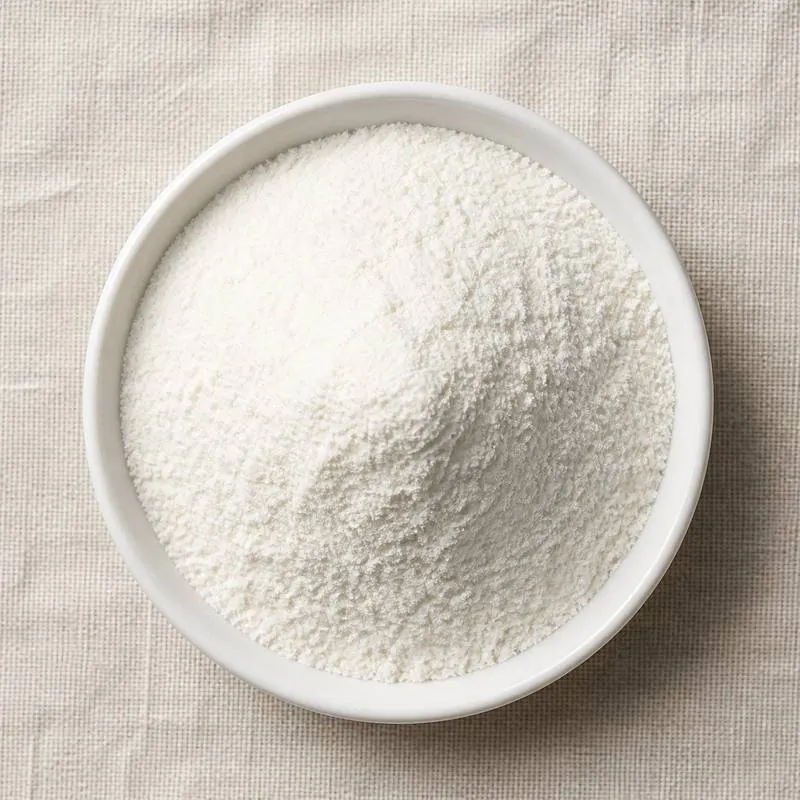
Polyglycerol Esters of Fatty Acids
Polyglycerol Esters of Fatty Acids (PGFE, E475) are non-ionic emulsifiers built by esterifying a polyglycerol backbone (typically di- to decaglycerol) with food-grade fatty acids such as stearic, oleic, or lauric acid.
By varying the polyglycerol chain length, the fatty acid identity, and the degree of esterification, manufacturers produce a family of emulsifiers spanning HLB values from below 3 to above 13. This tunability is the defining feature of PGFE and the reason it appears across applications as different as chocolate, whipping creams, and beverage clouding emulsions.
We source bulk Polyglycerol Esters of Fatty Acids from top China manufacturers for our partners, working with several of them. The manufacturers are mostly in Guangdong, Henan and Zhejiang. For this ingredient the minimum order is 500 kg and a 20-foot container takes 19 MT, and a smaller requirement can ship in a combined container with other ingredients.
Please send the grade you need, the volume and your destination port, and we will come back with a solution and a price.
or call +86-21-6858 0751
- Minimum order
- 500 kg
- Qty in 20' FCL
- 19 MT
- Packaging
- 250 kg plastic drum or 1,000 kg IBC tote
- ISO 9001
- HACCP
- Halal
- Kosher
Specifications
| Item | Specification |
|---|---|
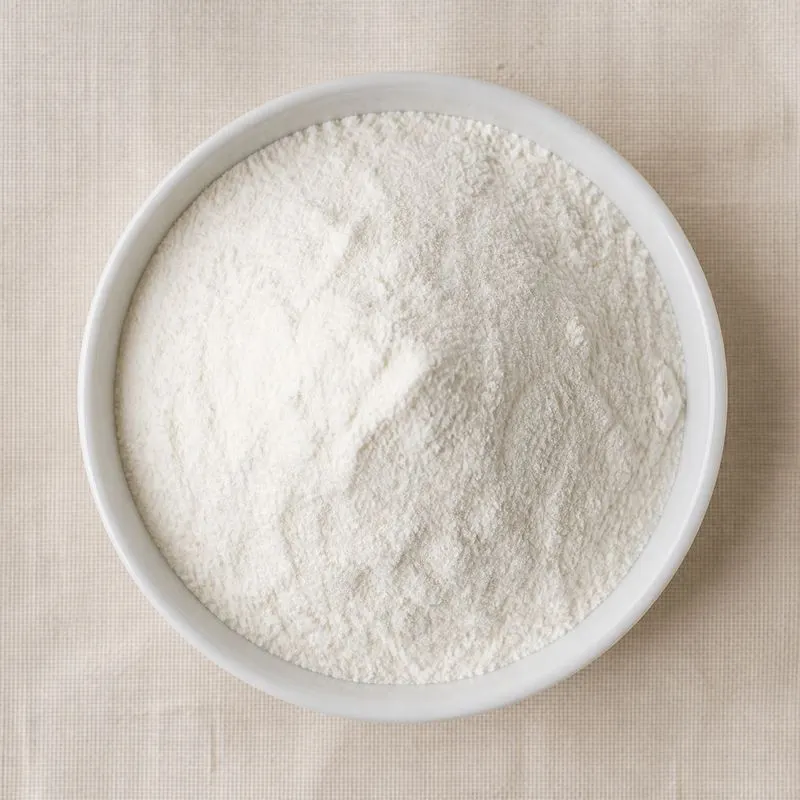
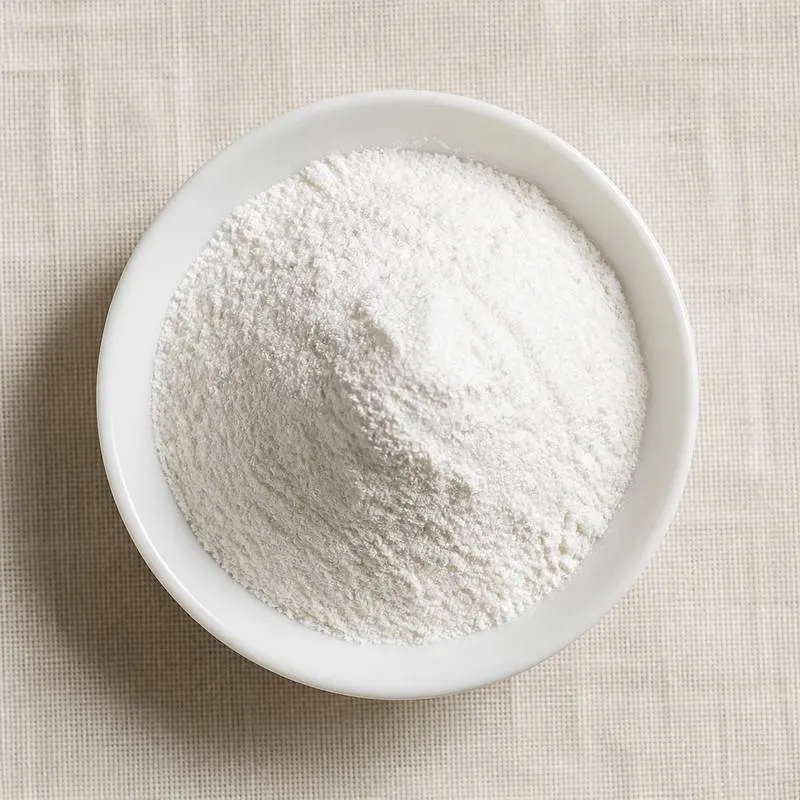
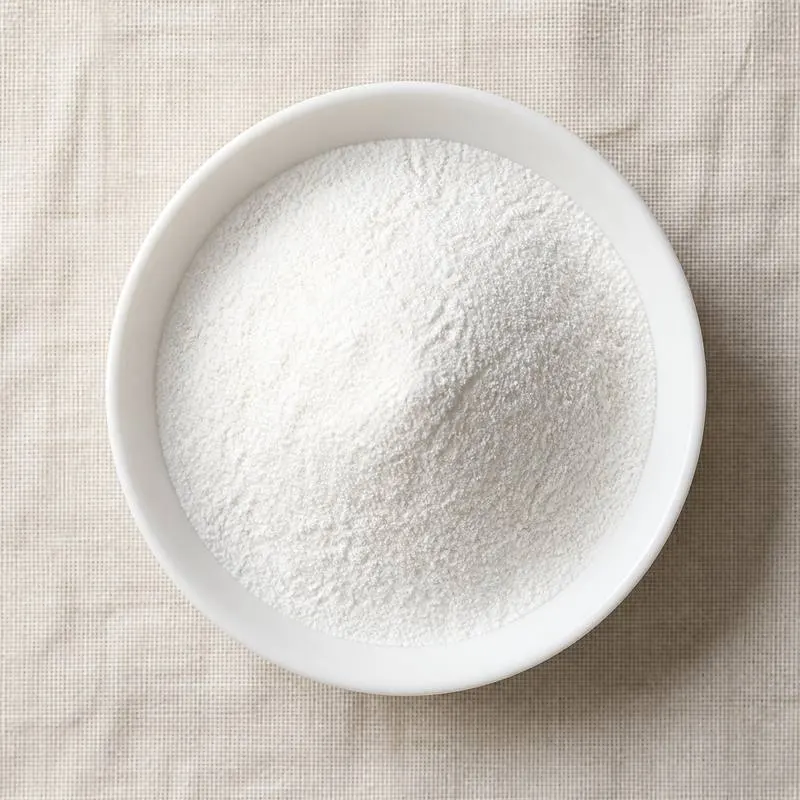
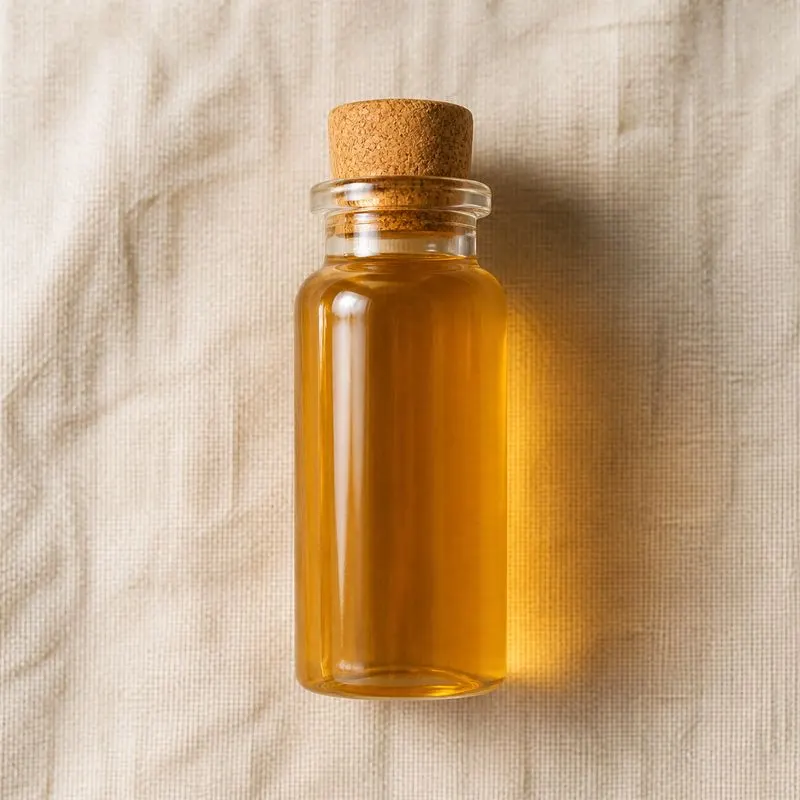
| Appearance | White to pale yellow solid, paste, or liquid |
| Free polyglycerol | ≤ 10.0% |
| Free fatty acids | ≤ 6.0% |
| Hydroxyl value | Report (grade dependent) |
| Saponification value | Report (grade dependent) |
| Acid value | ≤ 6.0 mg KOH/g |
| HLB value | 1 to 16 (grade dependent) |
| Heavy metals (as Pb) | ≤ 5 mg/kg |
| Arsenic | ≤ 2 mg/kg |
| Form | Per customer specification |
Common Markets Grades
PGFE products are specified by three parameters: polyglycerol chain length, fatty acid identity, and degree of esterification.
Typical low-HLB grades include triglycerol monostearate (HLB ~3) and tetraglycerol monostearate (HLB ~5), used as alpha-tending emulsifiers in cake shortenings and whipping cream powders.
Mid-HLB grades such as hexaglycerol monolaurate (HLB ~13) and decaglycerol monolaurate (HLB ~15) are used as oil-in-water emulsifiers in beverages, dairy alternatives, and pharmaceutical solubilisation.
High-purity grades follow distillation or molecular separation of the crude product and are produced for ice cream, infant formula trials, and pharmaceutical use. Bulk industrial grades for margarine and bakery shortening come as flakes, beads, or pastilles.
Applications
- Cake and sponge batters as alpha-tending aeration emulsifiers
- Whipping cream powders, instant whips, and aerosol toppings for foam stability
- Ice cream and frozen desserts for fat destabilization and dryness control
- Margarine, low-fat spreads, and butter blends as the water-phase emulsifier
- Chocolate, compound coatings, and panning syrups as viscosity modifiers
- Beverage cloud and flavour emulsions for citrus and cola applications
- Plant-based milk alternatives and barista creamers
- Pharmaceutical creams, lotions, and self-emulsifying drug-delivery systems
- Personal-care emulsions, sunscreens, and colour cosmetics
- Infant nutrition trials exploring milk-fat-globule-membrane structures
Brands Using Polyglycerol Esters of Fatty Acids
Widely-distributed consumer products that list Polyglycerol Esters of Fatty Acids on the ingredient label.
Brand names, product names and logos are the property of their owners. They appear here as published evidence that the ingredient is used, taken from the brand's own label or website. Their appearance is not an endorsement, and it does not mean the brand buys from us or from any manufacturer listed on this site.
China Manufacturers of Polyglycerol Esters of Fatty Acids
Top Polyglycerol Esters of Fatty Acids manufacturers in China.
- GEGU (Guangdong) Technical Co., Ltd.4 ingredients in the directory
 GU (Guangzhou) Additive Co., Ltd.10 ingredients in the directory
- Guangdong Cardlo Biotechnology Co., Ltd.10 ingredients in the directory
 Guangxi Gaotong Food Technology Co., Ltd.6 ingredients in the directory
 Guangzhou Masson Science & Technology Industry Company Limited7 ingredients in the directory
 Henan Chemsino Industry Co., Ltd.7 ingredients in the directory
- Landfood Biotechnology (Henan) Co., Ltd.9 ingredients in the directory
 Shandong Binzhou Jinsheng New Material Technology Co., Ltd.2 ingredients in the directory
- Shanghai Huizhiyuan New Material Technology Co., Ltd.1 ingredient in the directory
 Zhejiang Golden Palm Technology Co., Ltd.12 ingredients in the directory
 Zhejiang Synose Tech Co., Ltd.2 ingredients in the directory
 Zhengzhou Dahe Food S&T Co., Ltd.6 ingredients in the directory
Company names and logos are the property of the manufacturers themselves. They are listed here because our own directory records them as producing this ingredient. A listing is not an endorsement by them, and we do not represent them or speak on their behalf.
How We Help Source Polyglycerol Esters of Fatty Acids
Direct Factory Sourcing
We run the whole process: selecting the manufacturer from the top Chinese food ingredient producers, negotiating the price, verifying quality, and coordinating the logistics. You deal with us instead of with several factories at once.
Original Packaging and Documents from the Manufacturer
The manufacturer sends your Polyglycerol Esters of Fatty Acids out of its own factory in the original packing, through to your destination port. The COA, COO, MSDS, TDS and any certifications reach you from the manufacturer as well.
Free Samples and Lead Time
We send 100 to 500 g free for your own laboratory to test and you cover only the courier, usually within 2 to 3 working days. ETD is usually within 7 to 15 days once the order is confirmed, and we check that date against the factory's own manufacturing schedule before we give it to you.
Combined Shipment
We can load Polyglycerol Esters of Fatty Acids together with other ingredients such as Non-Dairy Creamer, Mono- and Diglycerides of Fatty Acids and Sodium Stearoyl Lactylate into one 20' FCL. If your quantity is small, we can also ship LCL.
Regulatory Status
Polyglycerol esters of fatty acids are approved as a food emulsifier in essentially every regulated market.
In the European Union they carry the E number E475 and are permitted under Regulation 1333/2008 with category-specific maximum levels. The European Food Safety Authority re-evaluated E475 in 2017 and reaffirmed the existing acceptable daily intake.
The U.S. Food and Drug Administration permits polyglycerol esters of fatty acids under 21 CFR 172.854 with specific limits in fat-based confections, edible oils, and frozen dairy products. The polyglycerol moiety is limited to no more than decaglycerol (n=10) and specific impurity limits apply.
JECFA has evaluated the polyglycerol esters and reaffirmed its earlier safety assessment. Kosher and Halal certifications are widely available when fatty acids and processing aids are documented to compliant origin.
Manufacturing Process
Manufacture proceeds in two stages.
Stage one is polyglycerol synthesis. Food-grade glycerol is heated with an alkaline catalyst (sodium hydroxide or potassium carbonate) at 240 to 270 degrees Celsius under nitrogen. Water is continuously distilled off and intermolecular ether bonds form between glycerol units, producing a statistical distribution of di-, tri-, tetra-, and higher polyglycerols. Reaction time and catalyst load determine the average chain length.
The crude polyglycerol is neutralised, decolorised with activated carbon, and may be molecularly distilled or chromatographed to enrich a specific polyglycerol fraction (most commonly triglycerol or hexaglycerol).
Stage two is fatty acid esterification. The chosen polyglycerol is reacted with a food-grade fatty acid (stearic, oleic, lauric, or a mixed fatty acid) at 200 to 240 degrees Celsius under nitrogen with an acid or base catalyst. The molar ratio sets the degree of esterification: a 1:1 ratio yields predominantly monoesters, higher ratios yield di- and triesters.
After neutralisation the crude ester is bleached, deodorised, and shaped to flakes, beads, or paste depending on the melting point.