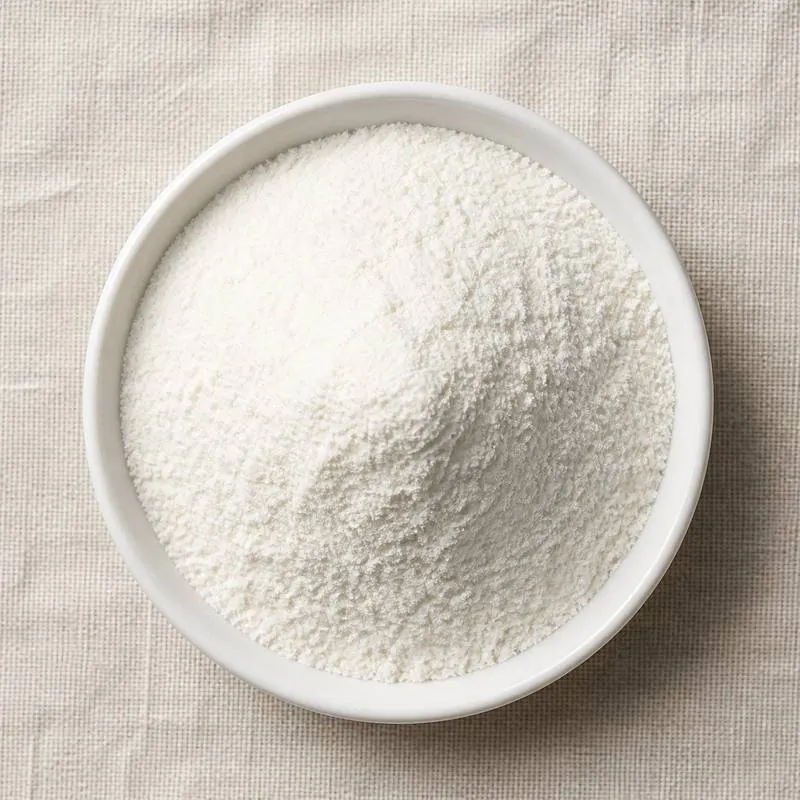
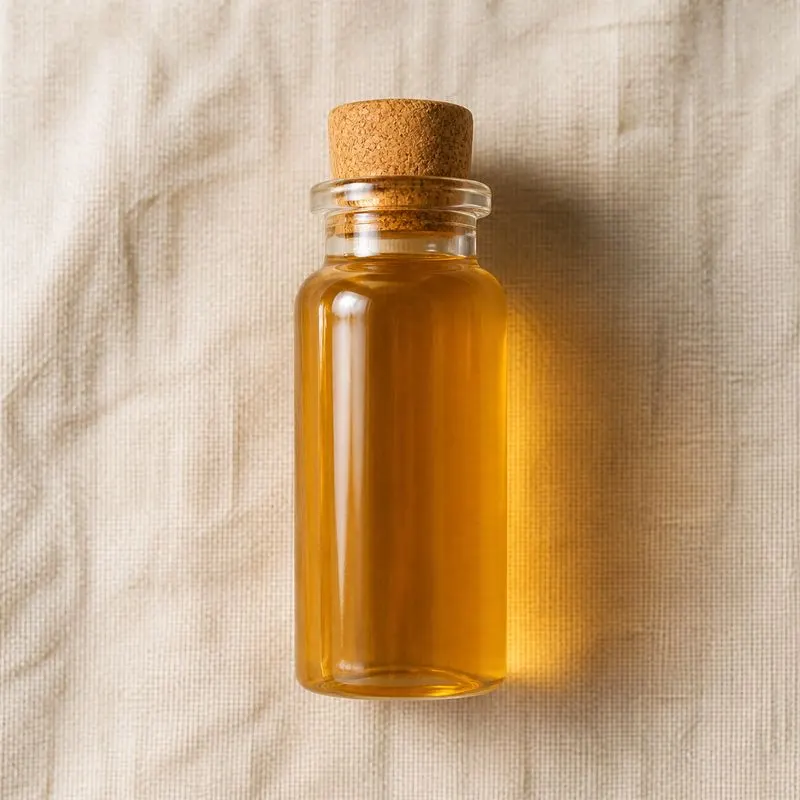
Soy Lecithin
Soy Lecithin is a natural phospholipid complex extracted from the seeds of Glycine max during the soybean oil refining sequence. It carries the European food additive number E322 and serves as one of the most widely used emulsifiers in modern food manufacturing.
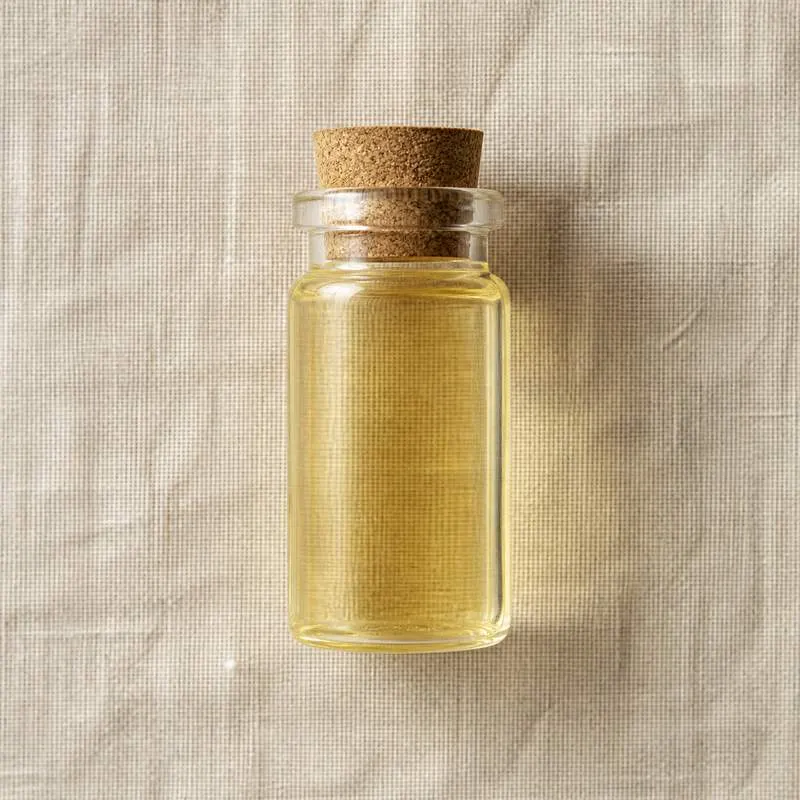
The material is a viscous amber liquid composed mainly of phosphatidylcholine, phosphatidylethanolamine, and phosphatidylinositol, with a typical phosphatidylcholine fraction of 22 to 30 percent. Residual soybean oil, glycolipids, and minor sterols complete the matrix.
We source bulk Soy Lecithin from top China manufacturers for our partners, working with several of them. The manufacturers are mostly in Tianjin, Anhui and Beijing. For this ingredient the minimum order is 1,000 kg and a 20-foot container takes 19.2 MT, and a smaller requirement can ship in a combined container with other ingredients.
Please send the grade you need, the volume and your destination port, and we will come back with a solution and a price.
or call +86-21-6858 0751
- Minimum order
- 1,000 kg
- Qty in 20' FCL
- 19.2 MT
- Packaging
- 250 kg plastic drum or 1,000 kg IBC tote
- ISO 9001
- HACCP
- Halal
- Kosher
Specifications
| Item | Specification |
|---|---|
| Appearance | Yellow to brown viscous liquid |
| Acetone-insoluble matter | ≥ 62.0% |
| Hexane-insoluble matter | ≤ 0.3% |
| Acid value | ≤ 32 mg KOH/g |
| Peroxide value | ≤ 5.0 meq/kg |
| Moisture | ≤ 1.0% |
| Heavy metals (as Pb) | ≤ 5 mg/kg |
| Arsenic | ≤ 2 mg/kg |
| Total plate count | ≤ 10,000 CFU/g |
| Form | Fluid, deoiled powder, or modified grades per customer specification |
Common Markets Grades
Several commercial grades of Soy Lecithin differ by oil content, acid value, and viscosity.
Standard fluid lecithin holds an acetone-insoluble value of 62 to 64 percent and remains pourable at ambient conditions. Compounded grades are blended with soybean oil or fatty acids to hit specific viscosity targets for spray application or dough conditioning.
Bleached and double-bleached fluid grades use hydrogen peroxide treatment to lighten colour for pale-end products such as white chocolate, infant cereals, and bakery glazes.
Deoiled powder and granule grades carry phospholipid content above 95 percent and serve dry-blend systems where the addition of liquid oil is undesirable.
Applications
- Chocolate and confectionery coatings as a viscosity modifier that reduces cocoa butter demand
- Margarine, shortening, and spreads to stabilise the water-in-oil emulsion and prevent spattering
- Bakery doughs and batters for crumb softening, volume increase, and extended shelf life
- Instant beverage powders such as cocoa mixes, malt drinks, and coffee whiteners for cold-water dispersibility
- Infant formula and clinical nutrition products as an emulsifier and lipid source
- Ice cream and frozen desserts to control fat agglomeration and improve overrun
- Caramel, toffee, and chewing gum bases to limit fat bloom and stickiness
- Pan release sprays and baking pan greases for clean release of cakes and breads
- Dietary supplements as a carrier for fat-soluble vitamins and as a phosphatidylcholine source
- Animal feed and pet food for fat dispersion and palatability
- Cosmetic creams and lotions as a co-emulsifier in oil-in-water systems
- Industrial applications including paints, inks, and release coatings
Brands Using Soy Lecithin
Widely-distributed consumer products that list Soy Lecithin on the ingredient label.
- Hershey'sMilk Chocolate Candy Bar (1.55 oz) ↗Listed: 'Milk Chocolate (Sugar, Chocolate, Milk, Cocoa Butter, Skim Milk, Milk Fat, Lecithin (Soy), PGPR, Natural Flavor)'Label verified 2026-05-24
- Reese'sMilk Chocolate Peanut Butter Cups (1.5 oz) ↗Listed: 'Milk Chocolate (Sugar, Cocoa Butter, Chocolate, Skim Milk, Milk Fat, Lactose, Lecithin, PGPR)'. Allergen: Soy.Label verified 2026-05-24
- LindtLINDOR Non-Dairy Oatmilk Dark Chocolate Truffles ↗Listed: 'Sugar, vegetable oil (coconut, palm kernel), chocolate, cocoa butter, almond butter, oat extract powder, rice extract powder, soy lecithin (emulsifier), natural and artificial flavors.'Label verified 2026-05-24
- Country CrockOriginal Buttery Spread ↗Listed: 'Purified Water, Soybean Oil, Palm Kernel And Palm Oil, Salt, Lecithin (Soy), Vinegar, Natural Flavors, Vitamin A Palmitate, Beta Carotene (Color).'Label verified 2026-05-24
- Country CrockPlant Butter Sticks with Avocado Oil ↗Listed: 'Blend of Plant-based Oils (Palm Fruit, Palm Kernel, Canola and Avocado Oil), Water, Salt, Pea Protein, Soy Lecithin, Citric Acid, Vitamin A Palmitate, Natural Flavor, Beta Carotene (Color).'Label verified 2026-05-24
Brand names, product names and logos are the property of their owners. They appear here as published evidence that the ingredient is used, taken from the brand's own label or website. Their appearance is not an endorsement, and it does not mean the brand buys from us or from any manufacturer listed on this site.
China Manufacturers of Soy Lecithin
Top Soy Lecithin manufacturers in China.
 Anqing Zhongchuang ENG.Co., Ltd.9 ingredients in the directory
 Beijing Chinaholder Biotech Co., Ltd.7 ingredients in the directory
 Boshuai Biotechnology (Tianjin) Co., Ltd.2 ingredients in the directory
- Hebei Desong Biotech Co., Ltd.6 ingredients in the directory
 Hisoya Biotechnology (Guangdong) Co., Ltd.(海莎生物科技(广东)有限公司)6 ingredients in the directory
 Tianjin Hexiyuan Lecithin Technology Co., Ltd.3 ingredients in the directory
- Yihai Kerry Food Technology Co., Ltd.4 ingredients in the directory
Company names and logos are the property of the manufacturers themselves. They are listed here because our own directory records them as producing this ingredient. A listing is not an endorsement by them, and we do not represent them or speak on their behalf.
How We Help Source Soy Lecithin
Direct Factory Sourcing
We run the whole process: selecting the manufacturer from the top Chinese food ingredient producers, negotiating the price, verifying quality, and coordinating the logistics. You deal with us instead of with several factories at once.
Original Packaging and Documents from the Manufacturer
The manufacturer sends your Soy Lecithin out of its own factory in the original packing, through to your destination port. The COA, COO, MSDS, TDS and any certifications reach you from the manufacturer as well.
Free Samples and Lead Time
We send 100 to 500 g free for your own laboratory to test and you cover only the courier, usually within 2 to 3 working days. ETD is usually within 7 to 15 days once the order is confirmed, and we check that date against the factory's own manufacturing schedule before we give it to you.
Combined Shipment
We can load Soy Lecithin together with other ingredients such as Polyglycerol Esters of Fatty Acids, Non-Dairy Creamer and Mono- and Diglycerides of Fatty Acids into one 20' FCL. If your quantity is small, we can also ship LCL.
Regulatory Status
Soy Lecithin is approved as a food additive in nearly every regulated jurisdiction.
In the European Union it carries the number E322 and is permitted in foods generally under quantum satis, with specific restrictions on infant formula compositions.
The United States Food and Drug Administration lists soy lecithin as Generally Recognized as Safe under 21 CFR 184.1400. Allergen labelling for soy is required in the European Union, the United States, Canada, Japan, and most other markets.
JECFA has reviewed lecithins as a group and concluded that the establishment of a numerical intake limit is unnecessary. Kosher and Halal certifications are widely available, and non-GMO and organic certified grades are produced for clean-label segments.
Manufacturing Process
Soy Lecithin originates as a byproduct of crude soybean oil degumming.
Cleaned and dehulled soybeans are flaked, conditioned, and solvent-extracted with hexane to recover the oil. The crude oil carries 1.5 to 3 percent phospholipids that must be removed before further refining.
Water degumming is the first step. Hot water is mixed into the crude oil at 70 to 80 degrees Celsius, the hydrated phospholipids swell and separate, and a centrifuge splits the gums from the oil phase.
The wet gums are dried under vacuum at 60 to 80 degrees Celsius to a moisture level below 1 percent, then standardised for acid value and viscosity. Deoiled powders are produced by extracting the residual triglycerides from the gums with cold acetone, leaving a free-flowing phospholipid concentrate.