Non GMO Soy Protein Isolate
Non GMO soy protein isolate is the most refined soy protein product, containing 90 percent protein or more on a dry basis, made by dissolving the protein out of defatted soy flakes from identity preserved conventional soybeans and recovering it by precipitation at its isoelectric point.
Soy protein is dominated by the storage globulins glycinin and beta conglycinin, which together account for the bulk of the protein and give the isolate its gelling and emulsifying behaviour. Isolate removes not only the soluble sugars but also the insoluble polysaccharides, which stay in the residue during alkaline extraction. That is what lifts protein content into the nineties and leaves a product almost free of fibre and fat. The non GMO attribute is a supply chain property rather than a compositional one, maintained by segregating conventional beans through the whole chain and verified by polymerase chain reaction testing.
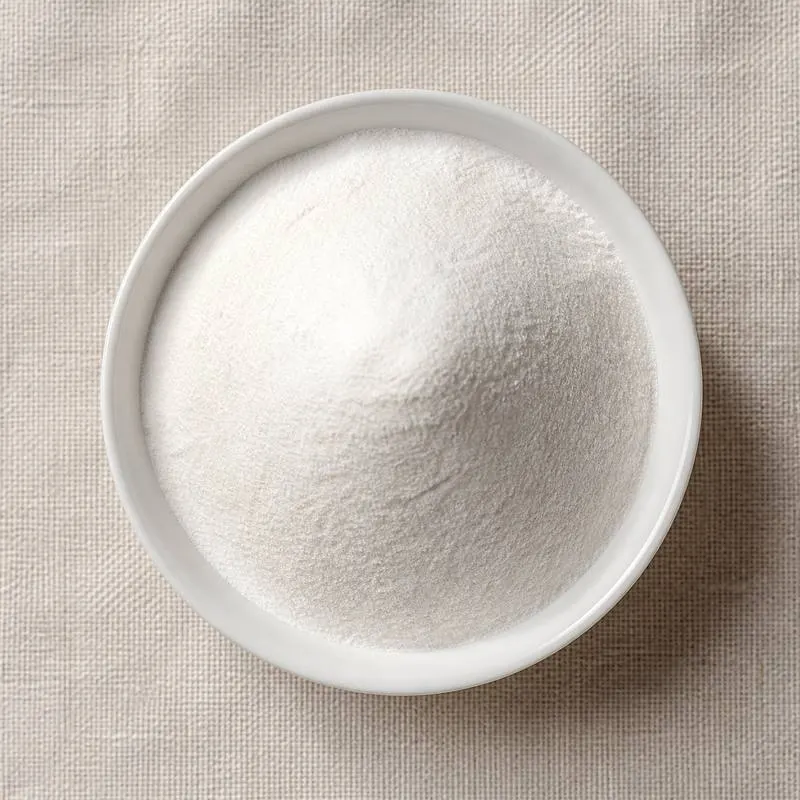
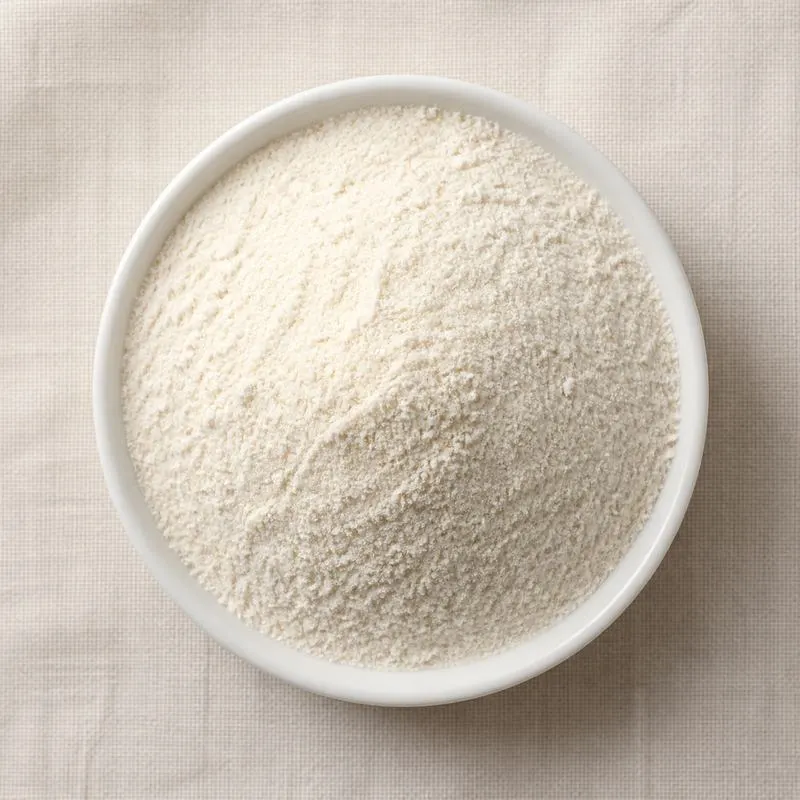
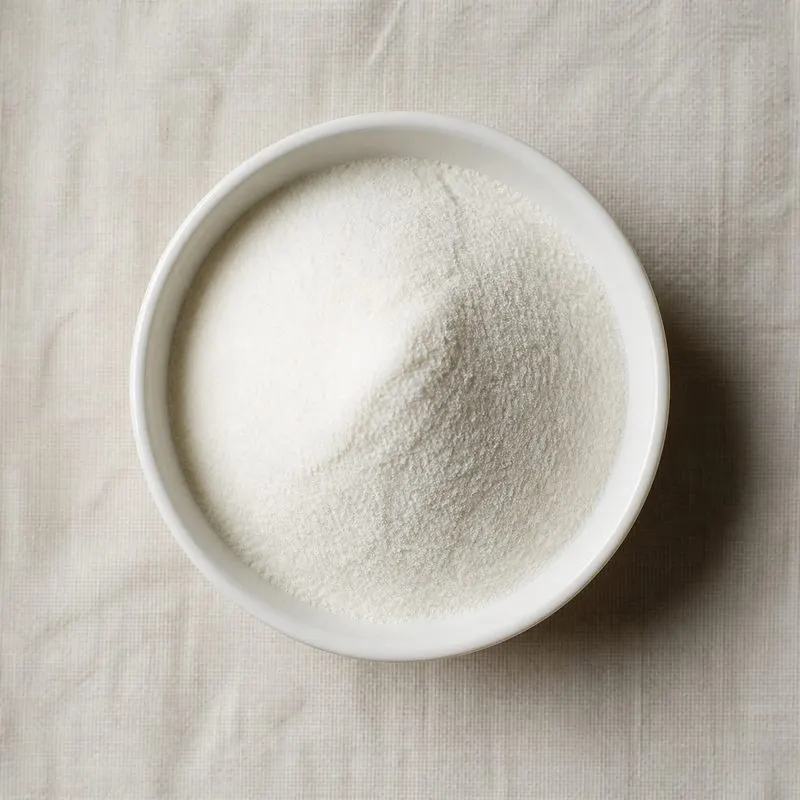
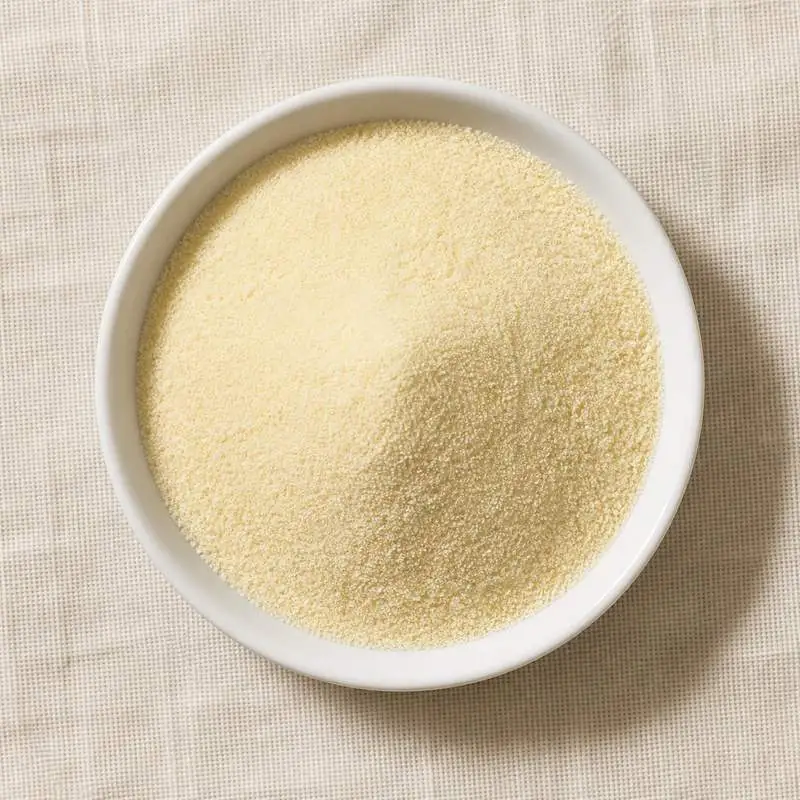
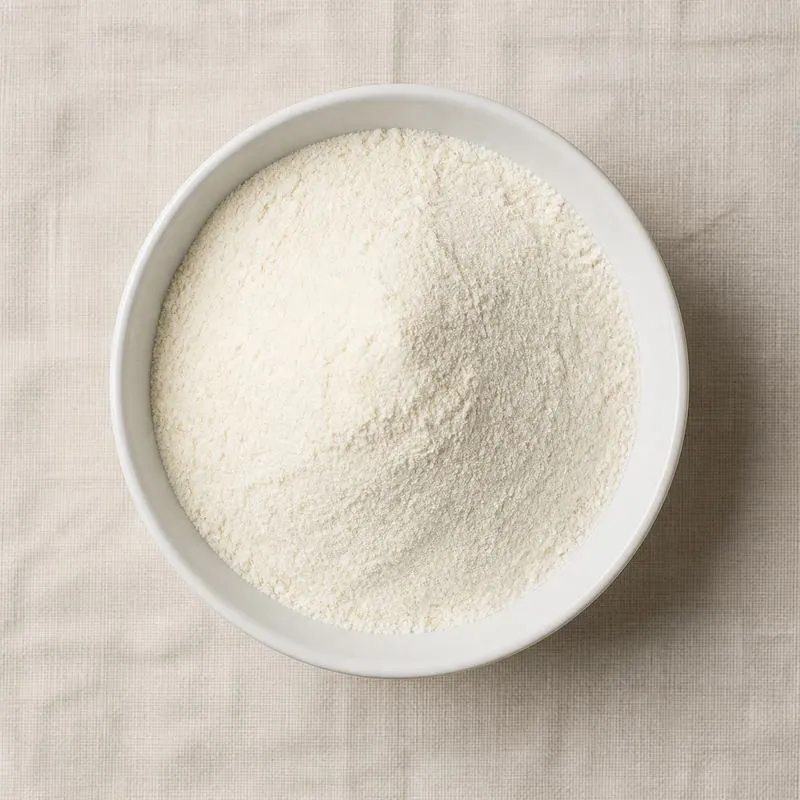
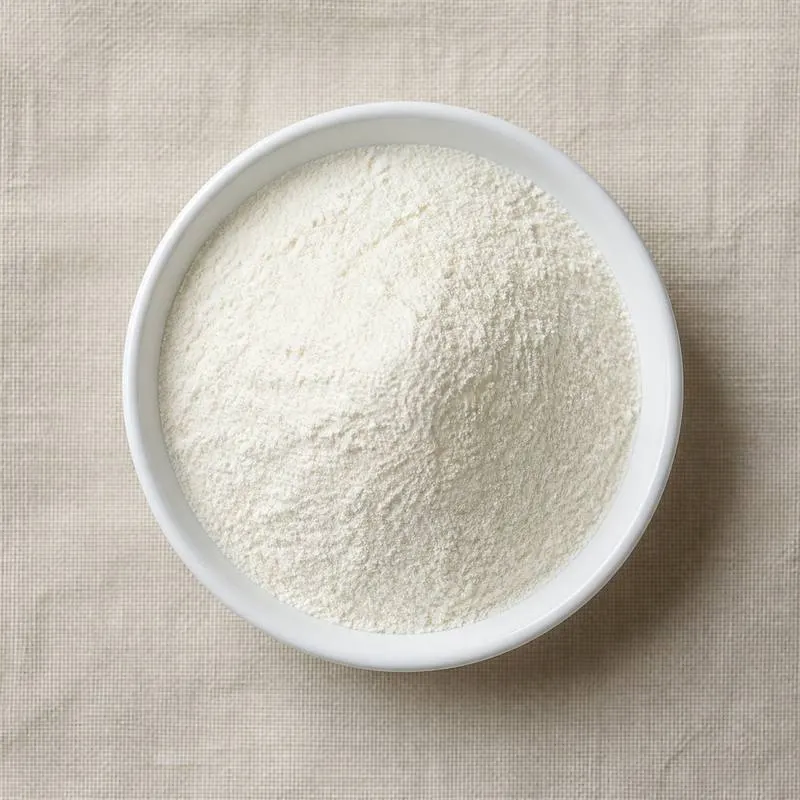
The powder is cream to off white with a bland to slightly beany flavour. Unlike concentrate, isolate is largely soluble at neutral and alkaline pH, and it forms a heat set gel when a concentrated dispersion is heated above about 80 degrees Celsius. It sits near its minimum solubility around pH 4.5, so acid beverages require either a hydrolysed or a specially modified grade rather than standard isolate.
We source bulk Non GMO Soy Protein Isolate from top China manufacturers for our partners. The manufacturer is in Shandong. A smaller requirement can ship in a combined container with other ingredients.
Please send the grade you need, the volume and your destination port, and we will come back with a solution and a price.
or call +86-21-6858 0751
- Function
- Protein
Specifications
| Item | Specification |
|---|---|
| Appearance | Cream to off white free flowing powder |
| Odour and Taste | Bland, free from beany, bitter or rancid notes |
| Protein (N x 6.25, dry basis) | Minimum 90.0% |
| Moisture | Maximum 6.0% |
| Fat | Maximum 1.0% |
| Ash | Maximum 5.5% |
| Crude Fibre | Maximum 0.5% |
| pH (10% dispersion) | 6.8 to 7.5 |
| Genetically Modified Material | Below the applicable labelling threshold by PCR |
| Particle Size | Minimum 95% through 100 mesh |
| Lead | Maximum 0.5 mg/kg |
| Arsenic | Maximum 0.5 mg/kg |
| Total Plate Count | Maximum 10,000 cfu/g |
| Escherichia coli and Salmonella | Absent in 25 g |
Common Markets Grades
Grades are described by functionality rather than by protein content, which is essentially fixed above 90 percent. Gelling grades are chosen for meat systems and give a firm heat set gel, emulsifying grades are optimised for fat binding in sausage and beverage emulsions, and dispersible or instantised grades are lecithinated for cold water dispersion in powder blends. Injection grade isolate is milled fine and has low viscosity in concentrated brine so that it passes through needle injectors without blocking them.
Beyond function, buyers choose between standard and low viscosity grades for beverage work, between neutral and acid stable modified grades, and between conventional and organic certified material. On the non GMO side, the certification scheme, the adventitious presence threshold and the sampling plan form part of the grade description, since European Union rules require labelling above a low threshold while some private schemes and buyers apply a tighter one. Hydrolysed soy protein isolate is traded as a separate product rather than as a grade of this one.
Applications
- Emulsified and injected meat products, where the isolate gels on cooking and holds added water and fat in the matrix
- Meat analogues and plant based patties, providing the binding phase around textured protein
- Ready to drink and powdered protein beverages at neutral pH, where soy isolate delivers a complete plant protein
- Nutrition bars, contributing protein without the fibre load that concentrate brings
- Infant formula and follow on formula in markets where soy based formula is permitted
- Dairy alternative drinks and yoghurt style products, where gelation and emulsification build texture
- Non dairy creamers and whipped toppings, where the isolate stabilises the fat emulsion
- Clinical and elderly nutrition formulas requiring a high protein plant source at low viscosity
- Bakery and confectionery products marketed on protein content
- Aquaculture and specialty feeds, where a highly digestible low antinutrient protein replaces fishmeal
Brands Using Non GMO Soy Protein Isolate
Widely-distributed consumer products that list Non GMO Soy Protein Isolate on the ingredient label.
Brand names, product names and logos are the property of their owners. They appear here as published evidence that the ingredient is used, taken from the brand's own label or website. Their appearance is not an endorsement, and it does not mean the brand buys from us or from any manufacturer listed on this site.
China Manufacturers of Non GMO Soy Protein Isolate
Top Non GMO Soy Protein Isolate manufacturers in China.

Company names and logos are the property of the manufacturers themselves. They are listed here because our own directory records them as producing this ingredient. A listing is not an endorsement by them, and we do not represent them or speak on their behalf.
Regulatory Status
In the United States soy protein isolate is a conventional food ingredient used under good manufacturing practice, and it is a permitted alternate protein product in federally inspected meat and poultry products within the limits set by the Food Safety and Inspection Service. Soybeans are a major food allergen under the Food Allergen Labelling and Consumer Protection Act and must be declared. Bioengineered content is addressed through the National Bioengineered Food Disclosure Standard, which requires disclosure where modified genetic material is detectable. Non genetically modified claims are voluntary claims governed by the general prohibition on misleading labelling together with whatever private certification the seller carries. A health claim linking soy protein intake to coronary heart disease risk exists in the United States and has specific qualifying conditions.
In the European Union genetically modified food and feed fall under Regulation (EC) No 1829/2003, with traceability under Regulation (EC) No 1830/2003, requiring labelling above a low adventitious presence threshold and documentation through the chain. That is the framework non genetically modified soy is traded against. Soy protein isolate is a food ingredient with no E number, and soybeans are listed in Annex II of Regulation (EU) No 1169/2011 and must be emphasised. Extraction solvents used in defatting are controlled under the extraction solvents directive. Codex maintains a standard for vegetable protein products defining isolate by minimum protein content on a dry basis.
Manufacturing Process
Identity preserved conventional soybeans are grown, stored and transported segregated from genetically modified material, with sampling and polymerase chain reaction testing at receipt, and are crushed on lines flushed and cleaned down between runs. The beans are cracked, dehulled, conditioned, flaked and defatted, normally with hexane in a countercurrent extractor, then desolventised under conditions mild enough to preserve protein solubility, which matters far more for isolate than for concentrate, since a flake with low nitrogen solubility cannot be extracted efficiently.
The white flakes are dispersed in water and the pH is raised to around 8 to 9 with food grade alkali, dissolving the globulins while the insoluble polysaccharides and residual fibre stay behind and are removed on decanter centrifuges as okara style residue. The clarified protein liquor is then acidified to the isoelectric region near pH 4.5, where the protein flocculates and is recovered as a curd on separators. The curd is washed to remove salts, residual sugars and part of the antinutrient and isoflavone load, then neutralised with alkali so that the dried powder disperses properly, which converts the protein to a proteinate form. The neutralised slurry is pasteurised, homogenised, and spray dried, with lecithin sprayed on during agglomeration for instantised grades. The powder is sieved, checked for metal and packed, and identity preservation documentation is issued with the certificate of analysis.