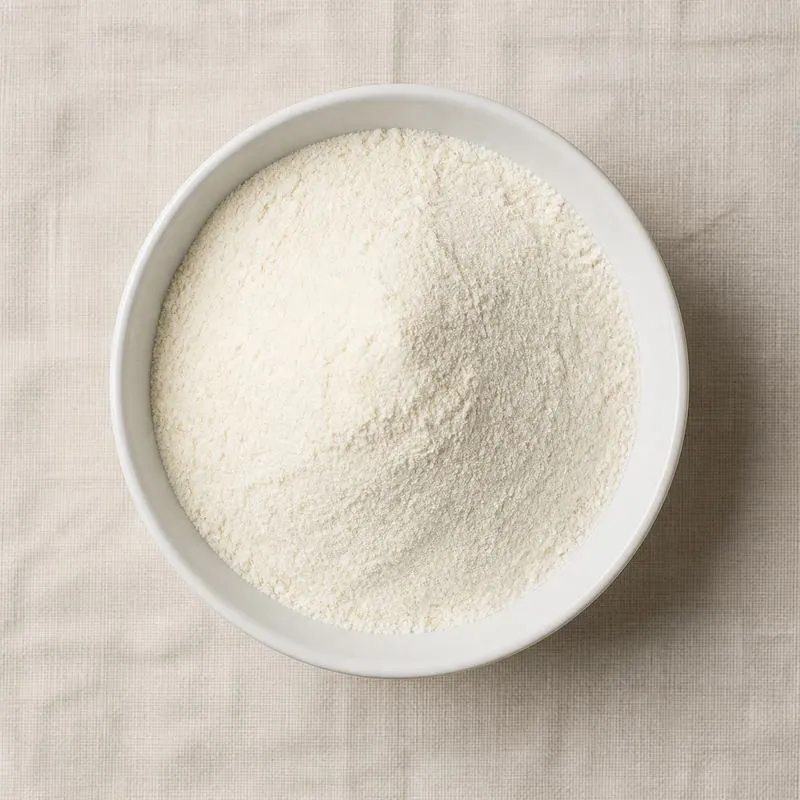
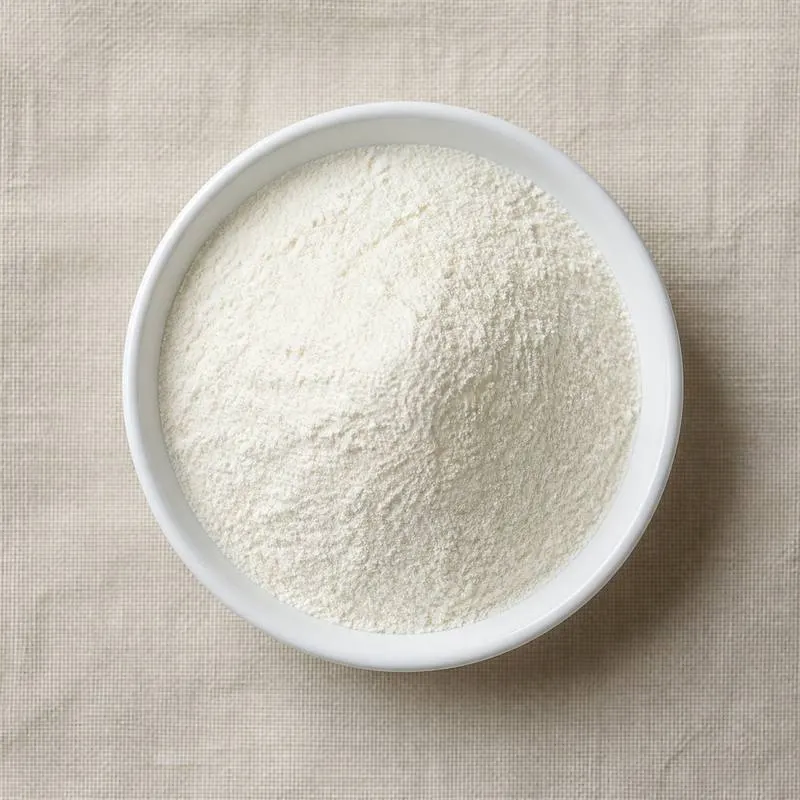
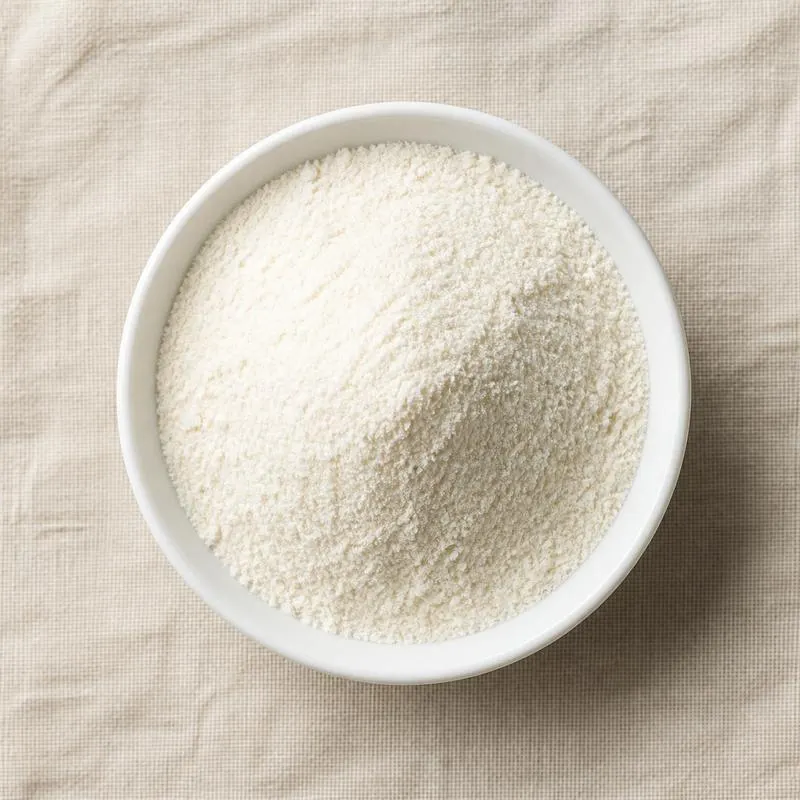
Soy Protein
Soy Protein is the generic category name for plant proteins recovered from the soybean (Glycine max). It is the most widely produced vegetable protein in global trade and the reference plant protein in food formulation.
Commercial soy protein is sold across a tiered family of ingredients defined by protein content on a dry basis: soy flour and grits at roughly 50 percent, soy protein concentrate at 65 to 72 percent, and soy protein isolate at 90 percent or higher.
We source bulk Soy Protein from top China manufacturers for our partners, working with several of them. The manufacturers are mostly in Shandong, Henan and Zhejiang. For this ingredient the minimum order is 500 kg and a 20-foot container takes 13 MT, and a smaller requirement can ship in a combined container with other ingredients.
Please send the grade you need, the volume and your destination port, and we will come back with a solution and a price.
or call +86-21-6858 0751
- Minimum order
- 500 kg
- Qty in 20' FCL
- 13 MT
- Packaging
- 25 kg kraft paper bag with PE inner liner
- ISO 9001
- HACCP
- Halal
- Kosher
Specifications
| Item | Specification |
|---|---|
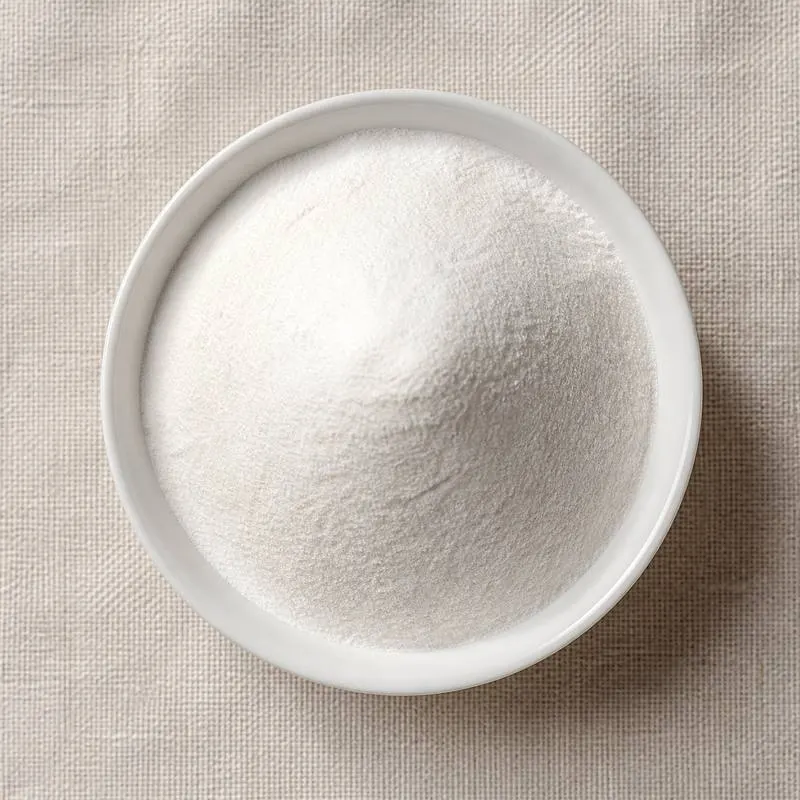
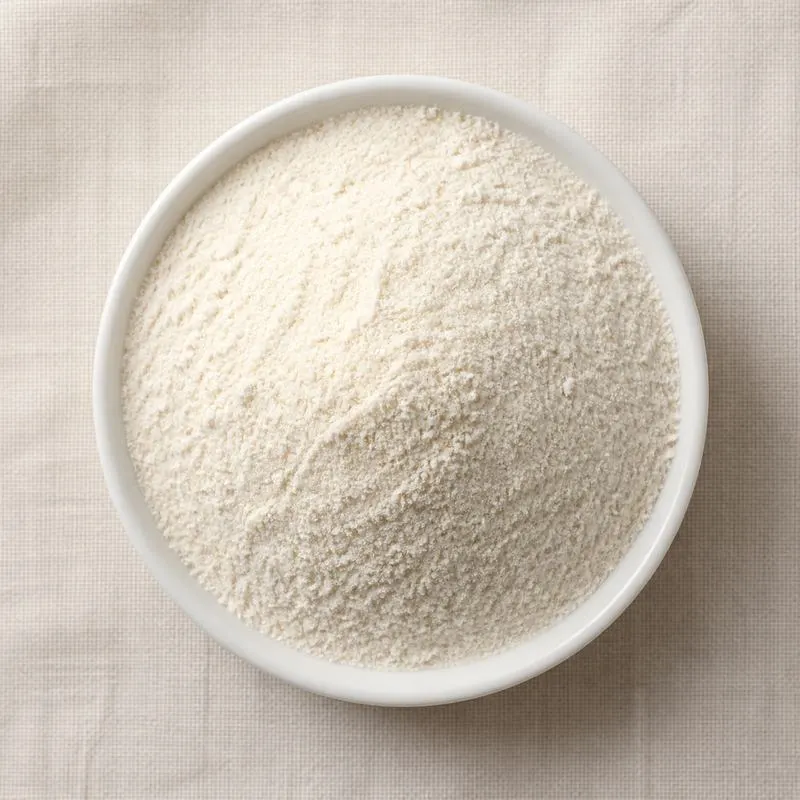
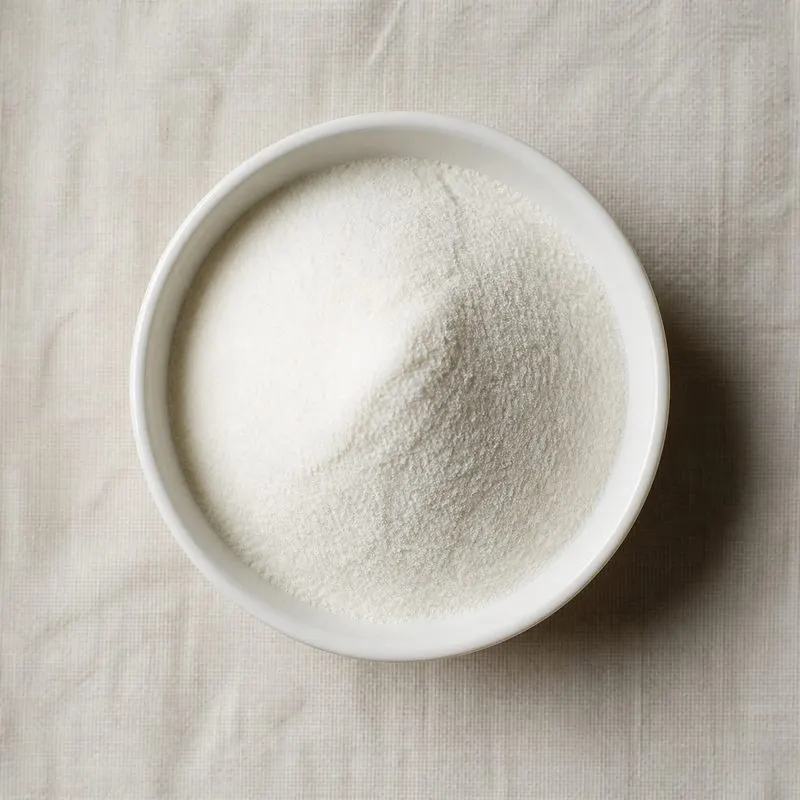
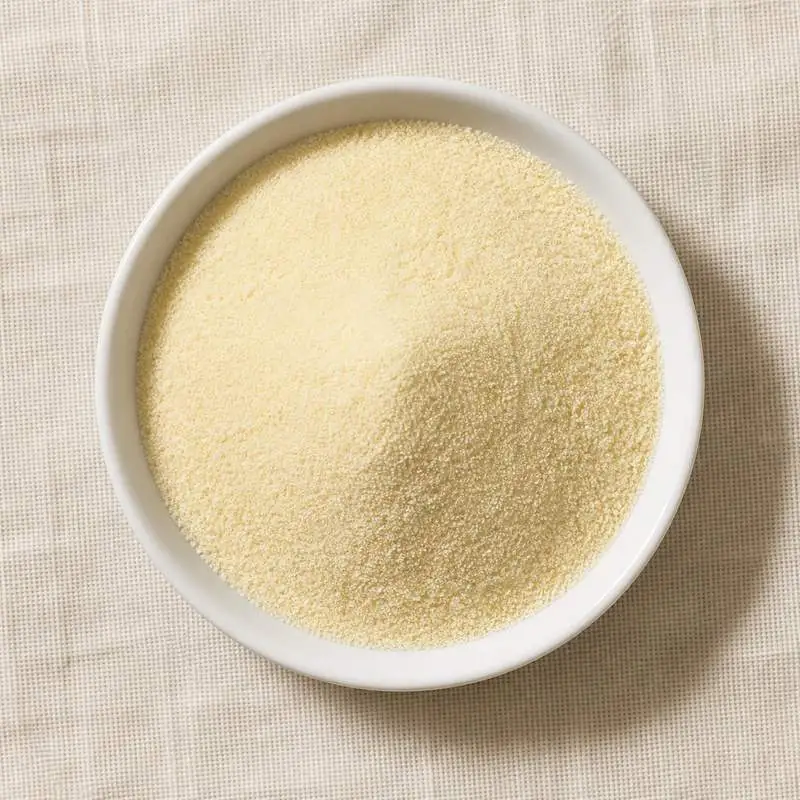
| Appearance | Cream to light yellow fine powder |
| Protein (dry basis, N×6.25) | ≥50% / 70% / 90% (grade) |
| Moisture | ≤7.0% |
| Fat | ≤5.0% |
| Ash | ≤6.0% |
| Fibre | ≤4.0% |
| pH (1% sol.) | 6.5–7.5 |
| Solubility | ≥85% |
| Particle Size (100 mesh) | ≥95% |
| Urease Activity | Negative |
| Heavy Metals (as Pb) | ≤2 mg/kg |
| Salmonella | Absent in 25g |
Common Markets Grades
The soy protein family is structured by protein content and by functional treatment.
Defatted soy flour and grits carry roughly 50 to 54 percent protein on a dry basis, along with the native soluble carbohydrates and minerals of the bean. They come as toasted (with denatured protein) or as enzyme-active.
Textured soy flour, marketed as TSP or TVP (textured vegetable protein), is extrusion-cooked from defatted flour to produce fibrous chunks, mince, and strips for meat-extension and vegetarian use.
Soy Protein Concentrate (SPC) at 65 to 72 percent protein is produced by removing the soluble carbohydrates from defatted flour. It sells as a flour or as a textured concentrate (TSPC).
Soy Protein Isolate (SPI or ISP) at 90 percent or higher protein is the highest-protein tier, produced by alkaline extraction and isoelectric precipitation.
Hydrolysed Soy Protein is a separate tier produced by enzymatic or acid hydrolysis of the higher-protein grades, used for savory flavour and rapid amino-acid delivery.
Applications
- Plant-based meat analogues including burgers, sausages, nuggets, and deli slices
- Meat extenders and binders in emulsified and whole-muscle processed meats
- Bakery enrichment of breads, tortillas, pastas, and noodles
- Plant-based milk, yogurt, and frozen-dessert analogues
- Sports-nutrition powders, ready-to-mix shakes, and protein bars
- Infant formula in soy-based vegetarian and hypoallergenic variants
- Clinical and oral nutritional supplements
- Cereal and snack-bar protein fortification
- Confectionery nougats and aerated centres
- Coffee creamers and whiteners
- Aquaculture and animal feed for premium protein nutrition
- Pet food for protein density and amino-acid balance
Brands Using Soy Protein
Widely-distributed consumer products that list Soy Protein on the ingredient label.
- SilkOriginal Soymilk ↗Silk Original Soymilk delivers 8 g of plant-based protein per serving sourced from whole soybeans (water and soybeans).Label verified 2026-05-24
- SilkOriginal Silk Protein ↗Silk Protein beverage ingredient panel lists Soymilk (Water, Soybeans) and Soy Protein Isolate as the soy protein sources.Label verified 2026-05-24
- AtkinsCreamy Vanilla Protein Shake ↗Atkins Creamy Vanilla Shake ingredient panel lists Soy Protein Isolate alongside Milk Protein Concentrate as the protein sources.Label verified 2026-05-24
- AtkinsMilk Chocolate Delight Meal Shake ↗Atkins Milk Chocolate Delight Shake ingredient panel includes Soy Protein Isolate as a primary protein source alongside Milk Protein Concentrate.Label verified 2026-05-24
Brand names, product names and logos are the property of their owners. They appear here as published evidence that the ingredient is used, taken from the brand's own label or website. Their appearance is not an endorsement, and it does not mean the brand buys from us or from any manufacturer listed on this site.
China Manufacturers of Soy Protein
Top Soy Protein manufacturers in China.
- Anyang Tianxiangrui Food Technology Co., Ltd.3 ingredients in the directory
 Dezhou Gushen Protein Technology Co., Ltd.6 ingredients in the directory
 Shandong Crown Collagen Casing Co., Ltd.3 ingredients in the directory
 Shandong Wonderful Biotech Co., Ltd.8 ingredients in the directory
 Solbar Ningbo Protein Technology Co., Ltd.1 ingredient in the directory
 Wachsen Industry Co., Ltd.4 ingredients in the directory
- Yihai Kerry Food Technology Co., Ltd.4 ingredients in the directory
Company names and logos are the property of the manufacturers themselves. They are listed here because our own directory records them as producing this ingredient. A listing is not an endorsement by them, and we do not represent them or speak on their behalf.
How We Help Source Soy Protein
Direct Factory Sourcing
We run the whole process: selecting the manufacturer from the top Chinese food ingredient producers, negotiating the price, verifying quality, and coordinating the logistics. You deal with us instead of with several factories at once.
Original Packaging and Documents from the Manufacturer
The manufacturer sends your Soy Protein out of its own factory in the original packing, through to your destination port. The COA, COO, MSDS, TDS and any certifications reach you from the manufacturer as well.
Free Samples and Lead Time
We send 100 to 500 g free for your own laboratory to test and you cover only the courier, usually within 2 to 3 working days. ETD is usually within 7 to 15 days once the order is confirmed, and we check that date against the factory's own manufacturing schedule before we give it to you.
Combined Shipment
We can load Soy Protein together with other ingredients such as Collagen Peptide, Soy Protein Isolate and Fish Collagen Peptide into one 20' FCL. If your quantity is small, we can also ship LCL.
Regulatory Status
Soy protein products are recognised as safe food ingredients in all major jurisdictions.
In the United States soy flour, soy protein concentrate, and soy protein isolate are GRAS under 21 CFR 184, and USDA FSIS rules permit them as ingredients in standardised meat products at defined inclusion levels.
Codex covers the category under CODEX STAN 174-1989 on vegetable protein products, which sets compositional and labelling requirements by protein tier.
The European Union treats conventional soy protein products as ordinary food ingredients under the general food law. Soy from new sources or new processes may fall under the Novel Food Regulation (EU) 2015/2283.
Soy is a designated major allergen in the United States, the European Union, Australia, New Zealand, and most other major markets. Origin and GMO declarations apply in jurisdictions that require GMO labelling.
Manufacturing Process
Industrial soy protein begins with the soybean oil mill, where whole beans are cleaned, cracked, dehulled, conditioned, flaked, and solvent-extracted with hexane to remove the oil. The remaining defatted flakes, also called white flakes, are the feedstock for all higher-protein products.
For soy flour, the flakes are toasted under controlled steam to inactivate trypsin inhibitors and urease, then ground and sieved to the desired particle size.
For Soy Protein Concentrate, the soluble carbohydrates (raffinose and stachyose) are washed out by aqueous alcohol leaching, by acid leaching at pH 4.5, or by hot-water leaching of denatured flakes. The insoluble protein and fibre fraction is recovered, dried, and ground.
For Soy Protein Isolate, alkaline extraction at pH 8 to 9 dissolves the protein away from the insoluble fibre. The clarified extract is precipitated at pH 4.5, washed, neutralised, and spray-dried.
Textured products are produced by twin-screw extrusion of flour or concentrate under high temperature, shear, and moisture, generating the fibrous, meat-like structure on flashing through the die.