Oil Flavour
Oil flavour is a flavouring in an edible oil carrier rather than in water, ethanol or propylene glycol, so that the aroma is delivered into the fat phase of a food. The category covers both compounded flavours dissolved in refined vegetable oil and infused or fried oils in which the aroma has been extracted from spices, aromatics or meat directly into the fat.
Working in oil changes what the flavour can do. Many of the compounds that define savoury and fried character, including the pyrazines, thiophenes and lipid oxidation aldehydes, are lipophilic and partition strongly into fat, so an oil carrier holds them at higher concentration and releases them gradually as the food is heated. The oil also protects volatiles during frying and retorting, where a water based flavour would be stripped off with the steam.
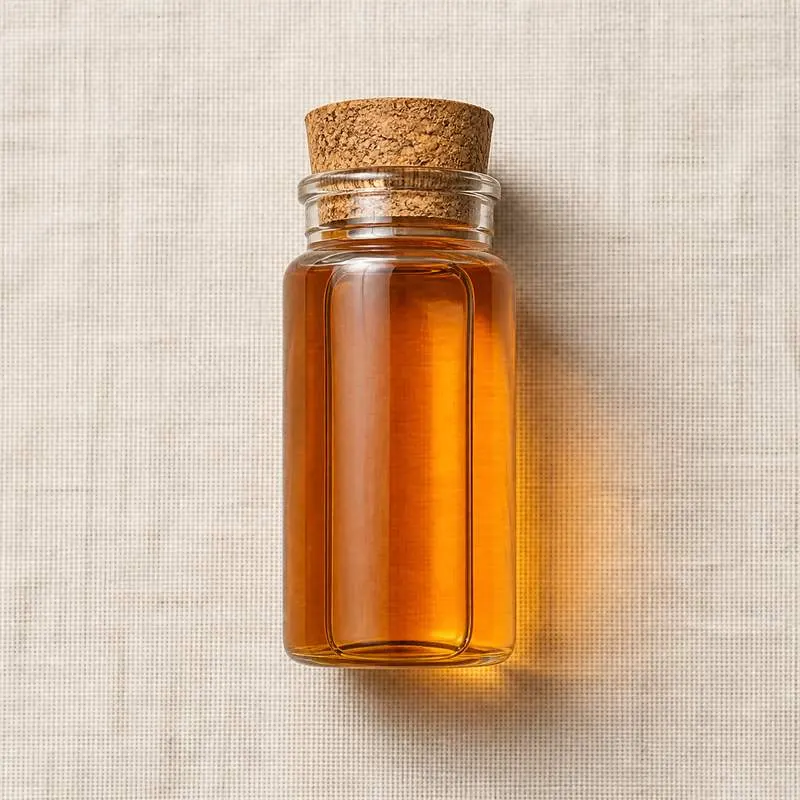
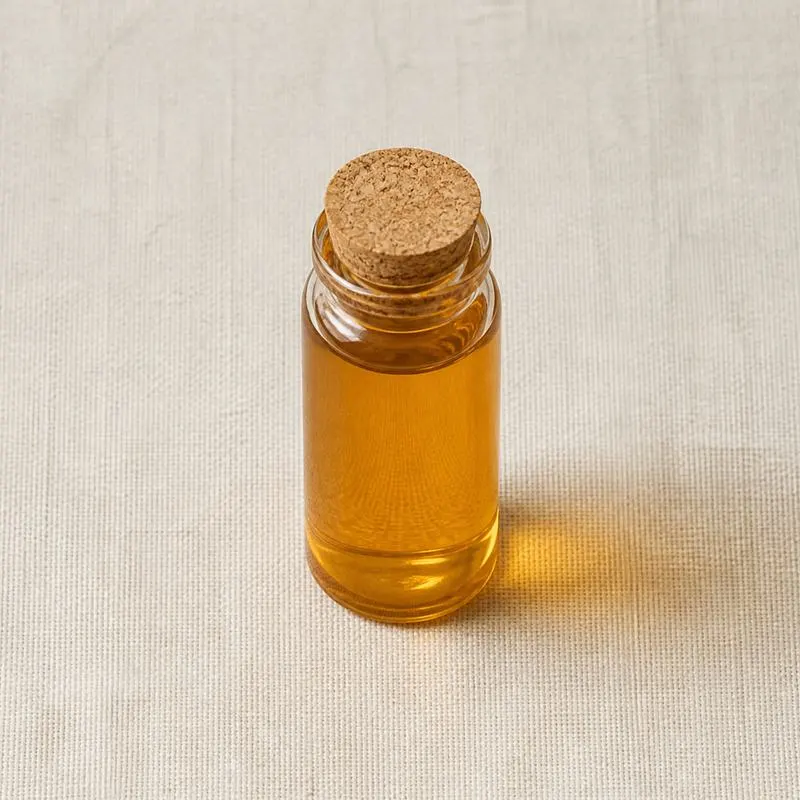
The material is a clear to slightly hazy liquid, pale yellow to deep red or brown depending on whether chilli or roasted aromatics are present, and it may deposit a fine sediment on standing. It is fat soluble and water insoluble, so aqueous applications need an emulsifier. Oxidation of the carrier is the main shelf life limit, and peroxide value is a routine release test.
We source bulk Oil Flavour from top China manufacturers for our partners. The manufacturer is in Shandong. A smaller requirement can ship in a combined container with other ingredients.
Please send the grade you need, the volume and your destination port, and we will come back with a solution and a price.
or call +86-21-6858 0751

- Function
- Flavours and Aromas
Specifications
| Item | Specification |
|---|---|
| Appearance | Clear to slightly hazy oily liquid, slight sediment permitted |
| Colour | Pale yellow to deep red brown according to profile |
| Odour and flavour | Characteristic of the declared profile, true to reference sample |
| Relative density at 25 degrees Celsius | 0.900 to 0.940 |
| Refractive index at 40 degrees Celsius | 1.4600 to 1.4750 |
| Acid value | 2.0 mg KOH/g maximum |
| Peroxide value | 5.0 meq/kg maximum |
| Moisture and volatile matter | 0.2 percent maximum |
| Insoluble impurities | 0.05 percent maximum |
| Lead | 0.1 mg/kg maximum |
| Arsenic | 0.1 mg/kg maximum |
| Total plate count | 1,000 cfu/g maximum |
| Yeast and mould | 50 cfu/g maximum |
| Salmonella | Absent in 25 g |
Common Markets Grades
The first distinction is between compounded oil flavours, where aroma chemicals and extracts are dissolved in a neutral refined oil, and processed or infused oils, where the aroma is generated in the oil itself by frying aromatics or by a reaction step. The second is carrier choice: refined soybean, rapeseed, sunflower and palm olein are the common neutral carriers, while medium chain triglyceride is used where oxidative stability matters, and chicken fat, beef tallow or lard are used where the carrier is itself part of the flavour.
Strength is expressed as a recommended dose rate rather than as an assay, and concentrated grades intended for further dilution are sold alongside ready to use grades. Profiles run across the savoury range, including chilli, Sichuan pepper, scallion and ginger, garlic, sesame, chicken, beef, pork and mushroom, with fried and braised variants of each. Antioxidant protected grades are a separate position, as are grades free from the major allergens and grades certified halal.
Applications
- Instant noodle oil sachets, which are the largest single outlet for this class of product
- Hot pot and mala base oils, where chilli and Sichuan pepper are carried in the fat phase
- Frying oils for snacks and extruded products, giving flavour to the surface of the fried piece
- Sauces, dressings and mayonnaise, dosed directly into the oil phase before emulsification
- Retorted soups and ready meals, to replace the aroma lost during sterilisation
- Frozen dumplings, buns and prepared dishes, where the oil survives freezing and reheating
- Plant based meat analogues, supplying the fatty aroma that a lean protein base lacks
- Bakery and savoury pastry, added to the fat used in the dough or the filling
- Pet food coatings, applied with the palatant fat after extrusion
- Seasoning oils sold at retail as a finished condiment
China Manufacturers of Oil Flavour
Top Oil Flavour manufacturers in China.
Company names and logos are the property of the manufacturers themselves. They are listed here because our own directory records them as producing this ingredient. A listing is not an endorsement by them, and we do not represent them or speak on their behalf.
Regulatory Status
In the United States an oil flavour is a compounded flavouring carried in an edible oil. Its flavour components rely on FEMA GRAS status, on the synthetic flavouring substances permitted under 21 CFR 172.515 and on the spices, oleoresins and natural extractives listed under 21 CFR 182.10 and 182.20, while the carrier oil is a food in its own right. Labelling declares the oil as an ingredient and the flavour as natural or artificial flavour according to what was used, and any antioxidant added to protect the oil is declared separately.
In the European Union the flavour components are handled under Regulation (EC) No 1334/2008, which requires flavouring substances to be on the Union list and sets conditions for thermal process flavourings, and no E number applies to a flavouring. The carrier oil is a food, and antioxidants such as tocopherol extracts or ascorbyl palmitate used to stabilise it are additives regulated in their own right. Where the oil is heated during manufacture, the general requirements on process contaminants in edible fats, including the glycidyl ester and chloropropanediol controls, apply to the carrier. Codex standards for named vegetable oils cover the carrier specification.
Manufacturing Process
Compounded grades begin with a refined, bleached and deodorised vegetable oil that has been checked for a neutral odour and a low peroxide value. The oil is warmed in a jacketed vessel under nitrogen, and the flavour components are dosed in order of thermal sensitivity, with extracts and oleoresins added first and volatile aroma chemicals last at reduced temperature. The blend is stirred to full dissolution, held to allow insolubles to settle, then plate filtered or centrifuged.
Infused and fried grades are made differently. Fresh or dried aromatics such as chilli, spring onion, ginger, garlic and whole spices are held in the oil at a controlled temperature, typically between 100 and 160 degrees Celsius, for a defined time. That step both extracts the oil soluble flavour and runs the Maillard and caramelisation chemistry that produces the fried character, and the temperature profile is what separates a fresh infused note from a deeply roasted one. The solids are then separated by decanting, filtration or centrifugation, the oil is cooled quickly, and top note aroma chemicals are added afterwards to restore what the heat removed. Finished oil is filled hot or cold into lined drums or pails under nitrogen.