Ascorbyl Palmitate
Ascorbyl Palmitate is the lipid-soluble ester of L-ascorbic acid and palmitic acid, used industrially as the fat-phase antioxidant food additive E304(i).
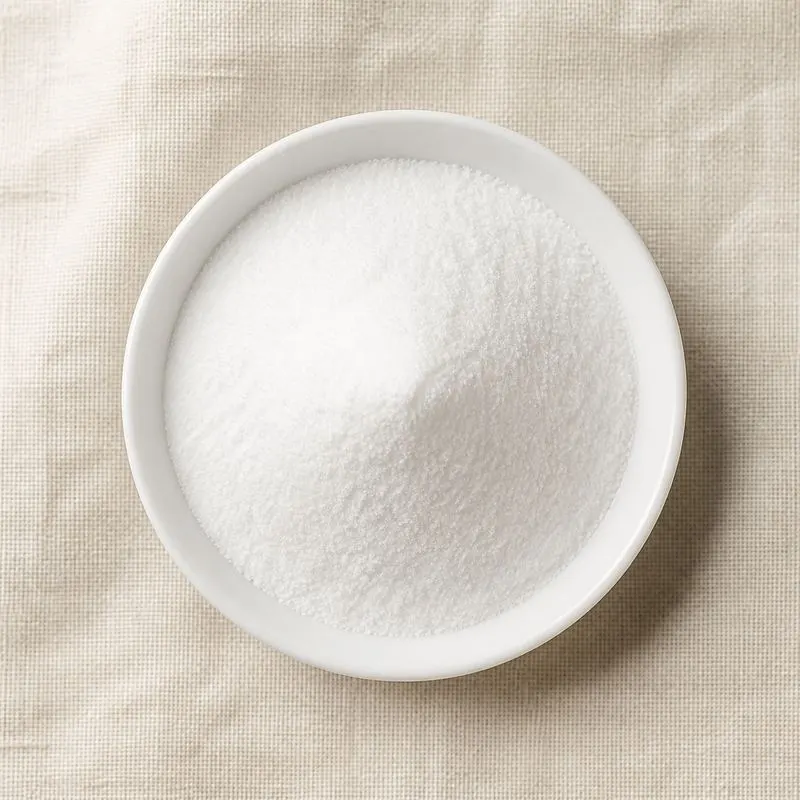
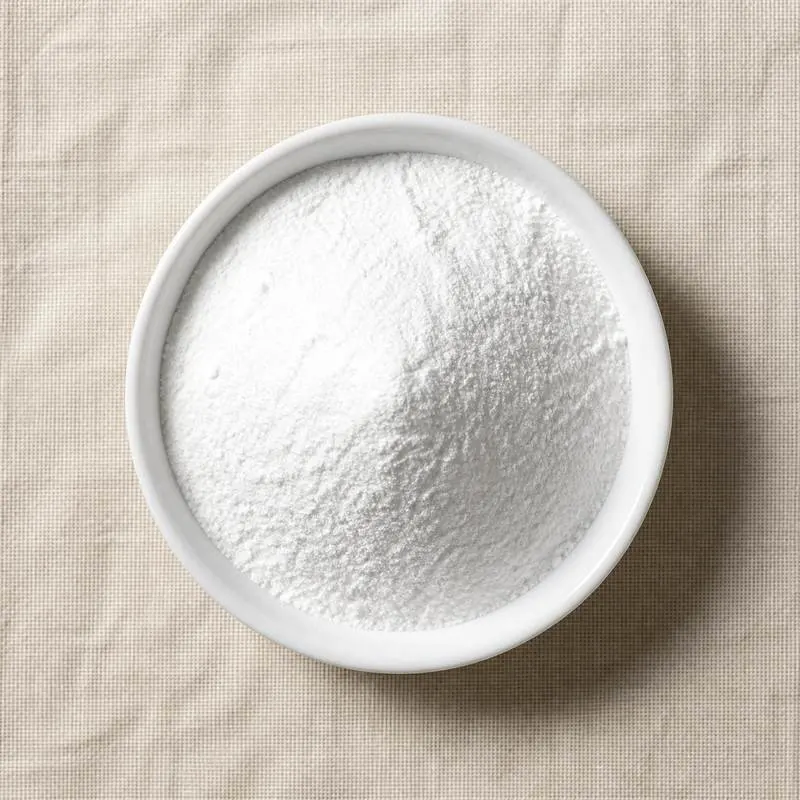
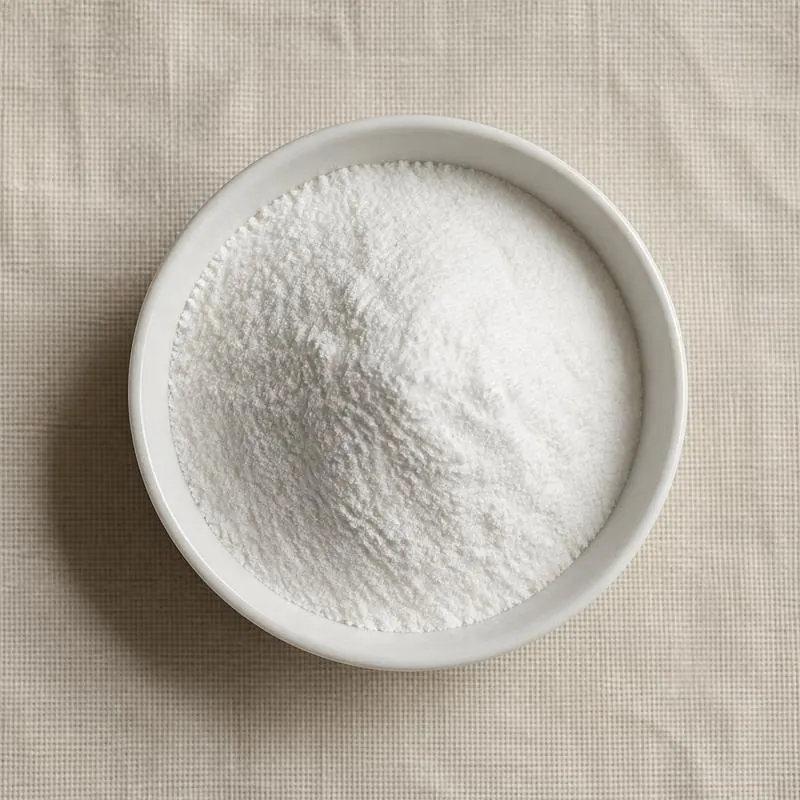
The molecule (CAS 137-66-6, C₂₂H₃₈O₇, molecular weight 414.53 g/mol) is a white to yellowish powder, sparingly soluble in water but freely soluble in ethanol and edible oils. Esterification of the C-6 hydroxyl with palmitic acid preserves the enediol redox centre on the lactone ring while delivering oil-phase solubility.
We source bulk Ascorbyl Palmitate from top China manufacturers for our partners, working with several of them. The manufacturers are in Guangdong, Jiangxi and Liaoning. For this ingredient the minimum order is 500 kg and a 20-foot container takes 8 MT, and a smaller requirement can ship in a combined container with other ingredients.
Please send the grade you need, the volume and your destination port, and we will come back with a solution and a price.
or call +86-21-6858 0751
- Minimum order
- 500 kg
- Qty in 20' FCL
- 8 MT
- Packaging
- 25 kg kraft paper bag with PE inner liner
- ISO 9001
- HACCP
- Halal
- Kosher
Specifications
| Item | Specification |
|---|---|
| Appearance | White to pale yellow powder |
| Purity (Food Grade) | ≥ 95% |
| Purity (Pharmaceutical Grade) | ≥ 98% |
| Moisture/Loss on Drying | ≤ 5% |
| pH | 6.0 - 7.0 |
| Heavy Metals | ≤ 10 ppm |
| Lead | ≤ 2 ppm |
| Arsenic | ≤ 1 ppm |
| Total Plate Count | ≤ 1000 cfu/g |
| Yeast & Mold | ≤ 100 cfu/g |
Common Markets Grades
Ascorbyl Palmitate is produced primarily as a fine white powder for direct incorporation into fat-containing food, supplement, and cosmetic formulations.
The standard commercial assay is not less than 95 percent on a dried basis, with most modern grades delivering 98 percent or above.
Pharmacopoeial grades meeting USP-NF, BP, Ph. Eur., and JP specifications are produced for tablet excipient and pharmaceutical applications.
FCC food-grade material is produced for use in oils, fats, and supplement softgel fills.
Cosmetic grade is sold under the INCI name Ascorbyl Palmitate for emulsion and anhydrous skincare formulations. Each lot is qualified by assay, free ascorbic acid, free fatty acid, water content, and heavy metals.
Applications
- Antioxidant protection of edible oils, fats, and shortenings in synergy with tocopherols
- Stabilisation of vitamin A and other fat-soluble vitamins in supplement softgels
- Snack foods, fried products, and bakery fats to extend shelf life
- Infant formula as a permitted antioxidant for the lipid phase
- Pharmaceutical tablet and capsule formulations as an excipient antioxidant
- Vitamin C softgels where lipid solubility is required
- Cured meat fat-phase colour and flavour protection
- Cosmetic serums, creams, and balms for anti-aging and skin-brightening claims
- Lip balms and colour cosmetics for pigment protection
- Pet food and aquaculture feed fat-phase stabilisation
- Encapsulated flavour systems as a fat-phase stabiliser
Brands Using Ascorbyl Palmitate
Widely-distributed consumer products that list Ascorbyl Palmitate on the ingredient label.
- NOW FoodsAscorbyl Palmitate 500 mg Veg Capsules ↗Veg capsules supplying 500 mg ascorbyl palmitate, a stable form of vitamin C. Other ingredients are hypromellose, rice flour, stearic acid, microcrystalline cellulose and silicon dioxide.Label verified 2026-05-24
- HormelHORMEL COMPLEATS Macaroni & Cheese ↗Ingredient panel includes 'Ascorbyl Palmitate' within the Carotene Color component used as a fat-soluble antioxidant carrier.Label verified 2026-05-24
Brand names, product names and logos are the property of their owners. They appear here as published evidence that the ingredient is used, taken from the brand's own label or website. Their appearance is not an endorsement, and it does not mean the brand buys from us or from any manufacturer listed on this site.
China Manufacturers of Ascorbyl Palmitate
Top Ascorbyl Palmitate manufacturers in China.
 Guangdong Lingnan Geen Biotechnology Co., Ltd.2 ingredients in the directory
 Huizhou Comvikin Biotechnology Co., Ltd.1 ingredient in the directory
 Jiangxi Hitech Food Ingredient Co., Ltd.2 ingredients in the directory
 Jiangxi Tianxin Pharmaceutical Co., Ltd.16 ingredients in the directory
 Kaiyuan Hengtai Nutrition Co., Ltd.9 ingredients in the directory
Company names and logos are the property of the manufacturers themselves. They are listed here because our own directory records them as producing this ingredient. A listing is not an endorsement by them, and we do not represent them or speak on their behalf.
How We Help Source Ascorbyl Palmitate
Direct Factory Sourcing
We run the whole process: selecting the manufacturer from the top Chinese food ingredient producers, negotiating the price, verifying quality, and coordinating the logistics. You deal with us instead of with several factories at once.
Original Packaging and Documents from the Manufacturer
The manufacturer sends your Ascorbyl Palmitate out of its own factory in the original packing, through to your destination port. The COA, COO, MSDS, TDS and any certifications reach you from the manufacturer as well.
Free Samples and Lead Time
We send 100 to 500 g free for your own laboratory to test and you cover only the courier, usually within 2 to 3 working days. ETD is usually within 7 to 15 days once the order is confirmed, and we check that date against the factory's own manufacturing schedule before we give it to you.
Combined Shipment
We can load Ascorbyl Palmitate together with other ingredients such as Disodium EDTA, Erythorbic Acid and Ferric Sodium Edetate into one 20' FCL. If your quantity is small, we can also ship LCL.
Regulatory Status
Ascorbyl Palmitate is approved as a food additive antioxidant globally.
In the European Union it carries the E number E304(i), permitted under Regulation (EC) 1333/2008 in defined food categories.
The U.S. FDA lists it as GRAS under 21 CFR 182.3149.
JECFA has reviewed ascorbyl palmitate and the structurally related ascorbyl stearate and assigned the pair a group ADI expressed as ascorbic acid equivalent.
Pharmacopoeial monographs appear in USP-NF, the European Pharmacopoeia, the British Pharmacopoeia, and the Japanese Pharmacopoeia.
The substance is listed in the EU CosIng database for cosmetic use. Kosher, Halal, RSPO, and non-GMO certifications are routinely available.
Manufacturing Process
Ascorbyl Palmitate is produced by direct esterification of L-ascorbic acid with palmitic acid (or methyl palmitate) in the presence of a strong acid catalyst, typically concentrated sulphuric acid.
The reaction is run in a polar solvent, classically concentrated sulphuric acid acting as both catalyst and solvent, at controlled temperature to favor C-6 selectivity and avoid degradation of the heat-sensitive lactone ring.
The crude reaction mass is quenched, neutralised, and extracted into a suitable organic solvent.
The ester is crystallised from a polar protic solvent such as methanol or ethanol and recrystallised to pharmaceutical purity.
The starting ascorbic acid is fermentation-derived in modern supply chains. The palmitic acid is typically derived from palm oil, which means the finished product carries RSPO certification options for customers requiring sustainable palm sourcing.