Magnesium Stearate
Magnesium Stearate is the magnesium salt of stearic acid, with the chemical formula Mg(C₁₇H₃₅COO)₂ and CAS number 557-04-0.
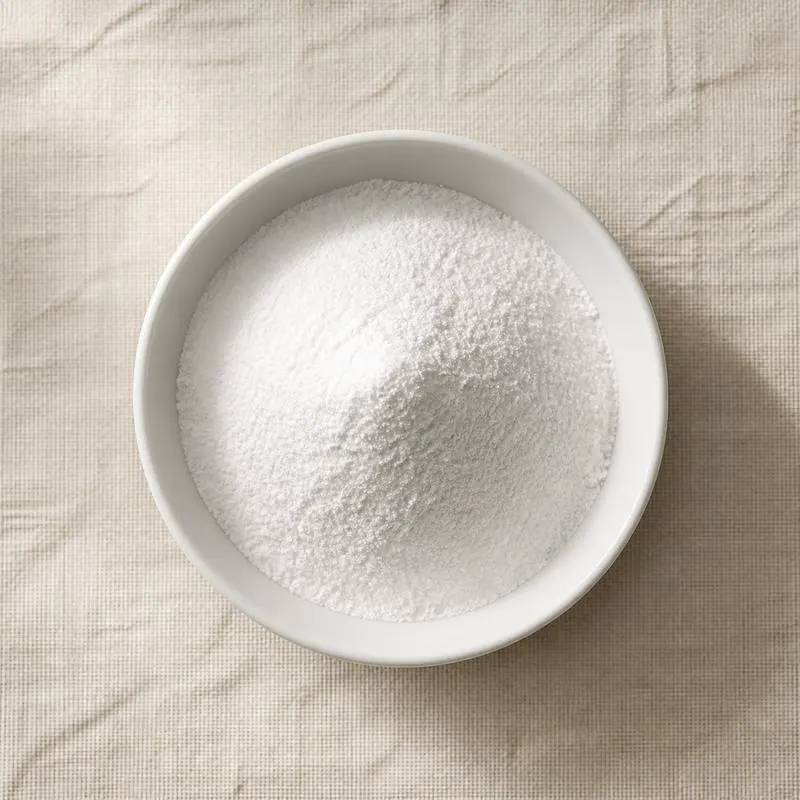
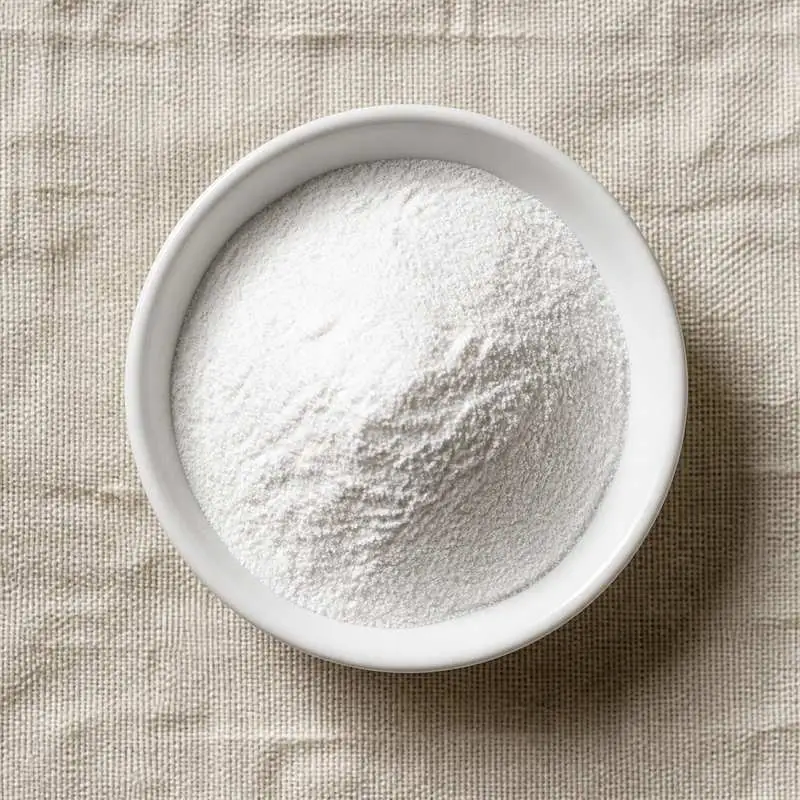
It is a fine white hydrophobic powder used as the dominant lubricant in pharmaceutical tablet and capsule manufacture, with a similar role in nutraceutical, food, and cosmetic powders.
We source bulk Magnesium Stearate from top China manufacturers for our partners. The manufacturer is in Zhejiang. A smaller requirement can ship in a combined container with other ingredients.
Please send the grade you need, the volume and your destination port, and we will come back with a solution and a price.
or call +86-21-6858 0751
- Packaging
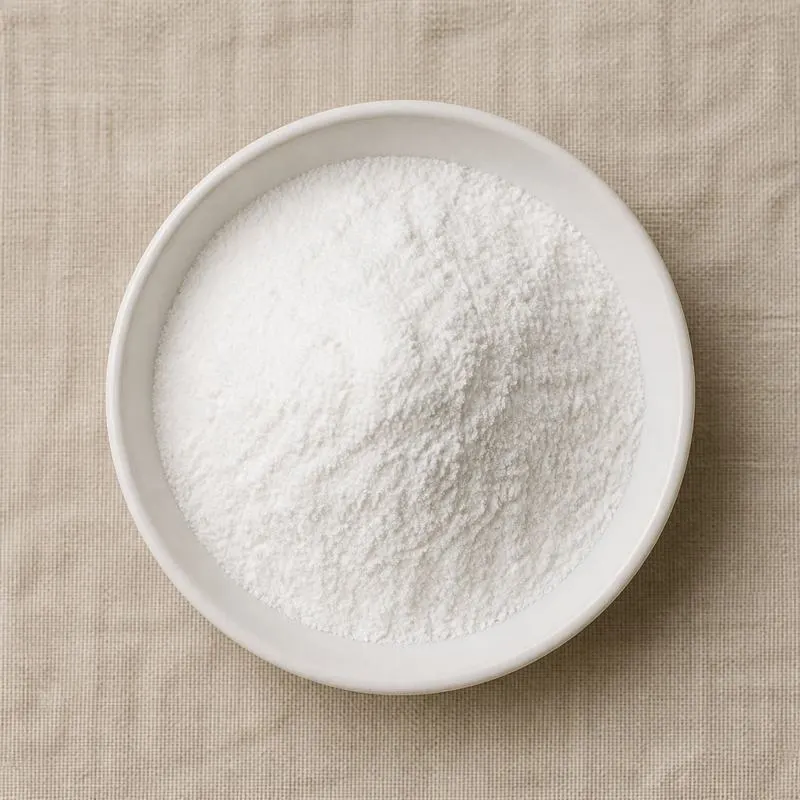
- 25 kg kraft paper bag with PE inner liner
- ISO 9001
- HACCP
- Halal
- Kosher
Specifications
| Item | Specification |
|---|---|
| Appearance | White, very fine, light powder |
| Compliance | USP/NF, EP, JP, BP current edition |
| Identification | Conforms to pharmacopoeial tests |
| Assay (Mg content, dried basis) | 4.0% to 5.0% |
| Stearic plus palmitic acid content | ≥ 90.0% of fatty acid fraction |
| Stearic acid in fatty acid fraction | ≥ 40.0% |
| Loss on drying | ≤ 6.0% |
| Free fatty acid (as stearic) | ≤ 3.0% |
| Acidity or alkalinity | Passes test |
| Specific surface area | Typical 4 to 12 m²/g (grade dependent) |
| Particle size (D50) | ≤ 25 microns |
| Lead | ≤ 2 mg/kg |
| Cadmium | ≤ 1 mg/kg |
| Nickel | ≤ 5 mg/kg |
| Heavy metals (as Pb) | ≤ 10 mg/kg |
| Total aerobic count | ≤ 1,000 CFU/g |
| Yeast and mould | ≤ 100 CFU/g |
| E. coli, Salmonella | Absent |
| Source | Vegetable (palm or soy) or bovine, declared per batch |
Common Markets Grades
The trade recognises four grades of Magnesium Stearate: pharmaceutical, nutraceutical, food and cosmetic.
Pharmaceutical grade complies with the USP, Ph. Eur., and JP monographs, with assays for magnesium content (typically 4.0 to 5.0 percent), stearic and palmitic acid ratio, and tight specifications on heavy metals and microbial limits.
Vegetable-source grade is produced from palm or other plant-based stearic acid for products positioned as plant-based, halal, kosher, or vegan-suitable.
Bovine-source grade is produced where animal source is preferred or specified by historical formulation.
Bulk-density grades (typically light at 0.10 to 0.20 g/mL and dense at 0.25 to 0.40 g/mL) serve different blender and tablet-press configurations.
Surface-area grades (low at 1 to 4 m²/g and high at 6 to 14 m²/g) trade off lubrication efficiency against potential dissolution slowing.
Applications
- Pharmaceutical tablet lubricant to prevent die wall sticking and reduce ejection force
- Hard gelatin and HPMC capsule fill flow improvement
- Dietary supplement tablet and capsule manufacture
- Powder flow aid in direct compression, dry granulation, and wet granulation systems
- Effervescent tablet and lozenge manufacture
- Confectionery panning aid and anti-tack agent
- Cosmetic pressed powder, eye shadow, and blush as a binder and slip agent
- Body and baby powder ingredient
- Plastic and rubber industry as a mould release and acid scavenger
- Industrial dusting and flow aid for fine particulate handling
Brands Using Magnesium Stearate
Widely-distributed consumer products that list Magnesium Stearate on the ingredient label.
- Jarrow FormulasMagnesium Taurate Veggie Capsules ↗Other Ingredients: 'Capsule (hydroxypropylmethylcellulose), magnesium stearate (vegetable source) and silicon dioxide.'Label verified 2026-05-25
- SolgarChelated Magnesium Tablets ↗Other Ingredients include: 'Microcrystalline Cellulose, Vegetable Cellulose, Silica, Vegetable Magnesium Stearate, Vegetable Glycerin, Carnauba Wax'.Label verified 2026-05-25
- SolgarCalcium Magnesium Tablets ↗Other Ingredients include 'Vegetable Magnesium Stearate, Vegetable Stearic Acid' among others.Label verified 2026-05-25
- GNCMega Men Energy & Metabolism Multivitamin ↗Other ingredients include 'magnesium stearate (vegetable source)' on the GNC product page.Label verified 2026-05-25
- GNCMega Men Sport Multivitamin ↗Other ingredients include 'magnesium stearate (vegetable source)'.Label verified 2026-05-25
Brand names, product names and logos are the property of their owners. They appear here as published evidence that the ingredient is used, taken from the brand's own label or website. Their appearance is not an endorsement, and it does not mean the brand buys from us or from any manufacturer listed on this site.
China Manufacturers of Magnesium Stearate
Top Magnesium Stearate manufacturers in China.

Company names and logos are the property of the manufacturers themselves. They are listed here because our own directory records them as producing this ingredient. A listing is not an endorsement by them, and we do not represent them or speak on their behalf.
How We Help Source Magnesium Stearate
Direct Factory Sourcing
We run the whole process: selecting the manufacturer from the top Chinese food ingredient producers, negotiating the price, verifying quality, and coordinating the logistics. You deal with us instead of with several factories at once.
Original Packaging and Documents from the Manufacturer
The manufacturer sends your Magnesium Stearate out of its own factory in the original packing, through to your destination port. The COA, COO, MSDS, TDS and any certifications reach you from the manufacturer as well.
Free Samples and Lead Time
We send 100 to 500 g free for your own laboratory to test and you cover only the courier, usually within 2 to 3 working days. ETD is usually within 7 to 15 days once the order is confirmed, and we check that date against the factory's own manufacturing schedule before we give it to you.
Combined Shipment
We can load Magnesium Stearate together with other ingredients such as Propylene Glycol, Colloidal Microcrystalline Cellulose and Microcrystalline Cellulose Gel into one 20' FCL. If your quantity is small, we can also ship LCL.
Regulatory Status
Magnesium Stearate holds monographs in the United States Pharmacopeia, European Pharmacopoeia, Japanese Pharmacopoeia, and Chinese Pharmacopoeia.
It is recognised as a pharmaceutical excipient under the IPEC framework and listed in the FDA Inactive Ingredient Database for oral solid dosage forms.
For food use the U.S. FDA recognises magnesium stearate as GRAS as a multipurpose ingredient under 21 CFR 184.1440. JECFA has evaluated the magnesium salts of fatty acids and assigned an ADI not limited as the basis for the food and supplement listing.
The EU permits magnesium stearate as a food additive under E470b (magnesium salts of fatty acids).
Halal, Kosher, and vegan certifications are routinely available for the vegetable-source grades.
Manufacturing Process
Magnesium Stearate is produced by one of two routes.
The fusion (direct) route melts stearic acid and reacts it with magnesium oxide or hydroxide at controlled temperature. Water is driven off and the molten salt solidifies into a solid mass that is milled to powder.
The precipitation (double-decomposition) route is the dominant method for pharmaceutical grade. Sodium stearate solution is reacted with magnesium sulphate or magnesium chloride solution. The insoluble magnesium stearate precipitates immediately and is separated by filtration.
The precipitate is washed thoroughly to remove sodium and sulphate residues, dewatered, and dried under controlled temperature to manage moisture, bulk density, and crystal form.
The dried cake is milled and screened to the target particle size and surface area. Final material is sometimes blended across batches to hit tight specifications on stearate:palmitate ratio.