Microcrystalline Cellulose Gel
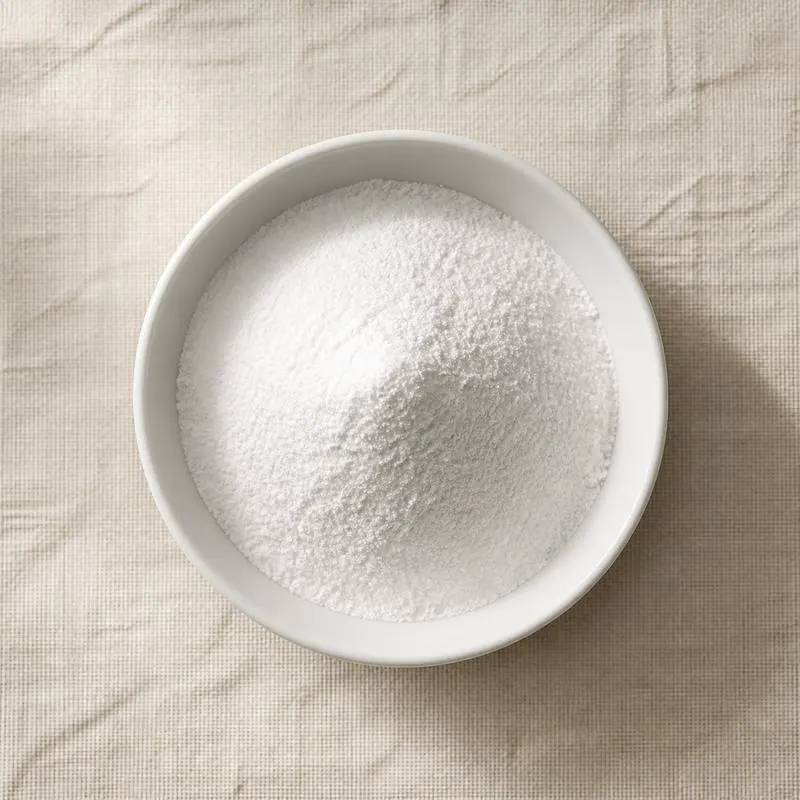
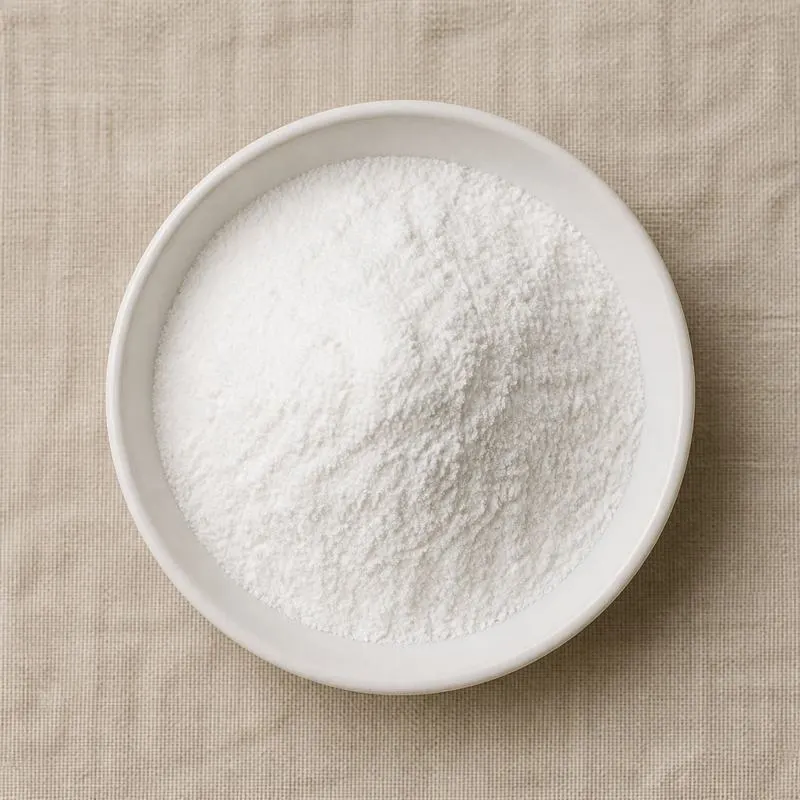
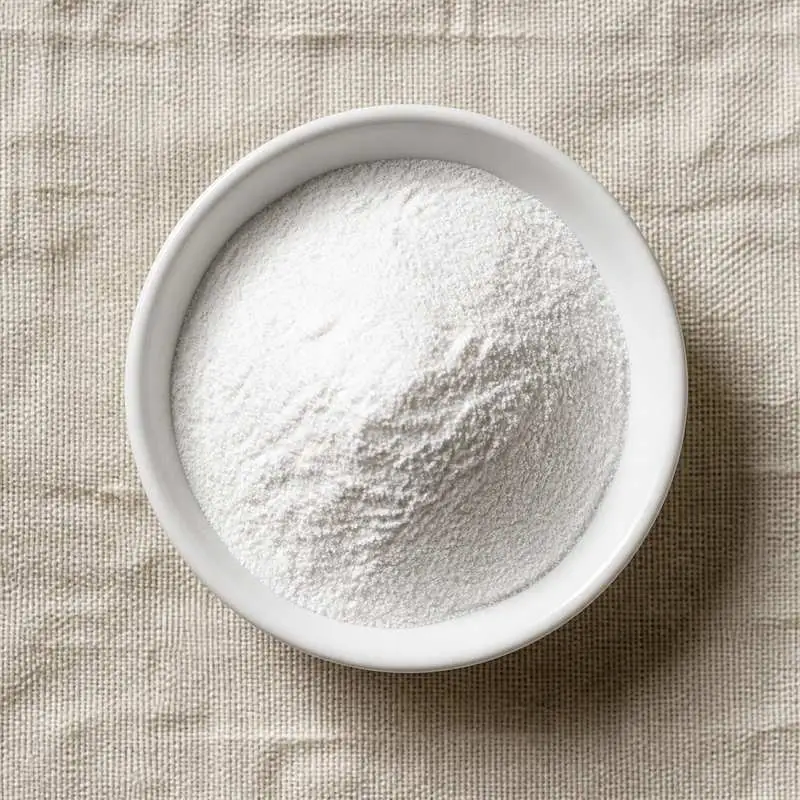
Microcrystalline Cellulose Gel is a co-processed dispersion of microcrystalline cellulose (MCC) and sodium carboxymethyl cellulose (CMC) sold as a spray-dried powder that reconstitutes into a stable thixotropic gel.
The European additive numbers are E460 for the MCC component and E466 for the CMC, which is intimately co-processed to deliver a single ingredient with cellulose-network rheology and protein-stabilising power.
We source bulk Microcrystalline Cellulose Gel from top China manufacturers for our partners. The manufacturer is in Zhejiang. A smaller requirement can ship in a combined container with other ingredients.
Please send the grade you need, the volume and your destination port, and we will come back with a solution and a price.
or call +86-21-6858 0751
- Packaging
- 25 kg kraft paper bag with PE inner liner
- ISO 9001
- HACCP
- Halal
- Kosher
Specifications
| Item | Specification |
|---|---|
| Appearance | White to off-white free-flowing powder |
| Compliance | USP/NF, EP current edition |
| Identification | Conforms to pharmacopoeial tests |
| MCC content | 75% to 92% |
| CMC-Na content | 8% to 25% |
| Loss on drying | ≤ 6.0% |
| pH (1.2% dispersion) | 6.0 to 8.0 |
| Viscosity (1.2% dispersion, 25 °C) | 40 to 200 mPa·s (grade dependent) |
| Heat stability | Stable to 120 °C |
| Lead | ≤ 2 mg/kg |
| Arsenic | ≤ 2 mg/kg |
| Heavy metals (as Pb) | ≤ 10 mg/kg |
| Particle size | Per grade specification |
| Total aerobic count | ≤ 1,000 CFU/g |
| Yeast and mould | ≤ 100 CFU/g |
| E. coli, Salmonella | Absent |
| Source | Purified wood pulp cellulose, co-processed with CMC-Na |
Common Markets Grades
Microcrystalline Cellulose Gel grades are defined by MCC:CMC ratio, particle size, and target application.
Standard food grades carry MCC:CMC ratios from 89:11 to 75:25, with the higher CMC ratios favoring easier dispersion and the lower ratios delivering firmer gel networks.
Beverage-grade powders are formulated for high shear dispersion in protein drinks, nutritional beverages, and chocolate milk, with optimised particle size for fast hydration without lumps.
Dairy and frozen-dessert grades carry tailored CMC types for cold-process applications, ice cream mixes, and aerated systems.
Pharmaceutical-grade MCC gel complies with USP, Ph. Eur., and JP monographs for microcrystalline cellulose and carboxymethyl cellulose sodium and is used as a suspending agent in oral liquid formulations.
Applications
- Chocolate milk, ready-to-drink protein beverages, and nutritional shakes for suspension stability
- Ice cream, frozen yogurt, and sherbet for body, heat-shock resistance, and creaminess
- Whipped toppings and aerated dairy desserts for foam stability and freeze-thaw performance
- Salad dressings and pourable sauces for cling, body, and oil-droplet stabilisation
- Reduced-fat dairy and dessert systems for body and mouthfeel replacement
- Bakery cream fillings, frostings, and glazes for body and freeze-thaw stability
- Plant-based dairy alternatives for stability and creaminess
- Pharmaceutical oral suspensions and topical lotions
- Cosmetic emulsion stabilisation for creams, lotions, and serums
Brands Using Microcrystalline Cellulose Gel
Widely-distributed consumer products that list Microcrystalline Cellulose Gel on the ingredient label.
- PillsburyWhipped Vanilla Frosting ↗Ingredients (2% or less): '...Modified Corn Starch, Cellulose Gel, Artificial Color, Salt, Propylene Glycol Monostearate...'Label verified 2026-05-25
- Reddi-wipFat Free Whipped Topping ↗Reddi-wip Fat Free ingredient list includes 'Cellulose Gel' under the less-than-2% items (per Reddi-wip product page / SmartLabel).Label verified 2026-05-25
Brand names, product names and logos are the property of their owners. They appear here as published evidence that the ingredient is used, taken from the brand's own label or website. Their appearance is not an endorsement, and it does not mean the brand buys from us or from any manufacturer listed on this site.
China Manufacturers of Microcrystalline Cellulose Gel
Top Microcrystalline Cellulose Gel manufacturers in China.

Company names and logos are the property of the manufacturers themselves. They are listed here because our own directory records them as producing this ingredient. A listing is not an endorsement by them, and we do not represent them or speak on their behalf.
How We Help Source Microcrystalline Cellulose Gel
Direct Factory Sourcing
We run the whole process: selecting the manufacturer from the top Chinese food ingredient producers, negotiating the price, verifying quality, and coordinating the logistics. You deal with us instead of with several factories at once.
Original Packaging and Documents from the Manufacturer
The manufacturer sends your Microcrystalline Cellulose Gel out of its own factory in the original packing, through to your destination port. The COA, COO, MSDS, TDS and any certifications reach you from the manufacturer as well.
Free Samples and Lead Time
We send 100 to 500 g free for your own laboratory to test and you cover only the courier, usually within 2 to 3 working days. ETD is usually within 7 to 15 days once the order is confirmed, and we check that date against the factory's own manufacturing schedule before we give it to you.
Combined Shipment
We can load Microcrystalline Cellulose Gel together with other ingredients such as Propylene Glycol, Colloidal Microcrystalline Cellulose and Magnesium Stearate into one 20' FCL. If your quantity is small, we can also ship LCL.
Regulatory Status
Both components of Microcrystalline Cellulose Gel have broad regulatory acceptance.
Microcrystalline cellulose carries the European additive number E460(i) and is permitted in essentially all food categories at quantum satis. Carboxymethyl cellulose sodium carries E466 with the same broad permission.
The U.S. FDA recognises both materials as GRAS, with microcrystalline cellulose under 21 CFR 182.1745 (as cellulose) and carboxymethyl cellulose under 21 CFR 182.1745 and additional listings.
JECFA has evaluated both materials and assigned ADIs not specified.
Pharmaceutical use is supported by USP, Ph. Eur., and JP monographs for both components and for the co-processed gel preparation.
Manufacturing Process
Microcrystalline Cellulose Gel is produced by co-processing MCC and CMC into a single intimate composite.
The MCC starting material is produced by controlled acid hydrolysis of purified wood pulp. The hydrolysis removes the amorphous regions of cellulose, leaving a highly crystalline residue called level-off DP cellulose.
This MCC slurry is mixed with a sodium carboxymethyl cellulose solution at the target ratio. The CMC chains adsorb onto the MCC surfaces and provide steric and electrostatic stabilisation.
The mixture is subjected to high shear processing in a colloid mill, microfluidizer, or homogeniser. This mechanical work attrits the MCC particles down to submicron and colloidal sizes while the CMC coats the new surfaces, preventing re-aggregation.
The resulting slurry is spray-dried under controlled conditions to produce a free-flowing powder that fully redisperses on hydration. The spray-drying step is critical: improper drying produces a powder that lumps on rehydration and never recovers the original gel network.