Colloidal Microcrystalline Cellulose
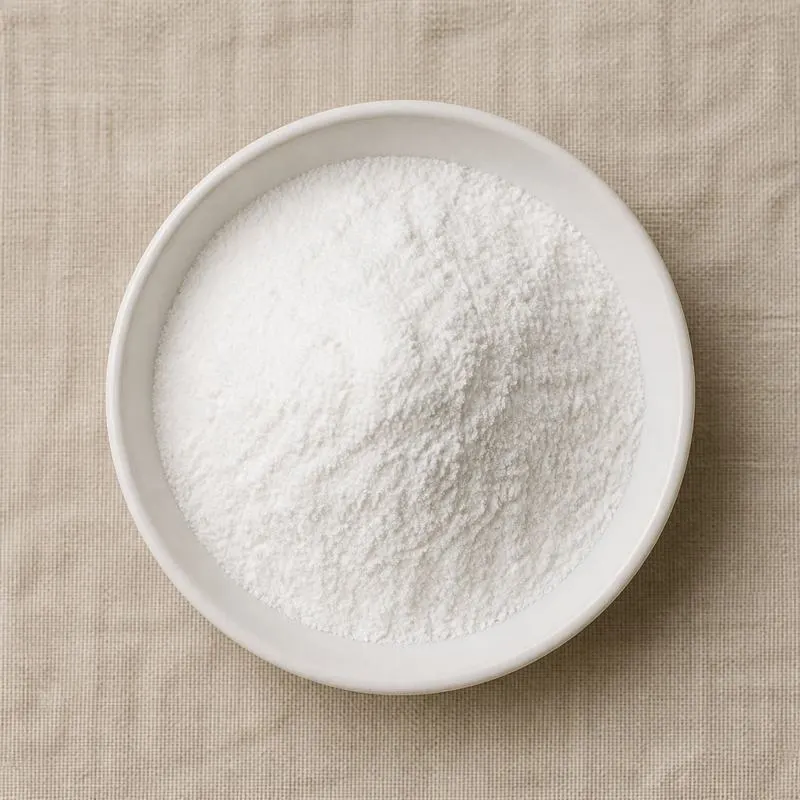
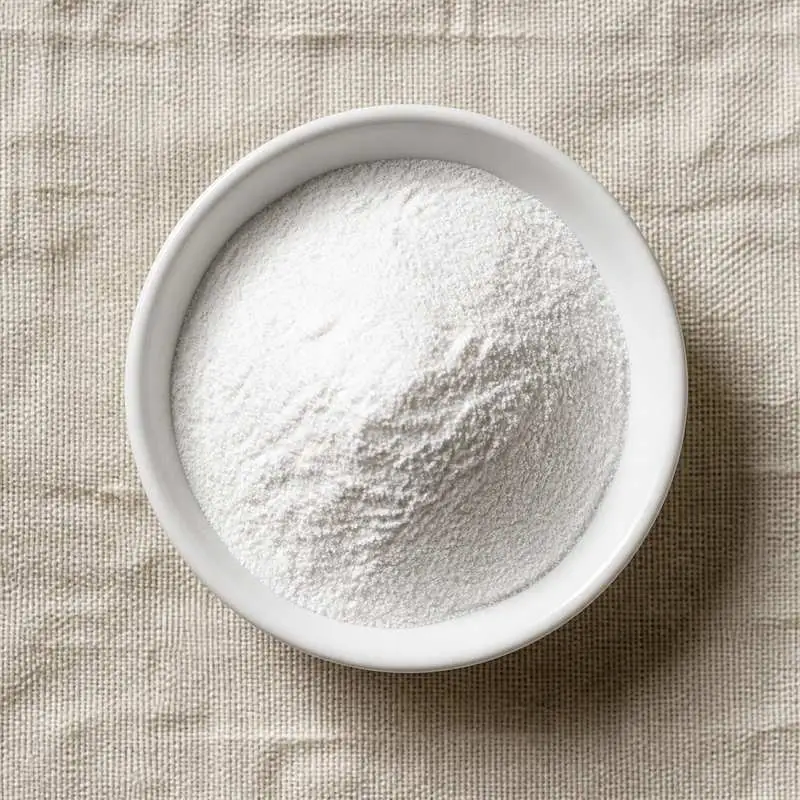
Colloidal Microcrystalline Cellulose is a finely processed grade of microcrystalline cellulose engineered to disperse into a stable, colloidal suspension on hydration.
The usual commercial form is a spray-dried composite of MCC with a hydrocolloid coating (most often sodium carboxymethyl cellulose), and it serves as a clean-label suspension stabiliser, viscosity modifier, and fat replacer across food, beverage, pharmaceutical, and personal care applications.
We source bulk Colloidal Microcrystalline Cellulose from top China manufacturers for our partners. The manufacturer is in Heilongjiang. A smaller requirement can ship in a combined container with other ingredients.
Please send the grade you need, the volume and your destination port, and we will come back with a solution and a price.
or call +86-21-6858 0751
- Packaging
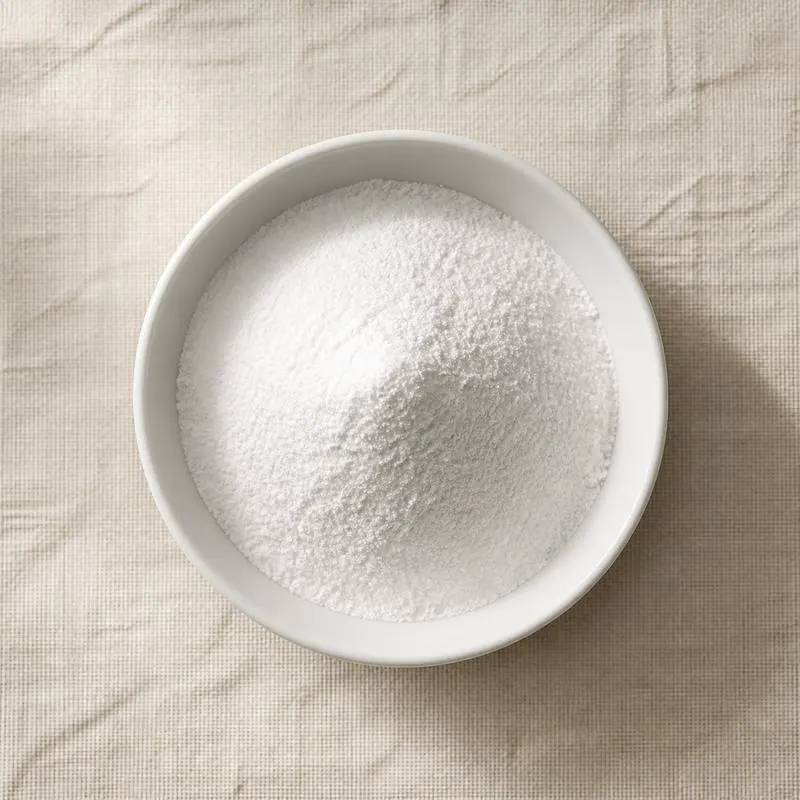
- 25 kg kraft paper bag with PE inner liner
- ISO 9001
- HACCP
- Halal
- Kosher
Specifications
| Item | Specification |
|---|---|
| Appearance | White to off-white powder |
| Compliance | USP/NF, EP current edition |
| Identification | Conforms to pharmacopoeial tests |
| Microcrystalline cellulose content | ≥ 85.0% |
| CMC-Na content | 8% to 18% |
| Loss on drying | ≤ 8.0% |
| pH (1.2% dispersion) | 6.0 to 8.0 |
| Viscosity (1.2% dispersion, 25 °C) | 40 to 200 mPa·s (grade dependent) |
| Colloidal fraction | ≥ 60% |
| Heat stability | Stable to 120 °C |
| Particle size (D50, dispersed) | ≤ 5 microns |
| Heavy metals (as Pb) | ≤ 10 mg/kg |
| Arsenic | ≤ 3 mg/kg |
| Total aerobic count | ≤ 1,000 CFU/g |
| Yeast and mould | ≤ 100 CFU/g |
| E. coli, Salmonella | Absent |
| Source | Purified wood pulp cellulose, co-processed with CMC-Na |
Common Markets Grades
Colloidal Microcrystalline Cellulose grades are defined by composition, dispersion behaviour, and target rheology.
Beverage-grade colloidal MCC is optimised for high-shear dispersion in protein drinks and nutritional beverages, delivering long-term particle suspension without sedimentation.
Dairy and frozen-dessert grades carry tailored coating chemistry for cold-process applications and aerated systems.
Acidic-system grades are formulated to tolerate the low pH of fruit-based and dairy-acid beverages without losing the colloidal network.
High-purity pharmaceutical grades meet the USP, Ph. Eur., and JP monographs for microcrystalline cellulose and the relevant cellulose gum monographs, with tight microbial and impurity specifications for oral suspension and topical use.
Activator grades are pre-activated by partial hydration and spray-drying, allowing low-shear processes to develop the full colloidal network.
Applications
- Ready-to-drink protein beverages and meal replacement shakes for suspension stability
- Chocolate milk and flavoured dairy beverages for cocoa-particle suspension
- Plant-based dairy alternatives including almond, oat, soy, and pea-based beverages
- Nutritional supplement beverages with insoluble actives
- Liquid infant formula and clinical nutrition emulsions
- Ice cream, sherbet, and frozen yogurt for body and heat-shock resistance
- Whipped toppings, mousses, and aerated dairy desserts for foam stability
- Reduced-fat dressings, sauces, and mayonnaise for body and cling
- Pharmaceutical oral suspensions including antibiotic, antacid, and pediatric syrups
- Topical pharmaceutical and cosmetic creams, lotions, and emulsions
Brands Using Colloidal Microcrystalline Cellulose
Widely-distributed consumer products that list Colloidal Microcrystalline Cellulose on the ingredient label.
- PillsburyWhipped Vanilla Frosting ↗Ingredients (2% or less): '...Cellulose Gel...' (Cellulose Gel is the consumer label name for colloidal microcrystalline cellulose / co-processed MCC+CMC).Label verified 2026-05-25
- Reddi-wipFat Free Whipped Topping ↗Fat Free Reddi-wip ingredient list includes 'Cellulose Gel' (colloidal MCC) under less-than-2% items.Label verified 2026-05-25
Brand names, product names and logos are the property of their owners. They appear here as published evidence that the ingredient is used, taken from the brand's own label or website. Their appearance is not an endorsement, and it does not mean the brand buys from us or from any manufacturer listed on this site.
China Manufacturers of Colloidal Microcrystalline Cellulose
Top Colloidal Microcrystalline Cellulose manufacturers in China.

Company names and logos are the property of the manufacturers themselves. They are listed here because our own directory records them as producing this ingredient. A listing is not an endorsement by them, and we do not represent them or speak on their behalf.
How We Help Source Colloidal Microcrystalline Cellulose
Direct Factory Sourcing
We run the whole process: selecting the manufacturer from the top Chinese food ingredient producers, negotiating the price, verifying quality, and coordinating the logistics. You deal with us instead of with several factories at once.
Original Packaging and Documents from the Manufacturer
The manufacturer sends your Colloidal Microcrystalline Cellulose out of its own factory in the original packing, through to your destination port. The COA, COO, MSDS, TDS and any certifications reach you from the manufacturer as well.
Free Samples and Lead Time
We send 100 to 500 g free for your own laboratory to test and you cover only the courier, usually within 2 to 3 working days. ETD is usually within 7 to 15 days once the order is confirmed, and we check that date against the factory's own manufacturing schedule before we give it to you.
Combined Shipment
We can load Colloidal Microcrystalline Cellulose together with other ingredients such as Propylene Glycol, Magnesium Stearate and Microcrystalline Cellulose Gel into one 20' FCL. If your quantity is small, we can also ship LCL.
Regulatory Status
Colloidal Microcrystalline Cellulose carries the regulatory status of its components.
Microcrystalline cellulose carries the European additive number E460(i) and is permitted at quantum satis in essentially all food categories. The co-processing aid carries its own listing: E466 for carboxymethyl cellulose sodium, E412 for guar, E401 for sodium alginate.
The U.S. FDA recognises microcrystalline cellulose and the common co-processing hydrocolloids as GRAS for general food use.
JECFA has evaluated microcrystalline cellulose and assigned an ADI not specified, with the same status applied to most of the co-processing partners.
Pharmaceutical use is supported by separate USP, Ph. Eur., and JP monographs for microcrystalline cellulose and the relevant cellulose gum or hydrocolloid components.
Manufacturing Process
Colloidal Microcrystalline Cellulose begins with the production of standard MCC by controlled acid hydrolysis of purified wood pulp.
The wood pulp is treated with dilute mineral acid at elevated temperature. The acid removes the amorphous regions of the cellulose fibre while leaving the crystalline regions intact. The product is washed extensively to remove acid and degradation products.
To make the colloidal grade, the MCC is slurried with a co-processing aid such as sodium carboxymethyl cellulose, guar, or alginate. The slurry is subjected to intense mechanical work in a colloid mill, microfluidizer, or high-pressure homogeniser.
This shear processing fractures the MCC particles down to submicron sizes, exposing massive new surface area. The co-processing aid immediately adsorbs onto these new surfaces, preventing the particles from re-aggregating into the dense crystallites that resist dispersion.
The stabilised colloidal slurry is spray-dried to a free-flowing powder. The drying conditions are critical: too aggressive and the particles fuse irreversibly; too gentle and the powder fails to redisperse fully on rehydration.