Pharmaceutical Excipients
4 ingredients from 4 Chinese manufacturers
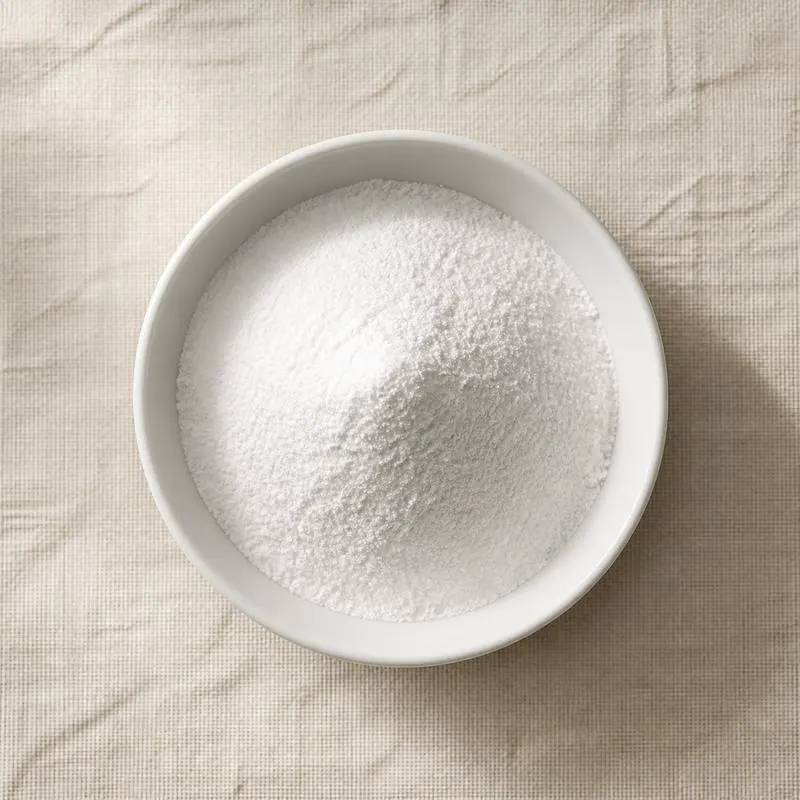
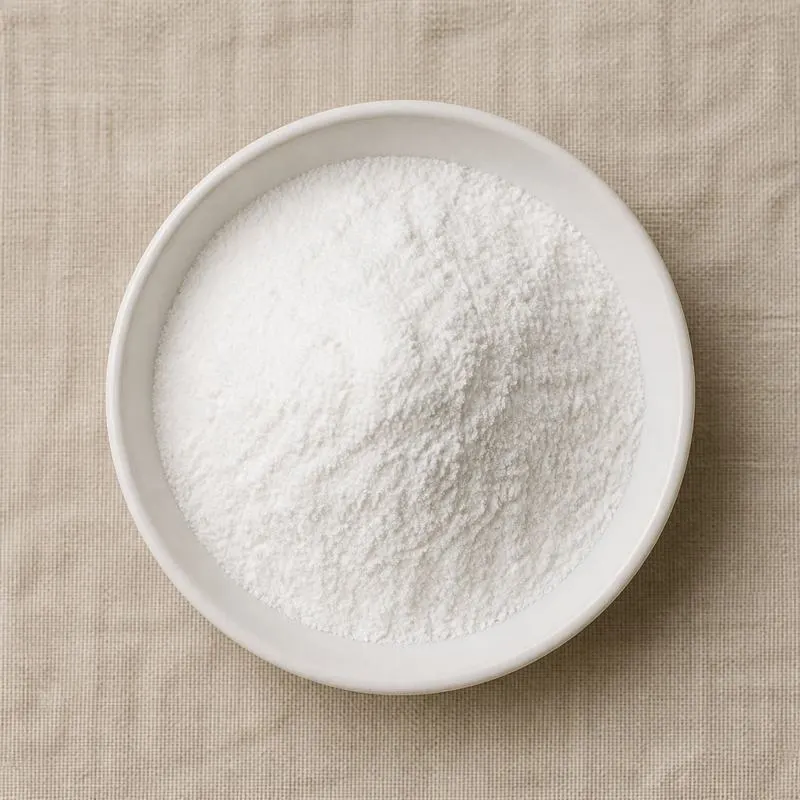
Excipients carry an active ingredient rather than act themselves, so they are judged on physical behaviour and on documentation. Magnesium Stearate is a lubricant used at low levels to stop tablet material sticking to punches and dies, and its specific surface area and fatty acid ratio, mainly stearate against palmitate, change both flow and how far it slows disintegration. Microcrystalline cellulose is the standard dry binder and filler, graded by particle size and moisture.
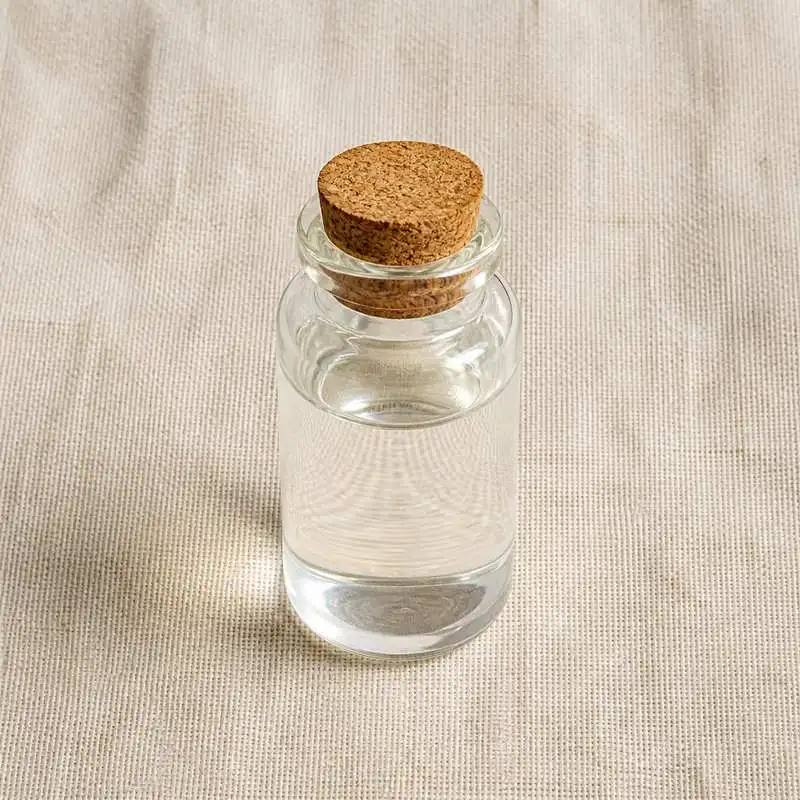
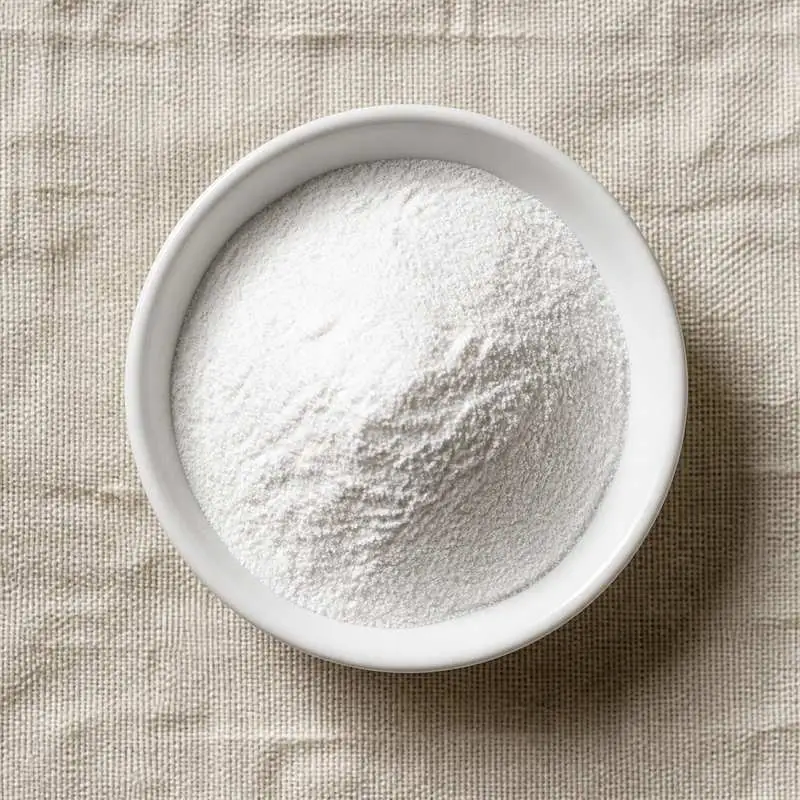
Colloidal Microcrystalline Cellulose and Microcrystalline Cellulose Gel are the co processed forms, cellulose milled together with a soluble hydrocolloid so that the particles disperse in water and hold a suspension instead of settling, which is what makes them useful in liquid dosage forms and in dairy drinks. Propylene Glycol is a solvent and humectant, supplied at pharmaceutical grade with tight limits on diethylene glycol.
Sourcing from China
Microcrystalline cellulose is made from wood pulp and cotton linter, with capacity in Shandong and Zhejiang. Magnesium stearate comes from a scattered group of small plants, and the vegetable or animal origin of the stearic acid should be stated in writing. Propylene glycol is a petrochemical product from large plants in Shandong and Jiangsu, and the pharmaceutical grade has to be bought as such, with a diethylene glycol result on the certificate. Compliance with a recognised pharmacopoeia monograph and an audited site are the practical separators.
All Pharmaceutical Excipients
Manufacturers of Pharmaceutical Excipients
- Huzhou City Linghu Xinwang Chemical Co., Ltd.Huzhou, Zhejiang · 2 in this category
- Mudanjiang Linrun Pharmaceutical Excipients LLC.Mudanjiang, Heilongjiang · 1 in this category
- Qingdao Bright Moon Seaweed Group Co., Ltd.Qingdao, Shandong · 1 in this category
- Shijiazhuang Donghua Jinlong Chemical Co., Ltd.Shijiazhuang, Hebei