Quinoa Oligopeptide
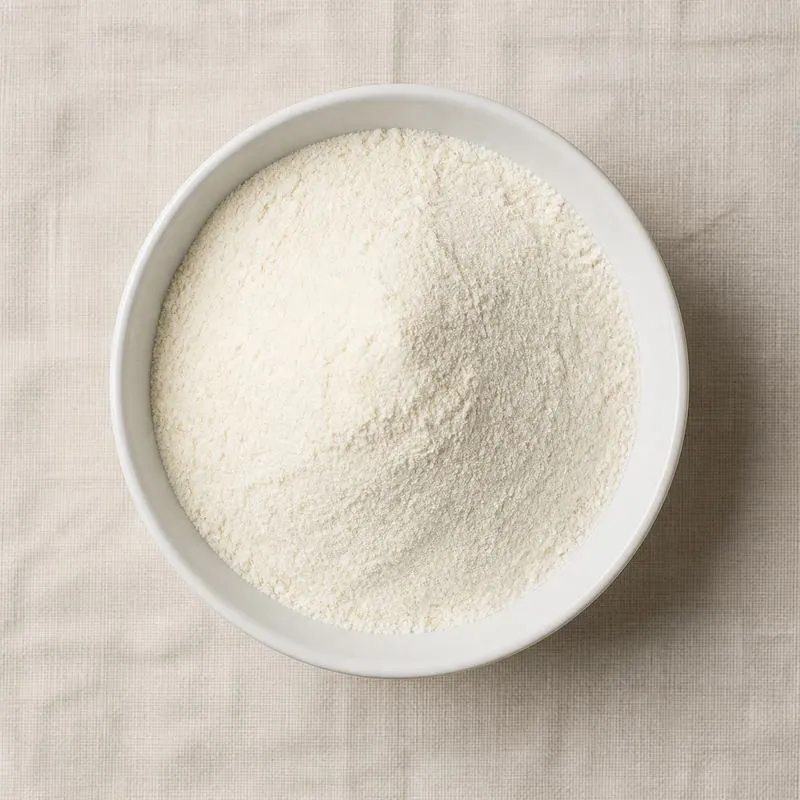
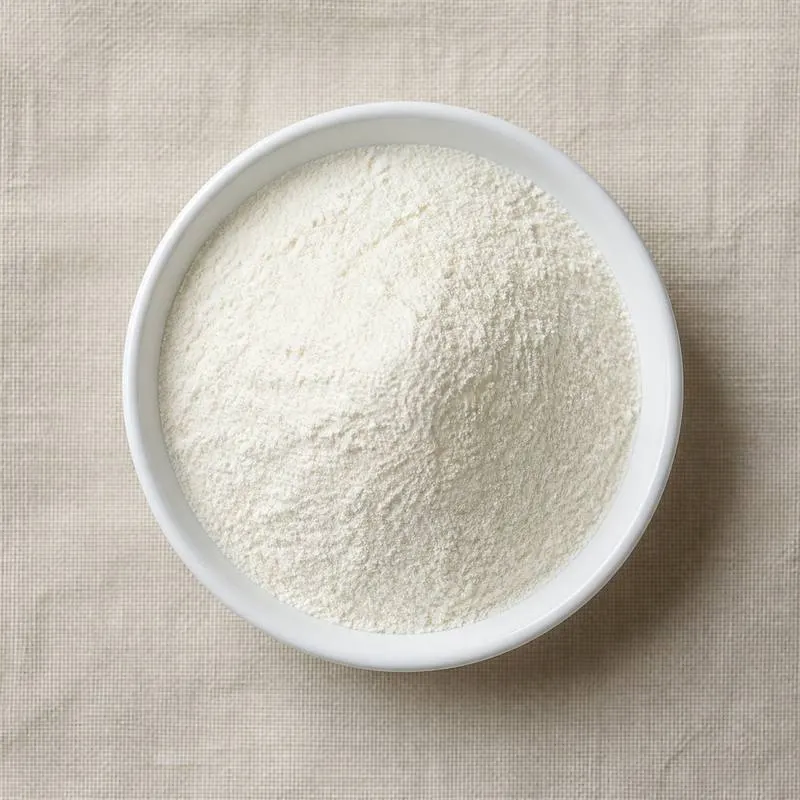
Quinoa oligopeptide is an enzymatic hydrolysate of quinoa protein, from the seed of Chenopodium quinoa, cut to peptides mostly below 1000 Daltons and dried into a freely soluble powder.
Quinoa protein is notable among plant proteins for its amino acid balance. It is comparatively rich in lysine, the residue that limits most cereal proteins, and adequate in the sulphur amino acids that limit most pulse proteins, so a hydrolysate made from it does not carry the profile gap that soy or pea peptides do. The protein itself is mostly the 11S globulin chenopodin with a smaller albumin fraction, concentrated in the germ, which wraps around the perisperm and is where much of the seed's protein sits.
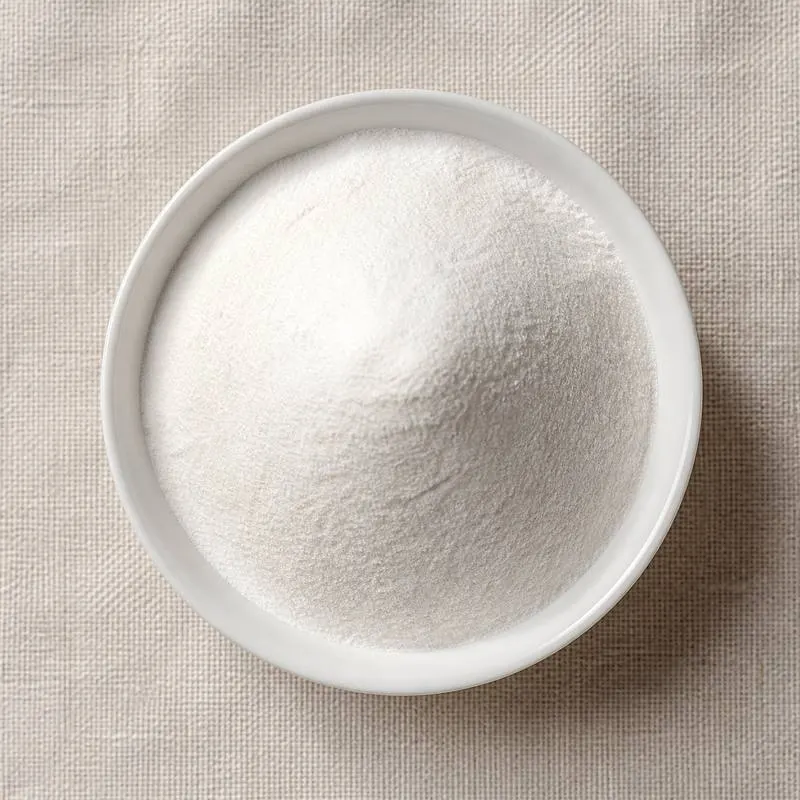
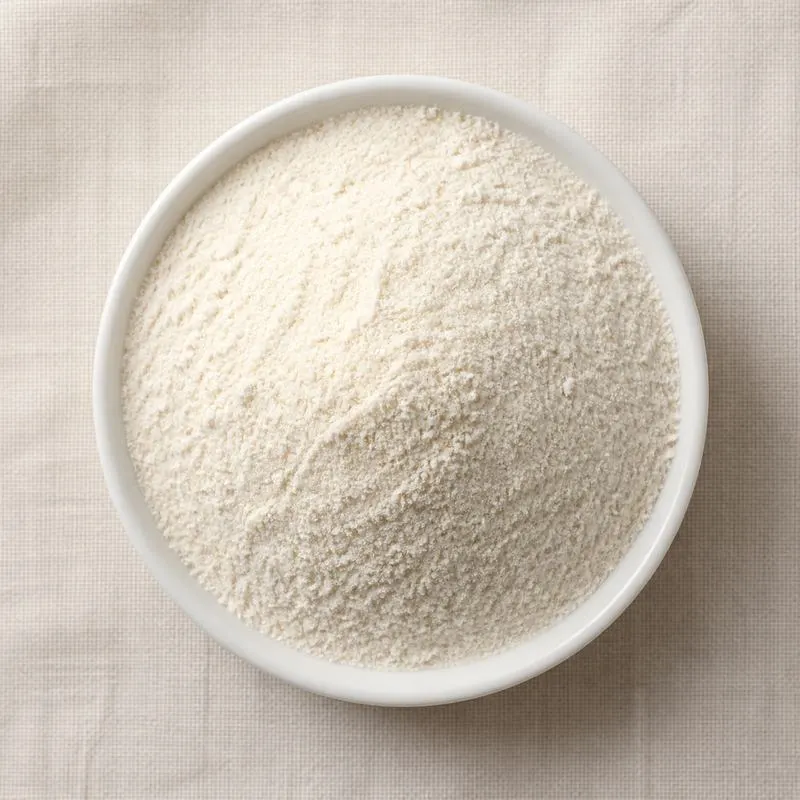
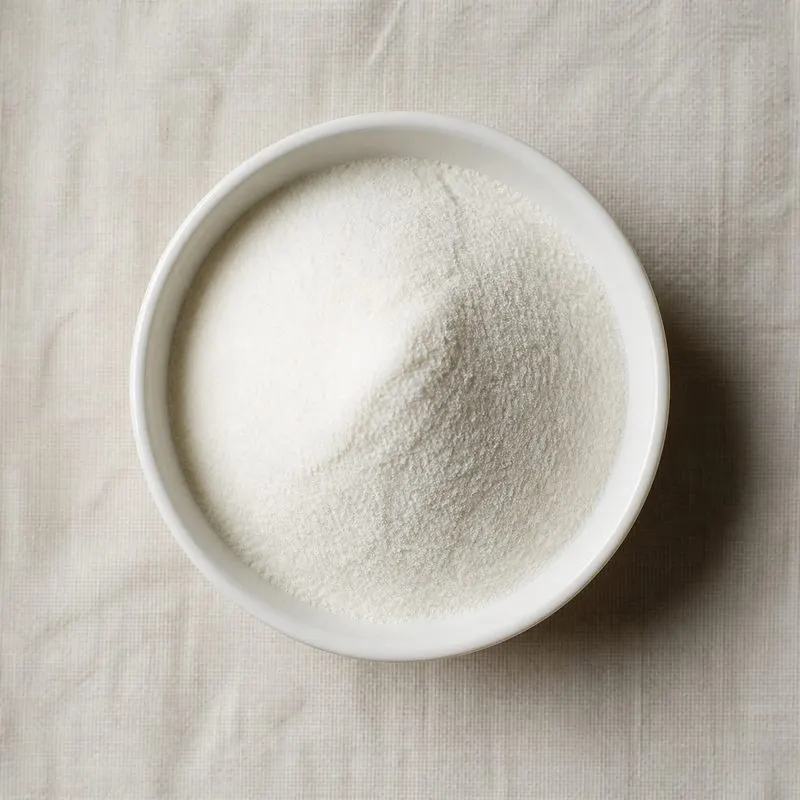
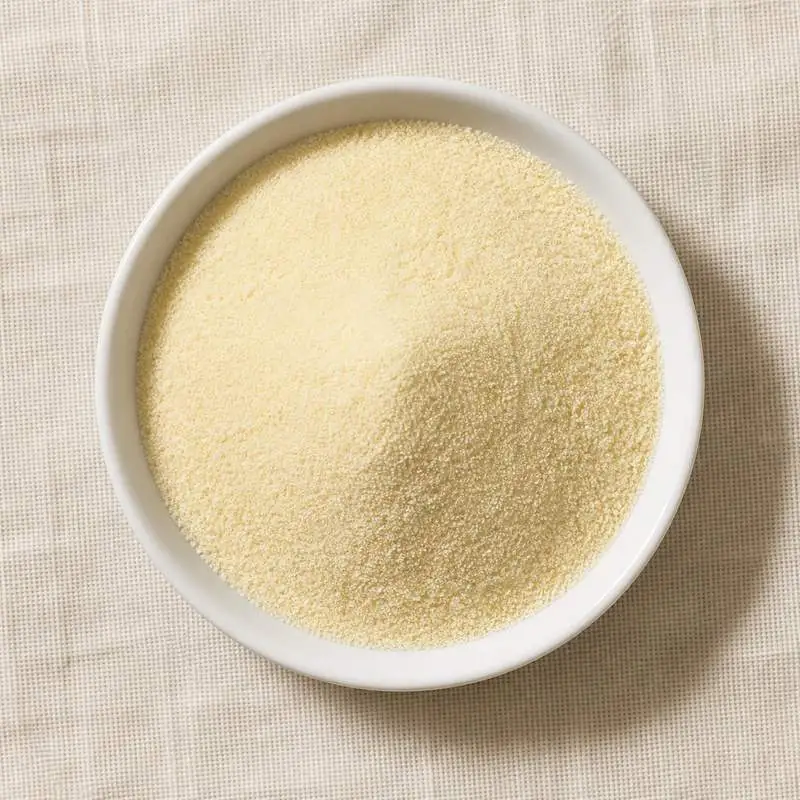
The commercial powder is white to light yellow, dissolves rapidly and completely in cold and hot water, and gives clear low viscosity solutions that hold through the acid pH range and survive pasteurisation. Flavour is mild and faintly cereal like, with the bitterness typical of a deep hydrolysate. One raw material issue decides processing throughout: the saponins of the seed coat, which are intensely bitter and must be washed or abraded away before the protein is extracted rather than removed afterwards.
We source bulk Quinoa Oligopeptide from top China manufacturers for our partners. The manufacturer is in Shanxi. A smaller requirement can ship in a combined container with other ingredients.
Please send the grade you need, the volume and your destination port, and we will come back with a solution and a price.
or call +86-21-6858 0751
- Function
- Protein
Specifications
| Item | Specification |
|---|---|
| Appearance | White to light yellow fine powder |
| Odour and Taste | Mild cereal note, slightly bitter, free from foreign odour |
| Protein (N x 6.25, dry basis) | Minimum 80.0% |
| Peptide Content (dry basis) | Minimum 60.0% |
| Molecular Weight below 1000 Da | Minimum 85.0% |
| Solubility (1% in water) | Minimum 95.0% |
| Residual Saponins | Maximum 0.05% |
| Loss on Drying | Maximum 7.0% |
| Ash | Maximum 8.0% |
| pH (1% solution) | 6.0 to 7.5 |
| Lead | Maximum 0.5 mg/kg |
| Arsenic | Maximum 0.5 mg/kg |
| Total Plate Count | Maximum 10,000 cfu/g |
| Escherichia coli and Salmonella | Absent in 25 g |
Common Markets Grades
Grades follow molecular weight and protein content. Oligopeptide grade holds 85 percent or more of peptide mass below 1000 Daltons at 80 percent or more protein on a dry basis, while a general hydrolysate grade is cut less far and sits below that in both price and dissolution speed. Degree of hydrolysis is specified directly where a buyer is formulating around a defined absorption profile.
Feedstock is the second axis. Peptide made from a purified quinoa protein isolate is paler and lower in ash than peptide made directly from dehulled quinoa flour or from the germ rich fraction separated during milling. Residual saponin content is a stated attribute in every grade, since incomplete desaponification carries through as bitterness that no amount of debittering downstream will fully mask. Organic certified material is common, given the origin of much of the crop, and non genetically modified status is automatic, since no genetically modified quinoa is grown commercially.
Applications
- Protein fortified clear beverages and functional waters, where solubility at low pH is the deciding property
- Sports and recovery formats positioned on rapid absorption and on the completeness of the amino acid profile
- Plant protein blends, used to correct the lysine gap of cereal proteins without adding soy
- Clinical, enteral and elderly nutrition, where short peptides ease the digestive load of intact protein
- Hypoallergenic formulations avoiding dairy, soy, wheat and peanut protein
- Capsule, tablet and sachet supplements sold on a plant peptide positioning
- Instant powders and meal replacements requiring complete cold water dissolution
- Functional jellies and gummies, adding protein without disturbing the gelling system
- Cosmetic essences and hair care, where small plant peptides act as film forming and conditioning agents
- Fermentation and cell culture media, used as a plant derived nitrogen source in place of animal peptone
China Manufacturers of Quinoa Oligopeptide
Top Quinoa Oligopeptide manufacturers in China.
Company names and logos are the property of the manufacturers themselves. They are listed here because our own directory records them as producing this ingredient. A listing is not an endorsement by them, and we do not represent them or speak on their behalf.
Regulatory Status
In the United States quinoa is a conventional food with a long history of consumption, and protein and peptide preparations made from it by established extraction and hydrolysis are used as food ingredients under good manufacturing practice, with supplement applications falling under the Dietary Supplement Health and Education Act. Quinoa is not among the major food allergens requiring declaration under the Food Allergen Labelling and Consumer Protection Act, and the Food and Drug Administration requires a protein hydrolysate to be labelled by its source protein rather than generically.
In the European Union quinoa seed was consumed to a significant degree before the novel food cut off date and is treated as a conventional food, which extends to protein isolated from it by ordinary means. A supplier should nonetheless be able to show that position for a deeply hydrolysed and fractionated oligopeptide preparation, since a substantially new production process can bring a product within the scope of Regulation (EU) 2015/2283. Quinoa is not listed in Annex II of Regulation (EU) No 1169/2011, so no allergen emphasis applies. No E number is involved, since the material is an ingredient rather than an additive, and the enzymes used must be permitted processing aids in the market of sale. Codex addresses the category through its standard for vegetable protein products and maintains a separate standard for quinoa grain itself.
Manufacturing Process
Quinoa seed is first desaponified, since the saponins concentrated in the pericarp are bitter enough to ruin any downstream product. This is done by dry abrasion, polishing the outer layer off the seed, by washing in water, or by a combination of the two, with the saponin bearing wash water treated separately. The desaponified seed is dried and milled, and where the germ is separated during milling the germ rich fraction is used preferentially because of its higher protein content.
The meal is dispersed in water and brought to pH 8 to 9 with food grade alkali so that the globulins dissolve while starch and fibre remain insoluble and are removed on decanter centrifuges and hydrocyclones, with the starch recovered as a separate stream. The protein liquor is acidified to the isoelectric region near pH 4.5, where the protein flocculates, and the curd is washed and neutralised. Hydrolysis then runs at 50 to 60 degrees Celsius under controlled pH, with a bacterial endoprotease opening the chains and an exopeptidase preparation trimming the hydrophobic terminal residues that cause bitterness, driven further than a standard hydrolysate because the product is specified as an oligopeptide. The enzymes are heat inactivated, the digest is centrifuged and carbon treated, then nanofiltered, since a membrane cut this fine is needed to hold peptides below 1000 Daltons while removing salts. The purified liquor is concentrated under vacuum, pasteurised and spray dried.