Peanut Protein
Peanut Protein is a defatted protein concentrate or isolate produced from Arachis hypogaea kernels, with protein content typically ranging from 50 to 90 percent on a dry basis.
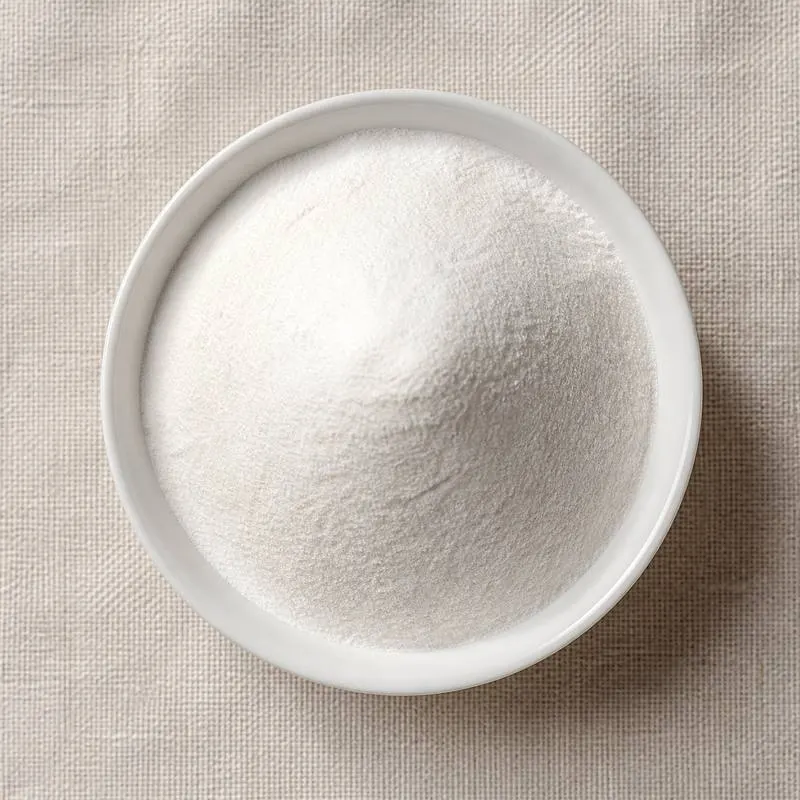
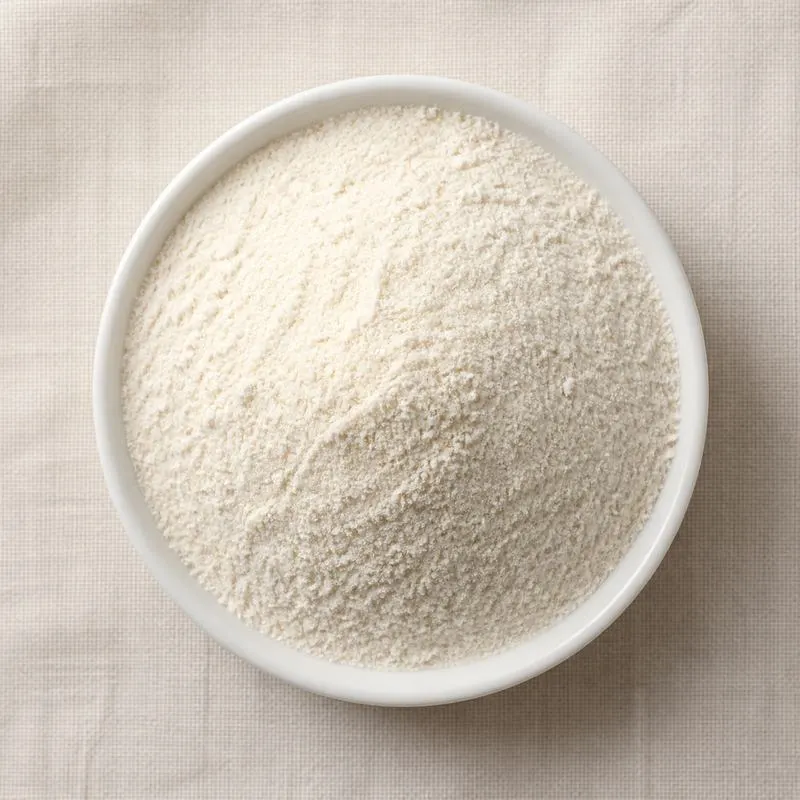
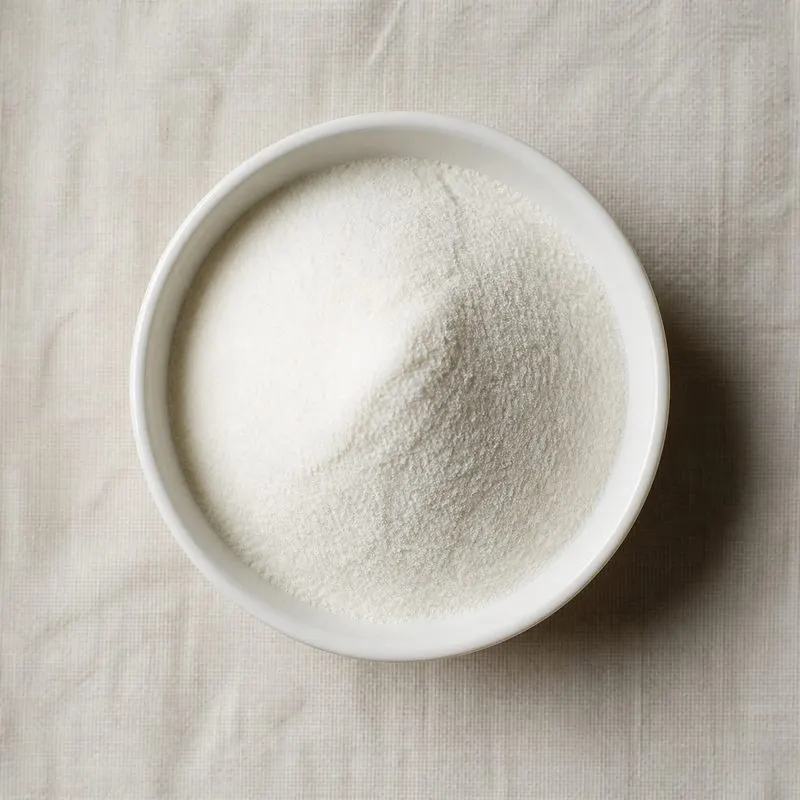
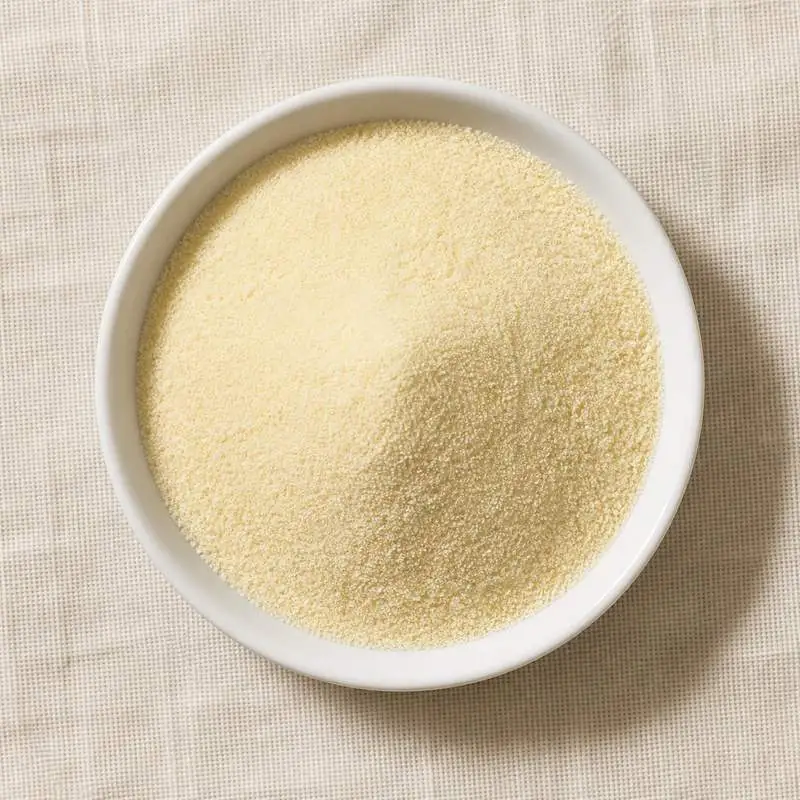
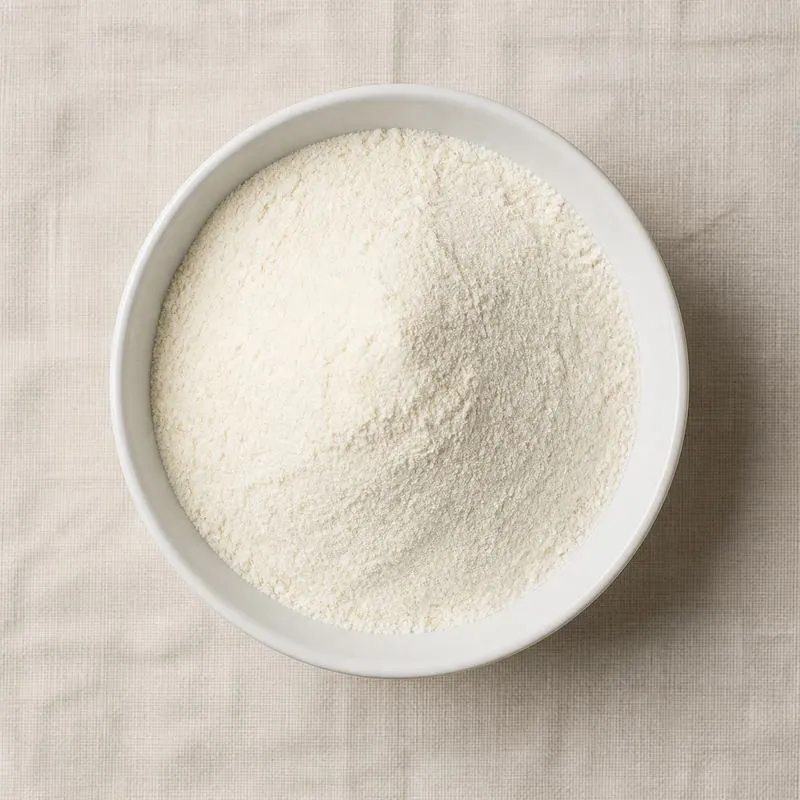
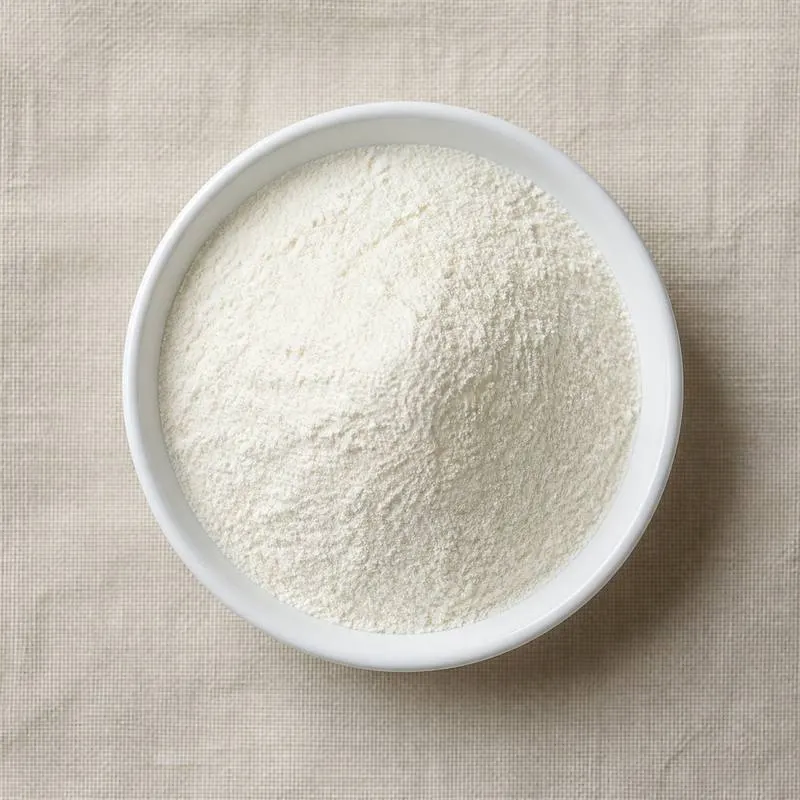
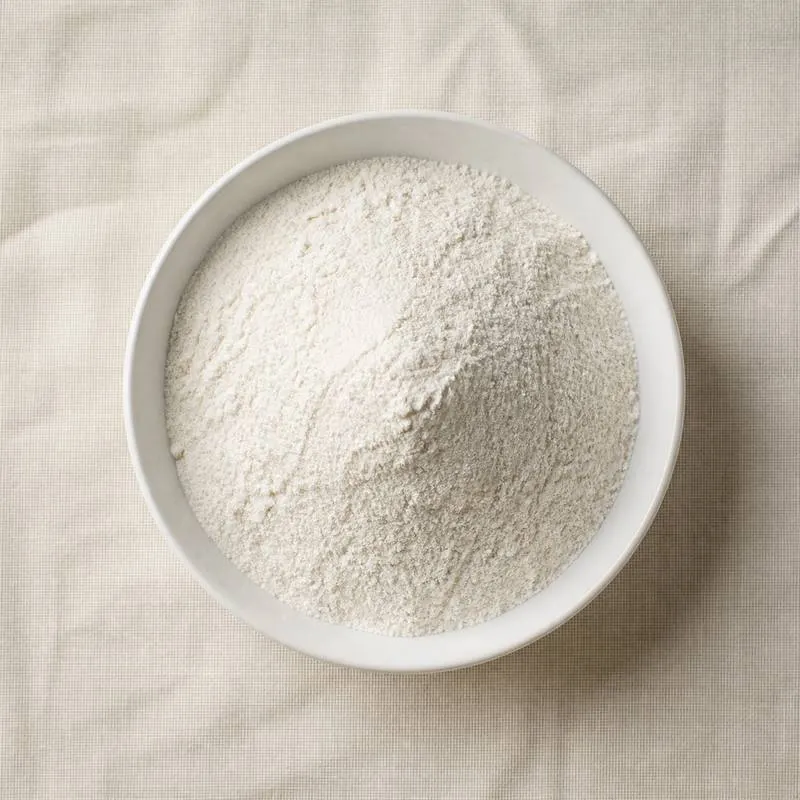
The powder is pale tan to light brown with a characteristic peanut aroma. Higher-purity isolates carry a milder flavour and lighter colour.
Peanut protein is a confirmed major food allergen and triggers mandatory labelling in the United States, the European Union, China, and most regulated markets.
We source bulk Peanut Protein from top China manufacturers for our partners. The manufacturers are in Henan and Shandong. A smaller requirement can ship in a combined container with other ingredients.
Please send the grade you need, the volume and your destination port, and we will come back with a solution and a price.
or call +86-21-6858 0751
- Packaging
- 25 kg kraft paper bag with PE inner liner
- ISO 9001
- HACCP
- Halal
- Kosher
Specifications
Grades / Types Available: Food Grade, Feed Grade
| Item | Specification |
|---|---|
| Appearance | Light yellow to cream fine powder |
| Protein (dry basis) | 50–90% (grade-dependent) |
| Fat (residual) | ≤8.0% |
| Moisture | ≤7.0% |
| Ash | ≤6.0% |
| Fibre | ≤4.0% |
| pH (1% sol.) | 6.0–7.5 |
| Solubility | ≥75% |
| Aflatoxin B1 | ≤5 μg/kg |
| Heavy Metals (as Pb) | ≤2 mg/kg |
| Total Plate Count | ≤10,000 cfu/g |
| Salmonella | Absent in 25g |
| Purity (Food Grade) | 90% |
| Moisture/Loss on Drying | <8% |
| Particle Size/Mesh | 80 mesh |
| Lead | <0.5 ppm |
| Arsenic | <0.5 ppm |
| Yeast & Mold | <100 cfu/g |
Common Markets Grades
Peanut Protein is graded by protein content and by the residual flavour and colour of the powder.
The 50 percent concentrate is the basic grade and is used in bakery, snack, and pet food applications where roasted peanut flavour is welcomed.
The 70 to 75 percent concentrate is the most widely traded grade. It serves bakery, beverage, and nutrition formats.
The 85 to 90 percent isolate is produced by alkaline extraction and isoelectric precipitation. It is used in protein bars, beverages, and meat analogues where higher protein density and cleaner flavour are required.
Light-roast and deep-roast grades are produced for flavour-forward applications. Defatted peanut flour at 50 percent protein is also widely available for bakery use.
Applications
- Protein bars, energy bars, and snack bites with peanut-forward flavour profiles
- Bakery products including cookies, cakes, breads, and high-protein muffins
- Confectionery: peanut butter cups, nougats, and chocolate inclusions
- Plant-based meat analogues for binding, texture, and protein density
- Meal replacement and weight-management beverage mixes
- Breakfast cereals, granolas, and instant oat blends
- Sports nutrition powders and ready-to-drink shakes
- Frozen desserts, ice creams, and dairy-free alternatives
- Sauces, dressings, and savory mixes including satay and African stews
- Pet food and treats for protein fortification and flavour
- Clinical and medical nutrition products for adult protein needs
Brands Using Peanut Protein
Widely-distributed consumer products that list Peanut Protein on the ingredient label.
- PB2 Foods (Bell Plantation)PB2 Original Powdered Peanut Butter ↗PB2 Original is made from roasted peanuts pressed to remove most of the oil, then ground into a defatted peanut flour with sugar and salt; the peanut-flour base is the protein source.Label verified 2026-05-24
- PB2 Foods (Bell Plantation)PB2 Performance Peanut Protein with Dutch Cocoa ↗PB2 Performance Peanut Protein delivers 20 g of complete plant-based protein per serving from a defatted roasted peanut protein base combined with brown rice protein.Label verified 2026-05-24
- Crazy Richard'sCrazy Richard's 100% Peanuts Peanut Powder (2 lb bag) ↗Crazy Richard's Peanut Powder is a single-ingredient defatted peanut flour made from 100% US-grown peanuts with no additives, fillers, salt or sugar; ~90% less fat than peanut butter.Label verified 2026-05-24
- Crazy Richard'sCrazy Richard's 100% Peanuts Peanut Powder (6.5 oz jar) ↗Crazy Richard's pure peanut powder, jar size; defatted peanut protein powder with peanuts as the only ingredient.Label verified 2026-05-24
Brand names, product names and logos are the property of their owners. They appear here as published evidence that the ingredient is used, taken from the brand's own label or website. Their appearance is not an endorsement, and it does not mean the brand buys from us or from any manufacturer listed on this site.
China Manufacturers of Peanut Protein
Top Peanut Protein manufacturers in China.
- Anyang Tianxiangrui Food Technology Co., Ltd.3 ingredients in the directory
 Qingdao Changshou Foods Co., Ltd.3 ingredients in the directory
Company names and logos are the property of the manufacturers themselves. They are listed here because our own directory records them as producing this ingredient. A listing is not an endorsement by them, and we do not represent them or speak on their behalf.
How We Help Source Peanut Protein
Direct Factory Sourcing
We run the whole process: selecting the manufacturer from the top Chinese food ingredient producers, negotiating the price, verifying quality, and coordinating the logistics. You deal with us instead of with several factories at once.
Original Packaging and Documents from the Manufacturer
The manufacturer sends your Peanut Protein out of its own factory in the original packing, through to your destination port. The COA, COO, MSDS, TDS and any certifications reach you from the manufacturer as well.
Free Samples and Lead Time
We send 100 to 500 g free for your own laboratory to test and you cover only the courier, usually within 2 to 3 working days. ETD is usually within 7 to 15 days once the order is confirmed, and we check that date against the factory's own manufacturing schedule before we give it to you.
Combined Shipment
We can load Peanut Protein together with other ingredients such as Collagen Peptide, Soy Protein Isolate and Fish Collagen Peptide into one 20' FCL. If your quantity is small, we can also ship LCL.
Regulatory Status
Peanut Protein is a regulated major food allergen in essentially every commercial market.
The United States requires peanut to be declared under the Food Allergen Labelling and Consumer Protection Act. The European Union requires declaration under Regulation EU 1169/2011, Annex II.
Aflatoxin limits apply to the raw peanut feedstock and carry through to the finished protein. The European Union limit for B1 in peanuts intended for direct human consumption is 2 micrograms per kilogram.
The ingredient itself is treated as a conventional food and is not subject to additive listings. Self-affirmed GRAS status is the typical US route.
Organic, Kosher, and Halal certifications exist. The ingredient is naturally vegan and gluten-free, but dedicated allergen-controlled lines and full traceability are essential.
Manufacturing Process
Peanut Protein is produced from blanched peanut kernels that have been screened for aflatoxin and moisture.
The kernels are mechanically pressed or solvent-extracted with food-grade hexane to remove most of the oil. The resulting defatted meal carries 45 to 55 percent protein.
For concentrate production, the meal is milled, optionally washed to remove soluble carbohydrates, and dried.
For isolate production, the meal is extracted with mild alkali to dissolve protein, clarified by centrifugation, precipitated near pH 4.5, washed, neutralised, and spray-dried.
Final powders are blended for uniformity, screened to remove oversize particles, and packed in food-grade containers, typically with metal-detection and aflatoxin screening at the finishing line.