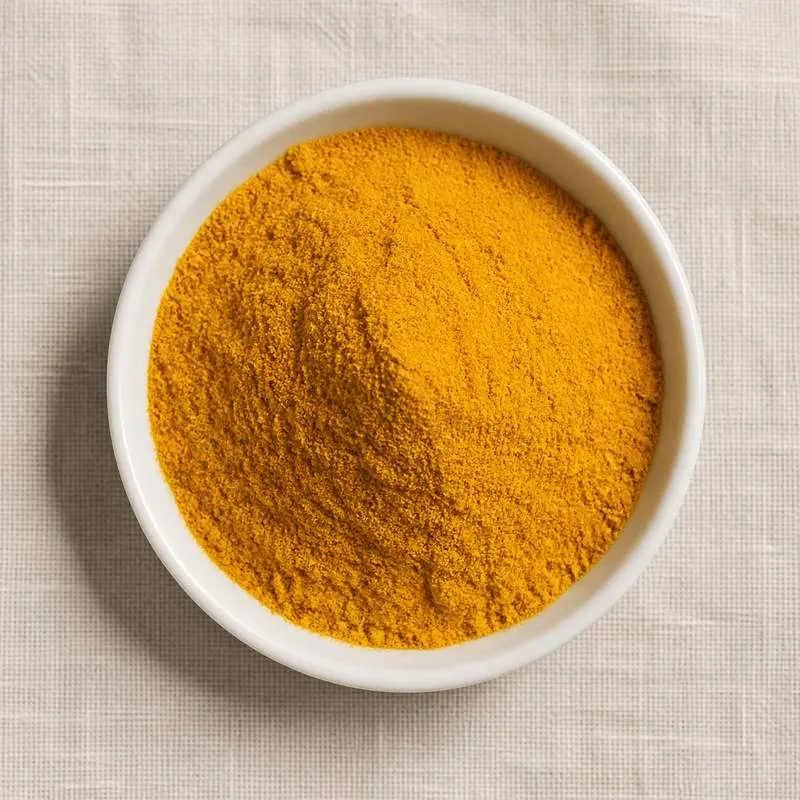
Red Ginseng
Red Ginseng is the steamed and dried root of Panax ginseng, prepared in the traditional Korean manner that converts pale fresh root into a translucent reddish-brown drug substance.
The single round of steaming distinguishes it from white ginseng (sun-dried only) and from black ginseng (nine times steamed). The process partly transforms native ginsenosides and produces the marker compounds Rg3, Rh1, and Rh2 that define the red form.
We source bulk Red Ginseng from top China manufacturers for our partners. The manufacturer is in Jilin. A smaller requirement can ship in a combined container with other ingredients.
Please send the grade you need, the volume and your destination port, and we will come back with a solution and a price.
or call +86-21-6858 0751
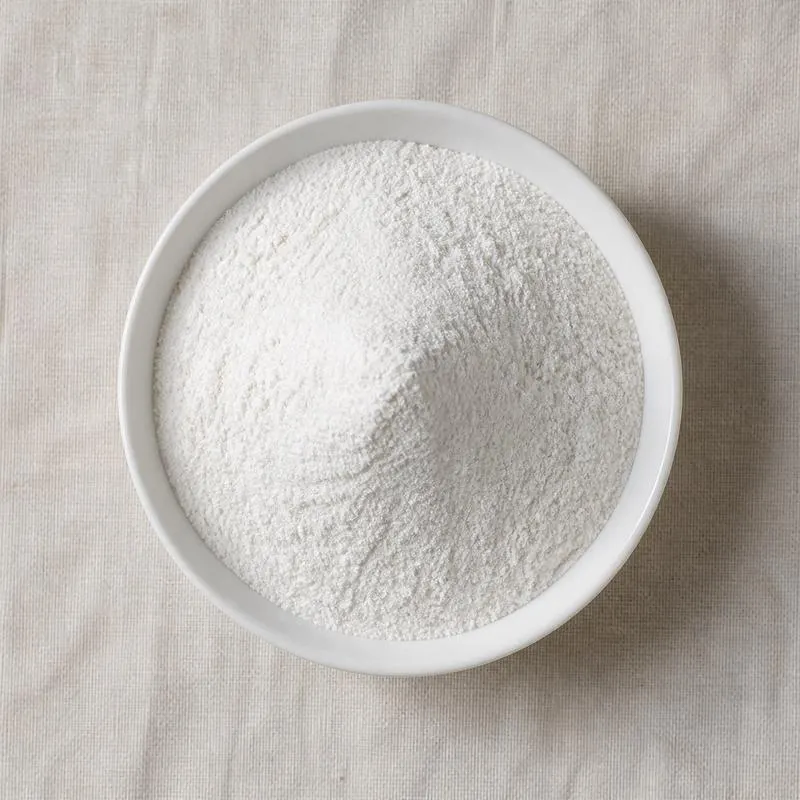
- Packaging
- 25 kg kraft paper bag with PE inner liner
- ISO 9001
- HACCP
- Halal
- Kosher
Specifications
Grades / Types Available: Food Grade
| Item | Specification |
|---|---|
| Appearance | Reddish-brown fine powder |
| Total Ginsenosides | ≥ 3% |
| Moisture | ≤ 7.0% |
| Ash | ≤ 5.0% |
| Particle Size (80 mesh) | ≥ 95% |
| Heavy Metals (as Pb) | ≤ 2 mg/kg |
| Pesticide Residues | Complies |
| Total Plate Count | ≤ 10,000 cfu/g |
| Salmonella | Absent in 25g |
| Purity/Assay | 15% HPLC Ginsenosides |
| Certifications | ISO, HACCP, KOSHER, HALAL, GRAS, FOOD PRODUCTION LICENSE |
Common Markets Grades
Red Ginseng is graded primarily by root form rather than by extract assay, since the commercial product is the whole or sliced root itself.
Heaven grade (cheonsam) covers the longest, straightest, most evenly tapered roots with intact branching, reserved for premium gifting.
Earth grade (jisam) accepts good overall form with minor defects and represents the bulk of mid-market product.
Good grade (yangsam) is produced for general consumption and for processing into slices, powders, teas, and concentrates.
Cut and sliced grades are produced for tea bag use, decoction, and home brewing. Tail and rootlet grades are produced separately at lower prices, often for further processing into extract.
Korean commercial product is graded under the long-standing protocol of the major Korean producers, with year of harvest, root age, and country of origin typically declared on the package.
Applications
- Decoction with jujube, ginger, and rock sugar in the daily Korean health drink tradition
- Sliced root brewed as tea, sometimes blended with chrysanthemum or licorice
- Whole root infused in liquor (insam-ju) for traditional tonic wines
- Premium gift sets in lacquered or paulownia wooden boxes for Lunar New Year and Chuseok
- Chopped root simmered in samgyetang and other chicken-based restorative soups
- Powdered root encapsulated as a single-ingredient dietary supplement
- Honey-preserved slices for chewable lozenge use, especially in winter
- Confectionery: red ginseng candies, jellies, and chocolate-coated slices
- Cosmetic actives prepared by further extraction of the dried root
- Traditional Korean medicine compound prescriptions calling for hong sam
- Coffee and instant beverage blends in the Korean and Japanese functional drink markets
Brands Using Red Ginseng
Widely-distributed consumer products that list Red Ginseng on the ingredient label.
- KGC CheongKwanJang (JungKwanJang)Korean Red Ginseng Extract (Hong Sam Jung) ↗Korea Ginseng Corporation's CheongKwanJang Korean Red Ginseng Extract is made from 6-year-old red ginseng roots grown and processed within KGC's vertically integrated system.Label verified 2026-05-24
- KGC CheongKwanJang (JungKwanJang)Hong Sam Won Plus Korean Red Ginseng Drink ↗CheongKwanJang Hong Sam Won Plus is an official ready-to-drink Korean Red Ginseng tonic pouch made from 6-year-old steamed Korean red ginseng.Label verified 2026-05-24
- Prince of PeaceUltra Red Panax Ginseng Extractum (10x10cc vials) ↗Prince of Peace's official popus.com page sells Ultra Red Panax Ginseng Extractum vials produced from steamed red Panax ginseng via traditional low-heat extraction.Label verified 2026-05-24
Brand names, product names and logos are the property of their owners. They appear here as published evidence that the ingredient is used, taken from the brand's own label or website. Their appearance is not an endorsement, and it does not mean the brand buys from us or from any manufacturer listed on this site.
China Manufacturers of Red Ginseng
Top Red Ginseng manufacturers in China.
Company names and logos are the property of the manufacturers themselves. They are listed here because our own directory records them as producing this ingredient. A listing is not an endorsement by them, and we do not represent them or speak on their behalf.
How We Help Source Red Ginseng
Direct Factory Sourcing
We run the whole process: selecting the manufacturer from the top Chinese food ingredient producers, negotiating the price, verifying quality, and coordinating the logistics. You deal with us instead of with several factories at once.
Original Packaging and Documents from the Manufacturer
The manufacturer sends your Red Ginseng out of its own factory in the original packing, through to your destination port. The COA, COO, MSDS, TDS and any certifications reach you from the manufacturer as well.
Free Samples and Lead Time
We send 100 to 500 g free for your own laboratory to test and you cover only the courier, usually within 2 to 3 working days. ETD is usually within 7 to 15 days once the order is confirmed, and we check that date against the factory's own manufacturing schedule before we give it to you.
Combined Shipment
We can load Red Ginseng together with other ingredients such as Astaxanthin, Dehydrated Garlic and Lutein into one 20' FCL. If your quantity is small, we can also ship LCL.
Regulatory Status
Red Ginseng holds a unique regulatory status in Korea. The Korea Ministry of Food and Drug Safety recognises red ginseng as a functional food ingredient with approved claims for fatigue improvement, immune enhancement, memory improvement, blood circulation, and antioxidant activity.
The Korean Pharmacopoeia carries an official monograph for hong sam, specifying minimum content of ginsenosides Rg1, Re, and Rb1 by HPLC.
In the United States red ginseng is sold as a dietary ingredient under DSHEA. The Notice to U.S. Industry tradition recognises ginseng as having a long history of use in food.
The European Medicines Agency lists Panax ginseng root in its herbal monographs as a traditional herbal medicinal product for temporary tiredness and weakness.
CITES requirements do not apply to cultivated Asian ginseng, but country-of-origin declarations are standard practice given the price spread between Korean, Chinese, and Russian-grown root.
Manufacturing Process
Production begins with four to six year old fresh Panax ginseng root, traditionally from Geumsan, Punggi, or Ganghwa in Korea, with growing volumes also from Jilin in China.
The root is washed but not peeled. Retention of the periderm is important because it carries a significant share of the saponin content and contributes to the finished red colour.
Washed root is steamed at 95 to 100 degrees Celsius for two to four hours in tiered bamboo or stainless steel steamers. Steaming gelatinizes the starch, deactivates enzymes, and initiates the Maillard reactions that develop the characteristic colour and aroma.
The steamed root is dried in stages, first by sun or warm air to surface dryness, then by extended low-temperature drying that can take one to two weeks. Final moisture is held below 14 percent for stability.
Finished roots are graded by hand for size, form, and surface quality before packaging into the traditional grade boxes. Tails, rootlets, and broken pieces are diverted to extract production.