Lutein
Lutein is a xanthophyll carotenoid pigment that gives a deep yellow to orange-yellow colour and is best known as a macular pigment in the human retina. It has the molecular formula C₄₀H₅₆O₂ and a molecular weight of 568.87 g/mol.
Commercial lutein is produced predominantly from the petals of African marigold (Tagetes erecta), where it accumulates as fatty acid esters. The esterified form is partially or fully saponified during refining to produce free lutein, the species used in supplements and food colouring.
We source bulk Lutein from top China manufacturers for our partners, working with several of them. The manufacturers are mostly in Shandong, Hebei and Zhejiang. For this ingredient the minimum order is 100 kg, and a smaller requirement can ship in a combined container with other ingredients.
Please send the grade you need, the volume and your destination port, and we will come back with a solution and a price.
or call +86-21-6858 0751
- Minimum order
- 100 kg
- Packaging
- 20 kg fibre drum, light-shielded
- ISO 9001
- HACCP
- Halal
- Kosher
Specifications
Grades / Types Available: Food Grade, Feed Grade
| Item | Specification |
|---|---|
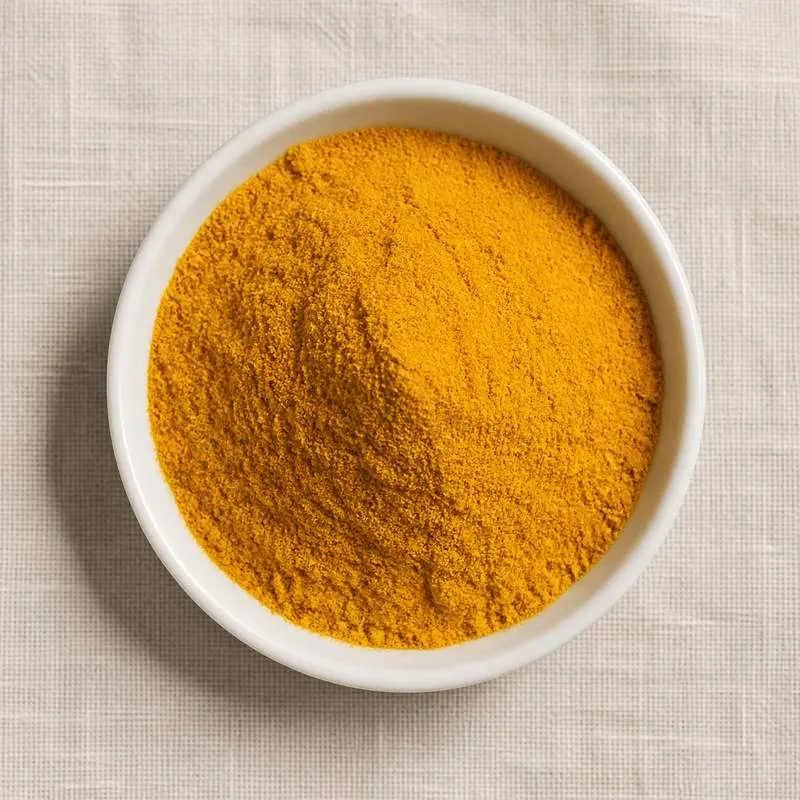
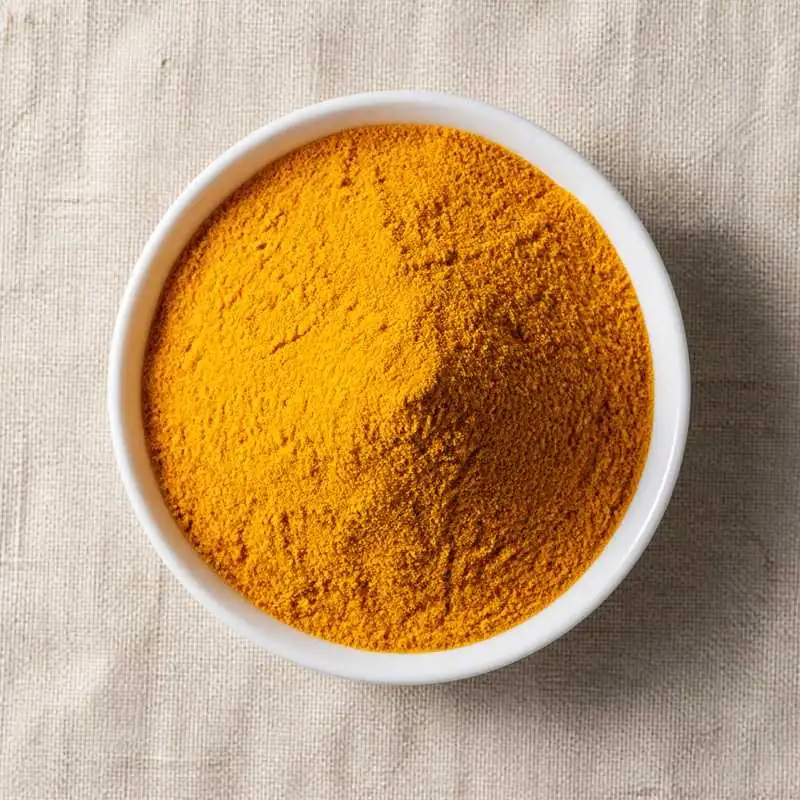
| Appearance | Orange to dark orange powder or oil suspension |
| Assay (Lutein) | ≥ 5% / 10% / 20% / 80% (HPLC) |
| Zeaxanthin Ratio | Available in 5:1 or 10:1 lutein:zeaxanthin |
| Particle Size | 95% pass 80 mesh (powder) |
| Moisture | ≤ 5.0% |
| Heavy Metals | ≤ 10 ppm |
| Purity/Assay | ≥ 10% (Food Grade) |
| Moisture/Loss on Drying | ≤ 5% (Food Grade) |
| Lead | ≤ 1 ppm (Food Grade) |
| Arsenic | ≤ 0.5 ppm (Food Grade) |
Common Markets Grades
Lutein trades in several technical formats, defined by free versus esterified form, concentration, and dispersion characteristics.
Lutein esters at 5 to 20 percent purity are the common starting material, sold as a thick orange paste or crystalline powder. They are stable, lipid-soluble, and used directly in oil-based applications and animal feed.
Free lutein at 20, 70, 80, and 90 percent purity is produced by alkaline saponification of the ester paste. The 80 percent crystalline grade is the standard supplement-industry form for softgel and tablet dosing.
Beadlets for beverages, dairy, and dry food applications are cold-water-dispersible spray-dried emulsions at 5, 10, or 20 percent lutein, built on starch, gelatin, or modified-cellulose matrices.
Suspensions in refined safflower or sunflower oil at 5 to 20 percent are produced for soft-gel filling, infant formula, and clear-beverage emulsion bases. Specialty grades pair lutein with zeaxanthin in a defined ratio, often 5 to 1 or 10 to 1, for eye-health supplement use.
Applications
- Dietary supplements positioned for eye health, macular pigment density, and visual performance
- Multivitamin and women's health formulations with documented carotenoid intake
- Infant formula and clinical-nutrition products as a carotenoid source
- Functional beverages including eye-health shots and screen-fatigue drinks
- Confectionery and bakery applications for yellow tinting
- Dairy applications including yogurts, ice creams, and processed cheese
- Plant-based egg and meat analogues for natural yellow coloration
- Pet food, especially for dogs and cats, to support coat and eye health
- Layer hen feed for egg yolk pigmentation in the orange-yellow range
- Aquaculture feed for colour-enhancement in ornamental fish
- Cosmetic creams and serums positioned for blue-light and oxidative protection
- Combination products with zeaxanthin, omega-3 DHA, and anthocyanins in vision stacks
Brands Using Lutein
Widely-distributed consumer products that list Lutein on the ingredient label.
- Nature MadeLutein 20 mg Softgels ↗Nature Made Lutein Softgels supply 20 mg of lutein (a carotenoid extracted from marigold flowers, Tagetes erecta) as an eye-health supplement that helps support the eye's natural blue-light filter.Label verified 2026-05-24
- SolgarLutein 20 mg Softgels (FloraGLO) ↗Solgar's Lutein 20 mg softgels use FloraGLO lutein from marigold flowers in a safflower-oil softgel base for eye-health and vision support.Label verified 2026-05-24
- NOW FoodsLutein Double Strength 20 mg Veg Capsules ↗Veg capsules supplying 20 mg free-form lutein derived from marigold lutein esters.Label verified 2026-05-24
- Bausch + LombPreserVision AREDS 2 Formula Soft Gels (with Lutein & Zeaxanthin) ↗PreserVision AREDS 2 Formula softgels combine lutein from marigold and zeaxanthin with vitamins C and E, zinc and copper, following the AREDS2 formulation studied by the National Eye Institute.Label verified 2026-05-24
- EyePromiseZeaxanthin + Lutein Softgels ↗Softgels combining lutein from marigold flowers with zeaxanthin from red peppers in a 2:1 zeaxanthin-to-lutein ratio.Label verified 2026-05-24
- MacuHealthMacuHealth Triple Carotenoid Formula (Lutein, Meso-Zeaxanthin, Zeaxanthin) ↗MacuHealth's triple-carotenoid eye supplement supplies lutein (from marigold) in a patented 10:10:2 ratio with meso-zeaxanthin and zeaxanthin to replenish macular pigment.Label verified 2026-05-24
Brand names, product names and logos are the property of their owners. They appear here as published evidence that the ingredient is used, taken from the brand's own label or website. Their appearance is not an endorsement, and it does not mean the brand buys from us or from any manufacturer listed on this site.
China Manufacturers of Lutein
Top Lutein manufacturers in China.
 Chenguang Biotech Group Co., Ltd.12 ingredients in the directory
- Guangzhou Leader Bio-Technology Co., Ltd.7 ingredients in the directory
 Hebei Dongzhixing Bio-tech Ltd.5 ingredients in the directory
 Qingdao Borong Biotechnology Co., Ltd.10 ingredients in the directory
 Qingdao Scitech Biotech Co., Ltd.11 ingredients in the directory
 Shandong Tianyin Biotechnology Co., Ltd.3 ingredients in the directory
 Suizhou Shilida Biotechnology Co., Ltd.4 ingredients in the directory
- Yunnan Borui Bio-tech. Co., Ltd.11 ingredients in the directory
 Zhejiang Haining Fengming Chlorophyll Co., Ltd.11 ingredients in the directory
 Zhejiang Wedin Biological Technology Co., Ltd.18 ingredients in the directory
Company names and logos are the property of the manufacturers themselves. They are listed here because our own directory records them as producing this ingredient. A listing is not an endorsement by them, and we do not represent them or speak on their behalf.
How We Help Source Lutein
Direct Factory Sourcing
We run the whole process: selecting the manufacturer from the top Chinese food ingredient producers, negotiating the price, verifying quality, and coordinating the logistics. You deal with us instead of with several factories at once.
Original Packaging and Documents from the Manufacturer
The manufacturer sends your Lutein out of its own factory in the original packing, through to your destination port. The COA, COO, MSDS, TDS and any certifications reach you from the manufacturer as well.
Free Samples and Lead Time
We send 100 to 500 g free for your own laboratory to test and you cover only the courier, usually within 2 to 3 working days. ETD is usually within 7 to 15 days once the order is confirmed, and we check that date against the factory's own manufacturing schedule before we give it to you.
Combined Shipment
We can load Lutein together with other ingredients such as Astaxanthin, Dehydrated Garlic and Matcha into one 20' FCL. If your quantity is small, we can also ship LCL.
Regulatory Status
Lutein is widely approved as a food colour, food ingredient, and supplement active.
In the European Union, lutein from Tagetes erecta carries the food-additive number E161b, and Regulation (EC) No 1333/2008 authorises it. Specific lutein preparations have also been evaluated favorably by EFSA for use in food supplements and infant formula.
The U.S. Food and Drug Administration recognises lutein and lutein esters from marigold extract as Generally Recognized as Safe for use in conventional foods, beverages, and infant formula through multiple acknowledged GRAS notifications. It is also widely used as a dietary supplement ingredient.
JECFA has evaluated lutein from Tagetes erecta and established an acceptable daily intake. Japan permits lutein as an existing natural colour additive under the Food Sanitation Act.
Pharmacopoeial monographs for lutein appear in the United States Pharmacopeia. Kosher, Halal, non-GMO, and organic certifications are commonly available, and infant-formula-grade material is produced with documentation of compliance with relevant compositional regulations.
Manufacturing Process
The global lutein supply chain is dominated by Tagetes erecta cultivation, with the largest growing regions in India, China, Peru, Ecuador, and Mexico.
Marigold flowers are harvested by hand at full bloom, ensiled in pits with a small amount of preservation aid, and allowed to ferment for one to two weeks. Fermentation breaks down the petal tissue and increases extraction efficiency. The fermented mass is dried, pelletized, and shipped to extraction plants as marigold meal.
At the extraction plant the meal is solvent-extracted with hexane to yield marigold oleoresin, a thick orange paste containing roughly 5 to 20 percent lutein esters. The oleoresin is the starting point for downstream refining.
For free lutein, the oleoresin is saponified with aqueous potassium hydroxide in an alcohol cosolvent, which hydrolyses the fatty acid esters and precipitates lutein crystals. The crystals are washed, recrystallised, and dried to yield 70 to 90 percent free lutein powder.
For beadlets and beverage formats, the purified lutein is dissolved in warmed vegetable oil with antioxidants, emulsified into a hydrocolloid matrix, and spray-dried. Modern facilities run inert-gas blanketing throughout to limit oxidative loss.