Rice Flakes
Rice flakes are thin flattened pieces of rice produced by conditioning milled rice or rice grits with heat and moisture and then passing the softened grain between heavy smooth flaking rolls, which crush each kernel into a flat lamella and partially gelatinise its starch.
The flattening step does two things that matter industrially. It ruptures the granule structure so that the starch hydrates far faster than whole grain, giving a material that softens in warm water within minutes rather than requiring a full cook, and it opens the kernel so that enzymes or hot water reach the starch quickly. Flake thickness, usually between 0.3 and 1.2 millimetres, controls both the hydration rate and the mechanical strength of the flake, with thin flakes rehydrating fastest but fragmenting more readily during handling.
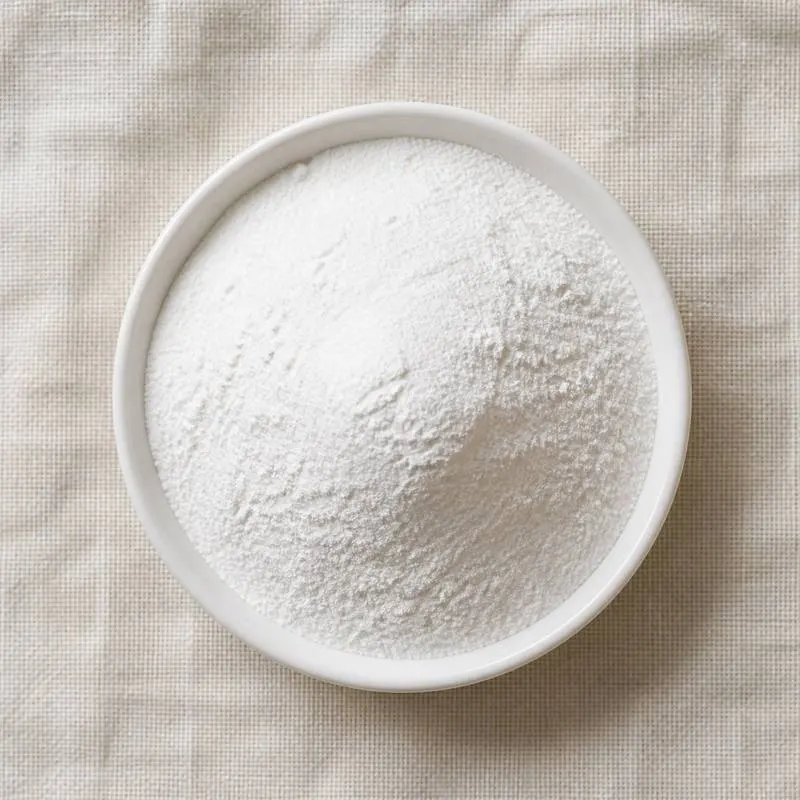
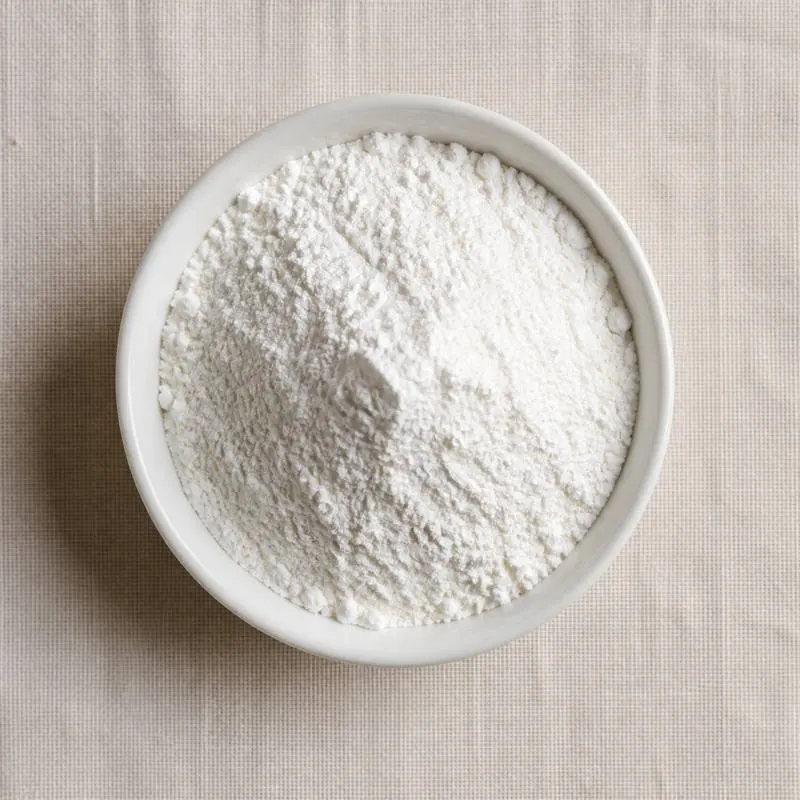
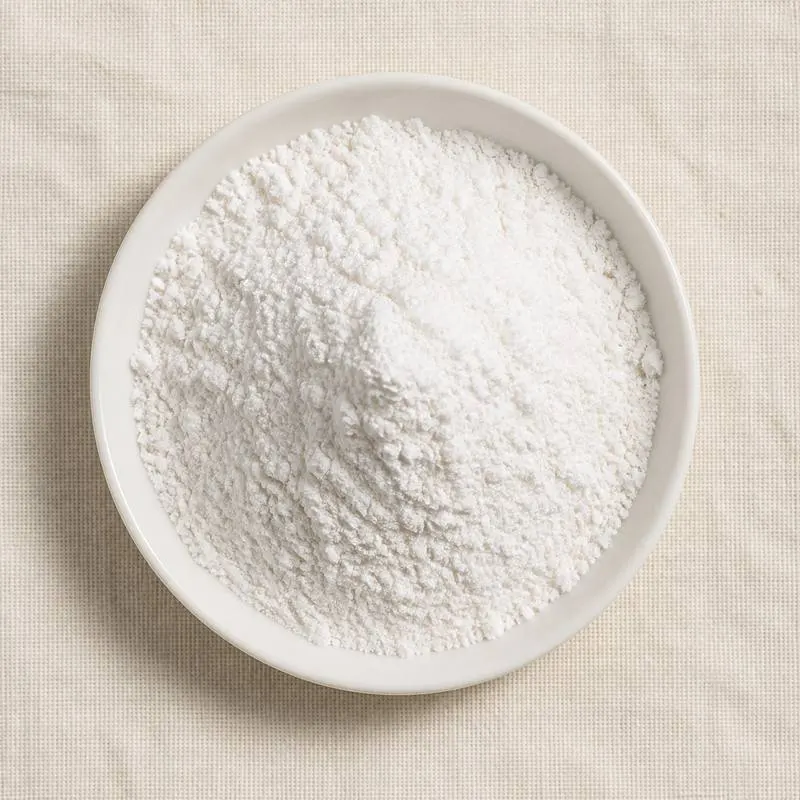
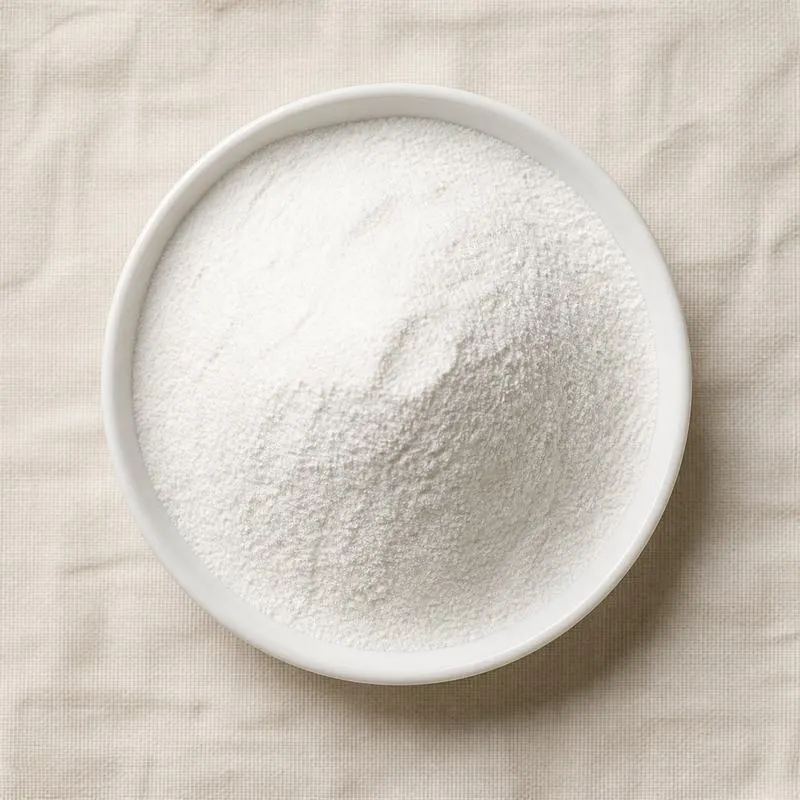
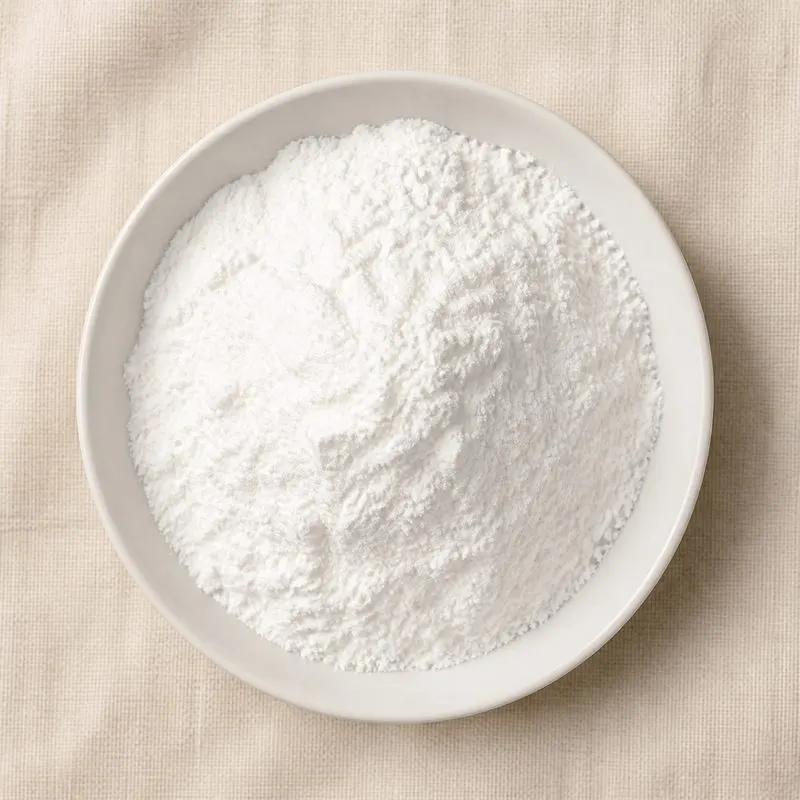
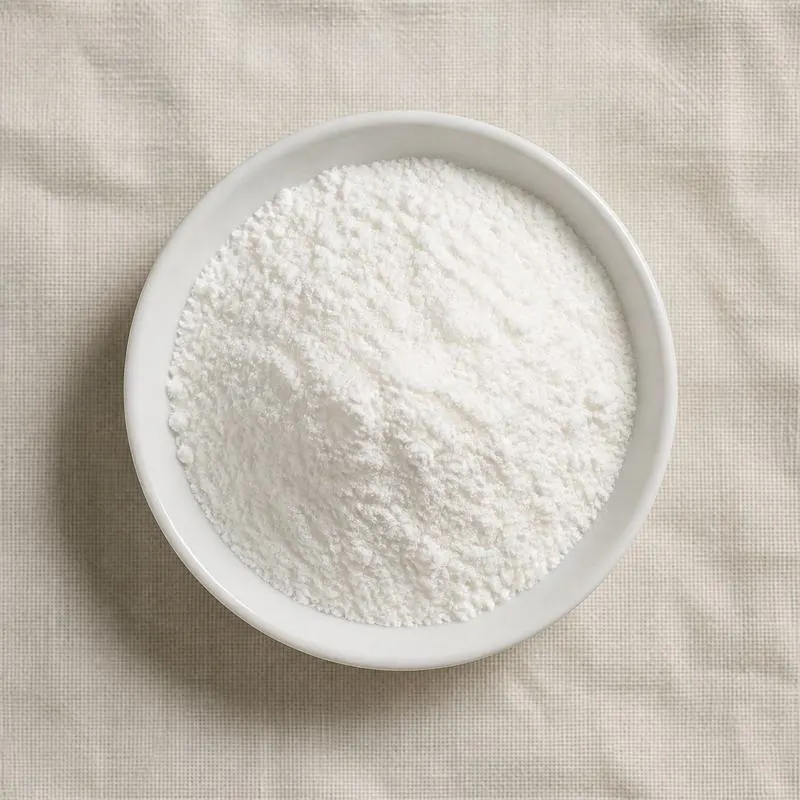
Rice flakes are pale cream to white flat pieces with a bulk density well below that of whole rice, typically 0.35 to 0.55 kilograms per litre, and a moisture content around 10 to 12 percent. They are brittle, generate fines in pneumatic conveying, and are hygroscopic enough that they lose crispness if stored without a moisture barrier. They contain no gluten and carry the mild flavour of the parent grain.
We source bulk Rice Flakes from top China manufacturers for our partners. The manufacturer is in Guangdong. A smaller requirement can ship in a combined container with other ingredients.
Please send the grade you need, the volume and your destination port, and we will come back with a solution and a price.
or call +86-21-6858 0751
- Function
- Texturisers
Specifications
| Item | Specification |
|---|---|
| Appearance | Flat cream to white flakes, free of live insects and foreign matter |
| Flake Thickness | 0.5 mm to 0.8 mm |
| Moisture | Not more than 12.0% |
| Dry Extract, fine grind | Not less than 80.0% |
| Protein, dry basis | Not more than 8.0% |
| Ash | Not more than 0.8% |
| Fat | Not more than 1.0% |
| Fines through 20 mesh | Not more than 3.0% |
| Bulk Density | 0.35 to 0.55 kg/L |
| Lead | Not more than 0.2 mg/kg |
| Inorganic Arsenic | Not more than 0.2 mg/kg |
| Aflatoxin B1 | Not more than 2 microgram/kg |
| Total Plate Count | Not more than 10,000 CFU/g |
| Yeast and Mould | Not more than 100 CFU/g |
| E. coli | Absent in 1 g |
| Salmonella | Absent in 25 g |
Common Markets Grades
Two commercial families exist. Thick pressed flakes, sold in South Asian markets as poha or beaten rice, are made from parboiled paddy and are intended for direct culinary rehydration. Thin flaked rice, made from broken white rice or rice grits, is the brewing and cereal grade, and is specified by thickness, extract yield and colour rather than by cooking behaviour.
Brewing grade flaked rice is described by dry extract as a percentage on a fine grind basis, by colour in EBC or Lovibond units, and by moisture, with buyers also limiting the fines fraction because fine material impedes lauter bed drainage. Cereal grade flakes are specified by thickness, flake integrity after a drop test, and residual moisture. Toasted and untoasted versions are both traded, and organic certified material is available where the paddy supply is certified.
Applications
- Brewing adjunct, where pregelatinised flakes are added directly to the mash tun without a separate cereal cooker and contribute neutral fermentable extract
- Distilling mashes, providing readily convertible starch alongside malted grain
- Breakfast cereal manufacture, either eaten as a cold flake or as a component of muesli and granola blends
- Extruded and baked snack bars, contributing crunch and bulk without the flavour of oat or wheat
- Instant porridge and congee mixes, hydrating in hot water without a cooking step
- Coating and topping for baked goods, giving a visible flaked surface texture
- Gluten-free formulations that need a cereal flake in place of rolled oats or wheat flakes
- Infant and toddler cereals, valued for fast hydration and a bland flavour
- South Asian savoury and sweet preparations that call for beaten rice as the base
Brands Using Rice Flakes
Widely-distributed consumer products that list Rice Flakes on the ingredient label.
Brand names, product names and logos are the property of their owners. They appear here as published evidence that the ingredient is used, taken from the brand's own label or website. Their appearance is not an endorsement, and it does not mean the brand buys from us or from any manufacturer listed on this site.
China Manufacturers of Rice Flakes
Top Rice Flakes manufacturers in China.

Company names and logos are the property of the manufacturers themselves. They are listed here because our own directory records them as producing this ingredient. A listing is not an endorsement by them, and we do not represent them or speak on their behalf.
Regulatory Status
Rice flakes are a processed cereal food rather than a food additive, so no additive authorisation or E number applies. Manufacture is controlled through general food hygiene requirements and through the contaminant and pesticide residue limits that apply to the parent rice.
In the United States the product falls under the FDA food safety framework, with the agency's action level for inorganic arsenic relevant where the flakes are used in infant cereal. In the European Union the general food law regulation applies, together with the contaminants regulation setting maximum levels for inorganic arsenic, cadmium and aflatoxins in rice and rice products, and the maximum residue level framework for pesticides. Where flakes serve as a brewing adjunct, the national brewing composition rules of the market of use apply as well. Codex commodity standards for rice and the general principles of food hygiene provide the international reference. Rice is not a declarable allergen, although shared milling lines with wheat or oats require an allergen cross-contact assessment.
Manufacturing Process
Milled rice or clean broken rice is screened to remove fines and foreign matter, then conditioned by steaming or by tempering with injected water and steam until the moisture reaches roughly 18 to 24 percent and the kernel is soft enough to deform without shattering. For the parboiled route the paddy is soaked and steamed in the husk first, then dried and husked, which sets the starch and gives a tougher flake that survives flattening at greater thickness.
The conditioned grain is fed between a pair of chilled or water-cooled flaking rolls set to a fixed gap. The rolls flatten each kernel and the mechanical work, combined with residual heat and moisture, gelatinises a proportion of the starch. Flakes leave the rolls at high moisture and are dried immediately in a fluid bed or belt dryer down to 10 to 12 percent, sometimes with a toasting pass at higher temperature where a roasted flavour and darker colour are wanted. The dried flakes are cooled, sifted to remove broken fines, passed over magnets and metal detectors, and packed. Fines recovered on the sifter are usually returned to a flour or grits stream rather than reworked into flake.