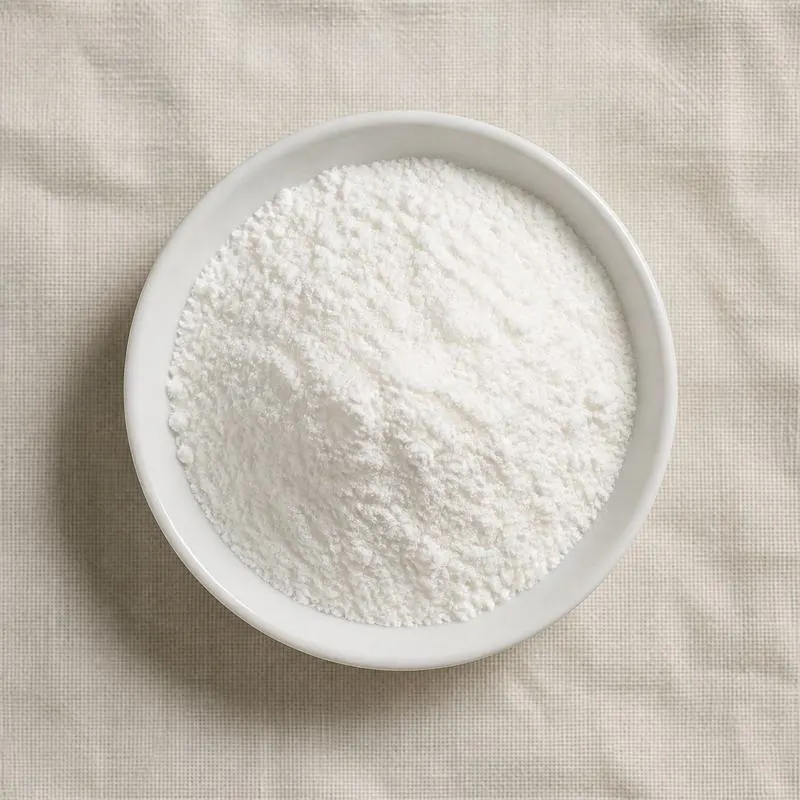
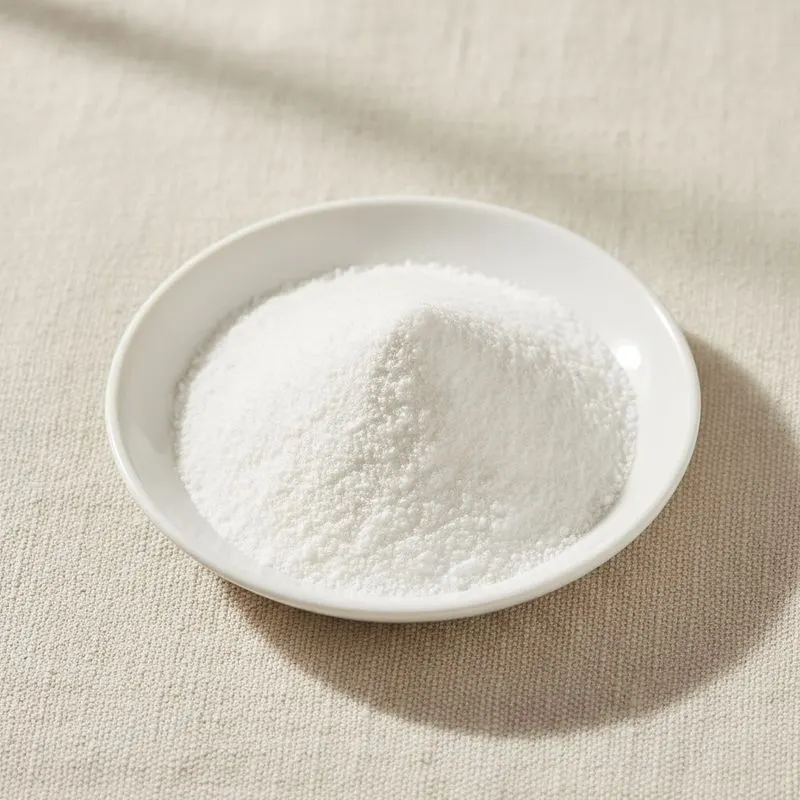
Corn Starch
Corn Starch is the carbohydrate polymer recovered from the endosperm of maize (Zea mays) by the wet-milling process.
It is the single largest industrial starch by volume worldwide and the feedstock for sweeteners, fermentation, paper, textiles, and a long list of food and pharmaceutical applications.
We source bulk Corn Starch from top China manufacturers for our partners, working with several of them. The manufacturers are mostly in Shandong, Heilongjiang and Henan. For this ingredient the minimum order is 500 kg and a 20-foot container takes 20 MT, and a smaller requirement can ship in a combined container with other ingredients.
Please send the grade you need, the volume and your destination port, and we will come back with a solution and a price.
or call +86-21-6858 0751
- Minimum order
- 500 kg
- Qty in 20' FCL
- 20 MT
- Packaging
- 25 kg kraft paper bag with PE inner liner
- ISO 9001
- HACCP
- Halal
- Kosher
Specifications
| Item | Specification |
|---|---|
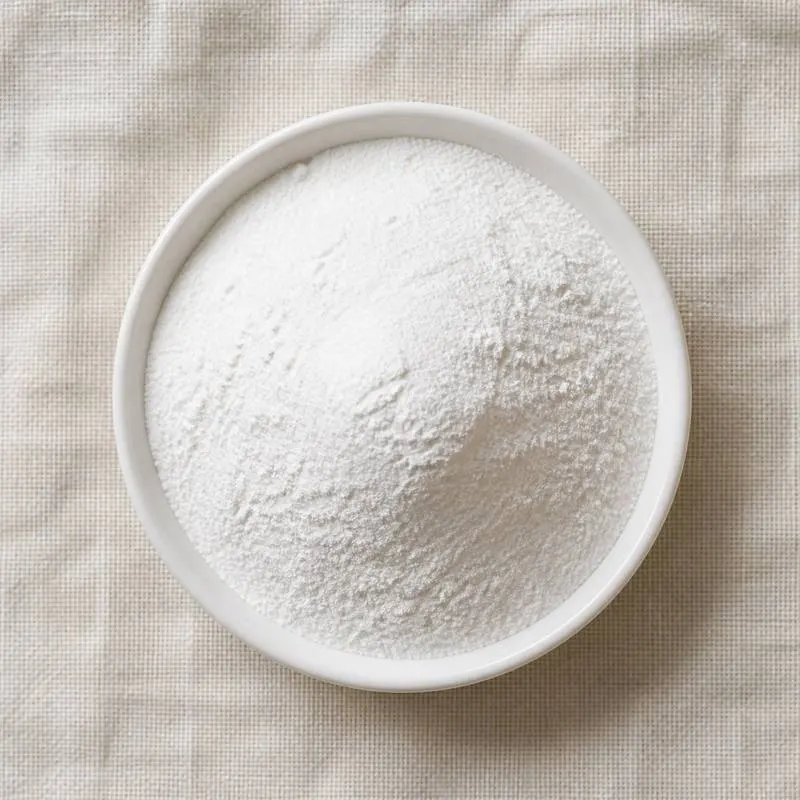
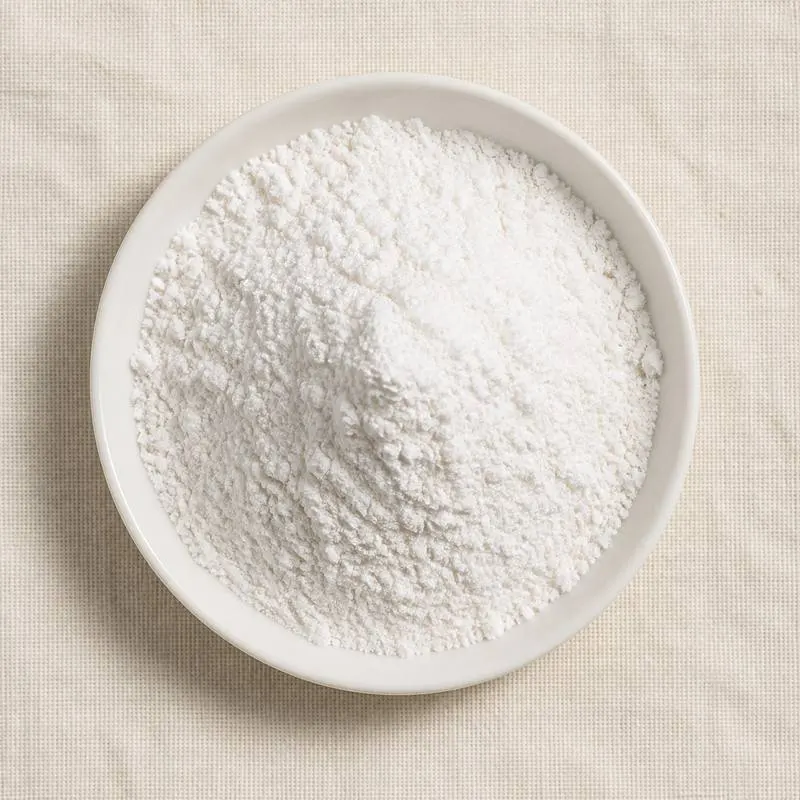
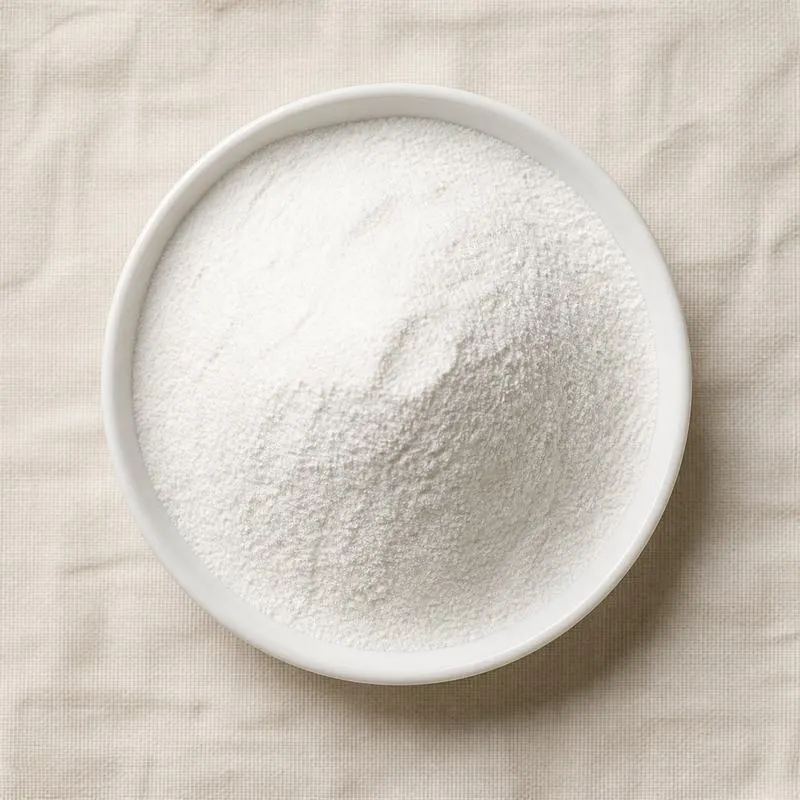
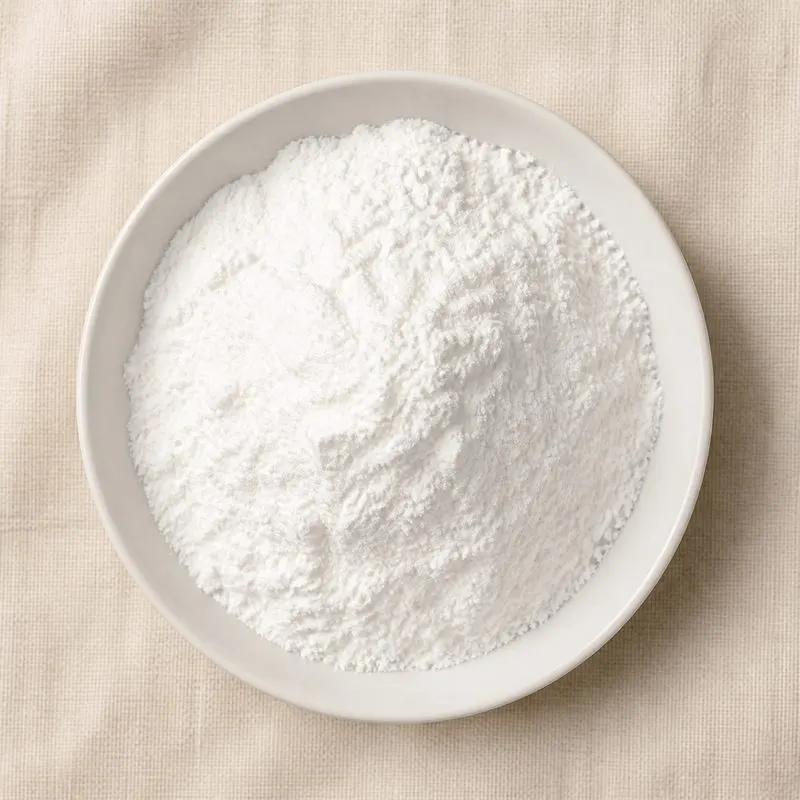
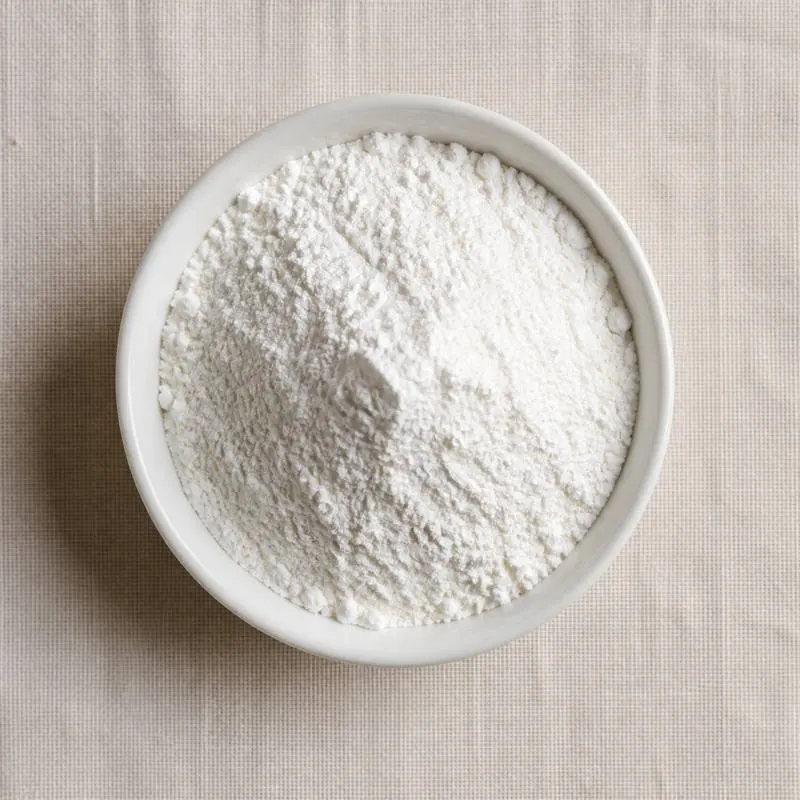
| Appearance | Fine white powder |
| Moisture | ≤ 14.0% |
| Protein (dry basis) | ≤ 0.5% |
| Fat | ≤ 0.15% |
| Ash | ≤ 0.2% |
| Whiteness | ≥ 90% |
| SO₂ | ≤ 30 ppm |
| Total Plate Count | ≤ 10000 CFU/g |
| Assay/Purity | ≥ 98% |
| Loss on Drying | ≤ 13% |
| pH | 5.0 - 7.0 |
| Heavy Metals | ≤ 10 mg/kg |
| Lead | ≤ 2 mg/kg |
| Arsenic | ≤ 0.5 mg/kg |
| Residue on Ignition | ≤ 0.5% |
Common Markets Grades
Corn Starch comes in food, pharmaceutical, and industrial grades.
Standard food-grade native starch contains about 27 percent amylose and 73 percent amylopectin, with moisture below 14 percent and a typical white-colour powder appearance.
Waxy maize starch from waxy hybrids contains less than 2 percent amylose and is used where clear pastes and freeze-thaw stability matter.
High-amylose corn starch (50 to 70 percent amylose) is produced for resistant-starch fortification and film-forming applications.
Pharmaceutical-grade starch complies with the USP, Ph. Eur., and JP monographs for tablet disintegrant and binder use.
Industrial grades cover paper coating, corrugating adhesive, textile sizing, and bioethanol fermentation feedstock.
Applications
- Sauces, soups, and gravies as a thickener and body builder
- Bakery applications including custards, pie fillings, and crumb softness in cakes
- Confectionery: gummy molding starch, pectin jellies, and licorice extrusion
- Meat and poultry processing as a binder, water-holding agent, and breading dust
- Pharmaceutical tablet disintegrant, binder, and diluent
- Glucose, dextrose, maltose, and high-fructose corn syrup feedstock
- Ethanol fermentation feedstock for fuel and beverage alcohol
- Paper sizing, coating, and corrugating adhesive
- Textile warp sizing and finishing
- Biodegradable packaging films, foam loose-fill, and bioplastic blends
Brands Using Corn Starch
Widely-distributed consumer products that list Corn Starch on the ingredient label.
- Bob's Red MillCornstarch ↗Sole ingredient: 'Cornstarch.' Made in dedicated gluten-free facility.Label verified 2026-05-25
- ArgoArgo Corn Starch ↗A single-ingredient corn starch, gluten-free and made from U.S.-grown corn.Label verified 2026-05-25
- PillsburyWhipped Vanilla Frosting ↗Ingredients: 'Sugar, Palm Oil, Water, Corn Syrup, Canola Oil, Corn Starch...' (corn starch listed before the 2% line).Label verified 2026-05-25
- PillsburyWhipped Chocolate Frosting ↗Ingredients: '...COCOA PROCESSED WITH ALKALI, CORN STARCH, CONTAINS 2% OR LESS OF...'Label verified 2026-05-25
- Domino SugarPowdered Sugar ↗Domino FAQ: 'Domino Powdered Sugar... cornstarch is added to prevent caking.' Powdered sugar contains 3% cornstarch.Label verified 2026-05-25
Brand names, product names and logos are the property of their owners. They appear here as published evidence that the ingredient is used, taken from the brand's own label or website. Their appearance is not an endorsement, and it does not mean the brand buys from us or from any manufacturer listed on this site.
China Manufacturers of Corn Starch
Top Corn Starch manufacturers in China.
 Heilongjiang Jinxiang Biochemical Co., Ltd.9 ingredients in the directory
 Henan Feitian Biotechnology Co., Ltd.11 ingredients in the directory
 Qingyuan Foodstuff Co., Ltd.9 ingredients in the directory
 Qinhuangdao Lihua Starch Co., Ltd.11 ingredients in the directory
 Shadnong Fuyang Bio-tech.Co., Ltd.7 ingredients in the directory
- Shandong Fuyang Biotechonlogy Co., Ltd.6 ingredients in the directory
- Shandong Wanjia Food Co., Ltd.6 ingredients in the directory
 Shandong Xiangrui Pharmaceutical Co., Ltd.4 ingredients in the directory
- Yuanfa Biotechnology Co., Ltd.4 ingredients in the directory
Company names and logos are the property of the manufacturers themselves. They are listed here because our own directory records them as producing this ingredient. A listing is not an endorsement by them, and we do not represent them or speak on their behalf.
How We Help Source Corn Starch
Direct Factory Sourcing
We run the whole process: selecting the manufacturer from the top Chinese food ingredient producers, negotiating the price, verifying quality, and coordinating the logistics. You deal with us instead of with several factories at once.
Original Packaging and Documents from the Manufacturer
The manufacturer sends your Corn Starch out of its own factory in the original packing, through to your destination port. The COA, COO, MSDS, TDS and any certifications reach you from the manufacturer as well.
Free Samples and Lead Time
We send 100 to 500 g free for your own laboratory to test and you cover only the courier, usually within 2 to 3 working days. ETD is usually within 7 to 15 days once the order is confirmed, and we check that date against the factory's own manufacturing schedule before we give it to you.
Combined Shipment
We can load Corn Starch together with other ingredients such as Modified Starch, Pea Starch and Acetylated Starch into one 20' FCL. If your quantity is small, we can also ship LCL.
Regulatory Status
Corn Starch is a food ingredient rather than a regulated additive. It does not carry an E number when sold in native form.
The U.S. FDA recognises corn starch as GRAS for general food use. Pharmacopoeial monographs in the USP, Ph. Eur., and JP set specifications for pharmaceutical grades, covering identification, moisture, ash, pH, and microbial limits.
Codex standard 212-1999 covers sugars and starches in international trade. Allergen status: free of the major regulated allergens; gluten-free when produced on dedicated lines.
Halal and Kosher certifications are routinely available.
Manufacturing Process
Corn Starch is recovered by wet milling. Shelled corn is steeped in dilute sulfurous acid at 50 °C for 30 to 50 hours to soften the kernel and loosen the protein matrix.
The steeped kernels are coarsely milled to release the germ. Cyclone separation lifts the germ off the slurry for separate oil recovery.
The remaining slurry is fine-milled and sent through a series of screens that separate fibre from the starch-protein suspension. Centrifuges then split the dense starch fraction from the lighter gluten (corn protein) phase.
The starch slurry is washed in countercurrent hydrocyclones to remove residual soluble protein, dewatered on vacuum belt or peeler centrifuges, and flash-dried to specification moisture.
Major production hubs sit in the United States Corn Belt, Argentina, China, and the European wet-milling cluster centred on northern France and the Netherlands.