Pea Starch
Pea starch is the starch fraction separated from the seed of the yellow field pea, Pisum sativum, and recovered as a by product of pea protein manufacture. Chemically it is the same mixture of amylose and amylopectin found in any starch, but the ratio is what distinguishes it: pea starch carries roughly 30 to 40 percent amylose against about 25 percent in maize and under 20 percent in potato and tapioca, which places it with the high amylose starches in behaviour.
That amylose content decides everything the ingredient does. Pastes made from it set to a firm, opaque, sliceable gel on cooling rather than staying fluid, retrograde readily, and form strong films. Gelatinisation begins in the region of 60 to 70 degrees Celsius and the granule swells less than a potato or waxy maize granule, so peak viscosity is moderate but the cooked paste holds its structure through shear and through freezing. The starch also resists digestion better than cereal starches, giving a meaningful resistant starch fraction.
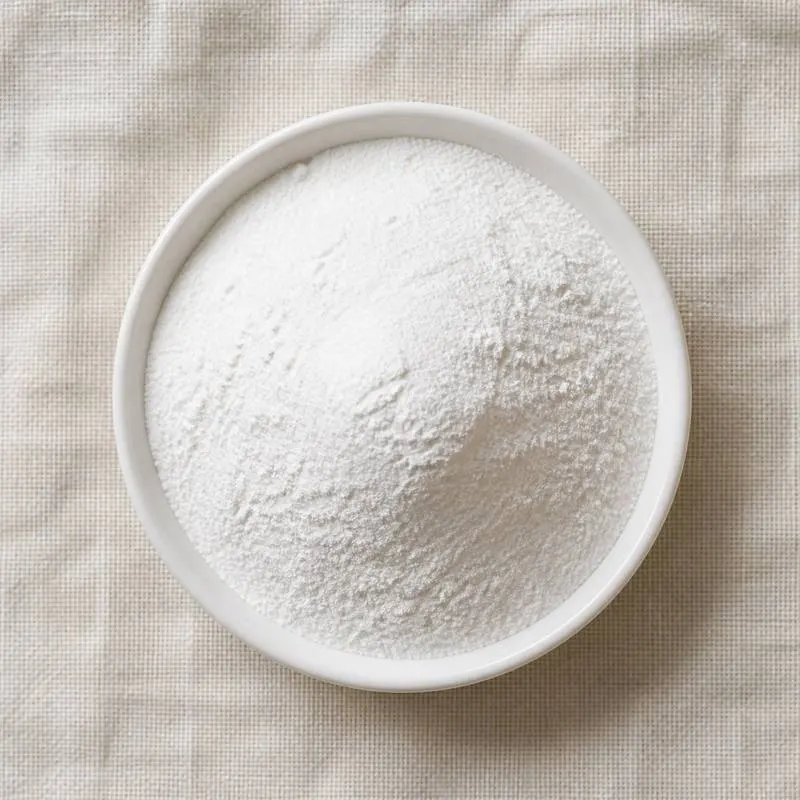
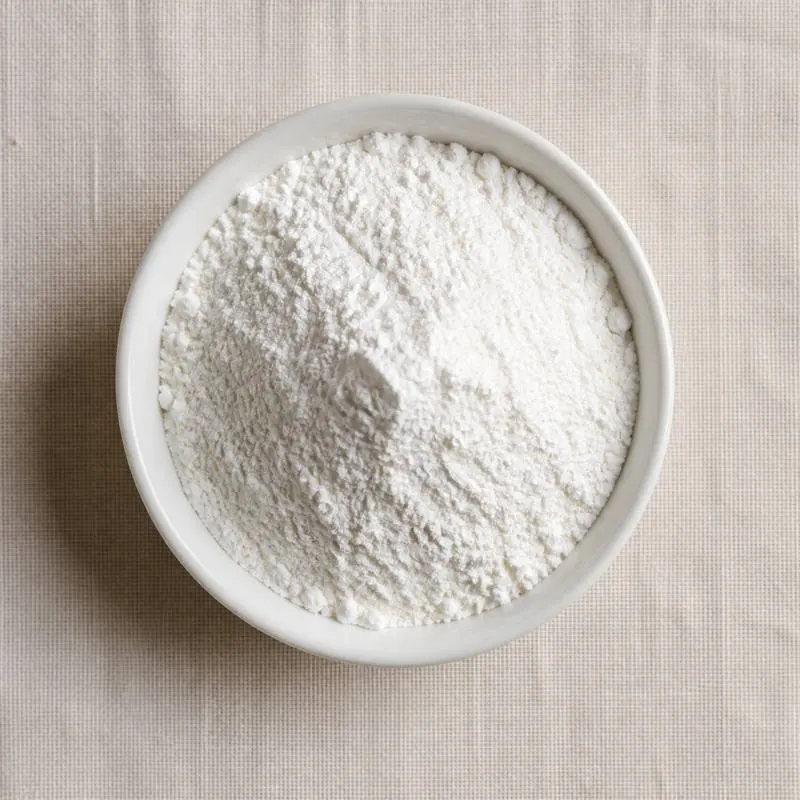
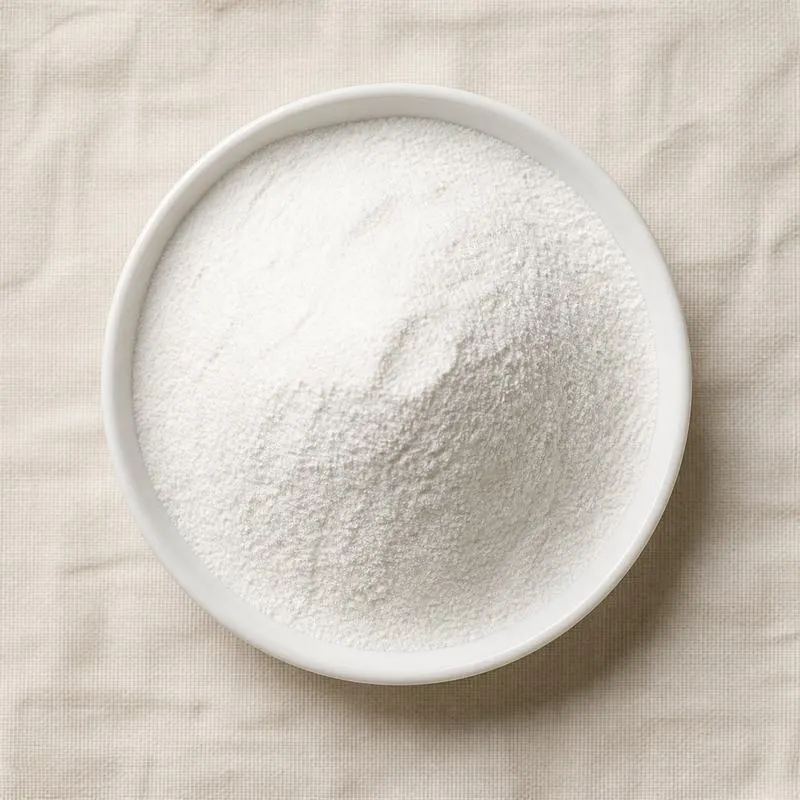
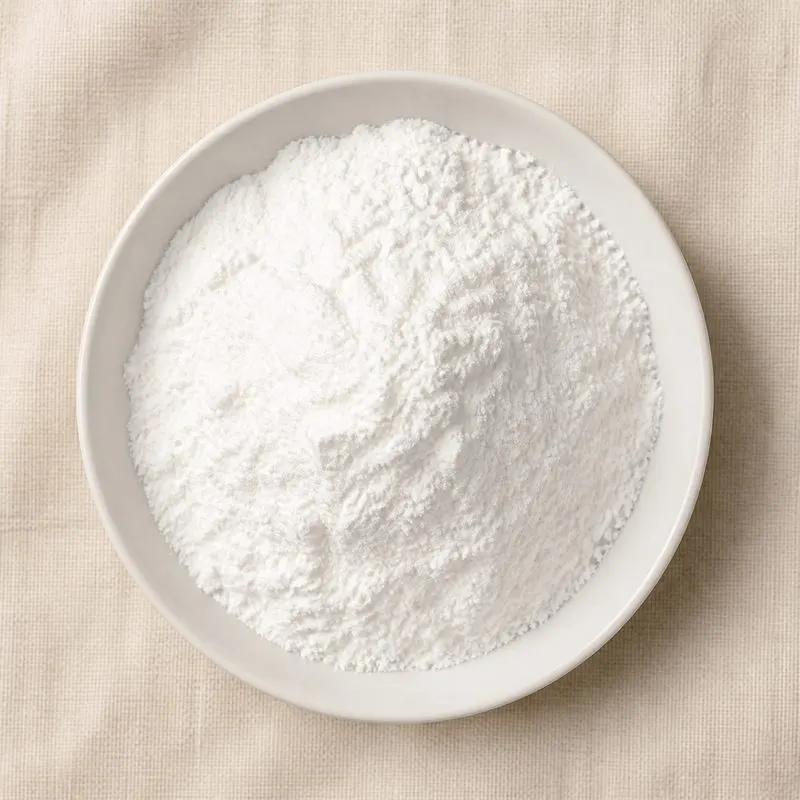
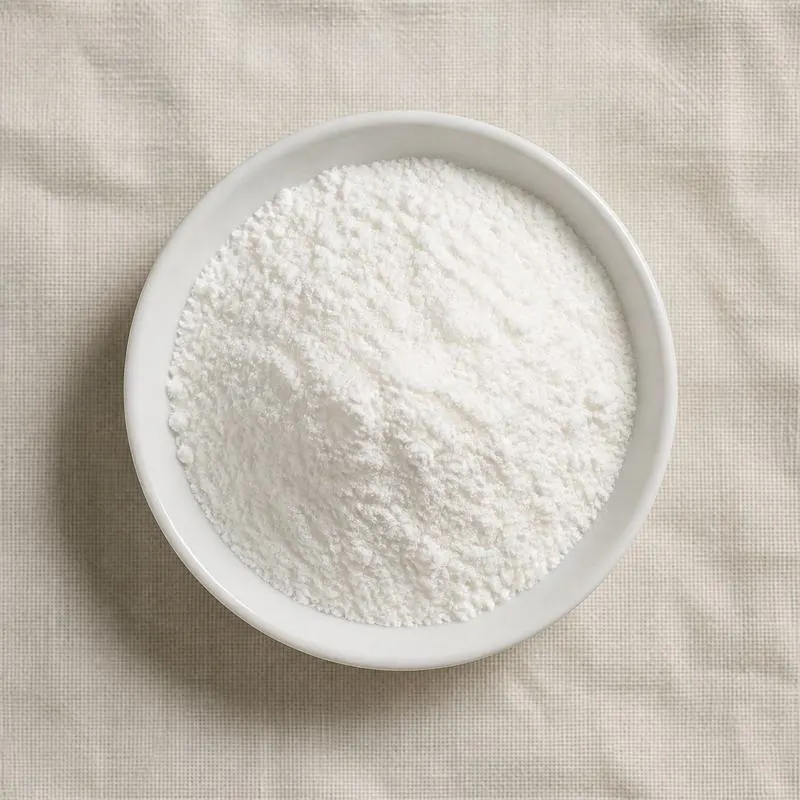
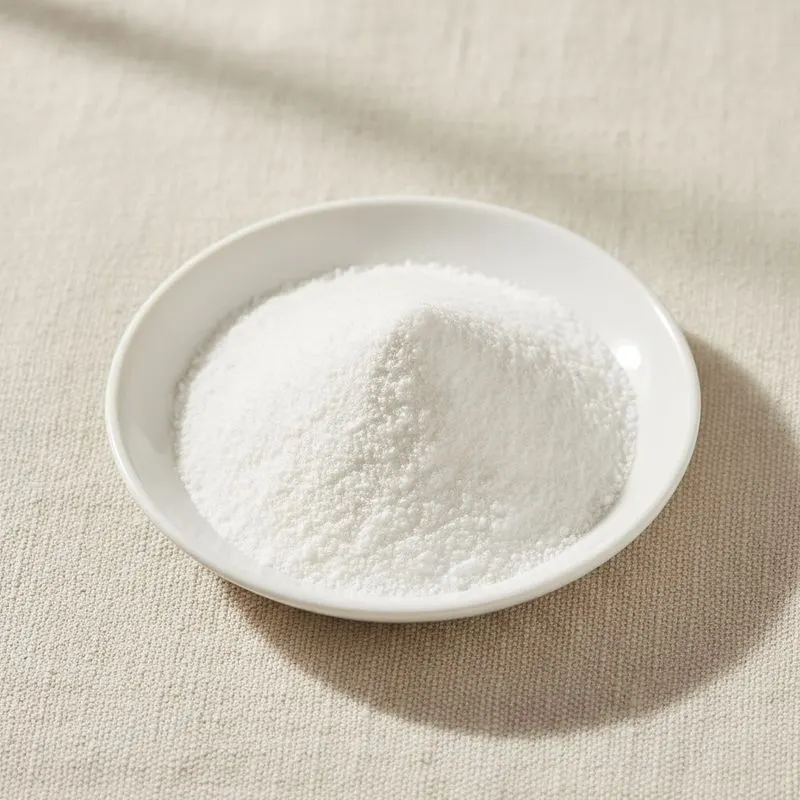
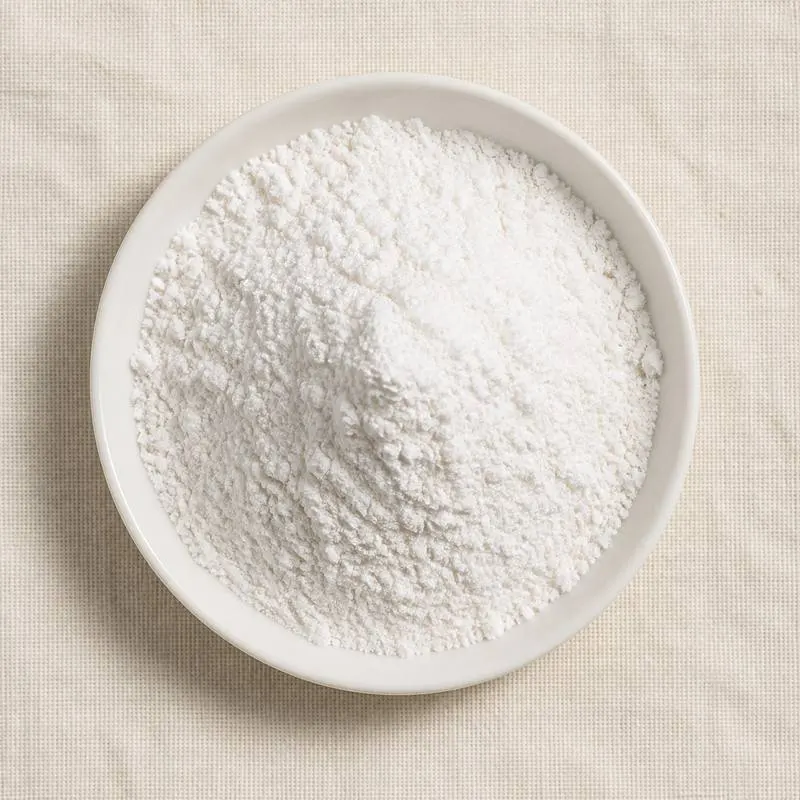
It is a white to very pale cream free flowing powder with a faint pea note, insoluble in cold water and swelling only on heating. Native pea starch is a clean label ingredient, since separation is a physical process and no chemical modification is involved.
We source bulk Pea Starch from top China manufacturers for our partners, working with several of them. The manufacturers are in Shandong. A smaller requirement can ship in a combined container with other ingredients.
Please send the grade you need, the volume and your destination port, and we will come back with a solution and a price.
or call +86-21-6858 0751
- Function
- Texturisers
Specifications
| Item | Specification |
|---|---|
| Appearance | White to pale cream free flowing powder, free of foreign matter |
| Odour and taste | Neutral, faint characteristic pea note, no off odour |
| Starch content, dry basis | 85.0 percent minimum |
| Amylose content | 30 to 40 percent of total starch |
| Moisture | 14.0 percent maximum |
| Protein, nitrogen times 6.25, dry basis | 0.5 percent maximum |
| Fat | 0.3 percent maximum |
| Ash | 0.5 percent maximum |
| pH, 10 percent slurry | 5.5 to 7.5 |
| Whiteness | 90 minimum |
| Particle size, through 100 mesh | 99 percent minimum |
| Sulphur dioxide | 30 mg/kg maximum |
| Lead | 0.5 mg/kg maximum |
| Arsenic | 0.5 mg/kg maximum |
| Total plate count | 10000 cfu/g maximum |
| Yeast and mould | 500 cfu/g maximum |
| E. coli | Absent in 1 g |
| Salmonella | Absent in 25 g |
Common Markets Grades
Native pea starch is the principal traded article, specified on starch content, moisture, protein residue and whiteness. Whiteness and residual protein are the practical points of difference between grades, since carried over protein darkens the noodle or the coating and brings the pea flavour with it. A low protein, high whiteness grade is made for glass noodle and for white sauce work, and a standard grade for extrusion and feed applications.
Modified pea starches are produced from the same base, including pregelatinised drum dried grades for cold swelling use, acid thinned grades for confectionery gels, and octenyl succinate treated grades for emulsion stabilisation. Organic certified pea starch is traded where identity preserved peas are available. High amylose selections from specific pea varieties are offered where the resistant starch fraction is the reason for buying.
Applications
- Glass noodles and vermicelli, where the high amylose content sets the firm, springy, non sticky strand that defines the product
- Meat analogues and plant based patties, binding the matrix and holding water through cooking
- Sausage and processed meat, as a binder that gels on cooking and limits the liquid released in the pack
- Batters and coatings for fried foods, forming a crisp film that stays crisp because amylose retrogrades quickly
- Gummies and jelly confectionery, as the starch gelling agent in gelatine free formulations
- Soups and sauces requiring a firm set on cooling rather than a fluid body
- Gluten free baking, supplying structure and crumb set in the absence of gluten
- Resistant starch fortification in bread, pasta and snacks, raising fibre content without altering texture greatly
- Biodegradable films and paper coatings outside food, using the film forming strength of amylose
Brands Using Pea Starch
Widely-distributed consumer products that list Pea Starch on the ingredient label.
- BanzaChickpea Penne ↗Chickpea based dry pasta with a four item ingredient list of chickpeas, pea starch, tapioca and xanthan gum, where the pea starch binds the shape.Label verified 2026-08-31
- BanzaChickpea Rotini ↗The rotini cut of the same chickpea pasta, listing chickpeas, pea starch, tapioca and xanthan gum.Label verified 2026-08-31
- VegaVega All-in-One Nutrition Shake ↗Plant protein shake powder whose ingredient list names pea starch third, after pea protein and acacia gum.Label verified 2026-08-31
- The Daily CraveQuinoa Chips Himalayan Pink Salt ↗Baked quinoa and pulse chips listing pea starch in the ingredient statement alongside pea flour, pea protein and pea fibre.Label verified 2026-08-31
Brand names, product names and logos are the property of their owners. They appear here as published evidence that the ingredient is used, taken from the brand's own label or website. Their appearance is not an endorsement, and it does not mean the brand buys from us or from any manufacturer listed on this site.
China Manufacturers of Pea Starch
Top Pea Starch manufacturers in China.
 Shandong Furun Biotechnology Co., Ltd.2 ingredients in the directory
 Shandong Jianyuan Bioengineering Co., Ltd.9 ingredients in the directory
 Shandong Jindu Talin Foods.Co., Ltd.6 ingredients in the directory
 Yantai Oriental Protein Tech Co., Ltd.2 ingredients in the directory
 Yantai Shuangta Food Co., Ltd.1 ingredient in the directory
 Yosin Biotech (Yantai) Co., Ltd.1 ingredient in the directory
Company names and logos are the property of the manufacturers themselves. They are listed here because our own directory records them as producing this ingredient. A listing is not an endorsement by them, and we do not represent them or speak on their behalf.
Regulatory Status
Native pea starch is a food, not a food additive. In the United States it is a common food ingredient labelled as pea starch and is not subject to a food additive regulation; unmodified starches are treated as foods and the relevant identity and purity criteria are those in the Food Chemicals Codex starch monograph. In the European Union native starches carry no E number and are regulated as foods, with only chemically modified starches falling into the additive framework.
Codex maintains a general standard covering the composition and quality of edible starches, and the Codex General Standard for Food Additives applies only to the modified forms. Peas are not among the major allergens requiring mandatory declaration in the United States or the European Union, although pulse allergy is recognised and some markets require voluntary or precautionary labelling. Where organic status is claimed, the relevant organic certification framework applies to the pea and to the processing aids used.
Manufacturing Process
Dehulled yellow peas are milled and slurried in water, in what is effectively a wet fractionation of the whole seed into protein, starch and fibre. The slurry is passed through decanter centrifuges and hydrocyclones, which use the density difference between the dense starch granules and the lighter protein and fibre fractions. The protein stream is drawn off for isolate manufacture, the fibre and hull fraction is separated on sieve bends, and the starch settles as the heavy phase.
The crude starch is washed in a countercurrent hydrocyclone battery, each stage displacing more of the soluble protein, phytate and pea flavour compounds with fresh water, until residual protein is brought down to the target level. The washed starch milk is dewatered on a vacuum drum filter or a peeler centrifuge to a filter cake near 60 percent solids, then dried in a flash drier or ring drier to about 12 to 14 percent moisture. The dried powder is cooled, sieved to break agglomerates, passed over a magnet and metal detector and packed. Where a pregelatinised grade is being made, the washed starch milk is instead cooked and dried on a heated drum, and the resulting sheet is milled to powder.