Roasted Meat Flavour
Roasted meat flavour is a thermal process flavouring that reproduces the aroma of meat cooked over dry heat, the browned and slightly charred character that develops on the surface of roast beef, pork or chicken rather than the softer note of a boiled broth. It is not an extract of roast meat but a reaction product, made by heating a mixture of reducing sugars, amino acids and sulphur bearing precursors together with a meat derived substrate under controlled conditions.
The aroma is built on Maillard reaction chemistry. Furanthiols and mercapto ketones give the raw meaty character, pyrazines contribute the roasted and nutty top note, and thiazoles, thiophenes and aldehydes fill in the fatty and savoury middle. The lipid fraction of the substrate decides whether the product reads as beef, pork or poultry, because most of the species character comes from the breakdown of the fat rather than from the protein.
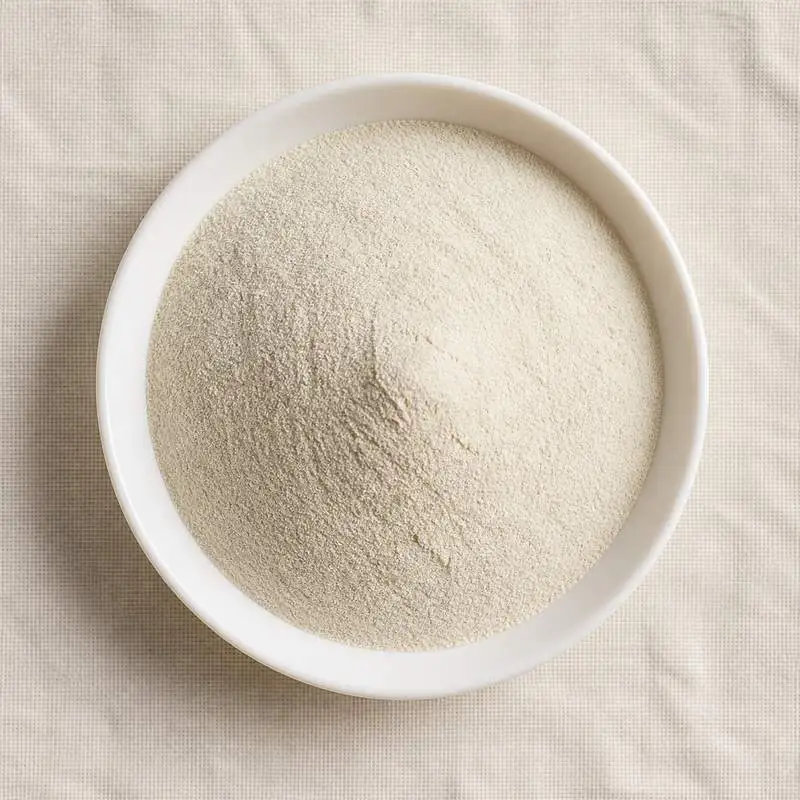
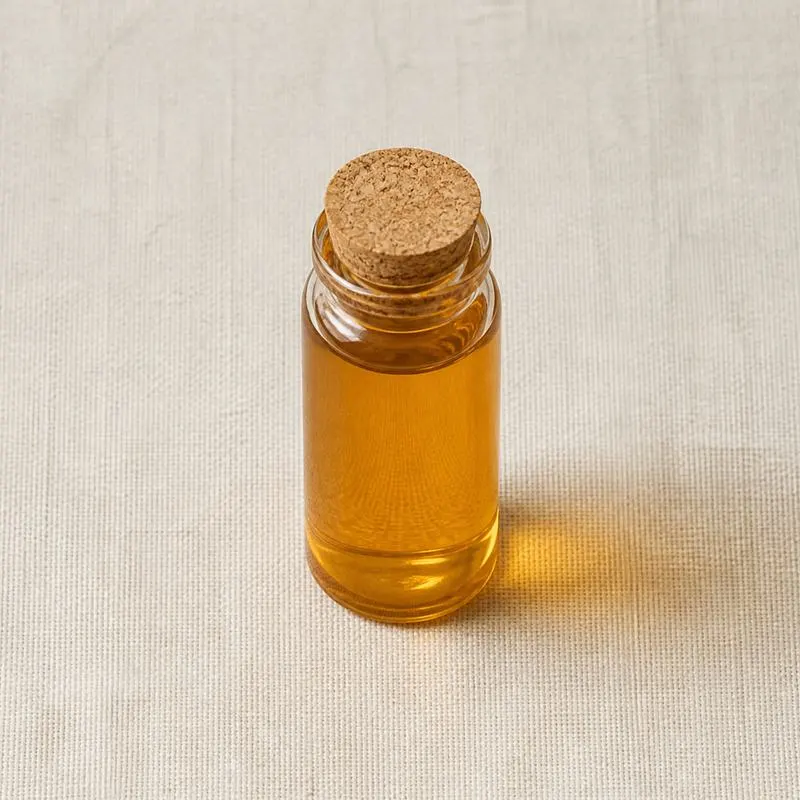
Three forms are traded: a paste, a viscous liquid, and a spray dried powder on a maltodextrin or salt carrier. Paste and powder grades disperse in hot water, oil soluble grades are carried in vegetable oil, and all forms are dosed at fractions of a percent because the active aroma compounds work at parts per million in the finished food.
We source bulk Roasted Meat Flavour from top China manufacturers for our partners. The manufacturer is in Hebei. A smaller requirement can ship in a combined container with other ingredients.
Please send the grade you need, the volume and your destination port, and we will come back with a solution and a price.
or call +86-21-6858 0751
- Function
- Flavours and Aromas
Specifications
| Item | Specification |
|---|---|
| Appearance | Light brown to dark brown paste or free flowing powder |
| Odour and Taste | Characteristic roasted meat, no scorched, sour or rancid note |
| Moisture | Paste 18 to 25%, powder not more than 5.0% |
| Sodium Chloride | Declared per grade, typically 8 to 40% |
| Total Nitrogen | Not less than 2.0% on dry basis |
| pH, 10% solution | 5.0 to 6.5 |
| Solubility | Disperses completely in water at 60 C |
| Lead | Not more than 1.0 mg/kg |
| Arsenic | Not more than 0.5 mg/kg |
| Total Plate Count | Not more than 10000 cfu/g |
| Yeast and Mould | Not more than 100 cfu/g |
| E. coli | Absent in 1 g |
| Salmonella | Absent in 25 g |
Common Markets Grades
Grades are separated first by physical form. Paste grades hold the fullest and most rounded profile and are used where a slurry or a wet seasoning is being made; powder grades are spray dried and free flowing, suited to dry seasoning blends and to instant noodle sachets; oil grades are dispersed in vegetable oil for fried products and for seasoning oils. Water soluble and oil soluble versions of the same profile are usually offered as a pair.
Beyond form, the trade description covers species direction, beef, pork, chicken or lamb, and intensity, quoted as a recommended dosage rate in grams per kilogram rather than as an assay. Halal and kosher certified versions use non porcine substrates, and vegetarian versions replace the meat substrate with hydrolysed vegetable protein and yeast extract while keeping the same reaction route. Powder grades are further specified by carrier, by salt content and by particle size where the blend has to match a co-blended seasoning.
Applications
- Instant noodle seasoning sachets, where it supplies the roast character that a dried broth base lacks
- Bouillon cubes and powdered stock, lifting a thin extract base to a cooked meat profile
- Savoury snack seasonings for extruded and fried snacks, applied in the oil or powder phase
- Retorted and canned meat products, restoring aroma lost during sterilisation
- Meat analogues and plant protein patties, where no animal derived aroma is generated during cooking
- Frozen ready meals and central kitchen sauces that are reheated rather than cooked to order
- Marinades and injection brines for roast chicken and roast pork, carrying flavour below the surface
- Pet food palatants, where the roasted note drives acceptance
- Compound sauces, barbecue sauces and gravy bases needing a browned meat foundation
China Manufacturers of Roasted Meat Flavour
Top Roasted Meat Flavour manufacturers in China.
Company names and logos are the property of the manufacturers themselves. They are listed here because our own directory records them as producing this ingredient. A listing is not an endorsement by them, and we do not represent them or speak on their behalf.
Regulatory Status
The product is a flavouring rather than a food additive and carries no E number. In the European Union it is regulated as a thermal process flavouring under the flavourings framework, which sets the permitted starting materials, limits the reaction temperature and time, and caps certain process contaminants in the finished flavouring. Any individual flavouring substance blended in after the reaction must appear on the Union list of authorised flavouring substances, and the labelled name must reflect whether the product qualifies as natural.
In the United States reaction flavours of this type are cleared through the FEMA GRAS programme, and the substrates used, hydrolysed protein, yeast extract, rendered fat and spices, are themselves recognised food ingredients. Manufacture falls under preventive controls for human food. Where a meat or poultry substrate is used the product contains an ingredient of animal origin and Department of Agriculture requirements apply to that fraction. Codex handles the material through its general guidelines for flavourings rather than through a numbered additive specification.
Manufacturing Process
Manufacture starts with a precursor blend. A reducing sugar such as xylose or glucose, cysteine and other amino acids, thiamine, a hydrolysed vegetable protein or yeast extract, and a meat substrate in the form of rendered fat, bone extract or enzymatically hydrolysed meat are weighed into a jacketed reactor with water. The mixture is adjusted to a set pH, sealed, and heated under pressure on a defined time and temperature curve, typically well above the boiling point of water so that Maillard and Strecker reactions run to the roasted rather than the boiled end point.
The reacted mass is cooled and neutralised, then either finished as a paste after concentration under vacuum, or blended with maltodextrin, salt and an emulsifier and spray dried into a free flowing powder. Top note aroma chemicals and spice oleoresins are added after the reaction, since they would be destroyed by it, and the batch is standardised against a retained sensory reference before filling into lined drums, pails or lined bags.