Glucose
Glucose is the six carbon aldohexose sugar with the formula C6H12O6, the monosaccharide from which starch, cellulose, maltose and sucrose are all built and the sugar that circulates in blood. The form used in food and pharmaceutical manufacture is the D enantiomer, traded under the name dextrose to distinguish the commercial article from glucose in the general chemical sense and from glucose syrup, which is a mixture of saccharides rather than pure glucose.
In solution the molecule exists mainly as two cyclic pyranose forms that interconvert through the open chain aldehyde, an equilibrium reached over minutes and known as mutarotation. Because the aldehyde group is available, glucose is a reducing sugar: it participates readily in Maillard browning with amino groups, which is why a glucose containing dough browns faster than a sucrose one, and it reduces Fehling's and Benedict's reagents, the basis of the classical assay.
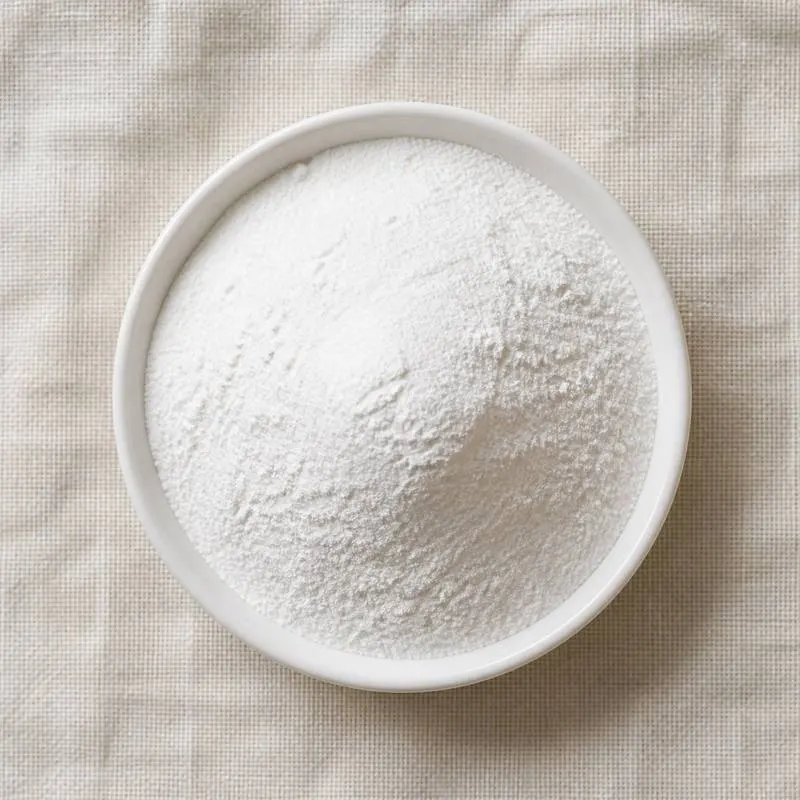
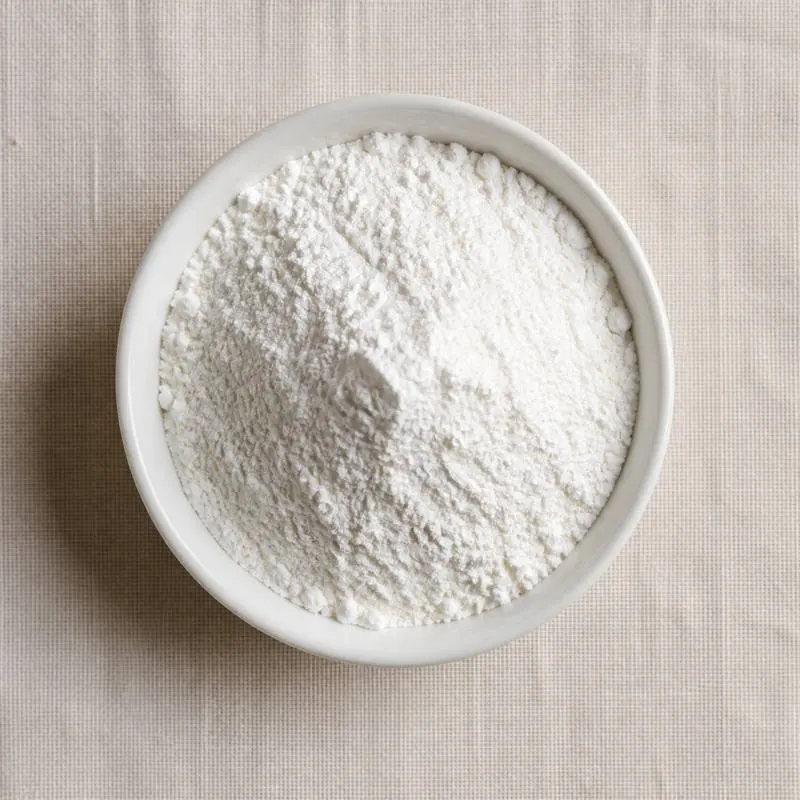
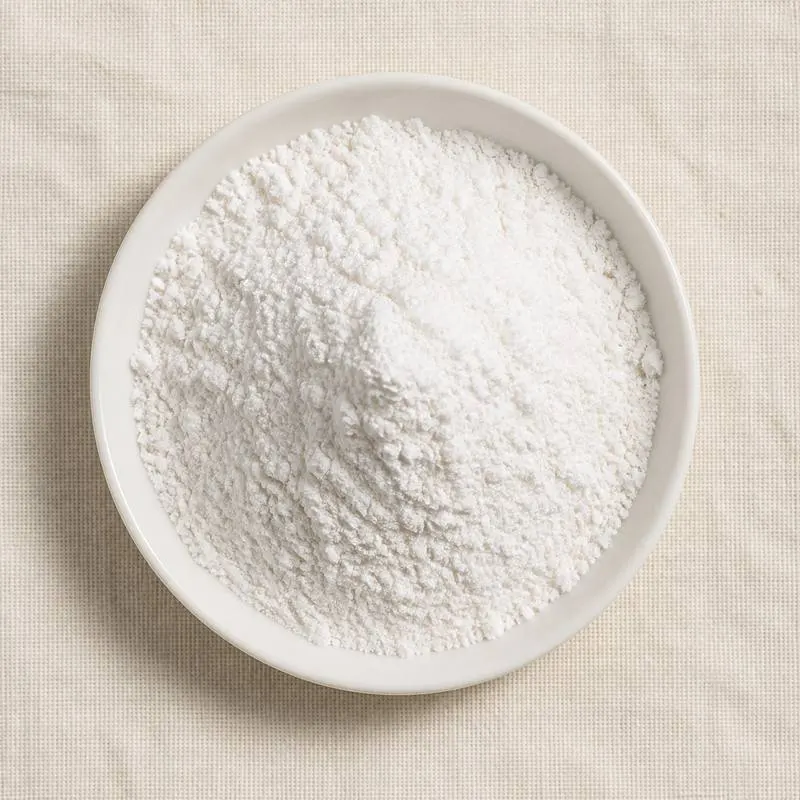
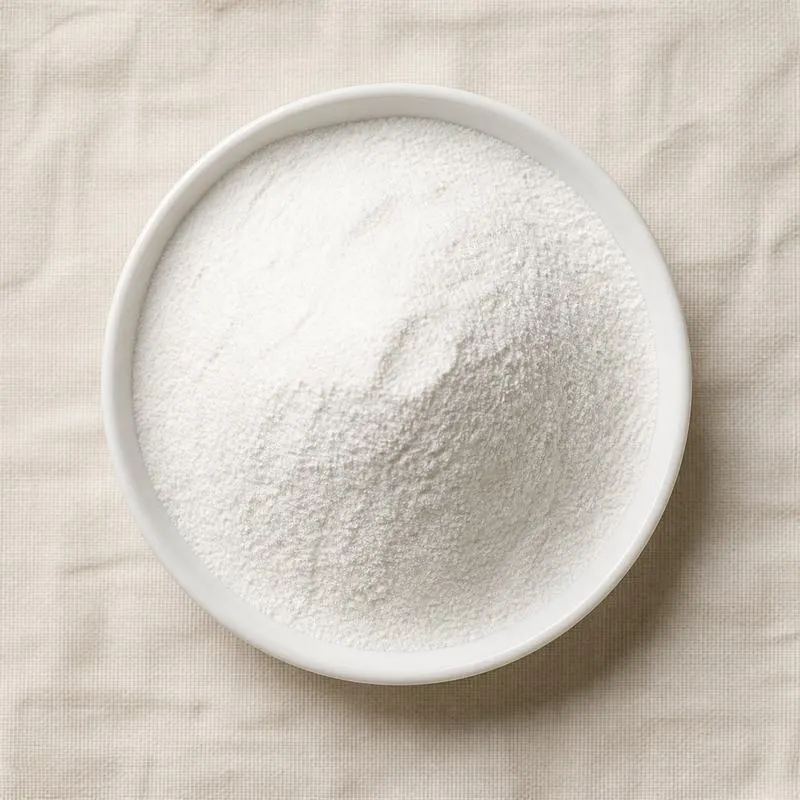
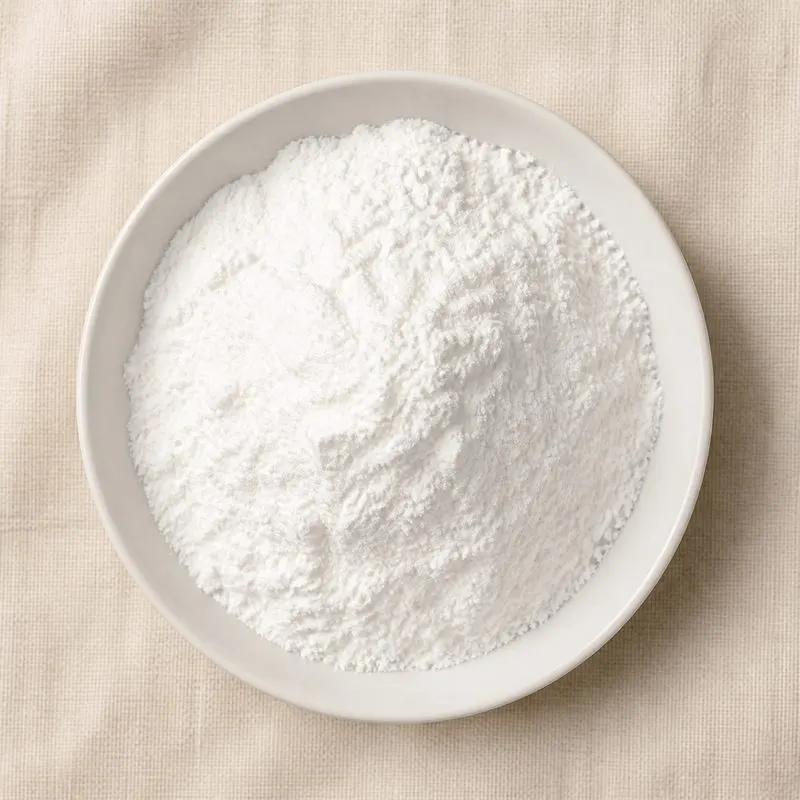
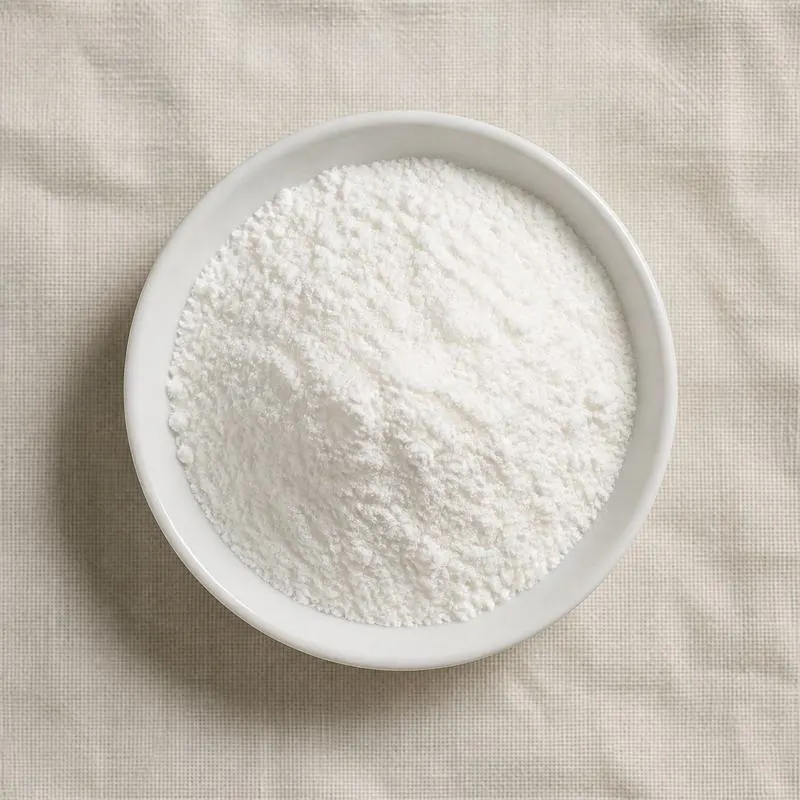
It is about 70 to 80 percent as sweet as sucrose, with a clean profile and a mild cooling effect on dissolution. It comes as a white crystalline powder or granulate in two hydration states, the monohydrate and the anhydrous form, and as syrup. Solubility in water is high and rises sharply with temperature, and glucose is directly fermentable by yeast and taken up directly by most microorganisms, which makes it both a food ingredient and the standard carbon source for industrial fermentation.
We source bulk Glucose from top China manufacturers for our partners. The manufacturers are in Shandong. A smaller requirement can ship in a combined container with other ingredients.
Please send the grade you need, the volume and your destination port, and we will come back with a solution and a price.
or call +86-21-6858 0751
- Function
- Texturisers
Specifications
| Item | Specification |
|---|---|
| Appearance | White crystalline powder or granulate, odourless, sweet taste |
| Assay, dextrose on dry basis | 99.5 percent minimum |
| Identification | Infrared spectrum and specific rotation conform to reference |
| Specific rotation | Plus 52.5 to plus 53.3 degrees |
| Loss on drying, monohydrate | 7.5 to 9.5 percent |
| Sulphated ash | 0.1 percent maximum |
| Solution colour and clarity | Clear, not more coloured than reference solution |
| pH, 10 percent aqueous solution | 4.0 to 6.5 |
| Chloride | 125 mg/kg maximum |
| Sulphate | 200 mg/kg maximum |
| Sulphur dioxide | 20 mg/kg maximum |
| Lead | 0.5 mg/kg maximum |
| Arsenic | 1.0 mg/kg maximum |
| Total plate count | 1000 cfu/g maximum |
| Yeast and mould | 100 cfu/g maximum |
| E. coli | Absent in 1 g |
| Salmonella | Absent in 25 g |
Common Markets Grades
The primary distinction is between dextrose monohydrate, which carries one molecule of water of crystallisation and assays around 91 percent glucose on an as is basis, and dextrose anhydrous, which is crystallised above about 50 degrees Celsius and assays above 99 percent. Monohydrate is the cheaper and more widely used article; anhydrous is specified where water contributed by the sugar is unacceptable, in dry blends, tabletting and parenteral manufacture.
Beyond hydration state, end use decides the grade: food grade meets the Food Chemicals Codex specification. Pharmaceutical grade meets the USP-NF and European Pharmacopoeia dextrose monographs and carries tighter limits on colour, sulphated ash and particulate matter, with a further injection grade specifying bacterial endotoxin for parenteral solutions. Fermentation grade is a lower cost material where colour and appearance matter less than sugar content. Physical forms run from coarse crystal through fine and milled powder to spray dried and agglomerated grades for instant dissolution and direct compression.
Applications
- Bakery, where it is directly fermentable by yeast and drives crust colour through Maillard browning faster than sucrose
- Confectionery and chewy sweets, contributing bulk, a mild cooling effect and controlled crystallisation
- Sports and rehydration drinks, as a rapidly absorbed carbohydrate and osmotic agent
- Intravenous and oral rehydration solutions, in pharmaceutical grade, as the energy source and tonicity agent
- Fermentation feedstock for amino acids, organic acids, antibiotics, enzymes and yeast, as the standard carbon source
- Cured meat products, where it feeds the starter culture and contributes to colour development
- Ice cream and frozen desserts, depressing the freezing point and controlling ice crystal growth
- Tablet manufacture, as a directly compressible filler and binder in the spray dried grade
- Caramel colour and caramel flavour manufacture, as the reducing sugar substrate
- Chocolate and coating compounds, ground into the fat phase where a cooling mouthfeel is wanted
Brands Using Glucose
Widely-distributed consumer products that list Glucose on the ingredient label.
- MaurtenGel 100 ↗The energy gel's ingredient list reads water, glucose, fructose, sodium alginate, gluconic acid and calcium carbonate, with glucose and fructose in a 1 to 0.8 ratio.Label verified 2026-08-31
- MaurtenGel 100 Caf 100 ↗The caffeinated version lists water, glucose, fructose, sodium alginate, gluconic acid, calcium carbonate and caffeine.Label verified 2026-08-31
Brand names, product names and logos are the property of their owners. They appear here as published evidence that the ingredient is used, taken from the brand's own label or website. Their appearance is not an endorsement, and it does not mean the brand buys from us or from any manufacturer listed on this site.
China Manufacturers of Glucose
Top Glucose manufacturers in China.
 Qingyuan Foodstuff Co., Ltd.9 ingredients in the directory
 Weifang Shengtai Medicine Co., Ltd.1 ingredient in the directory
Company names and logos are the property of the manufacturers themselves. They are listed here because our own directory records them as producing this ingredient. A listing is not an endorsement by them, and we do not represent them or speak on their behalf.
Regulatory Status
In the United States glucose is a food rather than a food additive. It is regulated under the standards for corn sugar and related products, is treated as generally recognised as safe in its ordinary food uses, and is labelled as dextrose. The Food Chemicals Codex carries identity and purity specifications for dextrose monohydrate and dextrose anhydrous, and the USP-NF dextrose monographs govern pharmaceutical use, with separate requirements for material intended for parenteral preparations.
In the European Union dextrose is a sugar regulated under the sugars directive, which lays down compositional criteria and reserved names for dextrose monohydrate and dextrose anhydrous, and it carries no E number. Pharmaceutical grade complies with the European Pharmacopoeia glucose monographs. Codex maintains standards for sugars covering dextrose anhydrous, dextrose monohydrate and glucose syrup, which set the dextrose equivalent, moisture, ash and sulphur dioxide criteria used in international trade. Where maize starch is the feedstock, the finished sugar contains no maize protein and is not treated as an allergen.
Manufacturing Process
Glucose is manufactured by the complete hydrolysis of starch, in practice almost always maize starch from a wet milling plant, though wheat, cassava and potato starch are used regionally. Starch milk at about 30 to 35 percent solids is dosed with a thermostable alpha amylase and jet cooked at around 105 to 110 degrees Celsius, which gelatinises the granules and randomly cleaves the chains to soluble dextrins. The liquefied stream is flashed, cooled to about 60 degrees Celsius and adjusted to mildly acid pH.
Saccharification follows in a holding tank with glucoamylase, which cleaves glucose units one at a time from the non reducing ends of the dextrins, and often with a debranching pullulanase to open the alpha 1,6 branch points that glucoamylase attacks only slowly. The reaction runs for one to three days until the dextrose equivalent exceeds about 95. The liquor is then filtered on a rotary vacuum precoat filter or membrane to remove protein and residual fat, decolourised over granular activated carbon, and demineralised through cation and anion exchange resin beds. The refined liquor is evaporated under vacuum to a supersaturated syrup, seeded and cooled slowly in a crystalliser over one to five days, then centrifuged to separate the crystals from the mother liquor. Crystallisation below about 50 degrees Celsius yields the monohydrate and above it the anhydrous form. The crystals are washed, dried in a fluid bed or rotary drier, cooled, screened to the target particle size and packed.