Saponified Paprika
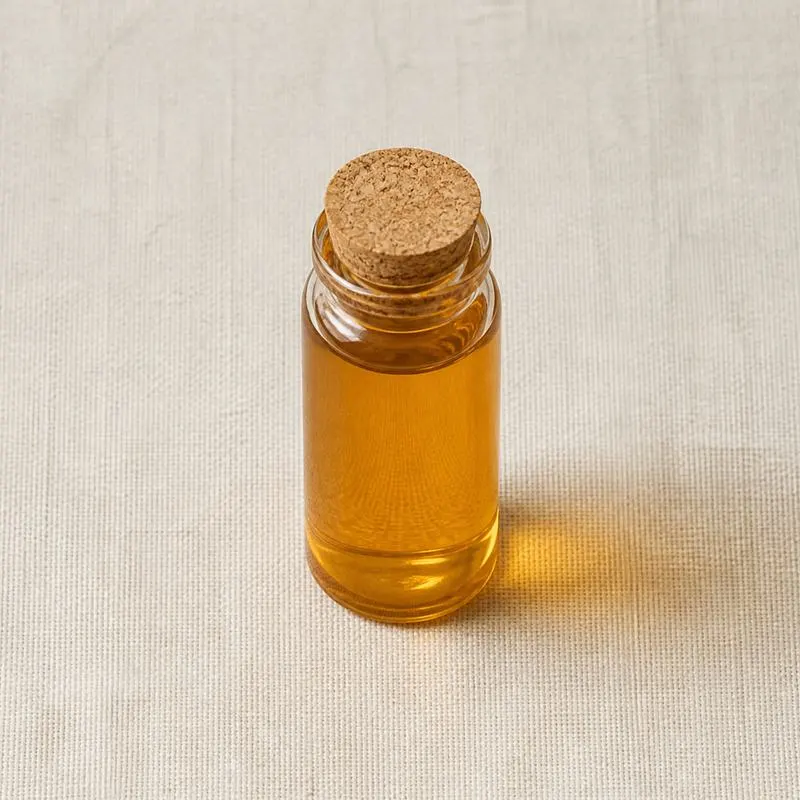
Saponified Paprika is a paprika oleoresin that has been treated with food-grade alkali so that the carotenoid pigments, which are mostly present as fatty-acid esters in the raw extract, are converted to their free alcohol forms.
The saponification step strips off the fatty-acid groups and the accompanying triglycerides. What remains is a brighter, cleaner, more colour-efficient material with a higher colour value per kilogram than the parent oleoresin.
We source bulk Saponified Paprika from top China manufacturers for our partners. The manufacturer is in Shandong. A smaller requirement can ship in a combined container with other ingredients.
Please send the grade you need, the volume and your destination port, and we will come back with a solution and a price.
or call +86-21-6858 0751
- Packaging
- 20 kg fibre drum, light-shielded
- ISO 9001
- HACCP
- Halal
- Kosher
Specifications
Grades / Types Available: Food Grade, Feed Grade
| Item | Specification |
|---|---|
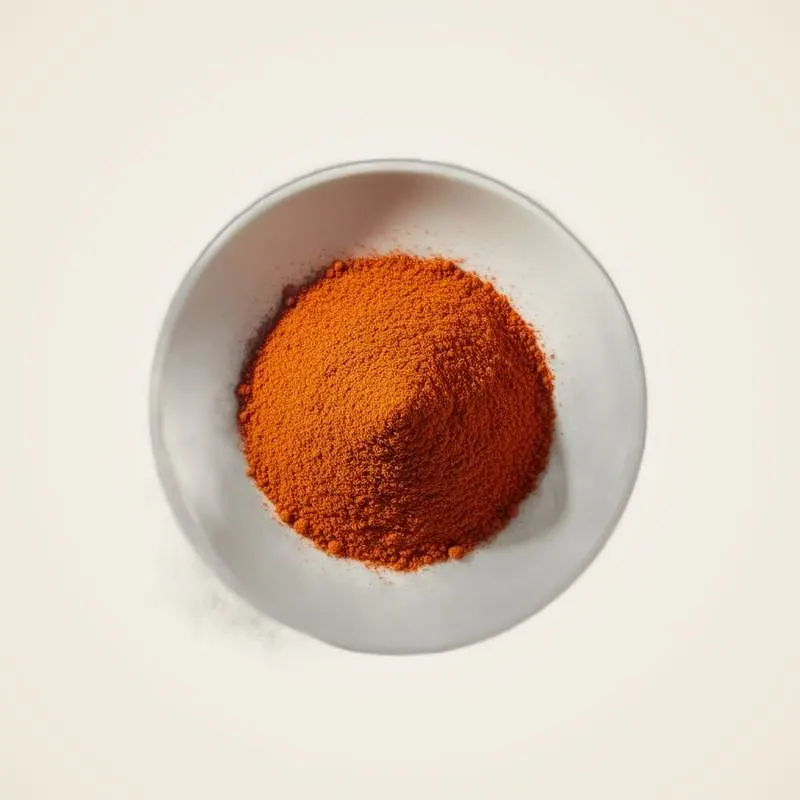
| Appearance | Orange-red free-flowing powder |
| Colour Value (CU) | 10,000-50,000 CU |
| Dispersibility | Water-dispersible |
| Moisture | ≤ 6.0% |
| Heavy Metals (as Pb) | ≤ 2 mg/kg |
| Total Plate Count | ≤ 5,000 cfu/g |
| Purity (Food Grade) | ≥ 30% |
| Moisture/Loss on Drying | ≤ 10% |
| pH | 5.0 - 7.0 |
| Ash | ≤ 5% |
| Lead | ≤ 1 ppm |
| Arsenic | ≤ 0.5 ppm |
| Yeast & Mold | ≤ 100 cfu/g |
Common Markets Grades
Saponified Paprika is graded on colour value (CV) in ASTA units. Typical grades run from 60,000 CV up to 150,000 CV.
Premium oil-soluble saponified grades reach 150,000 to 200,000 CV in concentrated form, intended for low-dose use in dairy, sauces, and snack seasonings.
Water-dispersible saponified paprika is a polysorbate or gum-acacia emulsion at 20,000 to 60,000 CV for beverages, soft drinks, and clear sauces.
Spray-dried beadlets on a maltodextrin or modified-starch matrix carry 1 to 10 percent colour for dry seasoning blends, snack dusts, and instant soup powders.
The pungent capsaicinoid fraction is removed or kept low in all grades, since saponified paprika is sold as a colour rather than as a heat ingredient.
Applications
- Processed cheese, cheese sauces, and cheese-flavoured snack coatings
- Snack seasonings on tortilla chips, popcorn, cheese puffs, and nut coatings
- Sausage, salami, and chorizo for surface and matrix colour
- Sauces, ketchups, and barbecue glazes seeking a deeper red-orange tone
- Ready meals, retort curries, and instant-noodle sachets
- Salad dressings and creamy dips
- Margarine, spreads, and dairy alternatives
- Confectionery panned coatings and gum coatings in orange-red shades
- Soft drinks, sports beverages, and ready-to-drink teas in water-dispersible grades
- Pet food coatings and aquaculture feed for visible colour enhancement
China Manufacturers of Saponified Paprika
Top Saponified Paprika manufacturers in China.

Company names and logos are the property of the manufacturers themselves. They are listed here because our own directory records them as producing this ingredient. A listing is not an endorsement by them, and we do not represent them or speak on their behalf.
How We Help Source Saponified Paprika
Direct Factory Sourcing
We run the whole process: selecting the manufacturer from the top Chinese food ingredient producers, negotiating the price, verifying quality, and coordinating the logistics. You deal with us instead of with several factories at once.
Original Packaging and Documents from the Manufacturer
The manufacturer sends your Saponified Paprika out of its own factory in the original packing, through to your destination port. The COA, COO, MSDS, TDS and any certifications reach you from the manufacturer as well.
Free Samples and Lead Time
We send 100 to 500 g free for your own laboratory to test and you cover only the courier, usually within 2 to 3 working days. ETD is usually within 7 to 15 days once the order is confirmed, and we check that date against the factory's own manufacturing schedule before we give it to you.
Combined Shipment
We can load Saponified Paprika together with other ingredients such as Capsicum Oleoresin, Ethyl Maltol and White Pepper into one 20' FCL. If your quantity is small, we can also ship LCL.
Regulatory Status
Paprika extract is regulated as a food colour in essentially every regulated market, and the saponified variant sits under the same rules as the unsaponified parent.
In the European Union it carries the E number E160c. The 2015 EFSA re-evaluation set specifications by total carotenoid content and limited the residual capsaicinoid content to no more than 250 mg/kg in the colourant itself, which saponified grades easily meet.
The U.S. Food and Drug Administration permits paprika and paprika oleoresin as colour additives exempt from certification under 21 CFR 73.340 and 21 CFR 73.345, with no quantitative use limit beyond good manufacturing practice.
JECFA has reviewed paprika extract and assigned it a group acceptable status, recognising capsanthin and capsorubin as the principal colouring constituents.
Halal and Kosher certifications are widely available, since the saponification step uses inorganic alkalis and the carriers are plant-derived.
Manufacturing Process
The starting material is paprika oleoresin, the hexane- or ethanol-extracted oil from dried sweet paprika pods (Capsicum annuum).
The oleoresin is dissolved in ethanol or in a propylene-glycol working solvent and treated with a controlled dose of potassium hydroxide or sodium hydroxide at moderate temperature under a nitrogen blanket.
The alkali hydrolyses the fatty-acid esters of capsanthin, capsorubin, and their cohort, releasing the free carotenoid alcohols and a mixture of soaps of the fatty acids that were previously attached.
The reaction mass is then neutralised, washed to remove the soaps and any inorganic salts, and filtered. The carotenoid-rich phase is concentrated under vacuum and re-dissolved in the chosen carrier (refined vegetable oil for oil-soluble grades, polysorbate or gum acacia for water-dispersible grades).
The finished concentrate is standardised to a target colour value by blending. Capsaicinoid content is verified at low parts-per-million by HPLC before release.