Sarcosine
Sarcosine is N-methylglycine, the simplest N substituted amino acid, with the formula C3H7NO2 and a molecular weight of 89.09. It occurs naturally as an intermediate in choline and glycine metabolism and is found in muscle and other tissues.
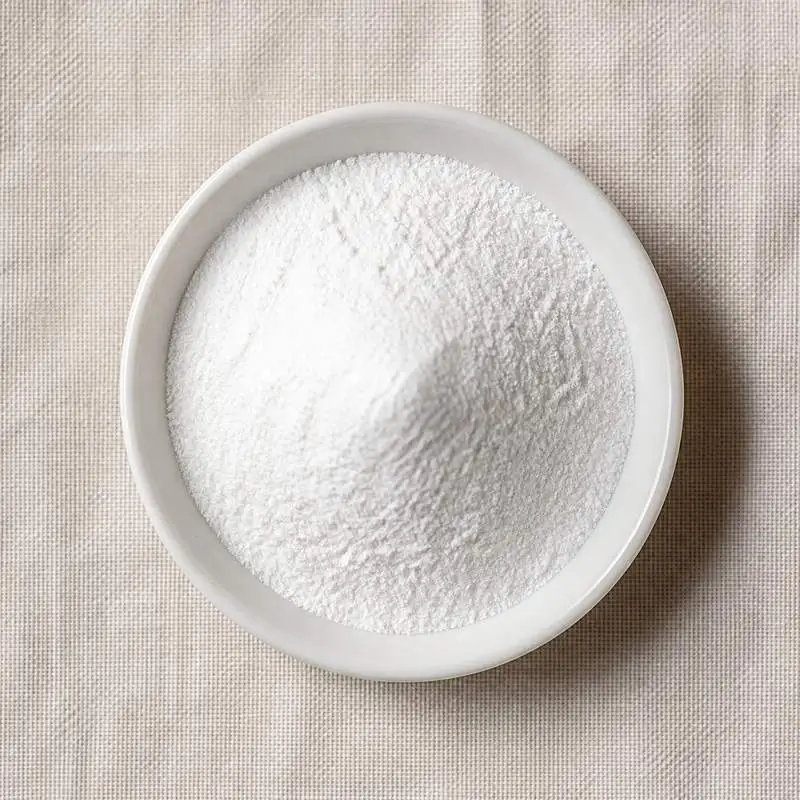
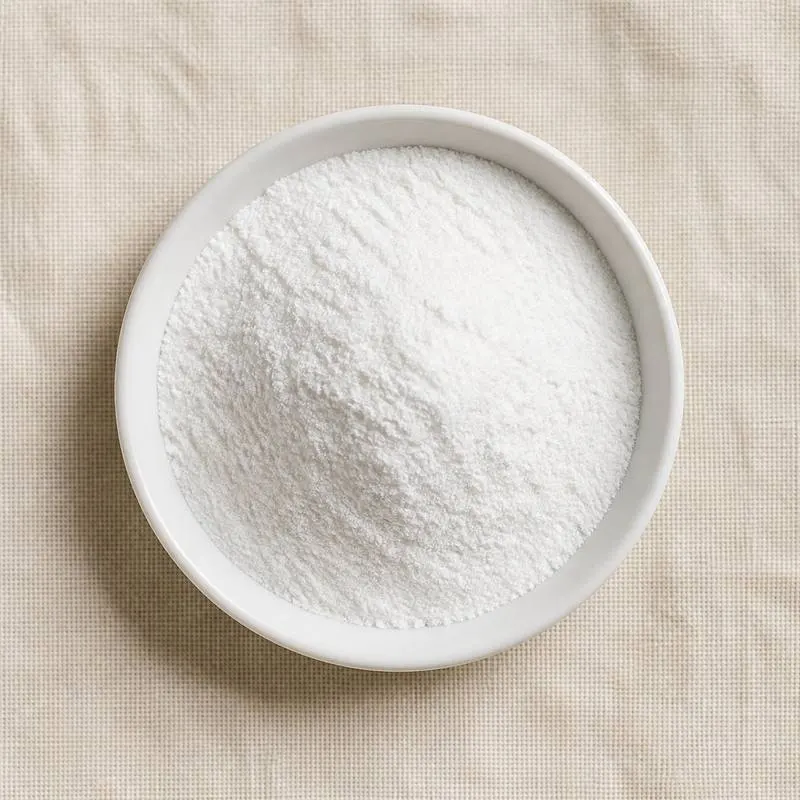
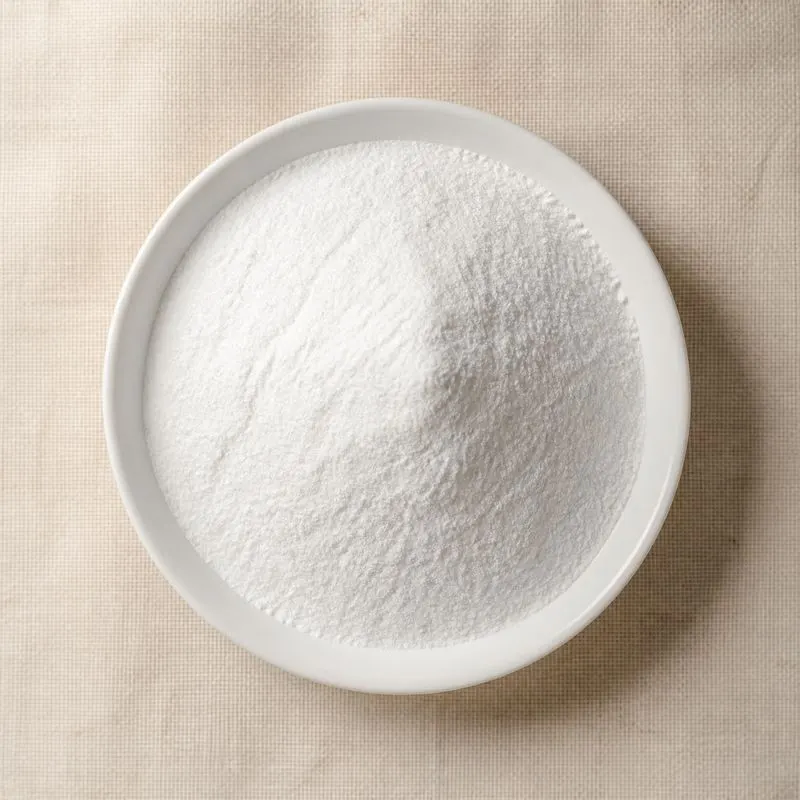
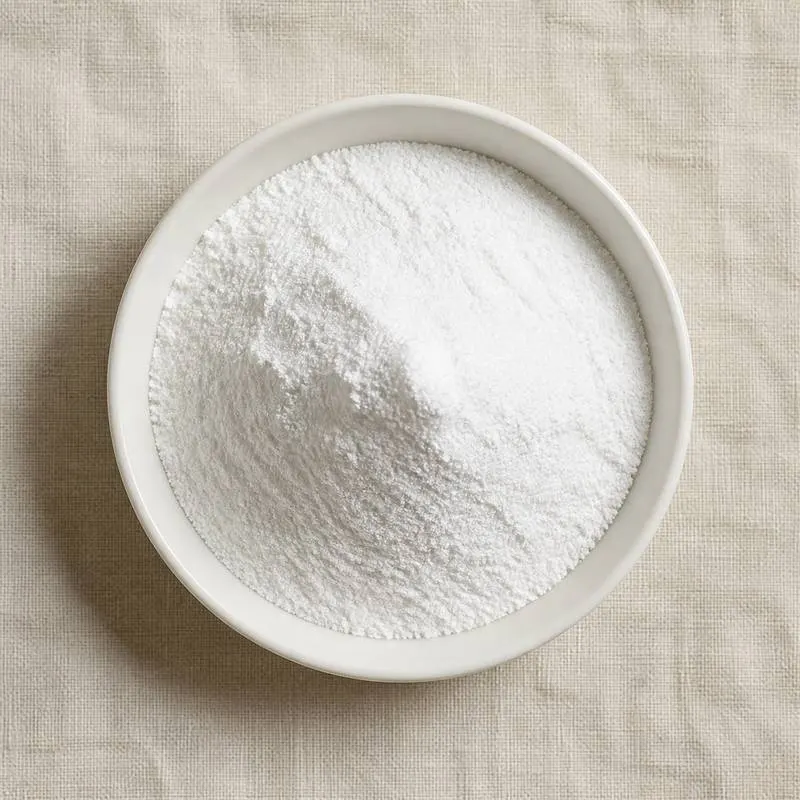
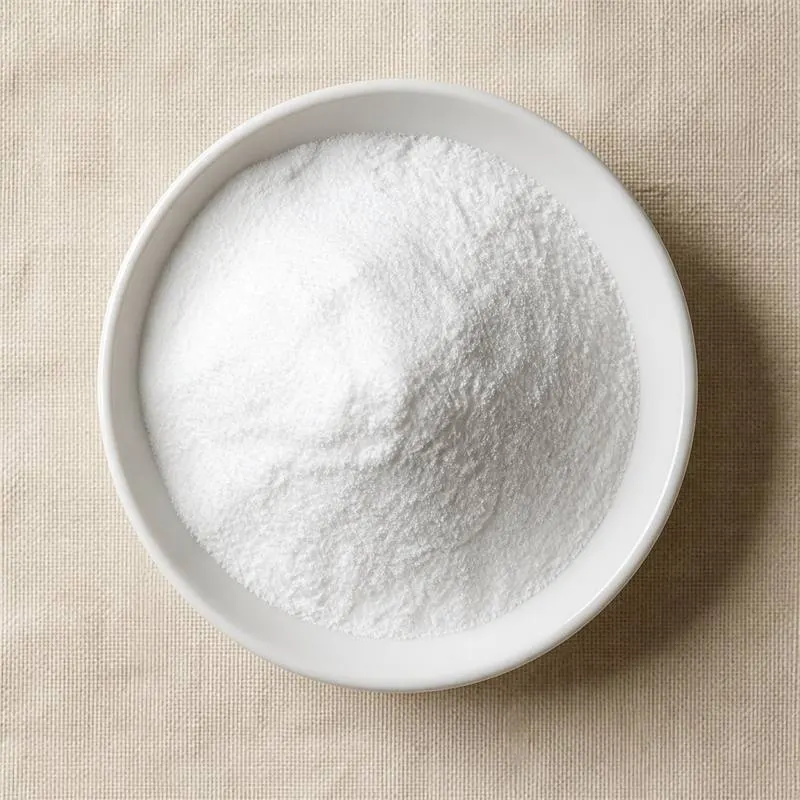
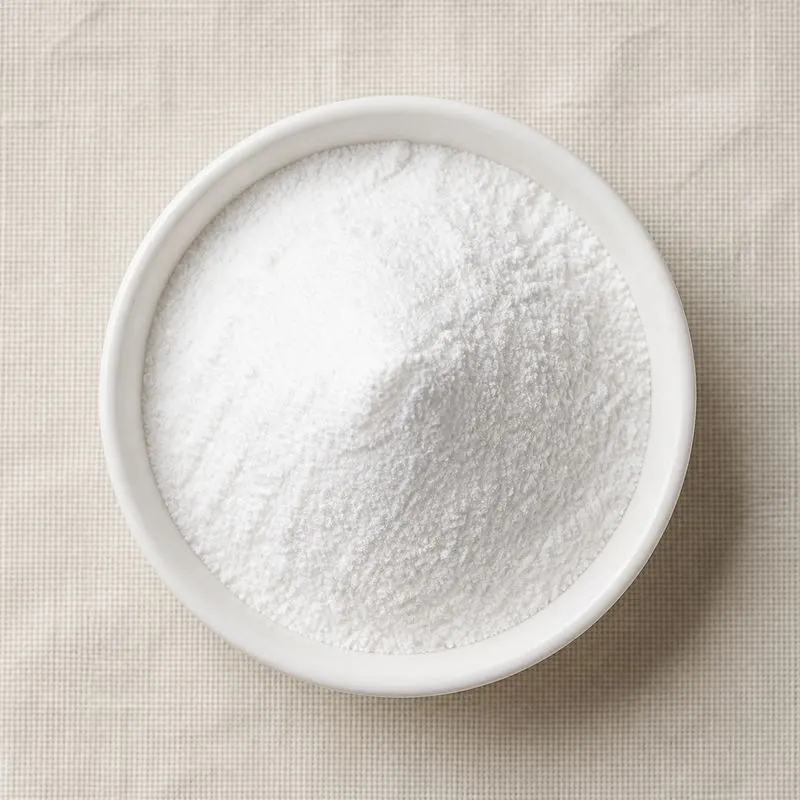
The commercial material is a white crystalline powder, freely soluble in water and giving a solution close to neutral. It is sweetish in taste, non hygroscopic in normal storage and stable to heat well above the temperatures used in processing, decomposing only near its melting point above 200 degrees Celsius. As an amphoteric molecule it exists as a zwitterion at neutral pH and buffers weakly in both acid and alkaline directions.
Commercially sarcosine sits mainly upstream of other products rather than being consumed directly. Its largest outlet is as the amine component of sarcosinate surfactants, and its sodium salt, sodium sarcosinate, is the article usually traded for that purpose. Smaller quantities go into nutritional supplements, buffers and biochemical reagents.
We source bulk Sarcosine from top China manufacturers for our partners. The manufacturer is in Zhejiang. A smaller requirement can ship in a combined container with other ingredients.
Please send the grade you need, the volume and your destination port, and we will come back with a solution and a price.
or call +86-21-6858 0751
- Function
- Amino acid
Specifications
| Item | Specification |
|---|---|
| Appearance | White crystalline powder |
| Identification | Conforms by infrared spectrum |
| Assay (on dried basis) | Not less than 99.0% |
| Melting range | 208 to 212 degrees Celsius with decomposition |
| Loss on drying | Not more than 0.5% |
| Residue on ignition | Not more than 0.2% |
| pH (5% aqueous solution) | 5.5 to 7.0 |
| Chloride | Not more than 0.1% |
| Iminodiacetic acid and related substances | Not more than 0.5% |
| Iron | Not more than 10 mg/kg |
| Heavy metals (as Pb) | Not more than 10 mg/kg |
| Arsenic | Not more than 1.0 mg/kg |
| Solution clarity and colour | Clear, not more intensely coloured than reference |
| Particle size | Not less than 95% through 40 mesh |
Common Markets Grades
Sarcosine reaches the market in two forms: the free acid as a crystalline powder, and sodium sarcosinate solution at typically 30 to 40 percent active, which is the form fed directly to surfactant manufacture. The free acid is offered as a technical grade for chemical synthesis, assaying around 98 percent, and as a higher purity grade at 99 percent or better for nutritional, cosmetic and reagent use, with the higher grade differing in colour, residual chloride and iron content.
Particle size options are limited to a standard crystalline powder and a milled grade for faster dissolution. A pharmaceutical or reagent grade with pharmacopoeial style documentation, heavy metal profiling and related substance limits is available in smaller pack sizes, and cosmetic grade material is documented against the INCI name sarcosine.
Applications
- Manufacture of sarcosinate surfactants such as sodium lauroyl sarcosinate, used in toothpaste, shampoo and facial cleansers
- Intermediate in the synthesis of glyphosate and other agrochemicals
- Corrosion inhibitor formulations, where the chelating amino acid structure is used in metal treatment fluids
- Nutritional supplements as a glycine derivative, sold in capsule and powder form
- Biochemical buffers and electrophoresis reagents, taking advantage of the zwitterionic behaviour
- Cell culture and microbiological media as a nitrogen and methyl group source
- Cosmetic formulations directly, where it is used as a conditioning and antistatic agent
- Feed and pet food supplements as a methylated glycine source
- Building block in fine chemical and peptide synthesis, where the N-methyl group is wanted in the finished molecule
Brands Using Sarcosine
Widely-distributed consumer products that list Sarcosine on the ingredient label.
- Nootropics DepotSarcosine Chewable Tablets 500 mg ↗A chewable tablet whose supplement facts list sarcosine, given as N-methylglycine, at 500 mg per tablet.Label verified 2026-08-31
- SupersmartSarcosine 500 mg Vegetarian Capsules ↗Each pullulan capsule carries 500 mg of sarcosine with acacia gum as the only other ingredient.Label verified 2026-08-31
Brand names, product names and logos are the property of their owners. They appear here as published evidence that the ingredient is used, taken from the brand's own label or website. Their appearance is not an endorsement, and it does not mean the brand buys from us or from any manufacturer listed on this site.
China Manufacturers of Sarcosine
Top Sarcosine manufacturers in China.

Company names and logos are the property of the manufacturers themselves. They are listed here because our own directory records them as producing this ingredient. A listing is not an endorsement by them, and we do not represent them or speak on their behalf.
Regulatory Status
Sarcosine is not an authorised food additive in the European Union, has no E number, and is not among the amino acids listed for use in food supplements under the annex to Directive 2002/46/EC, so its European uses are chemical, cosmetic and reagent rather than food. It is registered under the REACH regulation for those industrial applications, and it appears in the cosmetic ingredient inventory under the INCI name sarcosine.
In the United States sarcosine is used as a dietary ingredient in supplements manufactured under 21 CFR Part 111 and as a component of cosmetic and personal care products. It has no food additive regulation and is not affirmed as generally recognised as safe for use in conventional foods, so food contact and food ingredient uses are limited. Codex and JECFA have not evaluated it or issued a specification monograph.
Manufacturing Process
The dominant industrial route condenses monochloroacetic acid with aqueous methylamine. Monochloroacetic acid is first neutralised with caustic soda to sodium chloroacetate, then an excess of methylamine is added under alkaline conditions and moderate temperature, displacing chloride and giving sodium sarcosinate together with sodium chloride as the co product. Excess methylamine is stripped and recovered for reuse, since it is the reagent that drives the reaction and controls the amount of the dialkylated by product formed.
The sodium sarcosinate liquor is either sold as a solution or worked up to free sarcosine. For the free acid, the solution is acidified, most often with hydrochloric acid, and the salt is removed by crystallisation or by passage through ion exchange resin, after which the liquor is decolourised over activated carbon, concentrated under vacuum and cooled to crystallise sarcosine. The crystals are centrifuged, washed with cold water or alcohol, dried in a fluid bed or vacuum drier and milled and sieved to the contracted grade.