L-Glutamic Acid
L-Glutamic Acid is an acidic α-amino acid with the formula C₅H₉NO₄ and a molar mass of 147.13 g/mol. The carboxylic group on its five-carbon side chain is fully ionised at neutral pH, which gives the molecule a net negative charge under physiological conditions.
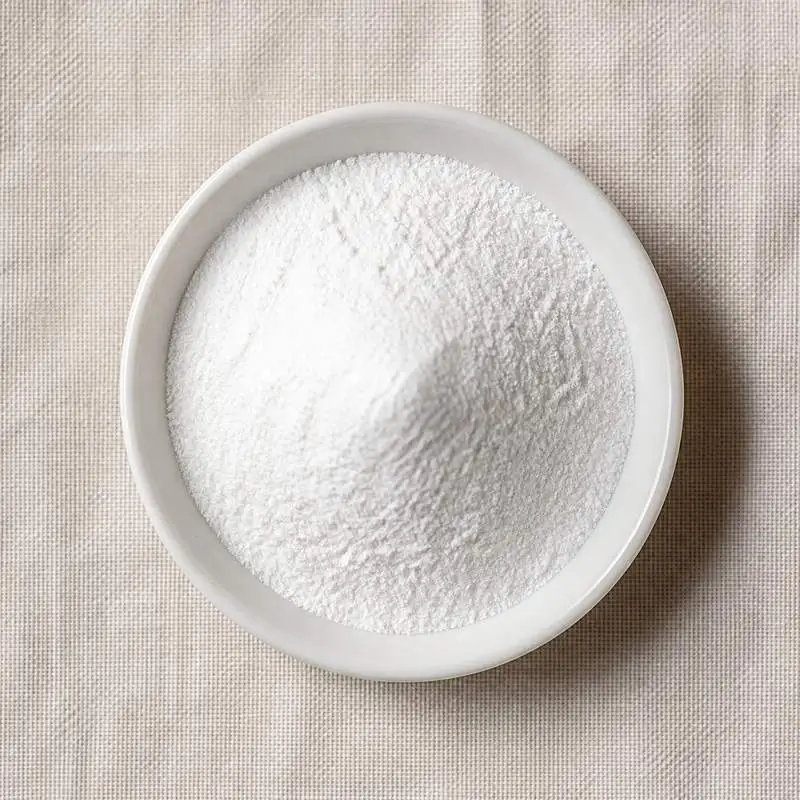
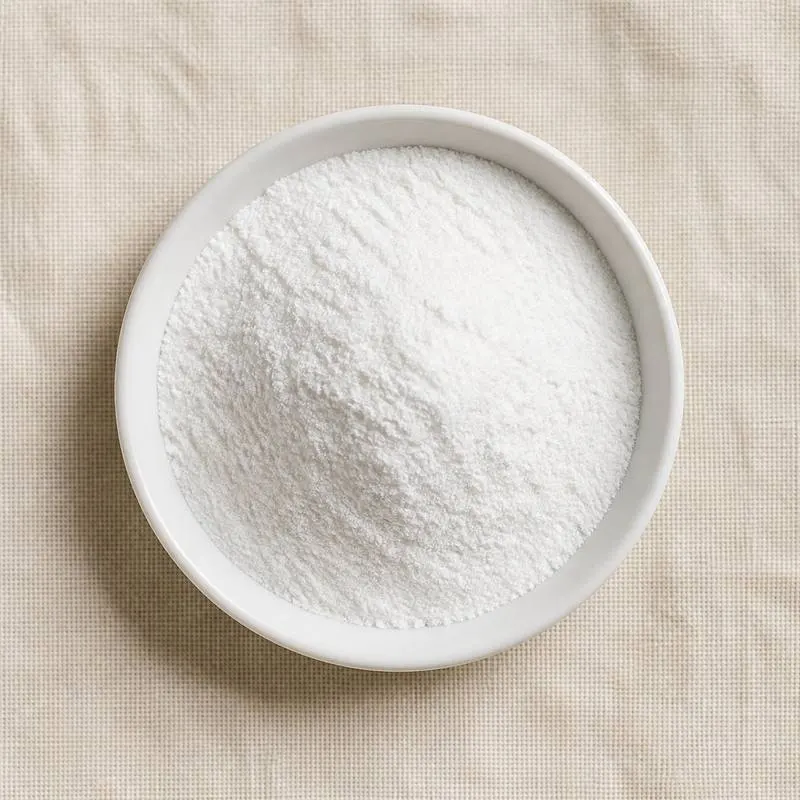
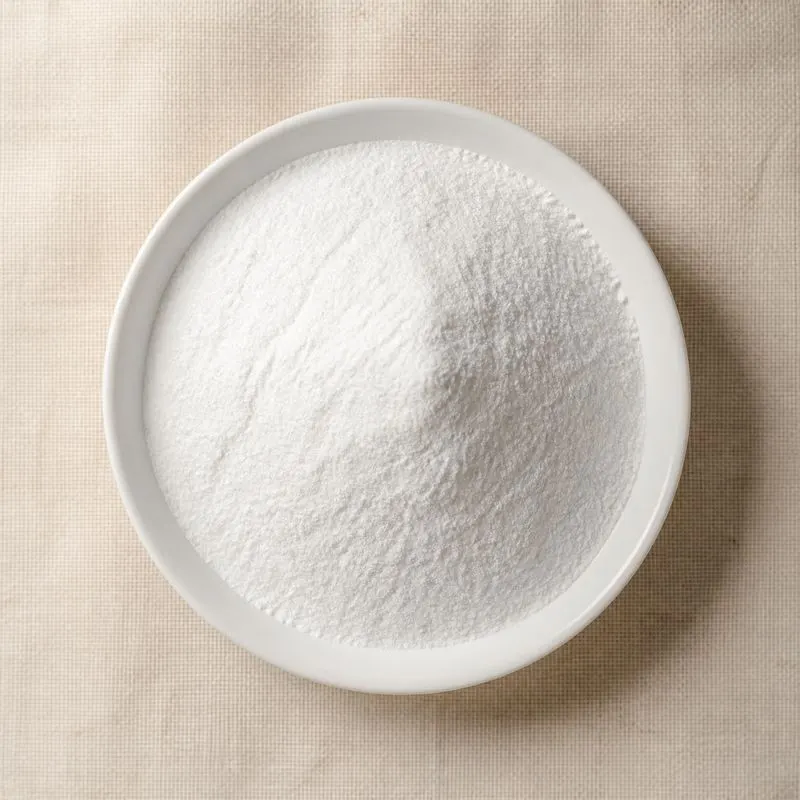
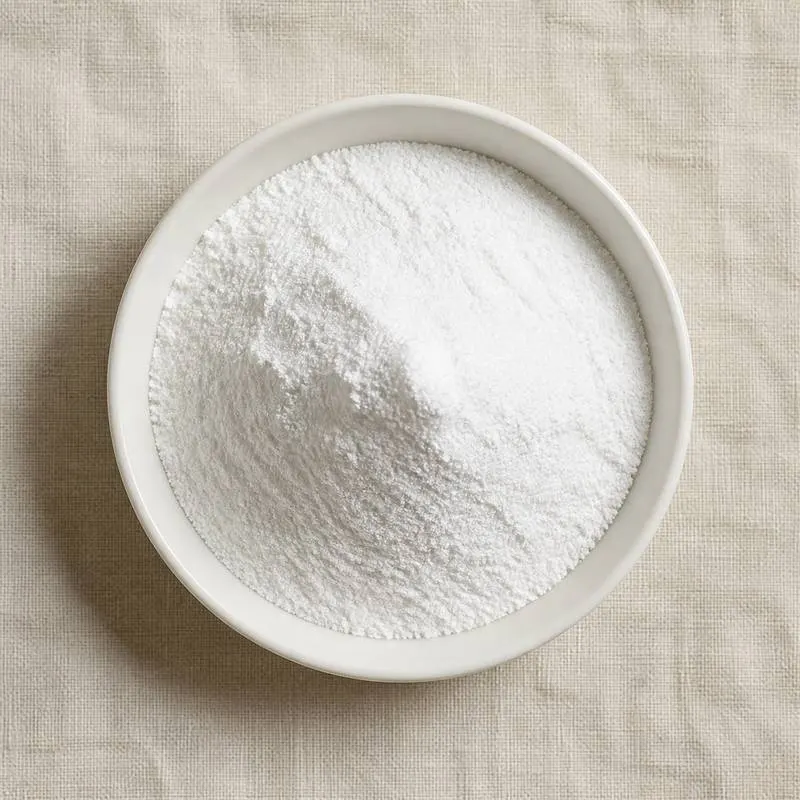
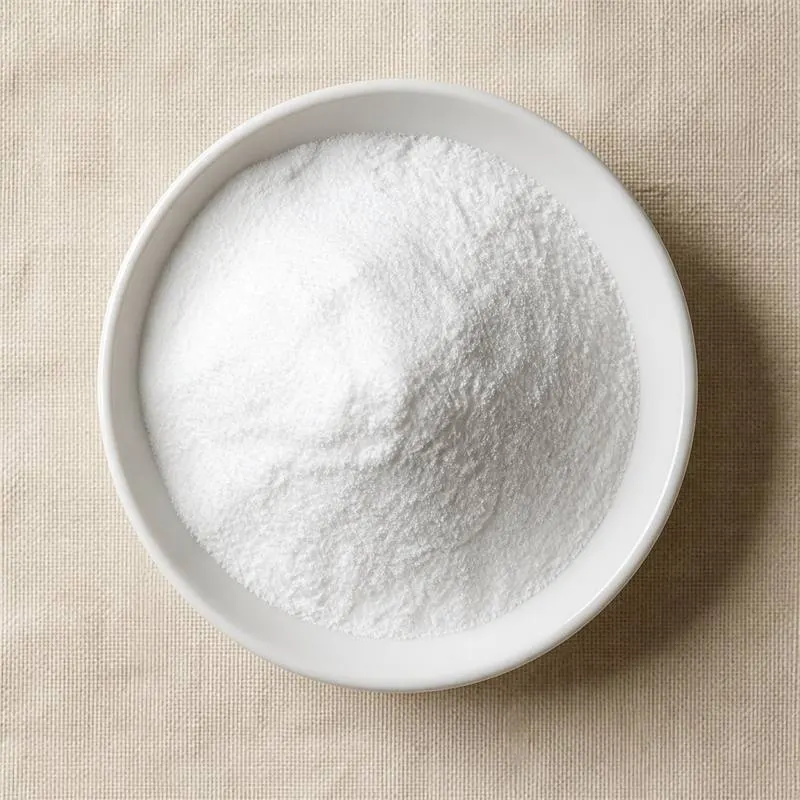
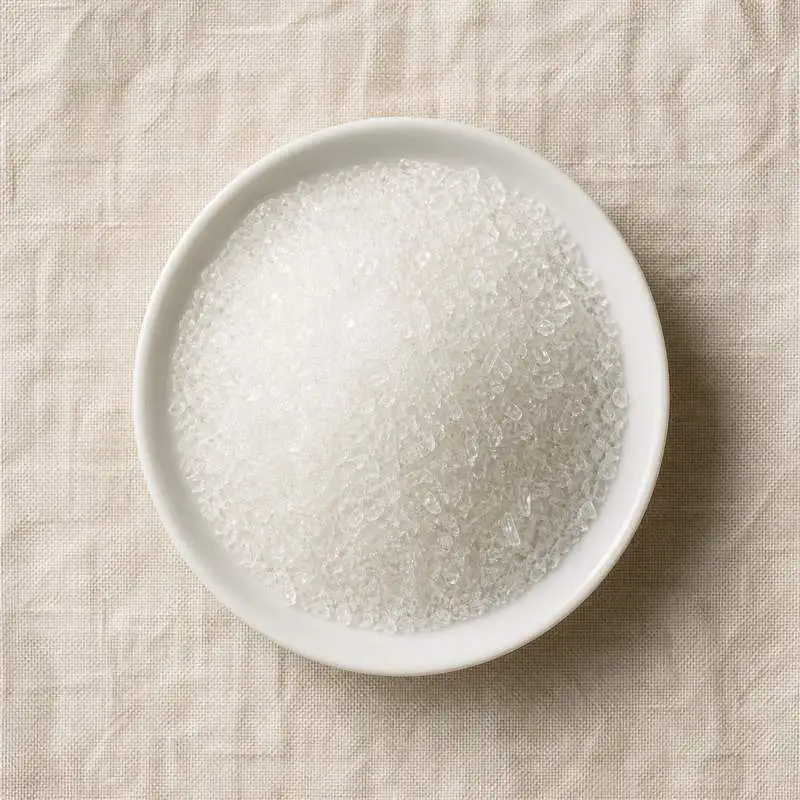
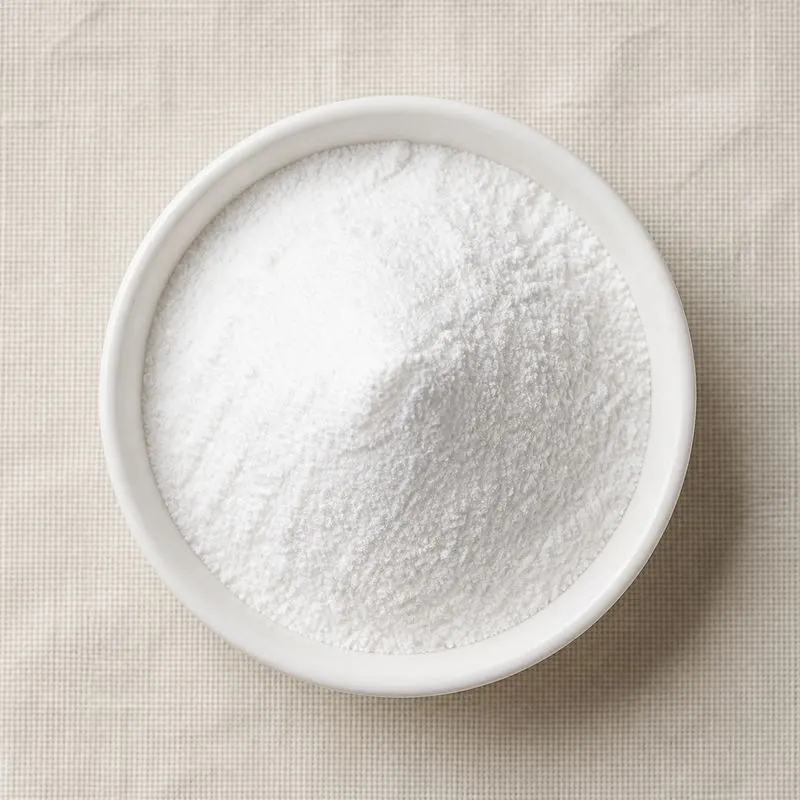
The white crystalline powder has limited cold-water solubility and a clean, mildly sour taste in the free-acid form. Its monosodium salt, monosodium glutamate (MSG), is the umami flavour enhancer that defines the worldwide commercial market for this amino acid.
We source bulk L-Glutamic Acid from top China manufacturers for our partners, working with several of them. The manufacturers are mostly in Hebei, Sichuan and Jiangsu. For this ingredient the minimum order is 1,000 kg and a 20-foot container takes 18 MT, and a smaller requirement can ship in a combined container with other ingredients.
Please send the grade you need, the volume and your destination port, and we will come back with a solution and a price.
or call +86-21-6858 0751
- Minimum order
- 1,000 kg
- Qty in 20' FCL
- 18 MT
- Packaging
- 25 kg kraft paper bag with PE inner liner
- ISO 9001
- HACCP
- Halal
- Kosher
Specifications
Grades / Types Available: Food Grade, Feed Grade
| Item | Specification |
|---|---|
| Appearance | White crystalline powder |
| Assay | ≥99.0% |
| Specific Rotation [α]D20 | +31.0° to +33.5° |
| Loss on Drying | ≤0.5% |
| Residue on Ignition | ≤0.1% |
| pH (1% solution) | 3.0–3.5 |
| Heavy Metals (as Pb) | ≤10 ppm |
| Arsenic | ≤1 ppm |
| Chloride | ≤0.02% |
| Total Plate Count | ≤1000 CFU/g |
| Purity/Assay | 99.0% min (Food Grade) |
| Moisture/Loss on Drying | 0.5% max (Food Grade) |
| Ash | 0.5% max (Food Grade) |
| Lead | 1 ppm max (Food Grade) |
| Yeast & Mold | 100 cfu/g max (Food Grade) |
Common Markets Grades
L-Glutamic Acid sells as the free acid and as several salt forms, each grade-controlled to a different application.
Food grade L-glutamic acid meets the FCC monograph at 99.0 to 101.0 percent assay on the dried basis. The bulk of food-industry tonnage, however, ships as monosodium L-glutamate rather than the free acid, with monopotassium, monoammonium, and calcium diglutamate also produced for low-sodium and specialty flavour systems.
Pharmaceutical grade L-glutamic acid conforms to USP, Ph. Eur., and JP monographs. The material is used in nutritional and gastrointestinal preparations and as a counterion in glutamate-salt drug products.
Biochemical and cell-culture grades are produced with low endotoxin counts and verified absence of contaminating amino acids. These are sold into mammalian cell-culture media, peptide synthesis, and clinical-chemistry reagent manufacture.
Applications
- Starting material for monosodium glutamate (MSG), the dominant umami flavour enhancer worldwide
- Component of compound seasonings, bouillon cubes, sauces, soup bases, and instant noodles
- Production of monopotassium glutamate and calcium diglutamate for low-sodium savory systems
- Source of yeast-extract and savory-flavour analogs in clean-label formulations
- Nutritional ingredient in clinical-nutrition products for gut and hepatic support
- Substrate for L-glutamine, L-arginine, L-proline, and other downstream amino acid syntheses
- Buffering and stabilising agent in injection formulations
- Component of cell-culture and fermentation media for biopharmaceutical manufacture
- Building block in peptide synthesis and pharmaceutical chiral intermediate chemistry
- Cosmetic skin-conditioning agent and amino-acid surfactant precursor
- Animal feed supplement in piglet and poultry diets for palatability and gut development
Brands Using L-Glutamic Acid
Widely-distributed consumer products that list L-Glutamic Acid on the ingredient label.
- AjinomotoAJI-NO-MOTO Monosodium Glutamate (MSG) ↗Ajinomoto's AJI-NO-MOTO is the sodium salt of L-glutamic acid; the brand explicitly identifies glutamic acid as the underlying amino acid that gives MSG its umami flavour. Produced by fermenting plant-based sugars (sugar cane, sugar beet, cassava or corn).Label verified 2026-05-24
- Ancient NutritionMulti Collagen Protein ↗Ancient Nutrition's Multi Collagen Protein amino acid panel lists glutamic acid alongside alanine, arginine and hydroxyproline as primary amino acids supplied by the hydrolysed collagen blend.Label verified 2026-05-24
Brand names, product names and logos are the property of their owners. They appear here as published evidence that the ingredient is used, taken from the brand's own label or website. Their appearance is not an endorsement, and it does not mean the brand buys from us or from any manufacturer listed on this site.
China Manufacturers of L-Glutamic Acid
Top L-Glutamic Acid manufacturers in China.
 Emeishan Longteng Biotechnology Co., Ltd.10 ingredients in the directory
 Hebei Harmony Amino Acid Co., Ltd.7 ingredients in the directory
- Hebei Huaheng Biological Technology Co., Ltd.9 ingredients in the directory
- Hebei Huayang Biological Technology Co., Ltd.13 ingredients in the directory
 Shijiazhuang Haitian Amino Acid Co., Ltd.11 ingredients in the directory
 Shijiazhuang Shixing Amino Acid Co., Ltd.7 ingredients in the directory
 Wuxi Jinghai Amino Acid Co., Ltd.18 ingredients in the directory
- Zhejiang Tianrui Chemical Co., Ltd.7 ingredients in the directory
Company names and logos are the property of the manufacturers themselves. They are listed here because our own directory records them as producing this ingredient. A listing is not an endorsement by them, and we do not represent them or speak on their behalf.
How We Help Source L-Glutamic Acid
Direct Factory Sourcing
We run the whole process: selecting the manufacturer from the top Chinese food ingredient producers, negotiating the price, verifying quality, and coordinating the logistics. You deal with us instead of with several factories at once.
Original Packaging and Documents from the Manufacturer
The manufacturer sends your L-Glutamic Acid out of its own factory in the original packing, through to your destination port. The COA, COO, MSDS, TDS and any certifications reach you from the manufacturer as well.
Free Samples and Lead Time
We send 100 to 500 g free for your own laboratory to test and you cover only the courier, usually within 2 to 3 working days. ETD is usually within 7 to 15 days once the order is confirmed, and we check that date against the factory's own manufacturing schedule before we give it to you.
Combined Shipment
We can load L-Glutamic Acid together with other ingredients such as Glycine, L-Arginine and L-Leucine into one 20' FCL. If your quantity is small, we can also ship LCL.
Regulatory Status
L-Glutamic Acid and its salts are broadly accepted as food ingredients.
In the United States, L-glutamic acid is GRAS under 21 CFR 184.1318 as a flavour enhancer, and monosodium glutamate is GRAS under 21 CFR 182.1. Use as a nutrient and dietary supplement is also recognised.
The European Union lists L-glutamic acid as E620, monosodium glutamate as E621, monopotassium glutamate as E622, calcium diglutamate as E623, monoammonium glutamate as E624, and magnesium diglutamate as E625, all under Regulation (EC) No 1333/2008.
The Joint FAO/WHO Expert Committee on Food Additives reviewed glutamates in 2017 and treated them as a group with no numerical intake restriction. USP, Ph. Eur., and JP monographs cover pharmaceutical applications. Halal and Kosher certifications are routinely available for fermentation-derived material that uses plant-based feedstocks and non-animal nitrogen sources.
Manufacturing Process
L-Glutamic acid is the single largest fermentation product of the amino acid industry, with annual output above three million tonnes. Production rests on a biological discovery made in 1956 by Shukuo Kinoshita at Kyowa Hakko, who isolated a soil bacterium that secreted glutamate in large quantity. That organism is now classified as Corynebacterium glutamicum.
Modern producer strains are descendants of those isolates, optimised to push carbon flux from glucose through α-ketoglutarate to glutamate. Biotin limitation, addition of penicillin or fatty-acid ester surfactants, or genetic alteration of the cell envelope all trigger the secretion mechanism that makes the process work.
Industrial fermenters reach titers above 150 g/L over runs of 30 to 50 hours. The broth is acidified to the isoelectric point near pH 3.2, where L-glutamic acid crystallises out as fine needles. The crystals are filtered, washed, and either recrystallised as the free acid or converted to monosodium glutamate by neutralisation with food-grade sodium hydroxide and recrystallisation.
Cassava starch hydrolysate, cane molasses, corn dextrose, and beet molasses are the most common carbon sources. Plants are concentrated in Indonesia, Thailand, Vietnam, China, Brazil, and France, with Ajinomoto, Fufeng, Meihua, and CJ CheilJedang among the largest producers.