L-Alanine
L-Alanine is a non-essential α-amino acid with the formula C₃H₇NO₂ and a molar mass of 89.09 g/mol. Its single methyl side chain makes it the second simplest proteinogenic amino acid, and the L-enantiomer is the form that occurs in proteins and human metabolism.
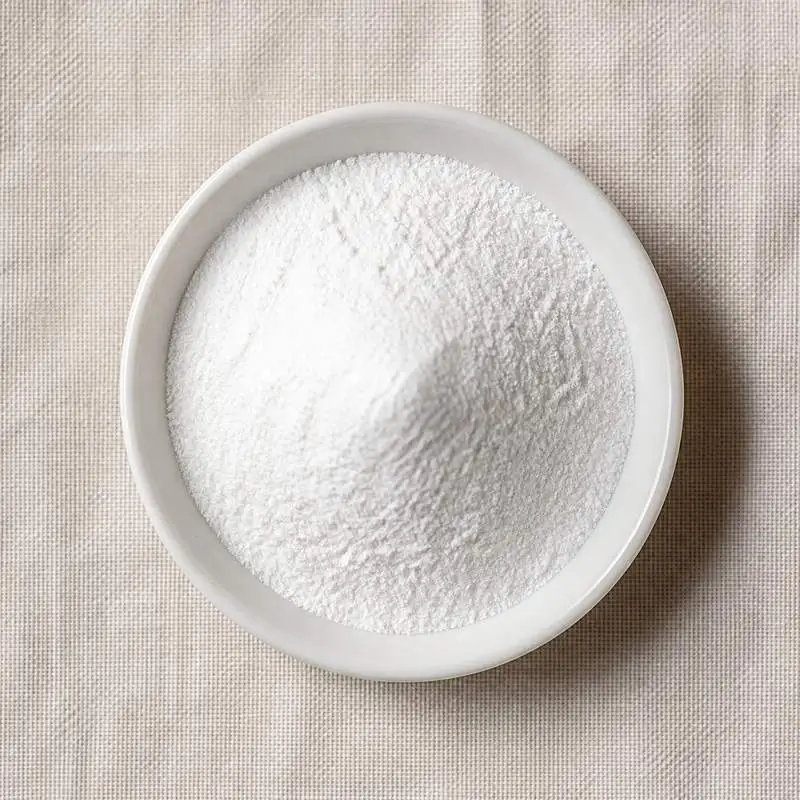
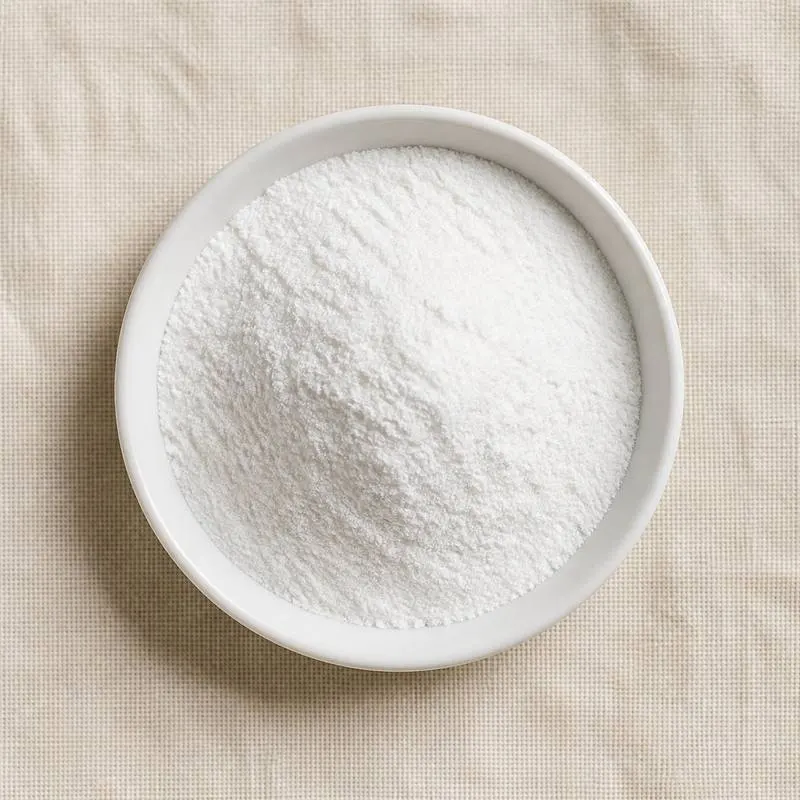
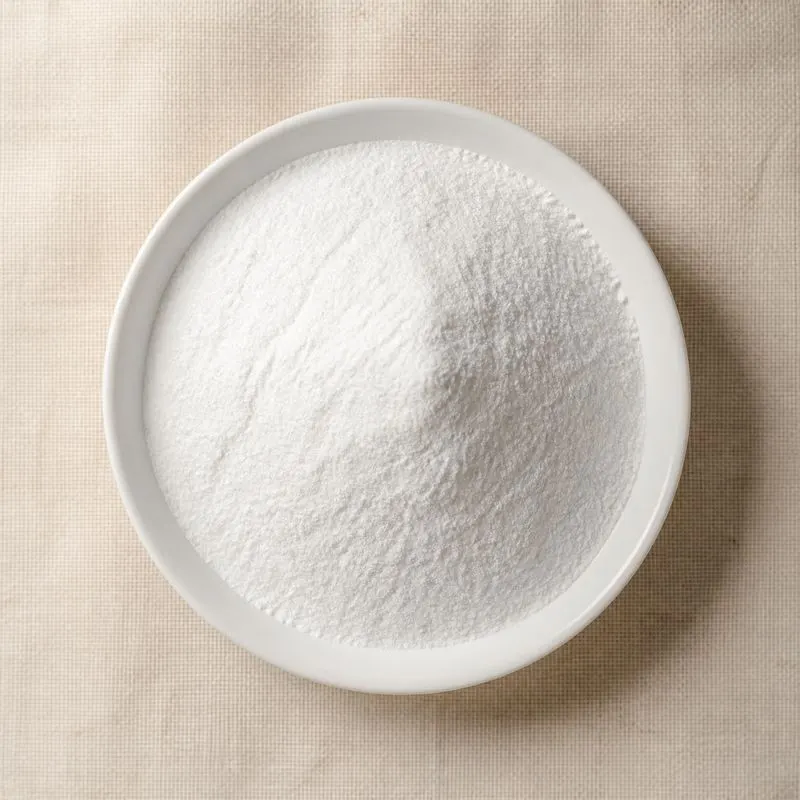
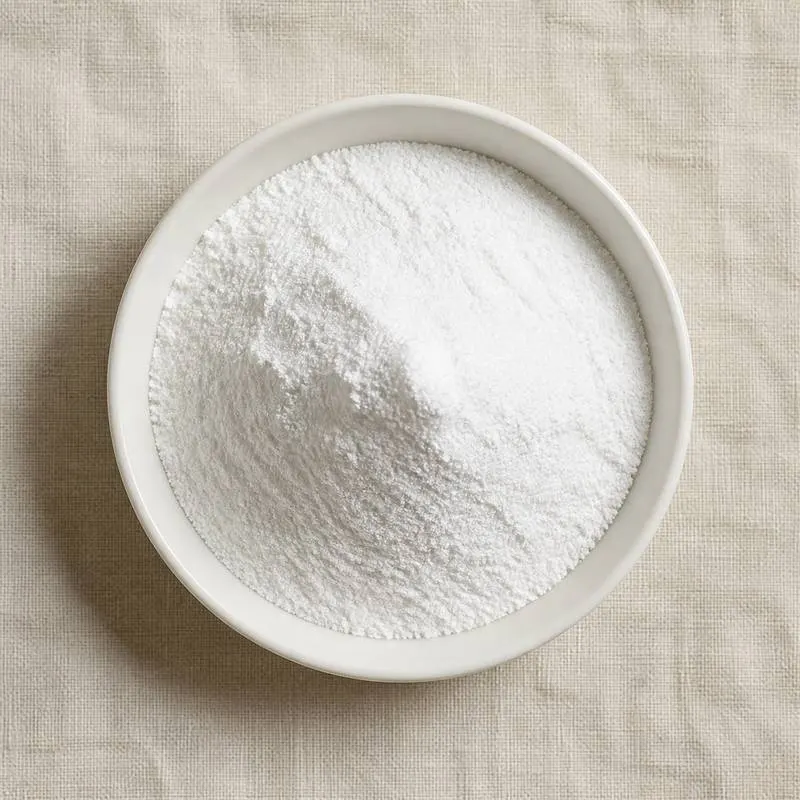
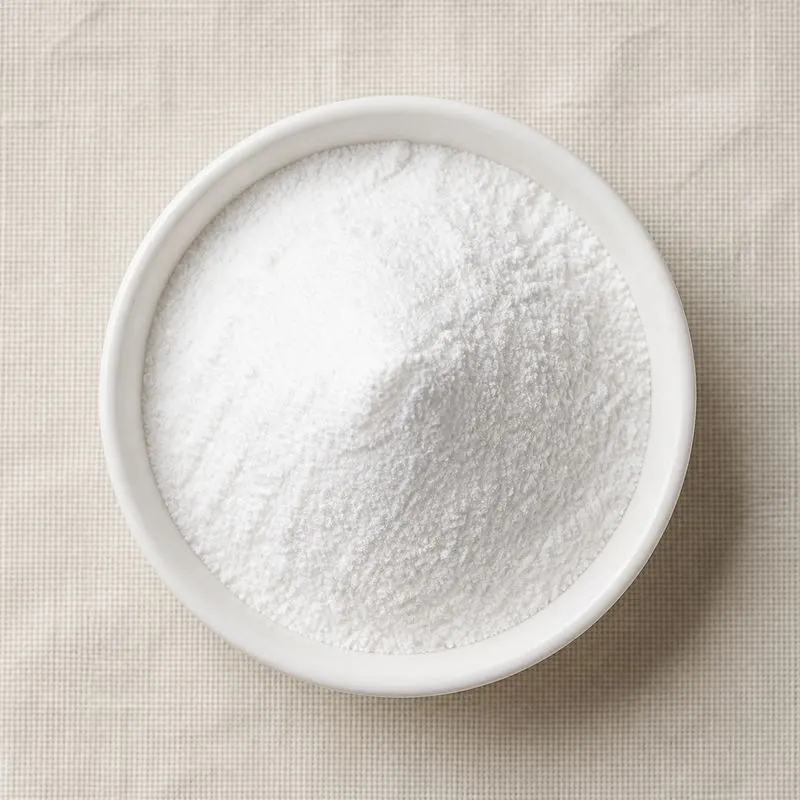
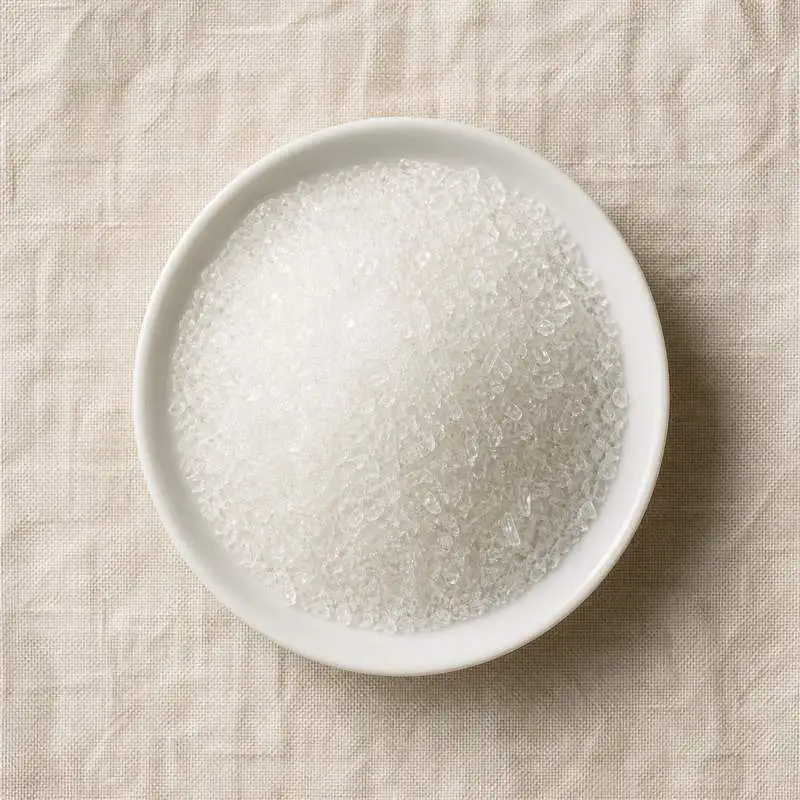
The white crystalline powder is freely soluble in water and tastes mildly sweet, with a perceived sweetness around 70 to 80 percent that of sucrose at typical use levels. It is widely used as a flavour modifier, nutritional component, and chiral building block.
We source bulk L-Alanine from top China manufacturers for our partners, working with several of them. The manufacturers are mostly in Hebei, Anhui and Jiangxi. A smaller requirement can ship in a combined container with other ingredients.
Please send the grade you need, the volume and your destination port, and we will come back with a solution and a price.
or call +86-21-6858 0751
- Packaging
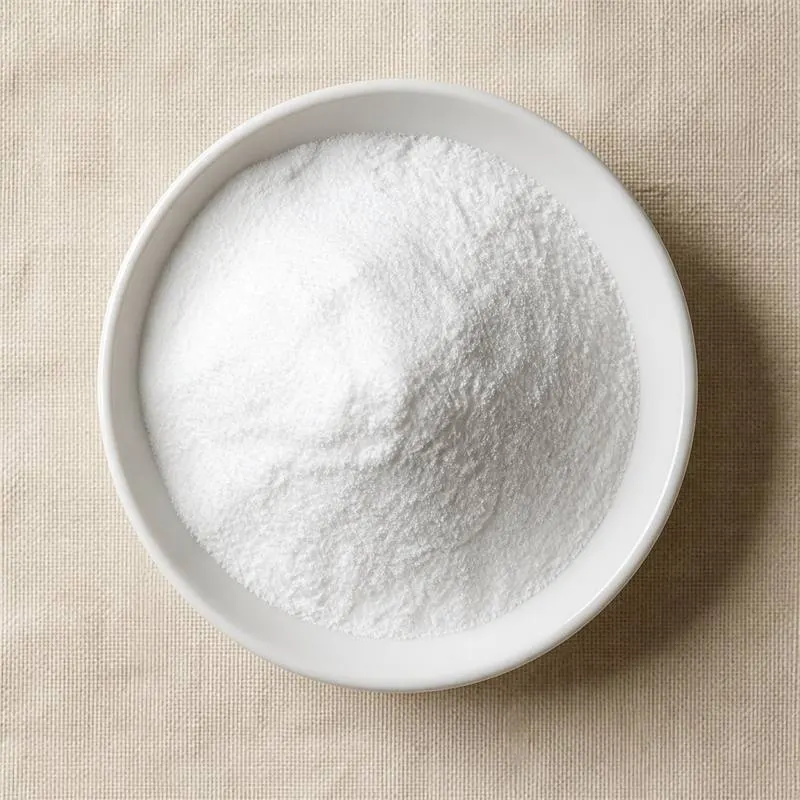
- 25 kg kraft paper bag with PE inner liner
- ISO 9001
- HACCP
- Halal
- Kosher
Specifications
| Item | Specification |
|---|---|
| Appearance | White crystalline powder |
| Assay | ≥98.5% |
| Specific Rotation [α]D20 | +13.5° to +15.5° |
| Loss on Drying | ≤0.2% |
| Residue on Ignition | ≤0.1% |
| pH (5% solution) | 5.5–7.0 |
| Heavy Metals (as Pb) | ≤10 ppm |
| Arsenic | ≤1 ppm |
| Chloride | ≤0.02% |
| Total Plate Count | ≤1000 CFU/g |
| Assay, % | 98.0~102.0 |
| Loss on drying, % | ≤1.0 |
| Transmittance, % | ≥98.0 |
| Sulfate (as SO4), % | ≤0.02 |
| Ammonium as (as NH4), % | ≤0.02 |
| Iron (as Fe), % | ≤0.001 |
| pH Value | 0.5~2.0 |
| Residue on ignition, % | ≤0.1 |
| Other amino acid | No detd |
Common Markets Grades
Three grades cover most L-Alanine trade: food, pharmaceutical, and biochemical.
Food grade L-alanine meets the FCC monograph with an assay of 98.5 to 101.5 percent on the dried basis. The mesh distribution is selected for either dry-blend flavouring systems or fast dissolution in beverages and savory sauces.
Pharmaceutical grade L-alanine is produced to USP, Ph. Eur., and JP requirements. Limits on chloride, sulphate, ammonium, iron, and other amino acids are tightened, and the material is suitable for total parenteral nutrition and oral electrolyte formulations.
Biochemical and cell-culture grades are produced with low endotoxin counts and verified absence of D-alanine for use in fermentation media, tissue culture, and peptide synthesis.
Applications
- Flavour modifier that rounds the sweet-savory balance in pickles, vinegars, and dipping sauces
- Sweetness enhancer paired with high-intensity sweeteners in low-sugar beverages
- Component of synthetic seafood and savory flavour systems that mimic the taste of fresh shellfish
- Ingredient in oral rehydration salts and electrolyte powders
- Nutritional fortification of infant formula and clinical-nutrition products
- Buffering and stabilising agent in lyophilized injectable formulations
- Substrate for the synthesis of L-alanyl-L-glutamine and other parenteral dipeptides
- Building block in peptide synthesis and chiral organic chemistry
- Cell-culture medium component for the manufacture of vaccines and recombinant proteins
- Cosmetic skin-conditioning agent and amino-acid surfactant precursor
- Reagent in clinical chemistry kits that measure alanine aminotransferase activity
Brands Using L-Alanine
Widely-distributed consumer products that list L-Alanine on the ingredient label.
- Source NaturalsL-Alanine Powder ↗A crystalline, free-form L-alanine powder.Label verified 2026-05-24
- Vital ProteinsCollagen Peptides (Unflavored) ↗Vital Proteins Collagen Peptides supplies 18 amino acids including L-alanine as a naturally occurring component of bovine collagen peptides.Label verified 2026-05-24
- Ancient NutritionMulti Collagen Protein ↗Ancient Nutrition's amino acid profile for Multi Collagen Protein includes notable amounts of alanine, glycine, proline, glutamic acid, arginine and hydroxyproline from the multi-source hydrolysed collagen blend.Label verified 2026-05-24
Brand names, product names and logos are the property of their owners. They appear here as published evidence that the ingredient is used, taken from the brand's own label or website. Their appearance is not an endorsement, and it does not mean the brand buys from us or from any manufacturer listed on this site.
China Manufacturers of L-Alanine
Top L-Alanine manufacturers in China.
 Anhui Huaheng Biotechnology Co.,Ltd.8 ingredients in the directory
 Hebei Changhao Biotechnology Co., Ltd.10 ingredients in the directory
 Hebei Huafan Biological Technology Co., Ltd.15 ingredients in the directory
- Hebei Huaheng Biological Technology Co., Ltd.9 ingredients in the directory
 Jiangxi Tianxin Pharmaceutical Co., Ltd.16 ingredients in the directory
 Shijiazhuang Haitian Amino Acid Co., Ltd.11 ingredients in the directory
 Wuxi Jinghai Amino Acid Co., Ltd.18 ingredients in the directory
 Yantai Hengyuan Bioengineering Co., Ltd.3 ingredients in the directory
Company names and logos are the property of the manufacturers themselves. They are listed here because our own directory records them as producing this ingredient. A listing is not an endorsement by them, and we do not represent them or speak on their behalf.
How We Help Source L-Alanine
Direct Factory Sourcing
We run the whole process: selecting the manufacturer from the top Chinese food ingredient producers, negotiating the price, verifying quality, and coordinating the logistics. You deal with us instead of with several factories at once.
Original Packaging and Documents from the Manufacturer
The manufacturer sends your L-Alanine out of its own factory in the original packing, through to your destination port. The COA, COO, MSDS, TDS and any certifications reach you from the manufacturer as well.
Free Samples and Lead Time
We send 100 to 500 g free for your own laboratory to test and you cover only the courier, usually within 2 to 3 working days. ETD is usually within 7 to 15 days once the order is confirmed, and we check that date against the factory's own manufacturing schedule before we give it to you.
Combined Shipment
We can load L-Alanine together with other ingredients such as Glycine, L-Arginine and L-Leucine into one 20' FCL. If your quantity is small, we can also ship LCL.
Regulatory Status
L-Alanine is broadly accepted as a food ingredient and pharmaceutical excipient.
In the United States it is recognised for use as a nutrient and dietary supplement and as a flavour adjunct. Several independent GRAS notices for use in conventional foods and beverages have been filed without objection.
In the European Union, L-alanine is permitted as a nutrient added to foods for particular nutritional uses and to food supplements. It is not assigned an E number.
The Joint FAO/WHO Expert Committee on Food Additives has reviewed L-alanine and considered its dietary use unrestricted. USP and Ph. Eur. monographs cover pharmaceutical applications. Halal and Kosher certifications are routinely available for material derived from non-animal feedstocks.
Manufacturing Process
Most commercial L-alanine is produced by enzymatic conversion of L-aspartic acid using L-aspartate β-decarboxylase, immobilized in continuous packed-bed reactors. The aspartic acid feedstock itself is made by an enzymatic amination of fumaric acid with ammonia, so the combined process is sometimes described as a two-enzyme cascade.
An alternative route is direct fermentation of glucose by engineered Corynebacterium glutamicum or Escherichia coli strains in which the L-alanine dehydrogenase gene is overexpressed and competing pathways are knocked out. This route has reached commercial scale in Japan and China.
The downstream train is conventional. The broth or enzyme effluent is filtered, demineralized by ion exchange, decolorised with activated carbon, concentrated, and crystallised in water or aqueous alcohol. A second recrystallisation gives food and pharmaceutical grade material.
Chemical synthesis from pyruvate via reductive amination, or by the Strecker reaction on acetaldehyde, gives the racemic DL form. Resolution by acylation and selective enzymatic hydrolysis is sometimes used for specialty applications, but enzymatic and fermentation routes dominate L-specific supply.