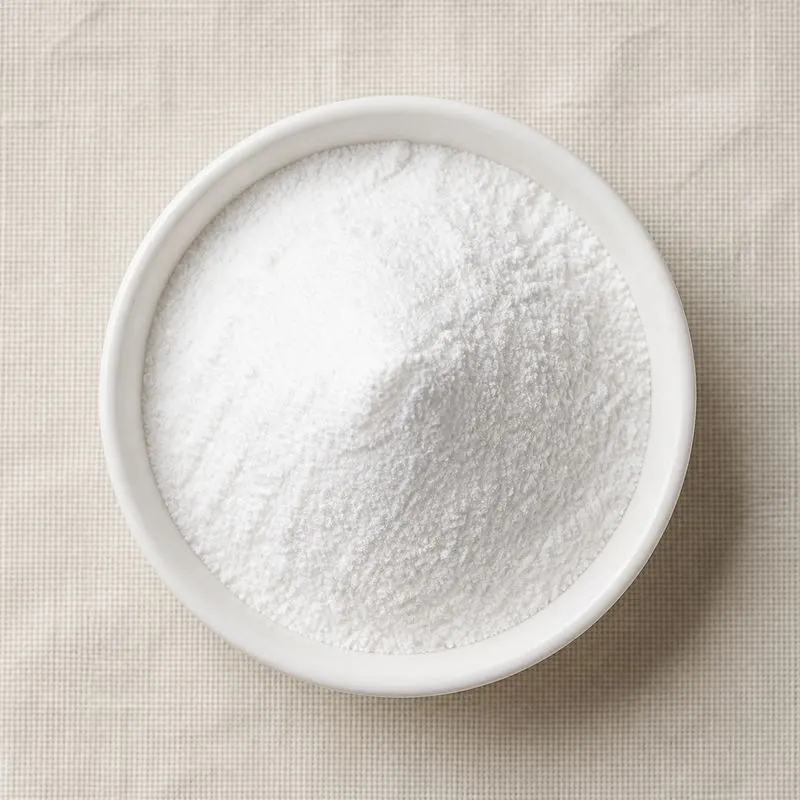
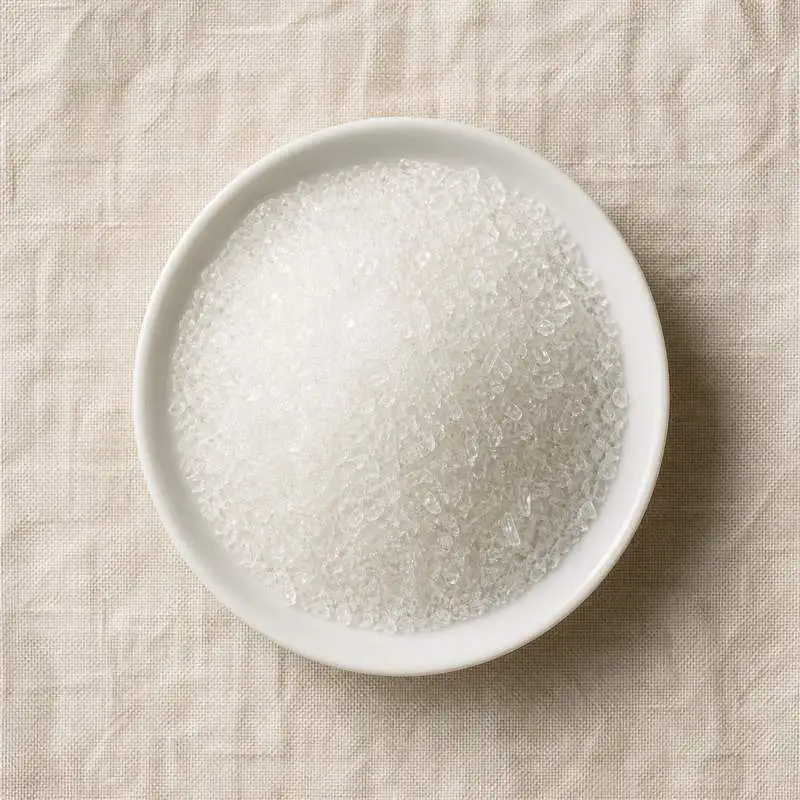
Glycine
Glycine is the smallest and structurally simplest of the proteinogenic amino acids, with the formula C₂H₅NO₂ and a molar mass of 75.07 g/mol. It is the only proteinogenic amino acid that has no stereocenter, so a single form covers all uses.
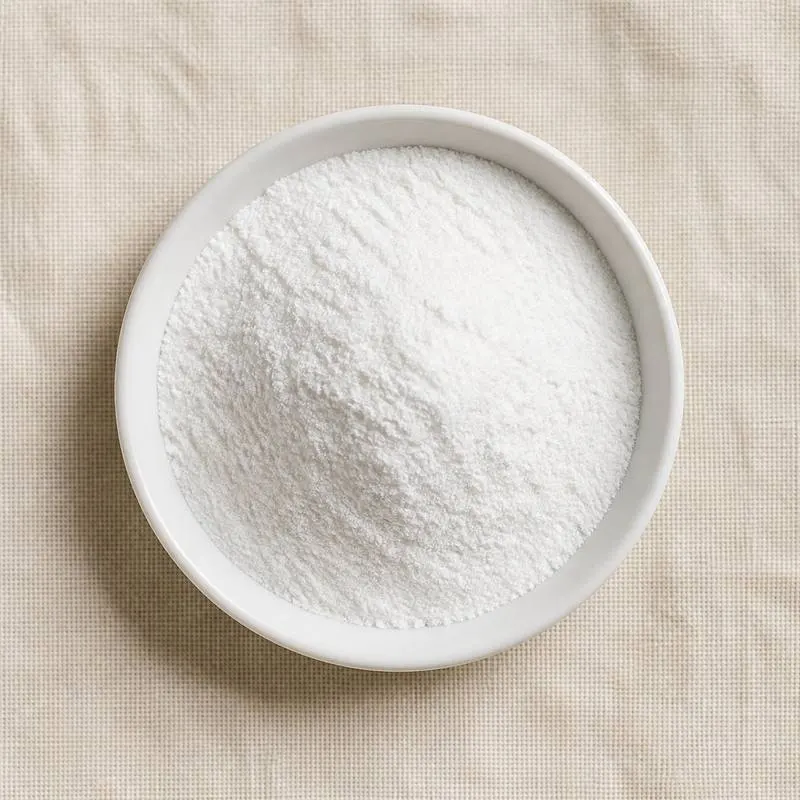
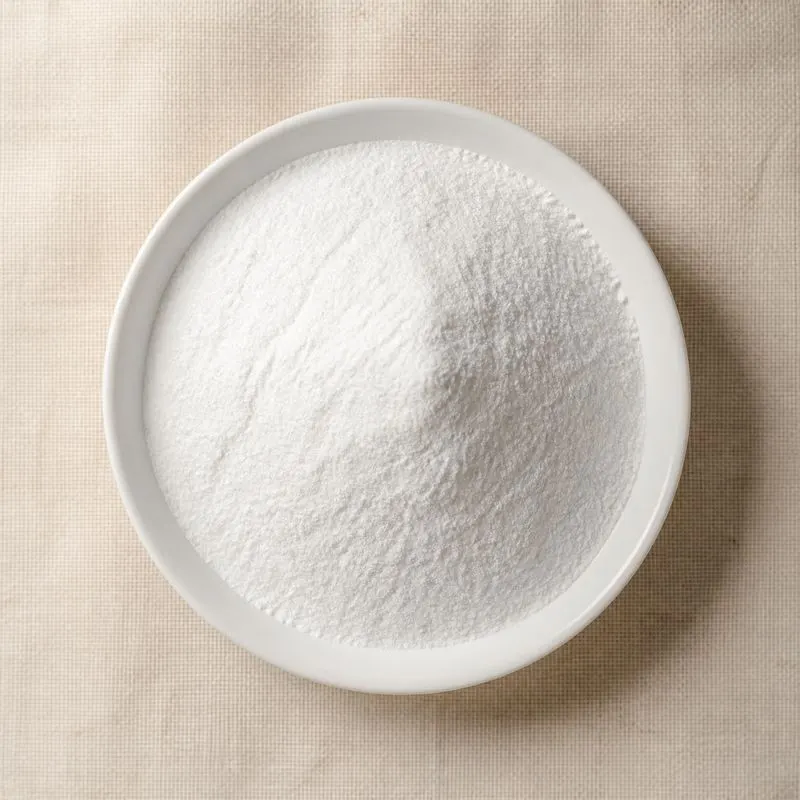
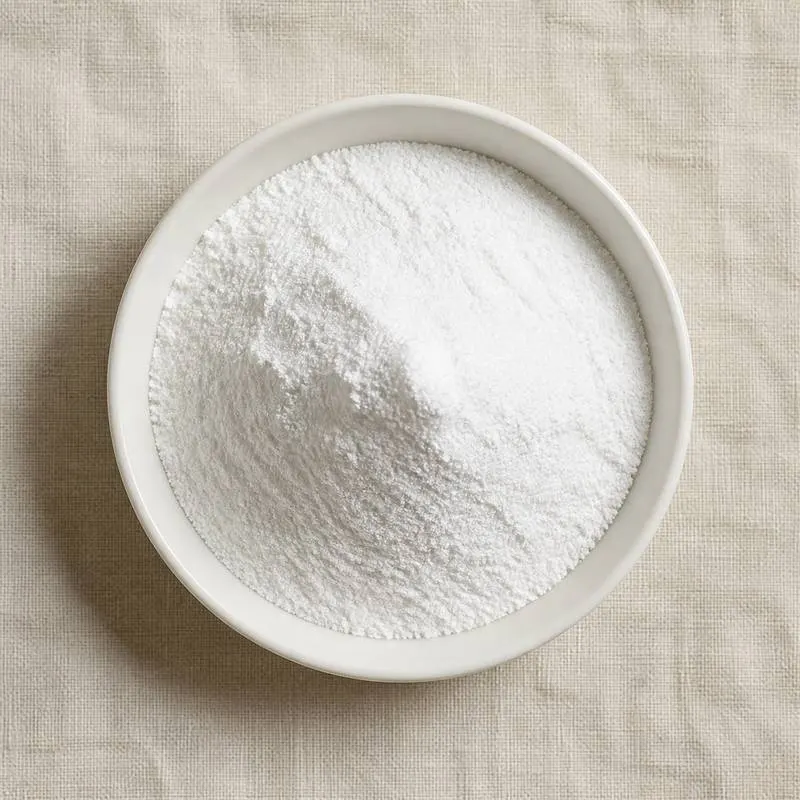
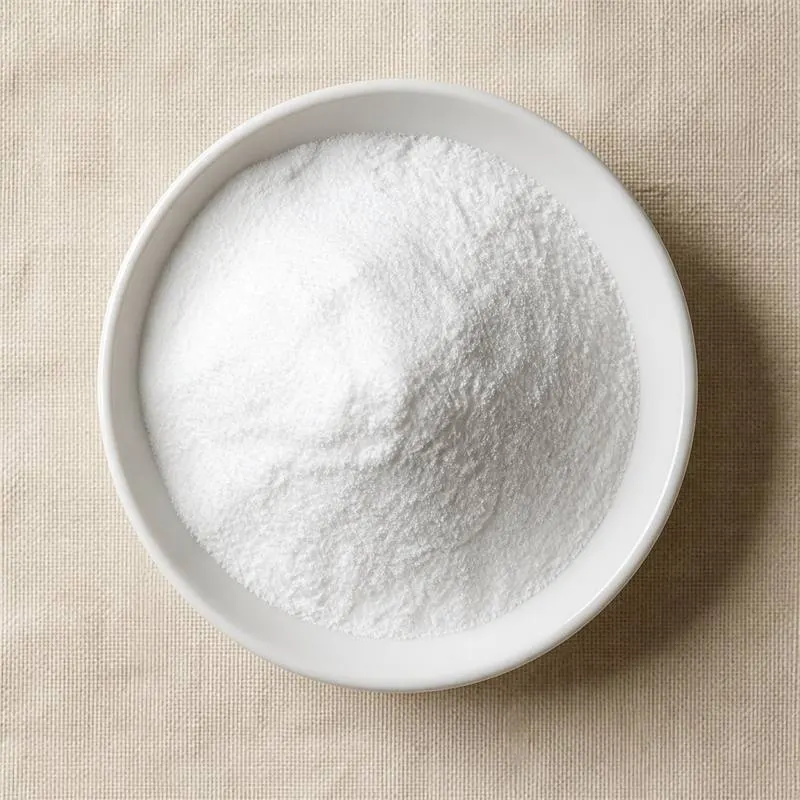
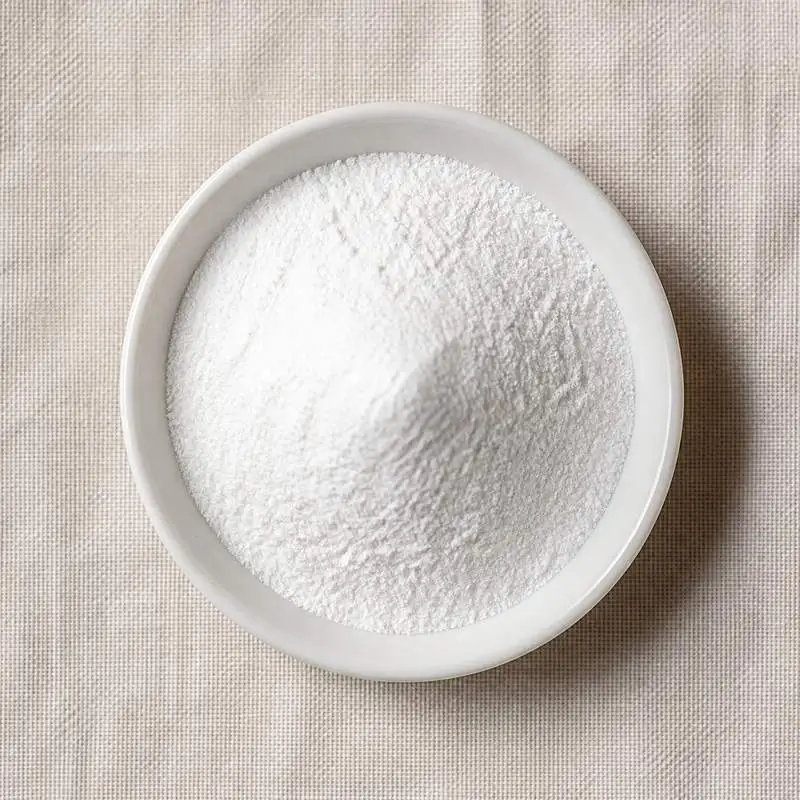
The white crystalline powder dissolves readily in water and carries a clean, mildly sweet taste at roughly 70 percent the perceived sweetness of sucrose. It is used both as a nutrient and as a multifunctional ingredient in food, pharmaceutical, and industrial systems.
We source bulk Glycine from top China manufacturers for our partners, working with several of them. The manufacturers are in Hebei, Sichuan and Guangdong. For this ingredient the minimum order is 1,000 kg and a 20-foot container takes 20 MT, and a smaller requirement can ship in a combined container with other ingredients.
Please send the grade you need, the volume and your destination port, and we will come back with a solution and a price.
or call +86-21-6858 0751
- Minimum order
- 1,000 kg
- Qty in 20' FCL
- 20 MT
- Packaging
- 25 kg kraft paper bag with PE inner liner
- ISO 9001
- HACCP
- Halal
- Kosher
Specifications
| Item | Specification |
|---|---|
| Appearance | White crystalline powder |
| Assay | ≥98.5% |
| Loss on Drying | ≤0.2% |
| Residue on Ignition | ≤0.1% |
| pH (5% solution) | 5.5–7.0 |
| Heavy Metals (as Pb) | ≤10 ppm |
| Arsenic | ≤1 ppm |
| Chloride | ≤0.007% |
| Sulfate | ≤0.006% |
| Total Plate Count | ≤1000 CFU/g |
| HTTPS | on |
Common Markets Grades
Three principal grades of glycine reach the market, differing mainly in assay limits, heavy-metal control, and residual-solvent profile.
Food grade glycine carries an assay of 98.5 to 101.5 percent on the dried basis and meets the FCC monograph. The mesh distribution is selected to suit either dry blending or fast dissolution in beverages and sauces.
Pharmaceutical grade glycine is produced to USP, Ph. Eur., and JP monographs. Tighter limits apply to chloride, sulphate, ammonium, iron, and related substances, and the material is suitable for parenterals, irrigation solutions, and oral dosage forms.
Technical and industrial grades are produced for electroplating baths, herbicide intermediates, and metal-cleaning formulations. These grades are not nutritionally certified and may carry higher inorganic residues.
Applications
- Flavour enhancer and mild sweetener in soft drinks, vinegars, and savory sauces
- Buffering and masking agent that rounds the bitterness of saccharin, acesulfame potassium, and certain B vitamins
- Bacteriostatic component in surimi, ground-meat products, and packaged seafood salads
- Stabiliser for cream cheese spreads, processed cheese, and dairy desserts
- Nutritional fortification of infant formula and clinical-nutrition products
- Buffering agent in antacid tablets and effervescent powders
- Cushioning excipient in lyophilized injectable formulations
- Irrigation fluid for transurethral resection of the prostate
- Building block for the herbicide glyphosate
- Complexing agent in copper, nickel, and zinc electroplating baths
- Substrate for fine-chemical synthesis of peptides, chelators, and pharmaceutical intermediates
- Cosmetic humectant and skin-conditioning agent in creams and shampoos
Brands Using Glycine
Widely-distributed consumer products that list Glycine on the ingredient label.
- NOW FoodsGlycine Pure Powder ↗NOW Foods product page lists this as a pure powder amino acid supplement with no other ingredients added. Per the brand: not manufactured with wheat, gluten, soy, milk, egg, fish, shellfish, tree nut or sesame ingredients.Label verified 2026-05-24
- NOW FoodsGlycine 1000 mg Veg Capsules ↗Free-form glycine capsules supplying 1,000 mg, with glycine as the sole active amino acid.Label verified 2026-05-24
- BulkSupplements.comGlycine Pure Powder ↗Official BulkSupplements product page: unflavored amino acid powder, 3 g (3000 mg) glycine per serving as the sole ingredient, no fillers.Label verified 2026-05-24
- Pure EncapsulationsNAC + Glycine Powder ↗Pure Encapsulations professional site lists per-scoop ingredients: N-Acetyl-L-Cysteine 1800 mg and Glycine (free-form) 1800 mg, with natural peach/mango/orange/ginger flavours, potassium citrate, tri-magnesium citrate and stevia leaf extract.Label verified 2026-05-24
- ThorneMagnesium Bisglycinate Powder ↗Magnesium chelated to two glycine molecules as magnesium bisglycinate, 200 mg magnesium per scoop, with citric acid and monk fruit concentrate as other ingredients.Label verified 2026-05-24
- Vital ProteinsCollagen Peptides (Unflavored) ↗Vital Proteins states Collagen Peptides supplies 18 amino acids; glycine is the most abundant (approx. 4,660 mg per serving). Sole ingredient is bovine hide collagen peptides.Label verified 2026-05-24
- Ancient NutritionMulti Collagen Protein ↗Ancient Nutrition lists Multi Collagen Protein as 10 types of hydrolysed collagen from beef, chicken, fish and eggshell. Brand support documentation gives glycine content at 2,250 mg per serving.Label verified 2026-05-24
Brand names, product names and logos are the property of their owners. They appear here as published evidence that the ingredient is used, taken from the brand's own label or website. Their appearance is not an endorsement, and it does not mean the brand buys from us or from any manufacturer listed on this site.
China Manufacturers of Glycine
Top Glycine manufacturers in China.
 Guang'an Chengxin Chemical Co., Ltd.1 ingredient in the directory
 Hebei Granray Bioproducts Co., Ltd.4 ingredients in the directory
 Hebei Harmony Amino Acid Co., Ltd.7 ingredients in the directory
 Hebei Huafan Biological Technology Co., Ltd.15 ingredients in the directory
- Hebei Huaheng Biological Technology Co., Ltd.9 ingredients in the directory
- Hebei Huayang Biological Technology Co., Ltd.13 ingredients in the directory
 Newtrend Group5 ingredients in the directory
- Shijiazhuang Chiyuen Food Technology Co., Ltd.3 ingredients in the directory
 Shijiazhuang Donghua Jinlong Chemical Co., Ltd.9 ingredients in the directory
 Shijiazhuang Haitian Amino Acid Co., Ltd.11 ingredients in the directory
 Shijiazhuang Shixing Amino Acid Co., Ltd.7 ingredients in the directory
Company names and logos are the property of the manufacturers themselves. They are listed here because our own directory records them as producing this ingredient. A listing is not an endorsement by them, and we do not represent them or speak on their behalf.
How We Help Source Glycine
Direct Factory Sourcing
We run the whole process: selecting the manufacturer from the top Chinese food ingredient producers, negotiating the price, verifying quality, and coordinating the logistics. You deal with us instead of with several factories at once.
Original Packaging and Documents from the Manufacturer
The manufacturer sends your Glycine out of its own factory in the original packing, through to your destination port. The COA, COO, MSDS, TDS and any certifications reach you from the manufacturer as well.
Free Samples and Lead Time
We send 100 to 500 g free for your own laboratory to test and you cover only the courier, usually within 2 to 3 working days. ETD is usually within 7 to 15 days once the order is confirmed, and we check that date against the factory's own manufacturing schedule before we give it to you.
Combined Shipment
We can load Glycine together with other ingredients such as L-Arginine, L-Leucine and DL-Methionine into one 20' FCL. If your quantity is small, we can also ship LCL.
Regulatory Status
Glycine is broadly approved as a food ingredient and pharmaceutical excipient.
In the United States, glycine is GRAS under 21 CFR 582.5049 for animal feed and is affirmed for direct human food use by independent GRAS notifications. It also appears as a buffering agent in 21 CFR 184.1318.
The European Union lists glycine and its sodium salt as food additive E640, a flavour enhancer permitted in selected categories under Regulation (EC) No 1333/2008. The Joint FAO/WHO Expert Committee on Food Additives has evaluated glycine without setting numerical intake restrictions.
Pharmacopoeial monographs appear in USP, Ph. Eur., JP, and BP. The substance is generally accepted as Halal and Kosher when produced by synthetic routes free of animal-derived inputs.
Manufacturing Process
Two synthetic routes account for nearly all commercial glycine production.
The chloroacetic acid route reacts monochloroacetic acid with a large excess of aqueous ammonia in a methanolic medium, often with hexamethylenetetramine as a catalyst. The crude product is desalted, decolorised, and recrystallised to deliver food and pharmaceutical grades. This is the dominant route in China and accounts for the bulk of global tonnage.
The Strecker route condenses formaldehyde, hydrogen cyanide, and ammonia to give aminoacetonitrile, which is then hydrolysed to glycine. Operators such as Showa Denko have run this process for decades, and it tends to deliver lower inorganic salt loads than the chloroacetic route.
A small fraction of supply originates from gelatin or keratin hydrolysate, where glycine is recovered chromatographically. Fermentation of engineered Escherichia coli has been demonstrated at pilot scale but remains uncompetitive against the synthetic routes.