L-Leucine
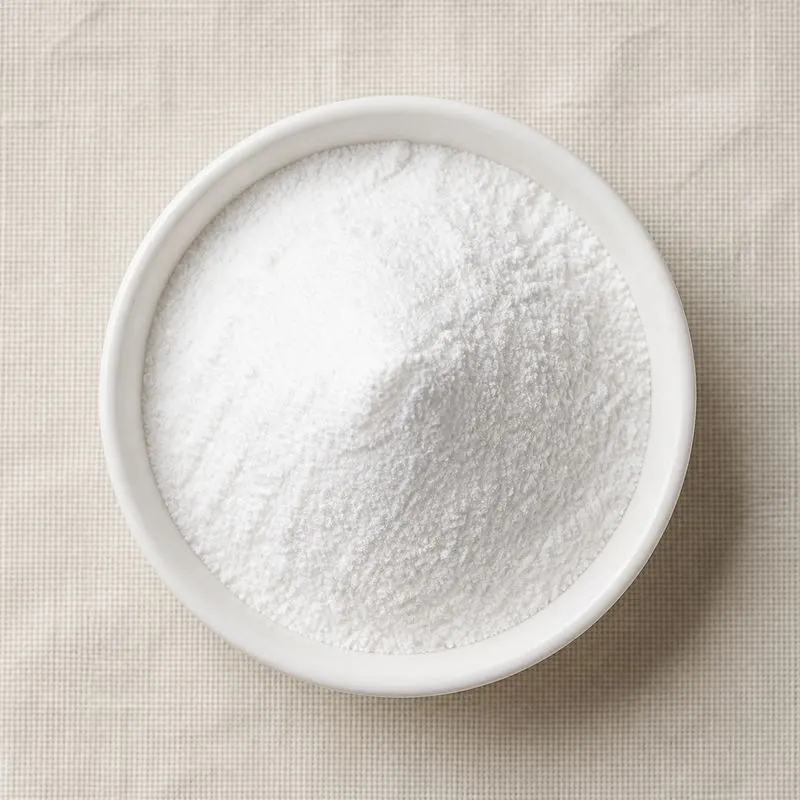
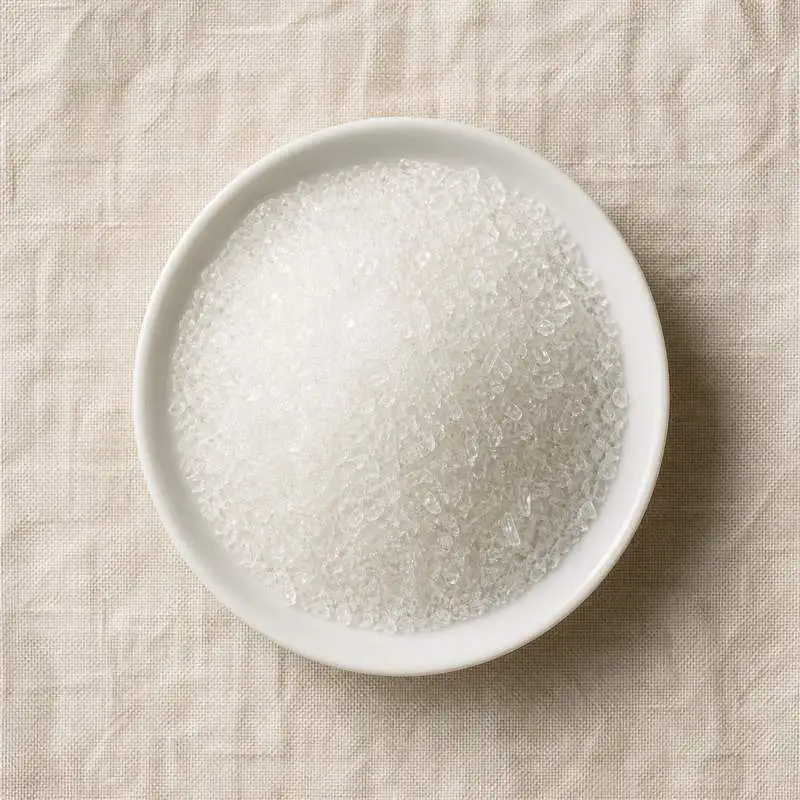
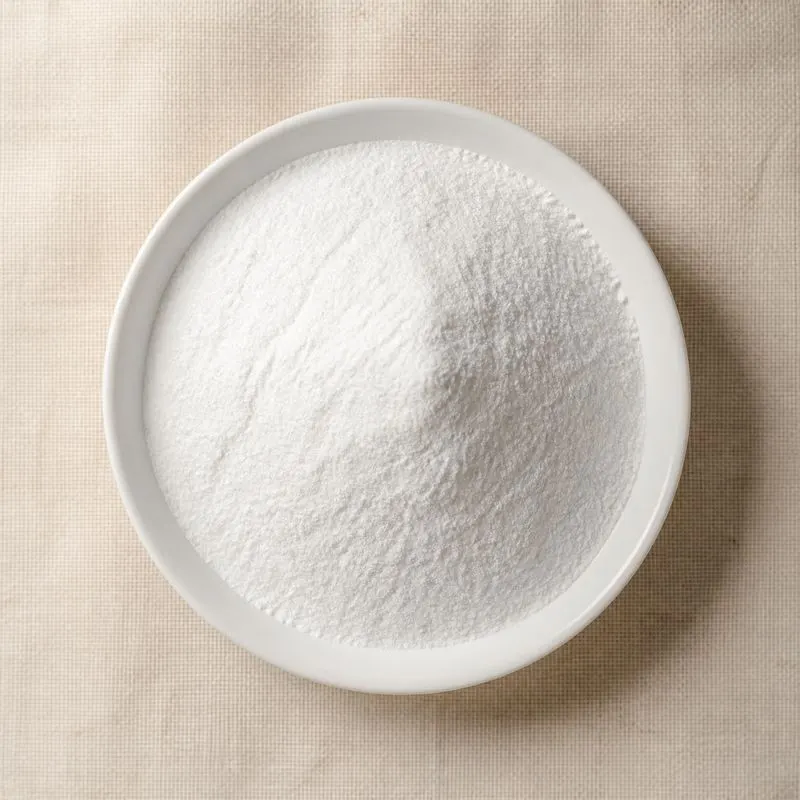
L-Leucine is an essential branched-chain α-amino acid with the formula C₆H₁₃NO₂ and a molar mass of 131.17 g/mol. Its hydrophobic isobutyl side chain places it among the most non-polar of the proteinogenic amino acids and gives it a central role in protein folding and membrane anchoring.
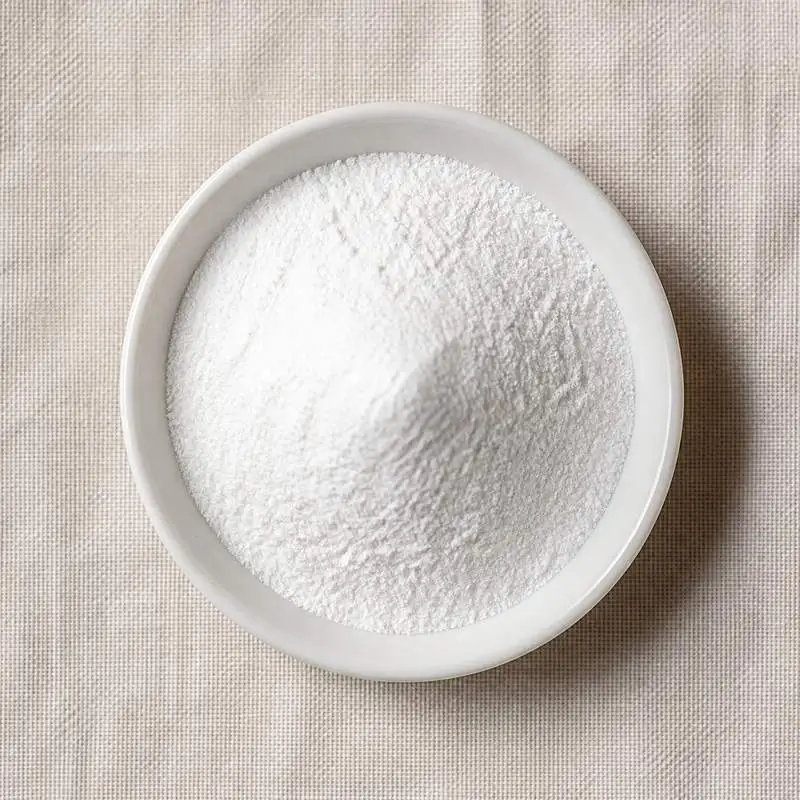
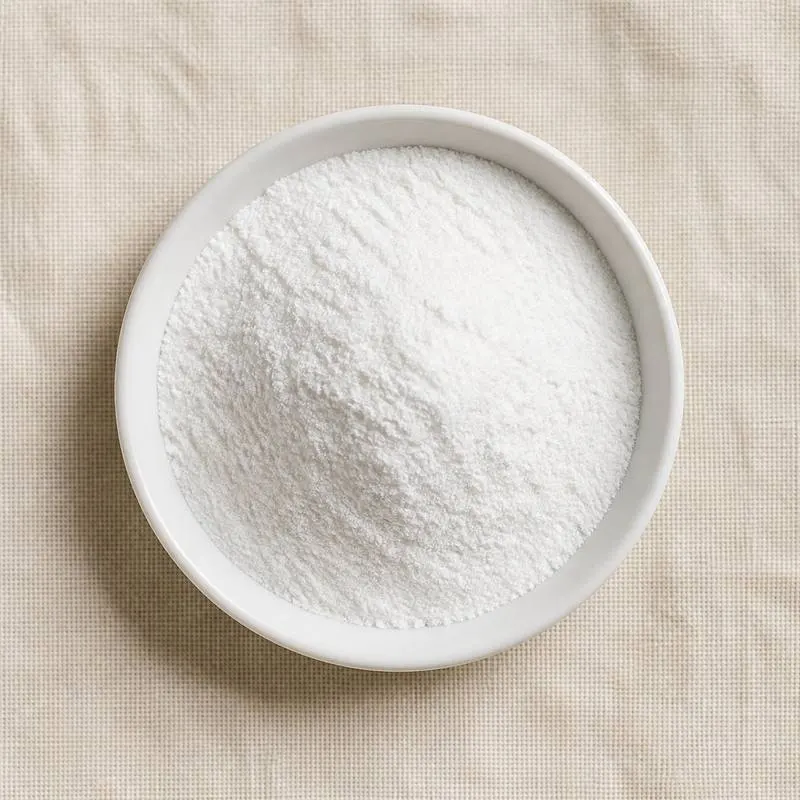
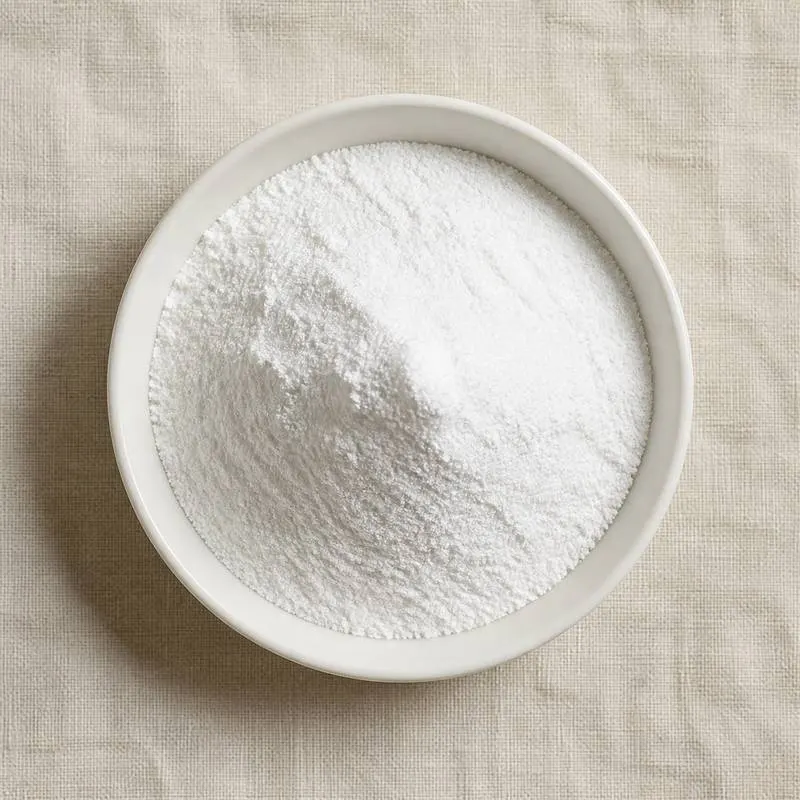
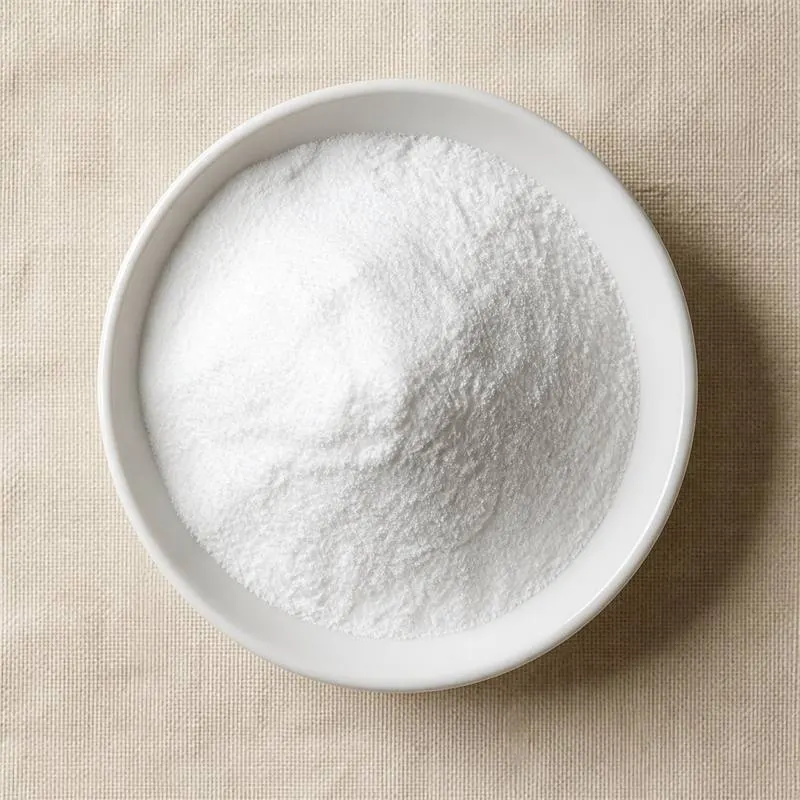
The white crystalline powder is sparingly soluble in cold water and faintly bitter. It is the most actively researched of the three branched-chain amino acids because of its direct stimulatory effect on muscle protein synthesis through the mTOR pathway.
We source bulk L-Leucine from top China manufacturers for our partners, working with several of them. The manufacturers are mostly in Hebei, Jiangsu and Anhui. For this ingredient the minimum order is 500 kg and a 20-foot container takes 20 MT, and a smaller requirement can ship in a combined container with other ingredients.
Please send the grade you need, the volume and your destination port, and we will come back with a solution and a price.
or call +86-21-6858 0751
- Minimum order
- 500 kg
- Qty in 20' FCL
- 20 MT
- Packaging
- 25 kg kraft paper bag with PE inner liner
- ISO 9001
- HACCP
- Halal
- Kosher
Specifications
| Item | Specification |
|---|---|
| Appearance | White crystalline powder or granules |
| Assay (dried basis) | 98.5-101.5% |
| Specific Rotation [α]D20 | +14.5° to +16.5° (c=4, 6 mol/L HCl) |
| Loss on Drying | ≤ 0.3% |
| Residue on Ignition | ≤ 0.1% |
| pH (1% solution) | 5.5-7.0 |
| Chloride (as Cl) | ≤ 0.02% |
| Sulfate (as SO₄) | ≤ 0.02% |
| Iron | ≤ 10 mg/kg |
| Other Amino Acids (TLC) | Conforms |
| Heavy Metals (as Pb) | ≤ 10 mg/kg |
| Lead | ≤ 1 mg/kg |
| Arsenic | ≤ 1 mg/kg |
| Total Plate Count | ≤ 1000 CFU/g |
| Salmonella | Negative/25g |
Common Markets Grades
The trade divides L-Leucine into food, supplement, pharmaceutical, and feed grades.
Food and supplement grade L-leucine meets the FCC monograph at 98.5 to 101.5 percent assay on the dried basis. Particle size and bulk density are controlled to suit dry-blend sports nutrition formats, ready-to-mix beverage powders, and clinical-nutrition stick packs.
Pharmaceutical grade L-leucine conforms to USP, Ph. Eur., and JP monographs and is used in parenteral nutrition admixtures, oral amino-acid preparations, and as a glidant in dry-powder inhaler formulations.
Cell-culture and biochemical grades are produced with low endotoxin counts and verified absence of contaminating amino acids. Feed grade L-leucine is graded at lower assay specifications for inclusion in specialty livestock and aquaculture diets.
Applications
- Sports nutrition: ratio-balanced BCAA powders, intra-workout drinks, and recovery shakes
- Free-leucine fortification of pre- and post-workout formulas for muscle protein synthesis support
- Component of parenteral nutrition admixtures for surgical recovery and trauma
- Oral nutrition products for sarcopenia, post-operative recovery, and elderly care
- Nutritional fortification of infant formula and clinical-nutrition products
- Glidant in dry-powder inhaler formulations of inhaled small-molecule drugs
- Substrate for the synthesis of HMB (β-hydroxy β-methylbutyrate) in fermentation-based plants
- Cell-culture and fermentation media for biopharmaceutical manufacture
- Building block in peptide synthesis and pharmaceutical chiral intermediate chemistry
- Cosmetic skin-conditioning agent in serums and amino-acid blend lotions
- Animal feed supplement in piglet and aquaculture diets
Brands Using L-Leucine
Widely-distributed consumer products that list L-Leucine on the ingredient label.
- NOW SportsL-Leucine Powder ↗Instantized L-Leucine powder; ingredient panel lists L-Leucine with Non-GMO Sunflower Lecithin (less than 5%) as the only other ingredient.Label verified 2026-05-24
- BulkSupplementsL-Leucine Powder ↗An unflavoured L-leucine powder dosed at 5 g per serving.Label verified 2026-05-24
- Transparent LabsBCAA Glutamine ↗Supplement Facts list Fermented Vegan BCAA 2:1:1 with L-Leucine 4,000 mg per serving alongside L-Isoleucine 2,000 mg and L-Valine 2,000 mg.Label verified 2026-05-24
- Optimum NutritionGold Standard 100% Whey Protein Powder ↗The amino acid profile for Gold Standard 100% Whey lists L-leucine at 2,470 mg per serving, more than either of its other BCAAs.Label verified 2026-05-24
- MyProteinBCAA 4:1:1 Powder ↗Unflavored powder is 66% L-Leucine alongside 17% L-Isoleucine and 17% L-Valine, delivering a 4:1:1 leucine-weighted ratio.Label verified 2026-05-24
Brand names, product names and logos are the property of their owners. They appear here as published evidence that the ingredient is used, taken from the brand's own label or website. Their appearance is not an endorsement, and it does not mean the brand buys from us or from any manufacturer listed on this site.
China Manufacturers of L-Leucine
Top L-Leucine manufacturers in China.
 Anhui Omire Biotechnology Co., Ltd.4 ingredients in the directory
 Emeishan Longteng Biotechnology Co., Ltd.10 ingredients in the directory
 Hebei Changhao Biotechnology Co., Ltd.10 ingredients in the directory
 Hebei Harmony Amino Acid Co., Ltd.7 ingredients in the directory
 Hebei Huafan Biological Technology Co., Ltd.15 ingredients in the directory
- Hebei Huaheng Biological Technology Co., Ltd.9 ingredients in the directory
- Hebei Huayang Biological Technology Co., Ltd.13 ingredients in the directory
 Jiangsu Quanjia Shun Health Technology Co., Ltd.12 ingredients in the directory
 Shijiazhuang Haitian Amino Acid Co., Ltd.11 ingredients in the directory
 Shijiazhuang Shixing Amino Acid Co., Ltd.7 ingredients in the directory
 Wuxi Jinghai Amino Acid Co., Ltd.18 ingredients in the directory
Company names and logos are the property of the manufacturers themselves. They are listed here because our own directory records them as producing this ingredient. A listing is not an endorsement by them, and we do not represent them or speak on their behalf.
How We Help Source L-Leucine
Direct Factory Sourcing
We run the whole process: selecting the manufacturer from the top Chinese food ingredient producers, negotiating the price, verifying quality, and coordinating the logistics. You deal with us instead of with several factories at once.
Original Packaging and Documents from the Manufacturer
The manufacturer sends your L-Leucine out of its own factory in the original packing, through to your destination port. The COA, COO, MSDS, TDS and any certifications reach you from the manufacturer as well.
Free Samples and Lead Time
We send 100 to 500 g free for your own laboratory to test and you cover only the courier, usually within 2 to 3 working days. ETD is usually within 7 to 15 days once the order is confirmed, and we check that date against the factory's own manufacturing schedule before we give it to you.
Combined Shipment
We can load L-Leucine together with other ingredients such as Glycine, L-Arginine and DL-Methionine into one 20' FCL. If your quantity is small, we can also ship LCL.
Regulatory Status
L-Leucine is broadly accepted as a food ingredient, dietary supplement, and pharmaceutical ingredient.
In the United States it is recognised as a nutrient and dietary supplement, and several independent GRAS notices cover its use in conventional foods, sports beverages, and clinical-nutrition products. USP monographs and FDA's inactive ingredient database both cover use as a pharmaceutical excipient.
The European Union permits L-leucine as a nutrient added to foods for particular nutritional uses, infant formula, and food supplements under Regulation (EU) No 609/2013. EFSA has issued scientific opinions on selected branched-chain amino acid health claims, most of which remain unauthorized.
USP, Ph. Eur., JP, and BP monographs are in force. Halal and Kosher certifications are routinely available for fermentation-derived material that uses plant-based feedstocks and non-animal nitrogen sources.
Manufacturing Process
The dominant industrial route is direct fermentation of glucose by engineered Corynebacterium glutamicum strains. The branched-chain amino acid pathway begins at pyruvate, branches to either valine or isoleucine, and ends with three transamination steps that deliver leucine.
Productive strains carry feedback-resistant acetohydroxyacid synthase and isopropylmalate synthase, amplified expression of the leu operon, and knockouts of pathways that drain the same carbon pool to alanine or lactate. Sugar feed rate, dissolved oxygen, and ammonia control are critical because the pathway competes for pyruvate with the cell's own energy metabolism.
Downstream processing is short. Cells are removed by ultrafiltration, the broth is acidified, and the amino acid is captured on cation-exchange resin, eluted with ammonia, decolorised, concentrated, and crystallised from aqueous alcohol. Recrystallisation gives food and pharmaceutical grades.
Hydrolysis of corn-gluten meal and other leucine-rich proteins still supplies a residual share of the global market, but fermentation now dominates by a wide margin. Pure chemical synthesis is not competitive.