DL-Methionine
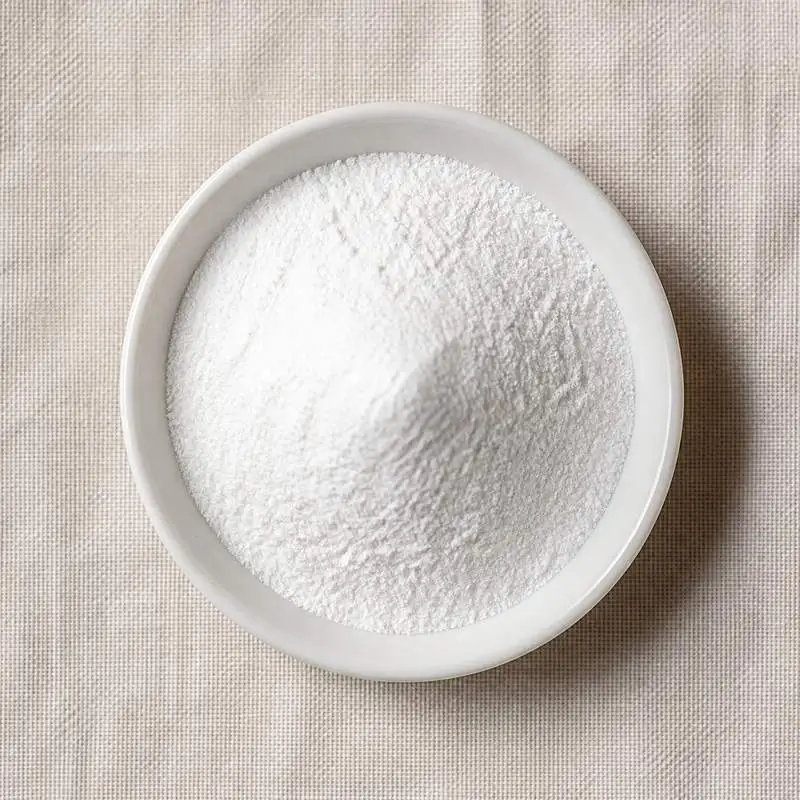
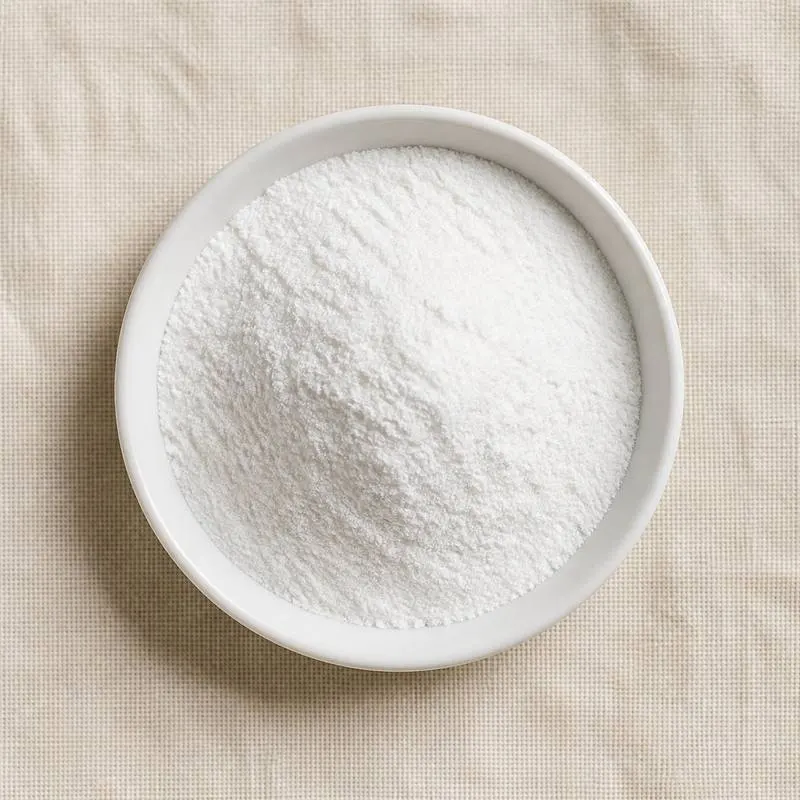
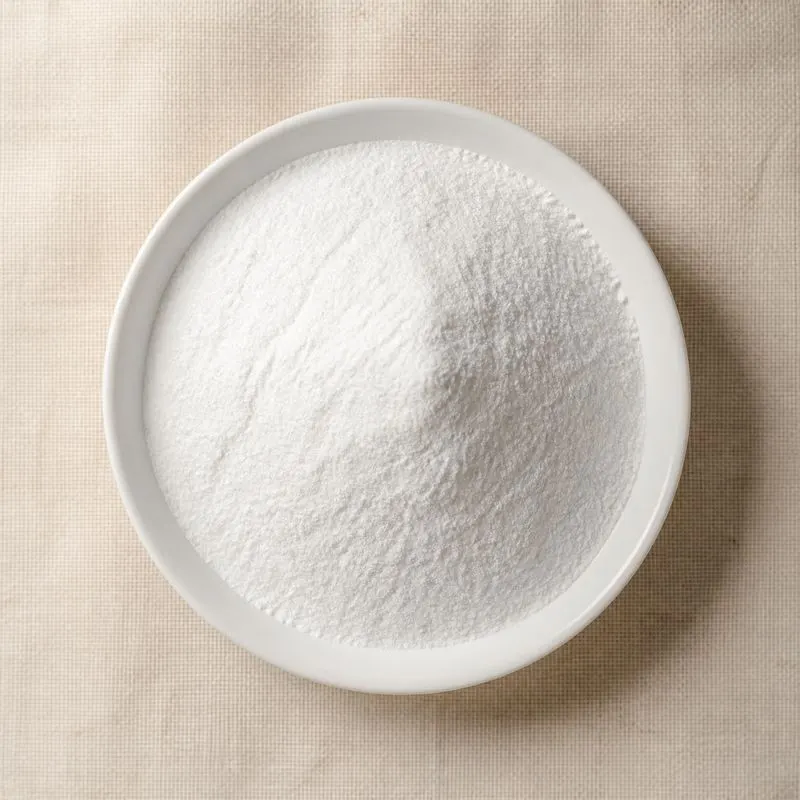
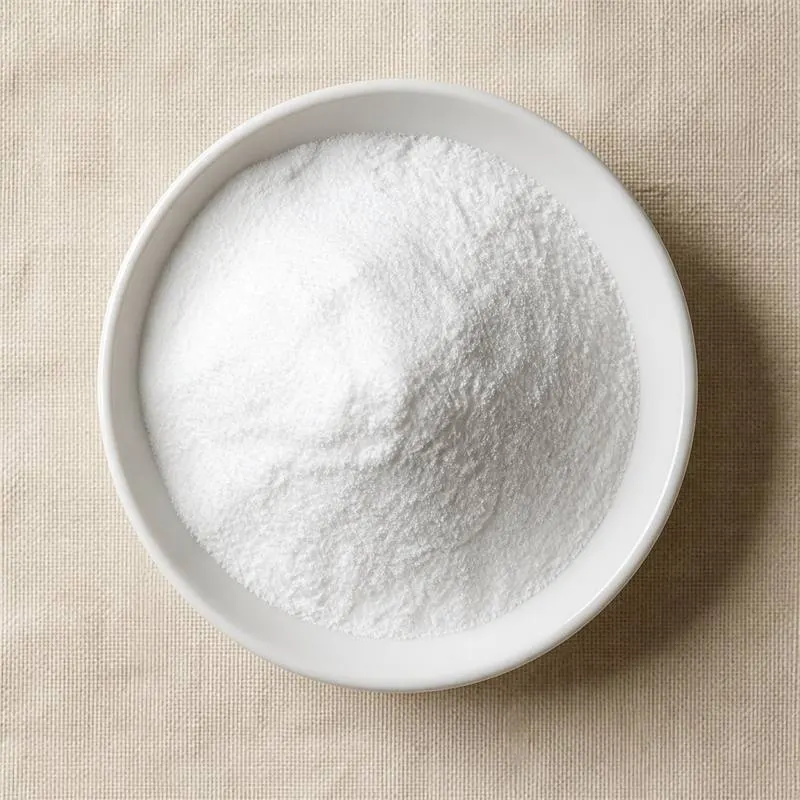
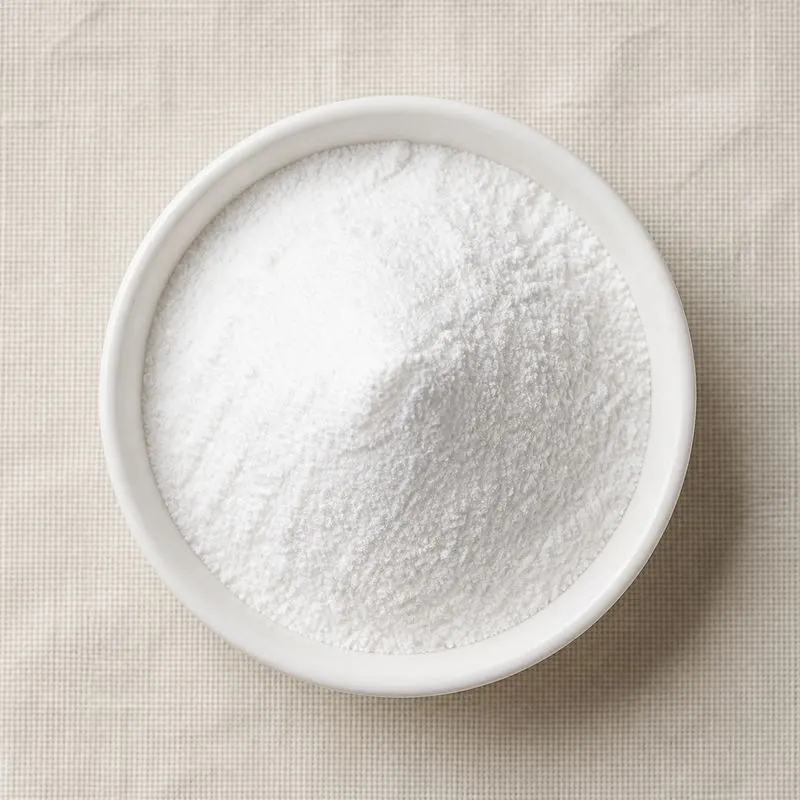
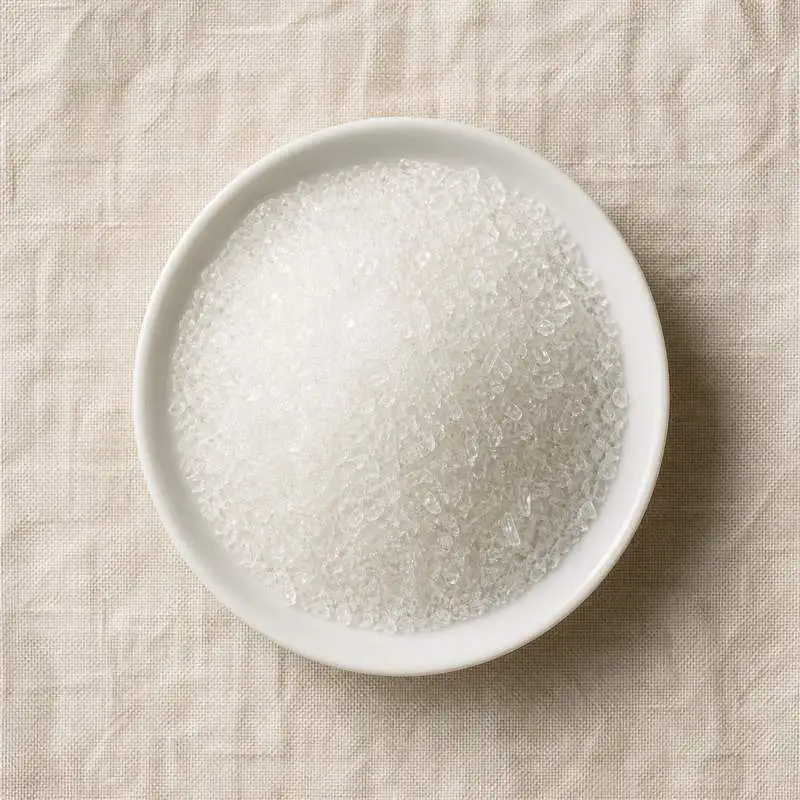
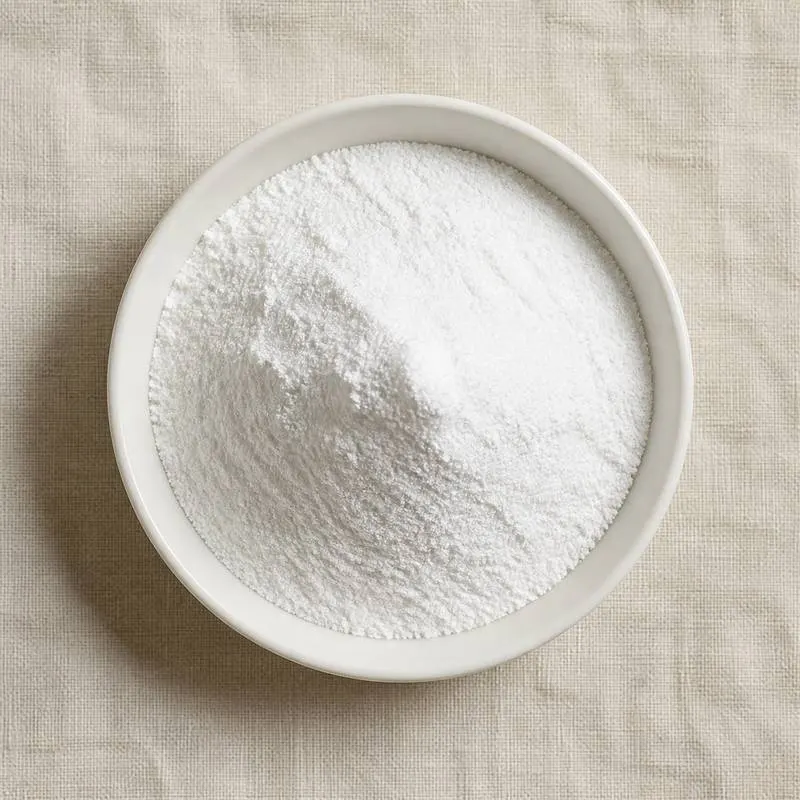
DL-Methionine is the racemic synthetic form of methionine, a 50:50 mixture of the L and D enantiomers sold as a white crystalline powder for animal nutrition.
The product is the dominant feed-grade source of the essential amino acid methionine, with the D-isomer converted in the body to the biologically active L-form by D-amino acid oxidase in liver and kidney tissue.
We source bulk DL-Methionine from top China manufacturers for our partners, working with several of them. The manufacturers are in Hebei, Sichuan and Zhejiang. For this ingredient the minimum order is 1,000 kg and a 20-foot container takes 20 MT, and a smaller requirement can ship in a combined container with other ingredients.
Please send the grade you need, the volume and your destination port, and we will come back with a solution and a price.
or call +86-21-6858 0751
- Minimum order
- 1,000 kg
- Qty in 20' FCL
- 20 MT
- Packaging
- 25 kg kraft paper bag with PE inner liner
- ISO 9001
- HACCP
- Halal
- Kosher
Specifications
Grades / Types Available: Pharm Grade (USP38), Food Grade (FCCV)
| Item | Specification |
|---|---|
| Appearance | White to light yellow crystalline powder |
| Assay | ≥99.0% |
| Specific Rotation [α]D20 | -0.10° to +0.10° |
| Loss on Drying | ≤0.5% |
| Residue on Ignition | ≤0.1% |
| pH (1% solution) | 5.6–6.1 |
| Heavy Metals (as Pb) | ≤10 ppm |
| Arsenic | ≤1.5 ppm |
| Transmittance | ≥98.0% |
| Total Plate Count | ≤1000 CFU/g |
| Chloride (Pharm Grade) | NMT 200ppm |
| Limit of Iron (Pharm Grade) | NMT 10ppm |
| Limit of Ammonium (Pharm Grade) | NMT 200ppm |
| Related substances (Pharm Grade) | Individual impurity: NMT 0.2% |
| Lead (Food Grade) | 5mg/kg MAX |
Common Markets Grades
DL-Methionine is made in feed and technical grades.
Feed grade at 99 percent minimum assay is the standard product for poultry, swine, ruminant, and aquaculture diets. It is a free-flowing crystalline powder with low dust and good blending characteristics in premixes and complete feeds.
A hydroxy analog liquid form (DL-2-hydroxy-4-methylthiobutanoic acid, HMTBA) at 88 percent is produced by some suppliers as an alternative for liquid dosing systems and rumen-protected applications.
Technical grade material may be used in non-feed industrial applications, including chelate synthesis and intermediate manufacture. Pharmaceutical use of the racemic mixture is uncommon, since human nutrition products use the L-isomer.
Applications
- Broiler chicken feeds as the first or second limiting amino acid
- Layer hen diets to support egg production and shell quality
- Turkey and duck grower feeds
- Swine starter, grower, and finisher diets
- Aquaculture feeds for tilapia, catfish, carp, and shrimp
- Dairy and beef cattle rumen-protected methionine products
- Pet food formulations for dogs and cats
- Premix and concentrate manufacturing for compound feed mills
- Mink, fox, and other fur animal nutrition
- Companion bird and ratite specialty diets
Brands Using DL-Methionine
Widely-distributed consumer products that list DL-Methionine on the ingredient label.
- Purina MillsPurina Layena Layer Pellets Poultry Feed ↗A complete layer feed listing DL-Methionine in the ingredient panel as a supplemental amino acid, with a guaranteed minimum of 0.3% methionine.Label verified 2026-05-24
- Purina MillsPurina Game Bird 30% Protein Startena ↗Purina Game Bird Startena (30% protein starter) ingredient panel lists DL-Methionine along with L-Lysine as supplemental amino acids for young game birds and turkeys.Label verified 2026-05-24
- Manna ProManna Pro Chick Starter Medicated Crumbles ↗A medicated chick starter whose ingredient panel lists DL-Methionine with L-lysine, and which guarantees a minimum of 0.30% methionine.Label verified 2026-05-24
- Hill's Pet Nutrition (Prescription Diet)Hill's Prescription Diet c/d Multicare Urinary Care with Chicken Dry Cat Food ↗A urinary-care cat food whose ingredient list includes DL-Methionine.Label verified 2026-05-24
- Royal CaninRoyal Canin Feline Ultamino Dry Cat Food ↗Royal Canin Feline Ultamino veterinary diet ingredient panel lists DL-methionine together with L-lysine and L-tyrosine to round out the amino acid profile of this hydrolysed amino-acid diet.Label verified 2026-05-24
Brand names, product names and logos are the property of their owners. They appear here as published evidence that the ingredient is used, taken from the brand's own label or website. Their appearance is not an endorsement, and it does not mean the brand buys from us or from any manufacturer listed on this site.
China Manufacturers of DL-Methionine
Top DL-Methionine manufacturers in China.
 Emeishan Longteng Biotechnology Co., Ltd.10 ingredients in the directory
 Hebei Changhao Biotechnology Co., Ltd.10 ingredients in the directory
 Hebei Harmony Amino Acid Co., Ltd.7 ingredients in the directory
 Hebei Huafan Biological Technology Co., Ltd.15 ingredients in the directory
- Hebei Huaheng Biological Technology Co., Ltd.9 ingredients in the directory
- Hebei Huayang Biological Technology Co., Ltd.13 ingredients in the directory
 Shijiazhuang Shixing Amino Acid Co., Ltd.7 ingredients in the directory
 Zhejiang NHU Company Ltd.25 ingredients in the directory
Company names and logos are the property of the manufacturers themselves. They are listed here because our own directory records them as producing this ingredient. A listing is not an endorsement by them, and we do not represent them or speak on their behalf.
How We Help Source DL-Methionine
Direct Factory Sourcing
We run the whole process: selecting the manufacturer from the top Chinese food ingredient producers, negotiating the price, verifying quality, and coordinating the logistics. You deal with us instead of with several factories at once.
Original Packaging and Documents from the Manufacturer
The manufacturer sends your DL-Methionine out of its own factory in the original packing, through to your destination port. The COA, COO, MSDS, TDS and any certifications reach you from the manufacturer as well.
Free Samples and Lead Time
We send 100 to 500 g free for your own laboratory to test and you cover only the courier, usually within 2 to 3 working days. ETD is usually within 7 to 15 days once the order is confirmed, and we check that date against the factory's own manufacturing schedule before we give it to you.
Combined Shipment
We can load DL-Methionine together with other ingredients such as Glycine, L-Arginine and L-Leucine into one 20' FCL. If your quantity is small, we can also ship LCL.
Regulatory Status
DL-Methionine is authorised as a nutritional feed additive in essentially every major animal production market.
In the European Union it is listed in the Register of Feed Additives under category 3 (nutritional additives), functional group 3c (amino acids, their salts and analogues), for use in all animal species. The U.S. Food and Drug Administration recognises DL-methionine in 21 CFR 582.5475 as GRAS for use in animal feed.
The substance is also approved under Brazilian, Japanese, Indian, and Mercosur feed regulations. Some certified-organic standards restrict synthetic DL-methionine, prompting the development of fermentation-derived L-methionine alternatives for organic poultry production.
Quality is controlled by FAMI-QS, FCA, and ISO 22000 schemes at the manufacturing level, with FEFANA monograph specifications providing harmonised testing criteria across European feed buyers.
Manufacturing Process
DL-Methionine is produced by chemical synthesis at very large scale, with global output around 1.4 million tonnes per year.
The dominant industrial route is the Degussa (now Evonik) process, which condenses acrolein with methyl mercaptan to give 3-methylthiopropionaldehyde, then carries out a Strecker synthesis with hydrogen cyanide and ammonium bicarbonate to form the hydantoin. Alkaline hydrolysis of the hydantoin releases DL-methionine, which is recovered by acidification and crystallisation.
Evonik operates plants in Germany, Belgium, the United States, and Singapore. Adisseo (France and Spain), Sumitomo Chemical (Japan), CJ CheilJedang, and NHU (China) account for most of the remaining volume.
Process economics depend on integrated upstream supply of acrolein (from propylene oxidation), methyl mercaptan (from methanol and hydrogen sulphide), and HCN (from the Andrussow or BMA processes), which is why DL-methionine plants are typically built as part of larger petrochemical complexes.