L-Arginine
L-Arginine is a conditionally essential α-amino acid with the formula C₆H₁₄N₄O₂ and a molar mass of 174.20 g/mol. Its guanidinium side chain carries a positive charge across the entire physiological pH range, making it one of the most basic amino acids in proteins.
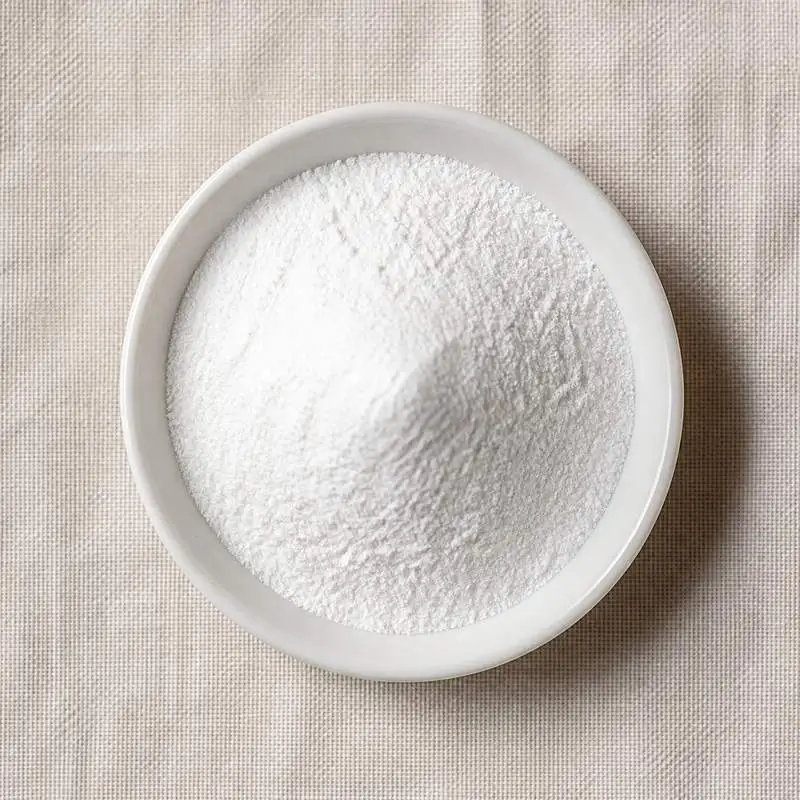
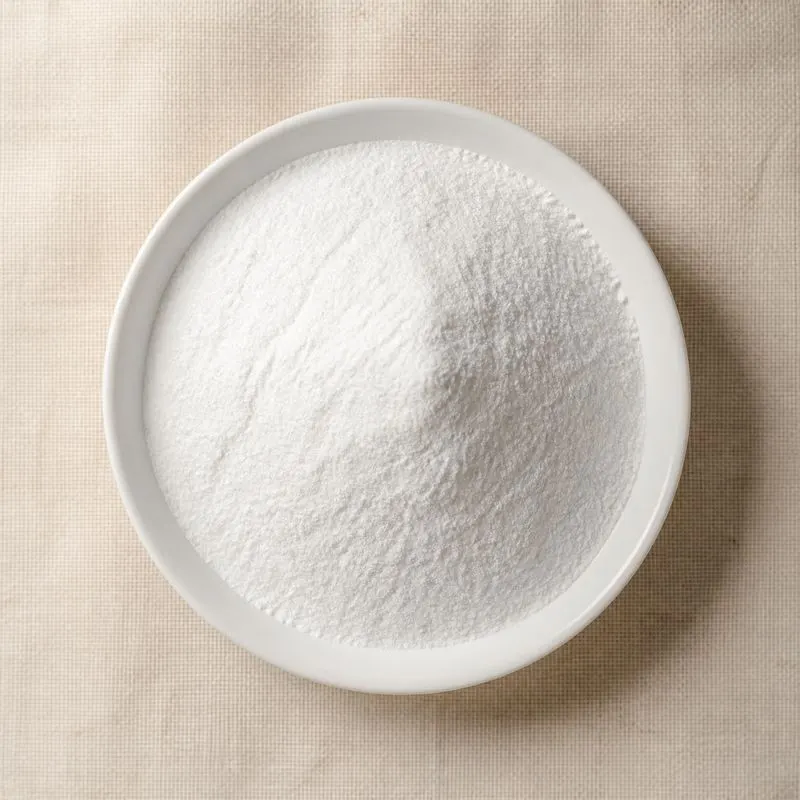
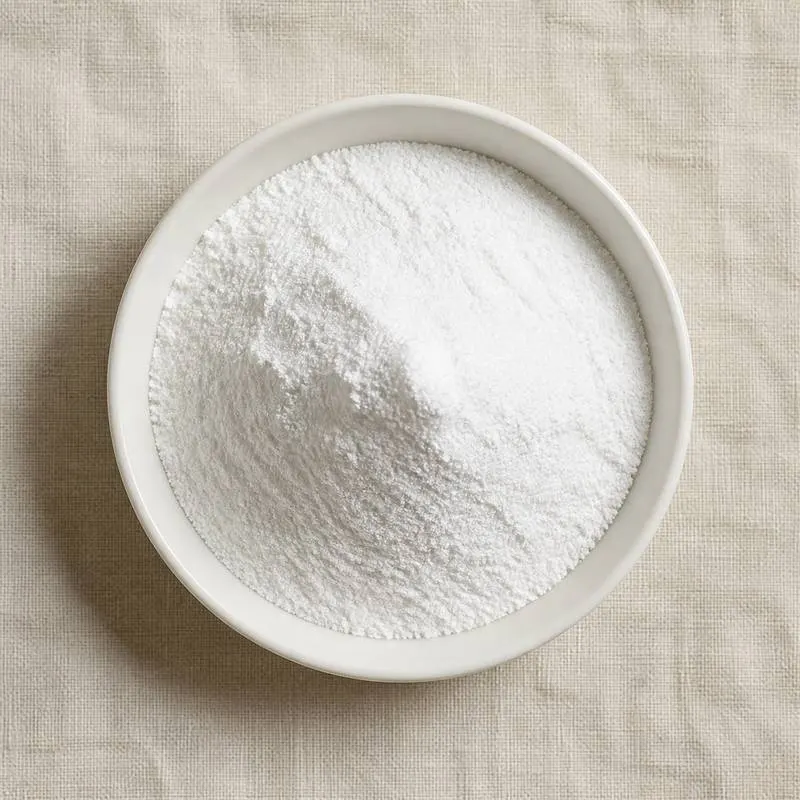
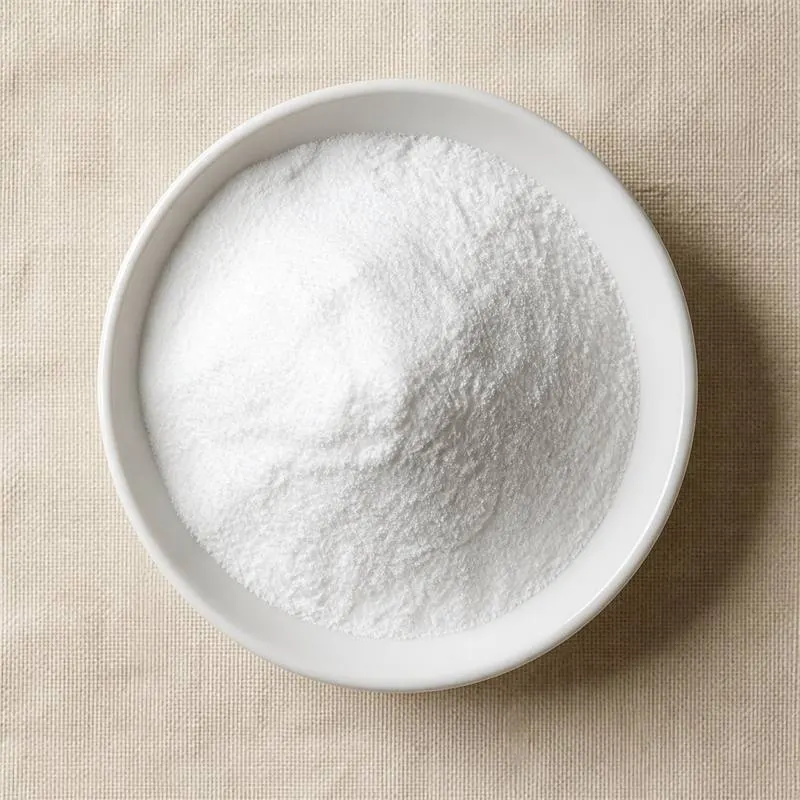
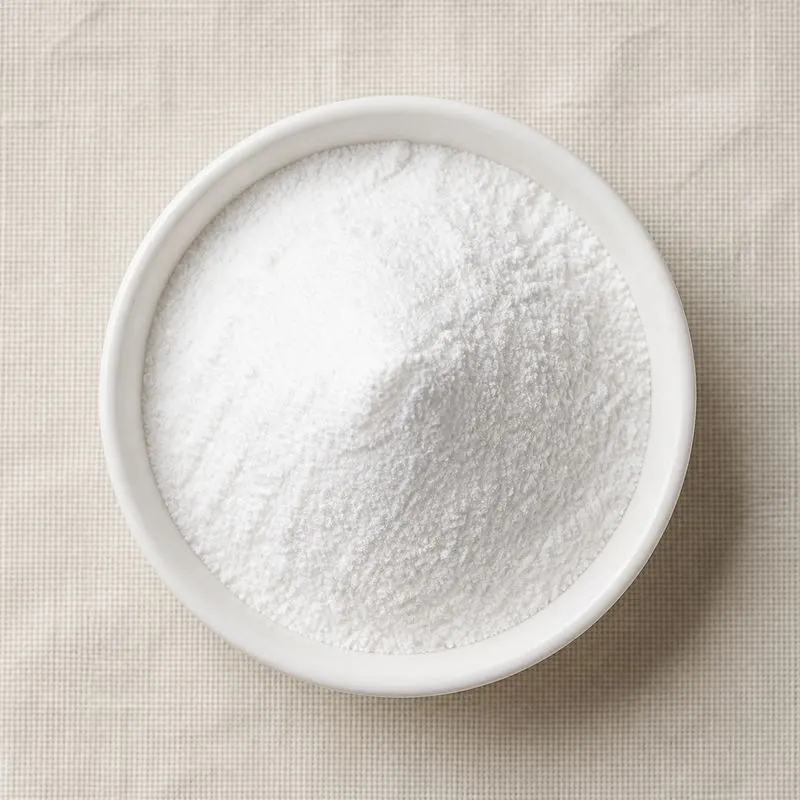
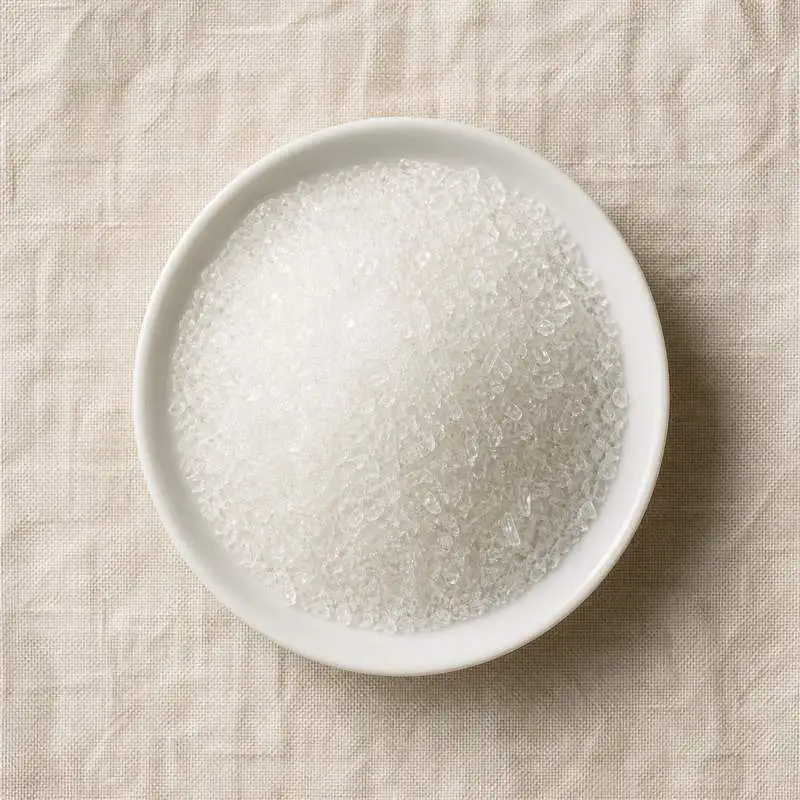
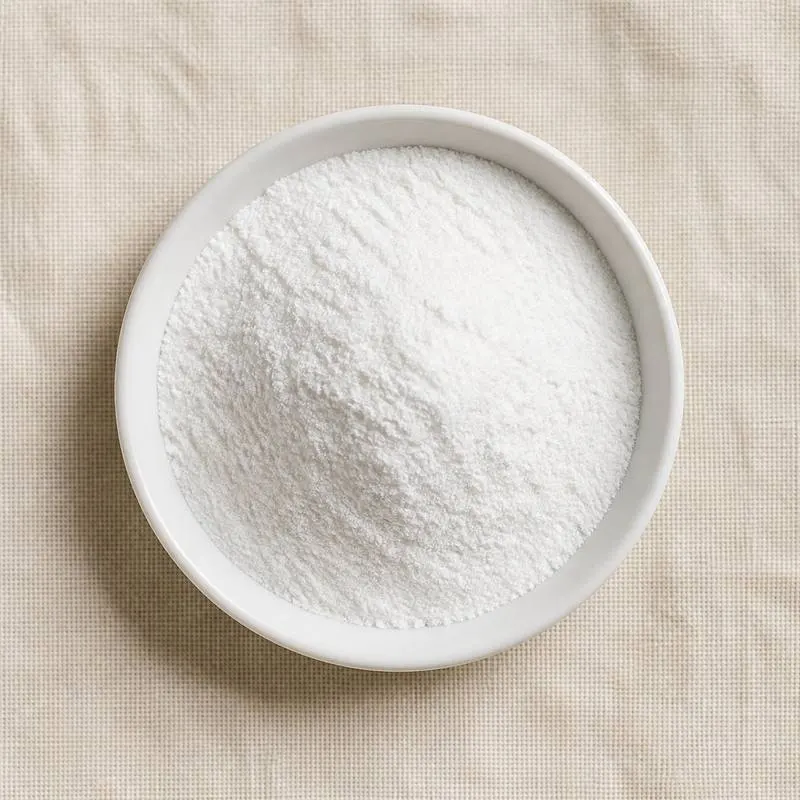
The white crystalline powder is freely soluble in water and faintly bitter. It is widely used in clinical nutrition, sports nutrition, pharmaceutical synthesis, and as a precursor to nitric oxide.
We source bulk L-Arginine from top China manufacturers for our partners, working with several of them. The manufacturers are mostly in Hebei, Jiangsu and Anhui. For this ingredient the minimum order is 500 kg and a 20-foot container takes 10 MT, and a smaller requirement can ship in a combined container with other ingredients.
Please send the grade you need, the volume and your destination port, and we will come back with a solution and a price.
or call +86-21-6858 0751
- Minimum order
- 500 kg
- Qty in 20' FCL
- 10 MT
- Packaging
- 25 kg kraft paper bag with PE inner liner
- ISO 9001
- HACCP
- Halal
- Kosher
Specifications
Grades / Types Available: Food Grade, Pharmaceutical Grade
| Item | Specification |
|---|---|
| Appearance | White crystalline powder |
| Assay | ≥98.5% |
| Specific Rotation [α]D20 | +26.0° to +28.5° |
| Loss on Drying | ≤0.5% |
| Residue on Ignition | ≤0.1% |
| pH (5% solution) | 10.5–12.0 |
| Heavy Metals (as Pb) | ≤10 ppm |
| Arsenic | ≤1 ppm |
| Ammonium | ≤0.02% |
| Total Plate Count | ≤1000 CFU/g |
| Purity (Food Grade) | 98% min |
| Moisture/Loss on Drying | < 5% |
| Lead | < 2 ppm |
| Yeast & Mold | < 100 cfu/g |
Common Markets Grades
L-Arginine trades as the free base and as several salt forms, each with its own grade pathway.
Food and supplement grade L-arginine base meets the FCC monograph at 98.5 to 101.5 percent assay on the dried basis. The free base is hygroscopic, so packaging and warehouse humidity are controlled.
Pharmaceutical grade L-arginine and L-arginine hydrochloride conform to USP, Ph. Eur., and JP monographs. The hydrochloride salt is used in injection solutions for the assessment of pituitary function and for the treatment of severe metabolic alkalosis.
L-arginine L-aspartate, L-arginine L-pyroglutamate, and L-arginine α-ketoglutarate are specialty salts produced for clinical-nutrition, sports-nutrition, and cardiology applications. Cell-culture and biochemical grades are produced with low endotoxin counts and verified absence of contaminating amino acids.
Applications
- Sports nutrition: pre-workout powders, intra-workout drinks, and pump-style stimulant-free blends
- Clinical nutrition: oral and tube-feeding products for surgical recovery, wound healing, and trauma
- Parenteral nutrition admixtures as a nitrogen source and arginine-cycle substrate
- Injection solutions for growth hormone stimulation testing in pediatric endocrinology
- Treatment of severe metabolic alkalosis as L-arginine hydrochloride
- Therapy for urea cycle disorders including ornithine transcarbamylase deficiency
- Cardiovascular supplements positioned around endothelial nitric oxide support
- Dietary fortification of infant formula and follow-on nutrition products
- Cosmetic skin-conditioning and hair-conditioning agent in shampoos and treatments
- Substrate in fermentation media and cell-culture systems for biopharmaceutical production
- Reagent in peptide synthesis and protein chemistry research
- Animal feed and aquaculture diets for growth performance and immune function
Brands Using L-Arginine
Widely-distributed consumer products that list L-Arginine on the ingredient label.
- NOW FoodsL-Arginine 1,000 mg Double Strength Tablets ↗Each tablet provides 1,000 mg L-Arginine (from L-Arginine HCl) as a pharmaceutical-grade nitric oxide precursor for vascular support.Label verified 2026-05-24
- SolgarL-Arginine 1000 mg Tablets ↗Tablets supplying 1,000 mg free-form L-arginine each, non-GMO, vegan and kosher.Label verified 2026-05-24
- BulkSupplementsL-Arginine Base Powder ↗A pure L-arginine base powder at 1,000 mg per serving, third-party tested.Label verified 2026-05-24
- CellucorC4 Original Pre-Workout ↗Ingredient panel lists L-Arginine within the Velox Patented Performance Blend supporting nitric oxide production and pumps.Label verified 2026-05-24
- MuscleTechAmino Build ↗Formula includes L-Arginine as a precursor to nitric oxide, supporting vasodilation and nutrient delivery to muscle tissue.Label verified 2026-05-24
- CellucorNO3 Ultimate ↗Pump formula combines L-Citrulline 4 g with 1 g Arginine AKG and 500 mg NO3-T arginine nitrate per scoop.Label verified 2026-05-24
Brand names, product names and logos are the property of their owners. They appear here as published evidence that the ingredient is used, taken from the brand's own label or website. Their appearance is not an endorsement, and it does not mean the brand buys from us or from any manufacturer listed on this site.
China Manufacturers of L-Arginine
Top L-Arginine manufacturers in China.
 Anhui Huaheng Biotechnology Co.,Ltd.8 ingredients in the directory
- Chengzhi Life Science Co., Ltd.5 ingredients in the directory
 Emeishan Longteng Biotechnology Co., Ltd.10 ingredients in the directory
 Hebei Changhao Biotechnology Co., Ltd.10 ingredients in the directory
 Hebei Huafan Biological Technology Co., Ltd.15 ingredients in the directory
- Hebei Huaheng Biological Technology Co., Ltd.9 ingredients in the directory
- Hebei Huayang Biological Technology Co., Ltd.13 ingredients in the directory
 Jiangsu Quanjia Shun Health Technology Co., Ltd.12 ingredients in the directory
 Shijiazhuang Haitian Amino Acid Co., Ltd.11 ingredients in the directory
 Shijiazhuang Shixing Amino Acid Co., Ltd.7 ingredients in the directory
 Wuxi Jinghai Amino Acid Co., Ltd.18 ingredients in the directory
Company names and logos are the property of the manufacturers themselves. They are listed here because our own directory records them as producing this ingredient. A listing is not an endorsement by them, and we do not represent them or speak on their behalf.
How We Help Source L-Arginine
Direct Factory Sourcing
We run the whole process: selecting the manufacturer from the top Chinese food ingredient producers, negotiating the price, verifying quality, and coordinating the logistics. You deal with us instead of with several factories at once.
Original Packaging and Documents from the Manufacturer
The manufacturer sends your L-Arginine out of its own factory in the original packing, through to your destination port. The COA, COO, MSDS, TDS and any certifications reach you from the manufacturer as well.
Free Samples and Lead Time
We send 100 to 500 g free for your own laboratory to test and you cover only the courier, usually within 2 to 3 working days. ETD is usually within 7 to 15 days once the order is confirmed, and we check that date against the factory's own manufacturing schedule before we give it to you.
Combined Shipment
We can load L-Arginine together with other ingredients such as Glycine, L-Leucine and DL-Methionine into one 20' FCL. If your quantity is small, we can also ship LCL.
Regulatory Status
L-Arginine is broadly accepted as a food ingredient, dietary supplement, and pharmaceutical ingredient.
In the United States it is recognised as a nutrient and dietary supplement, with multiple independent GRAS notifications covering use in conventional foods, sports drinks, and clinical-nutrition products. L-arginine hydrochloride is the subject of approved drug applications for diagnostic and therapeutic indications.
The European Union permits L-arginine and its salts as nutrients added to foods for particular nutritional uses, infant formula, and food supplements under Regulation (EU) No 609/2013. The European Food Safety Authority has issued scientific opinions on selected health claims, most of which remain unauthorized.
USP and Ph. Eur. monographs cover both the free base and the hydrochloride salt. Halal and Kosher certifications are routinely available for fermentation-derived material that uses non-animal nitrogen sources.
Manufacturing Process
The dominant industrial route is direct fermentation of glucose by engineered Corynebacterium glutamicum strains. The wild-type organism already produces glutamate, and arginine sits four enzymatic steps further down the same pathway through ornithine and citrulline.
Producer strains carry deregulated argininosuccinate synthase, relieved feedback inhibition of N-acetylglutamate kinase, and amplified expression of the entire arg operon. Aeration, dissolved oxygen, and ammonia feed are controlled closely to push titers above 50 g/L.
The downstream sequence is conventional. Cells are removed by ultrafiltration, the broth is acidified and run through cation-exchange resin, eluted with ammonia, decolorised, concentrated, and crystallised as the free base. Conversion to the hydrochloride is done by neutralisation with hydrochloric acid followed by recrystallisation from aqueous alcohol.
A residual share of supply still comes from hydrolysis of protamine or other arginine-rich proteins, but this route is largely confined to small specialty volumes. Pure chemical synthesis has never been competitive at scale.