Scallion Oil
Scallion oil is a flavoured cooking oil produced by infusing spring onion, Allium fistulosum, into a refined vegetable oil at elevated temperature. It is the oil rather than the onion that is the traded article: the aroma compounds of the allium are lipophilic, so the fat phase captures them efficiently and holds them far more stably than the fresh plant does.
The chemistry follows the pattern of the allium family. Intact scallion tissue holds odourless S-alk(en)yl cysteine sulphoxides, which the enzyme alliinase converts on cutting into reactive thiosulphinates. Those are unstable and rearrange during heating into the dialkyl mono, di and trisulphides, principally dipropyl disulphide and propyl propenyl disulphide, that give the fried onion character. Maillard reaction between the sugars and amino acids of the scallion adds a browned, savoury layer, so the final profile depends heavily on the frying temperature and time.
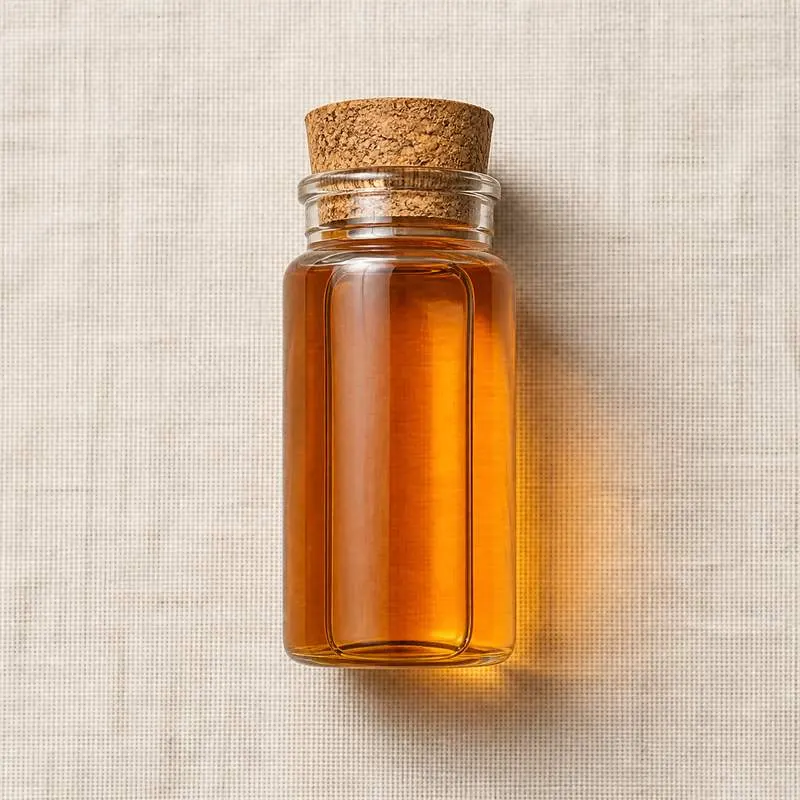
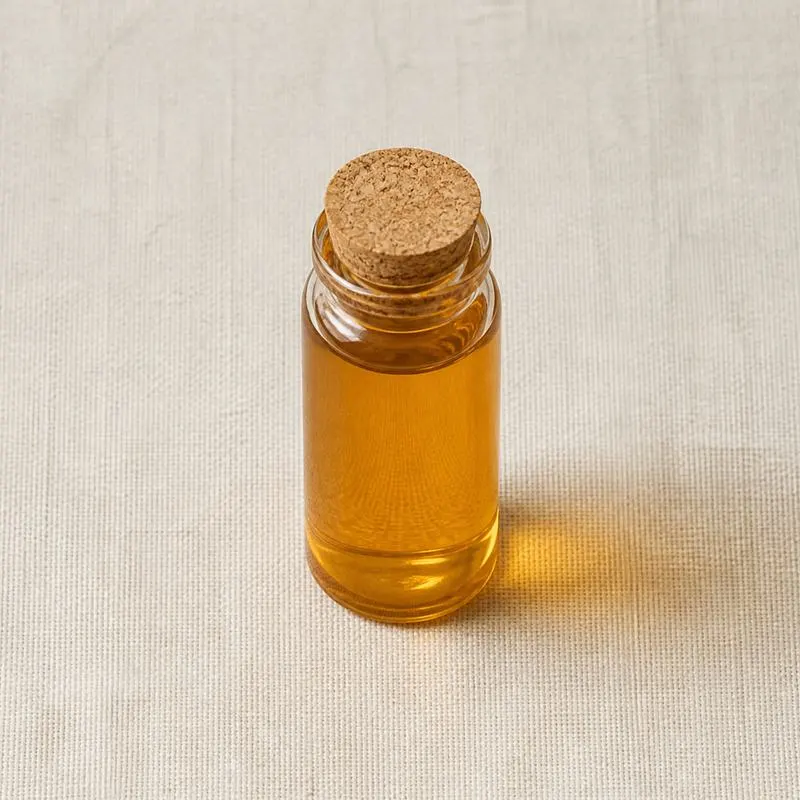
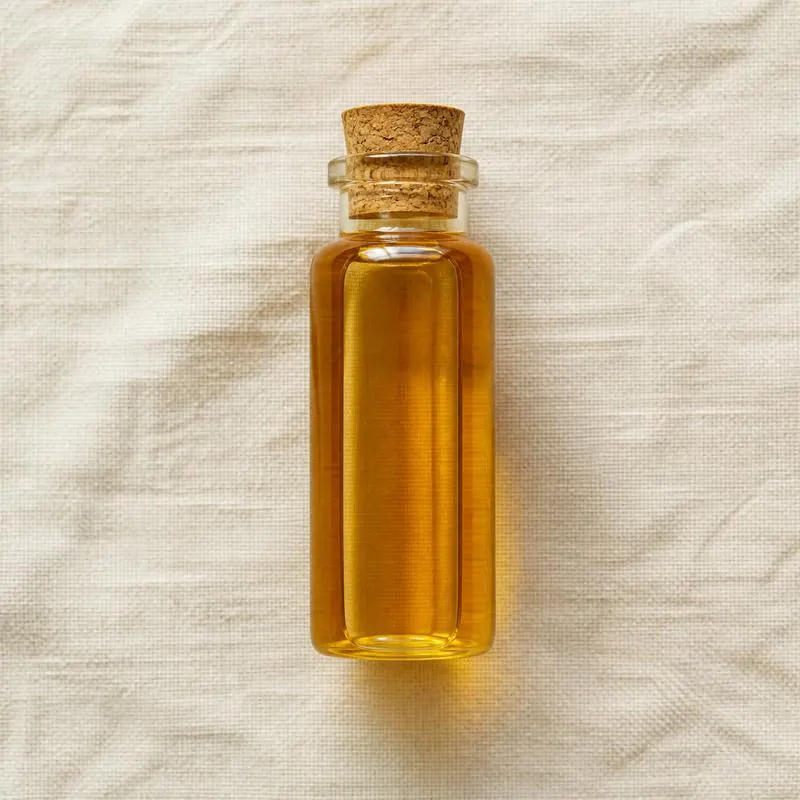
The product is a clear golden to amber oil, or an oil carrying suspended fried scallion solids where the visual cue is wanted. Being an oil it is stable at ambient temperature but oxidises on air and light exposure, and the sulphur note fades before the oil itself goes rancid, so it is packed full, dark and under nitrogen.
We source bulk Scallion Oil from top China manufacturers for our partners. The manufacturers are in Shandong and Fujian. A smaller requirement can ship in a combined container with other ingredients.
Please send the grade you need, the volume and your destination port, and we will come back with a solution and a price.
or call +86-21-6858 0751
- Function
- Flavours and Aromas
Specifications
| Item | Specification |
|---|---|
| Appearance | Clear golden to amber oil, free from sediment at 20 C |
| Odour and Taste | Characteristic fried scallion, no rancid or scorched note |
| Acid Value | Not more than 0.5 mg KOH per g |
| Peroxide Value | Not more than 5.0 meq per kg |
| Moisture and Volatile Matter | Not more than 0.10% |
| Insoluble Impurities | Not more than 0.05% |
| Relative Density at 20 C | 0.910 to 0.925 |
| Refractive Index at 20 C | 1.468 to 1.476 |
| Characteristic Sulphides by Gas Chromatography | Conforms to reference chromatogram |
| Benzo[a]pyrene | Not more than 2.0 ug/kg |
| Lead | Not more than 0.1 mg/kg |
| Arsenic | Not more than 0.1 mg/kg |
Common Markets Grades
Grades divide first by the base oil. Soyabean, rapeseed and blended vegetable oils are used for general cooking grades, while sesame and peanut oil bases are traded separately because the base contributes its own strong character. The frying temperature profile sets a second distinction, with lightly fried grades keeping a fresh green allium note and deeply fried grades giving a darker colour and a browned, almost caramelised profile.
Physical presentation completes the picture. Clear filtered oil is the industrial article, dosed volumetrically into sauces and seasoning sachets. Oil with fried scallion solids is a retail and foodservice product. Concentrated grades, made by using a high ratio of scallion to oil or by blending in an allium oleoresin, are sold for dilution. Grades stabilised with a permitted antioxidant are separated from additive free grades, and a spray dried powder version on a starch carrier is produced for dry seasoning blends.
Applications
- Instant noodle seasoning oil sachets, one of the largest single outlets for the clear grade
- Noodle and dumpling dressing sauces, where the oil is the carrier of the whole flavour
- Cold dishes and dressed salads in Chinese cuisine, contributing aroma without added liquid
- Stir fry and wok cooking as a finishing oil, added off the heat so the volatile sulphides survive
- Frozen and chilled ready meals, standardising an allium note that fresh onion cannot deliver consistently
- Savoury bakery products such as scallion pancakes and filled breads
- Marinades and coatings for poultry and pork, where the oil phase carries the flavour onto the meat surface
- Hot pot and dipping sauce blending, as the allium component of a compound sauce
- Snack seasonings, using the spray dried grade in dry blends applied in the tumble drum
China Manufacturers of Scallion Oil
Top Scallion Oil manufacturers in China.
 Jinan Aorun Technology Co., Ltd.9 ingredients in the directory
- Quanzhou Heyuan Food Co., Ltd.5 ingredients in the directory
Company names and logos are the property of the manufacturers themselves. They are listed here because our own directory records them as producing this ingredient. A listing is not an endorsement by them, and we do not represent them or speak on their behalf.
Regulatory Status
Scallion oil is a flavoured food ingredient rather than a food additive, so it carries no E number. In the European Union it is handled as a flavouring preparation obtained from a food source by a physical process, which the general flavourings framework permits subject to the general safety requirement, and the base oil must itself meet the standards applying to edible vegetable oils. Any antioxidant added to protect the oil is a regulated additive and must be declared.
In the United States onion and its derived oils and extractives are among the spices, essential oils and natural extractives listed as generally recognised as safe for use in food, and the manufacture falls under preventive controls for processed foods. Codex maintains standards for named vegetable oils that govern the base, and evaluates the individual flavouring constituents through JECFA rather than assessing the infused oil as such. Where the base is a peanut or sesame oil the corresponding allergen must be declared.
Manufacturing Process
Fresh scallion is received, trimmed, washed and cut, with green and white portions often handled in different ratios because they contribute different notes. The cut material is partially dewatered by draining or centrifuging, since carried over water causes violent spitting when it meets hot oil and hydrolyses the flavour compounds in the finished product. Some processes hold the cut scallion for a short rest before frying, which allows alliinase to act and raises the yield of sulphur compounds.
Refined vegetable oil is heated in a jacketed fryer and the scallion is added in stages against a controlled temperature curve, typically starting near one hundred and twenty degrees and rising toward one hundred and fifty, so that water is driven off before browning begins. Frying continues until the solids reach the target colour, at which point the batch is cooled quickly, because residual heat continues to darken the oil. The oil is separated from the solids on a screen and clarified through a filter press or a plate filter, then blended to a standard strength, dosed with an antioxidant where the grade allows, and filled hot or cold into drums, cans or bottles under nitrogen.