Soy Protein Peptide
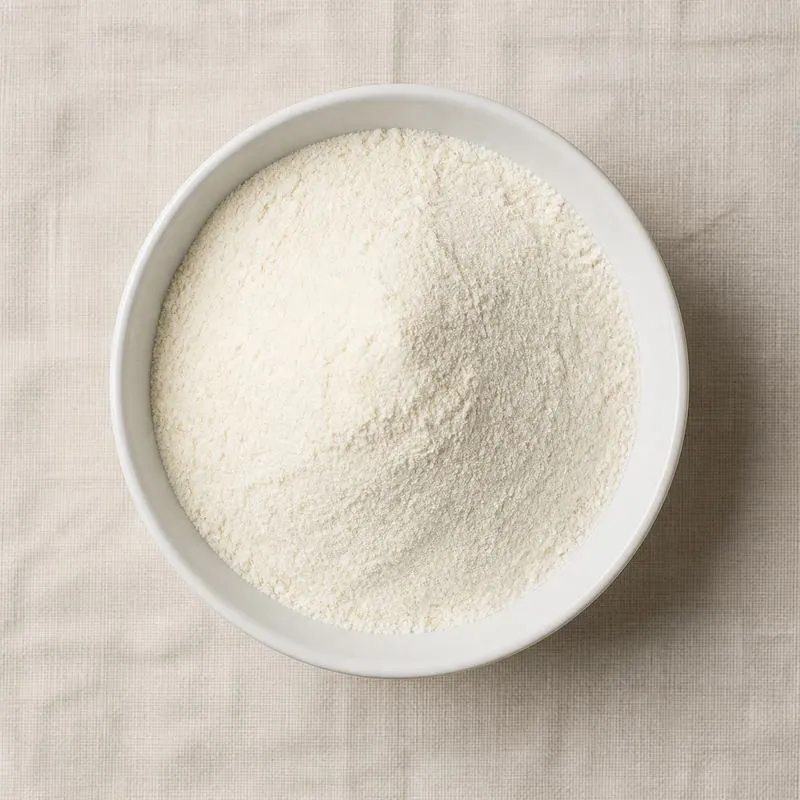
Soy protein peptide is the soluble hydrolysate obtained by digesting soy protein isolate with food grade proteases and drying the clarified digest into a powder of short peptide chains, most of it below 3000 Daltons.
The parent protein is dominated by the storage globulins glycinin and beta conglycinin, which are poorly soluble around the isoelectric region near pH 4.5 and form a heat set gel at concentration. Hydrolysis removes both behaviours. Cutting the chains lifts solubility above 90 percent across the practical pH range, eliminates the sedimentation that rules intact isolate out of clear acid drinks, and destroys the gelling and emulsifying capacity that isolate is otherwise bought for. The trade off is deliberate, since the peptide is specified for solubility and absorption rather than for texture.
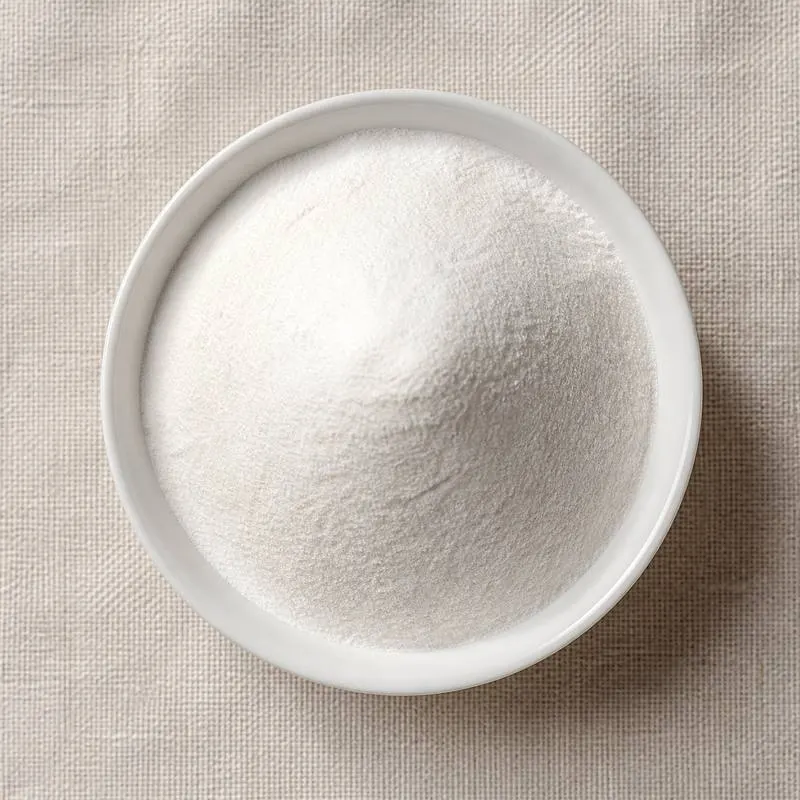
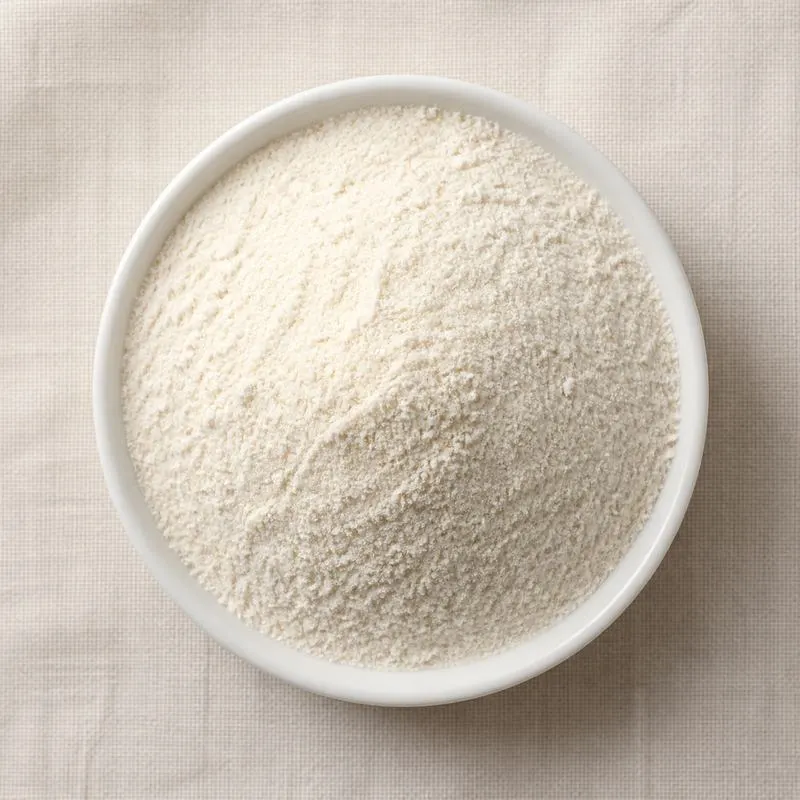
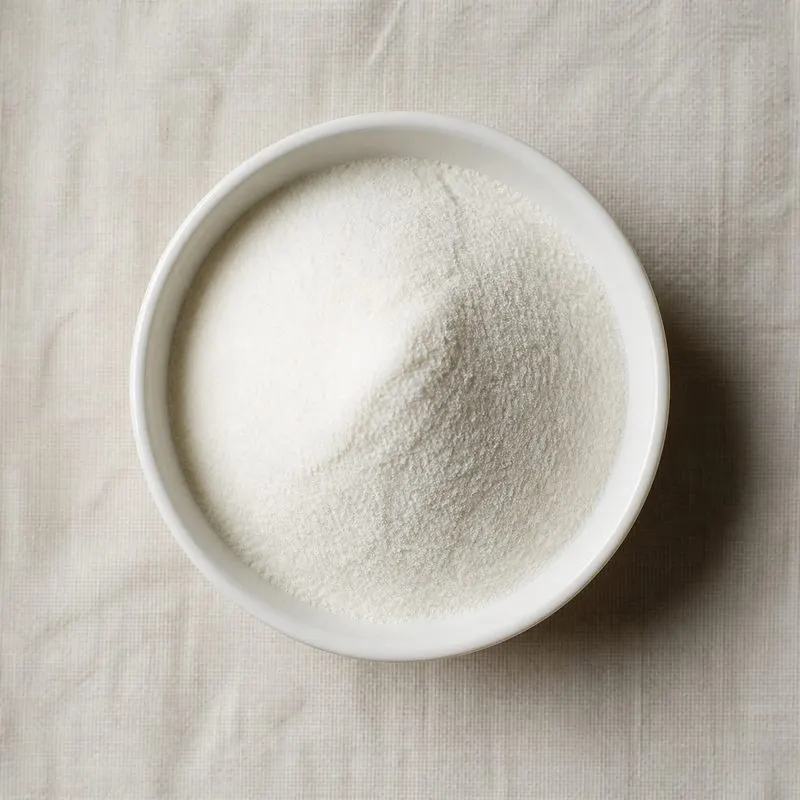
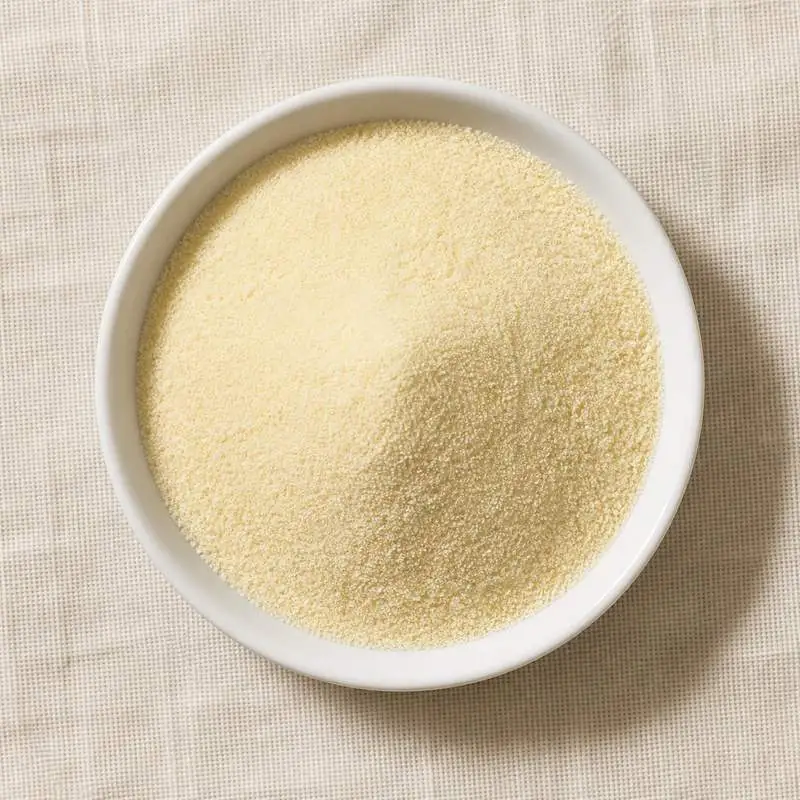
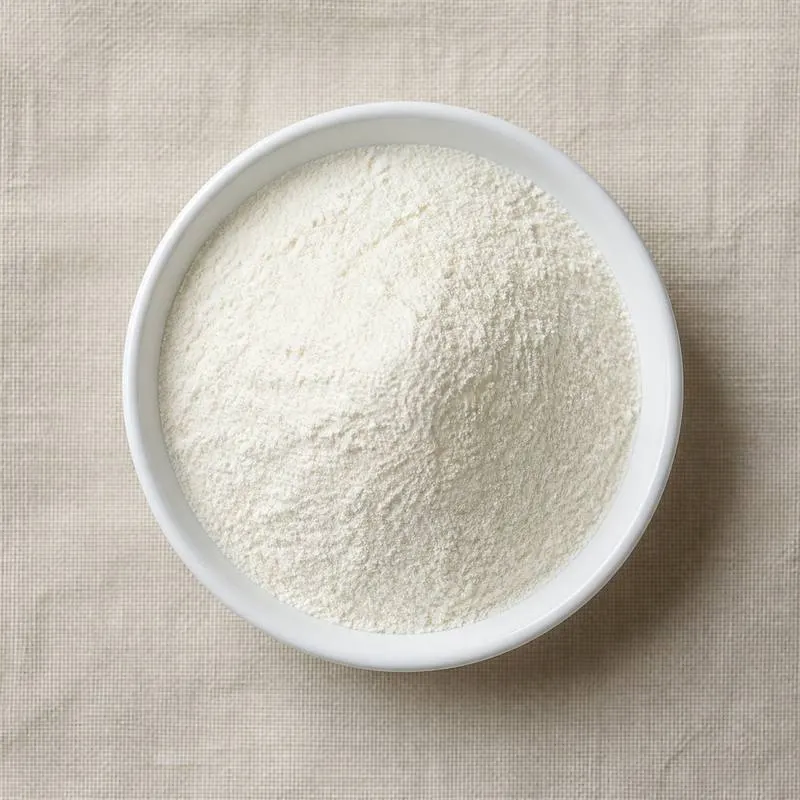
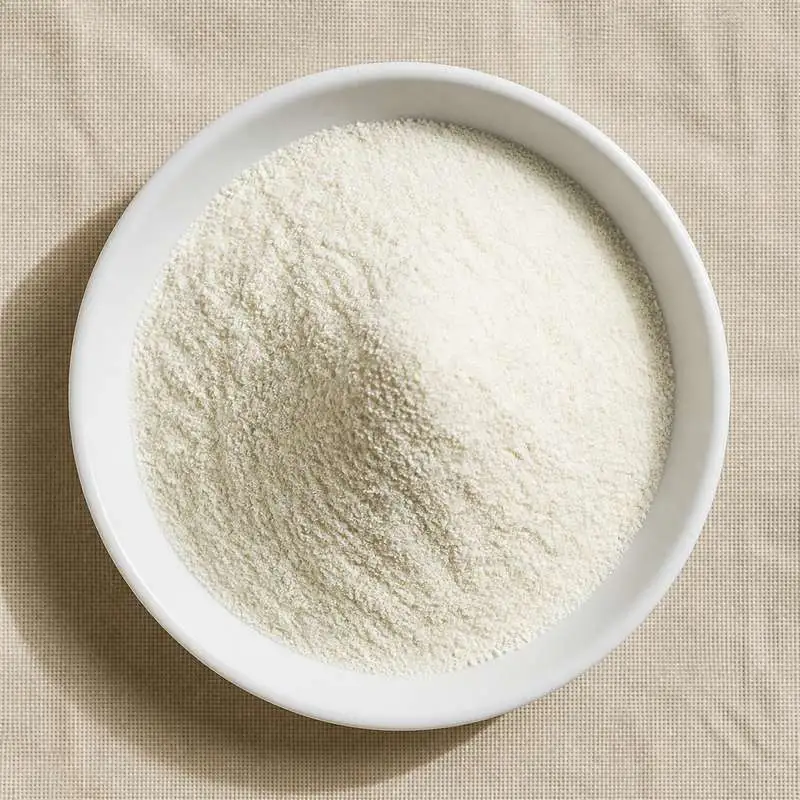
The powder is cream to light yellow, dissolves rapidly in cold and hot water to a clear or lightly hazy low viscosity solution, and holds through pasteurisation and retort without clouding. Flavour is mild and faintly beany, with bitterness rising in proportion to the depth of hydrolysis, which is why an exopeptidase debittering stage is a standard part of manufacture rather than an option. Soy remains a declarable allergen, since hydrolysis does not remove that status.
We source bulk Soy Protein Peptide from top China manufacturers for our partners. The manufacturers are in Shandong and Zhejiang. A smaller requirement can ship in a combined container with other ingredients.
Please send the grade you need, the volume and your destination port, and we will come back with a solution and a price.
or call +86-21-6858 0751
- Function
- Protein
Specifications
| Item | Specification |
|---|---|
| Appearance | Cream to light yellow fine powder |
| Odour and Taste | Mild beany note, slightly bitter, free from rancid or foreign odour |
| Protein (N x 6.25, dry basis) | Minimum 80.0% |
| Peptide Content (dry basis) | Minimum 60.0% |
| Molecular Weight below 3000 Da | Minimum 85.0% |
| Degree of Hydrolysis | 15 to 25% |
| Solubility (1% in water) | Minimum 95.0% |
| Loss on Drying | Maximum 7.0% |
| Ash | Maximum 8.0% |
| pH (1% solution) | 6.0 to 7.5 |
| Lead | Maximum 0.5 mg/kg |
| Arsenic | Maximum 0.5 mg/kg |
| Total Plate Count | Maximum 10,000 cfu/g |
| Escherichia coli and Salmonella | Absent in 25 g |
Common Markets Grades
Grades are described by molecular weight distribution and protein content. General food grade holds protein at 80 percent or more on a dry basis with most peptide mass below 3000 Daltons, suiting dry blends, bars and capsules, while oligopeptide grade is ultrafiltered so that the greater part falls below 1000 Daltons, dissolving faster and tasting cleaner in beverages. Degree of hydrolysis is quoted alongside, generally in the 15 to 25 percent range for a general grade.
Beyond that, buyers distinguish decolourised and deodorised material for consumer formats from unrefined lots destined for feed, culture media and savoury flavour work, and choose between standard and instantised granulations for stick pack dosing. Identity preserved non genetically modified and organic certified lots are sold against segregation and polymerase chain reaction documentation, which is a routine requirement in European and Japanese trade. Isoflavone content is declared by some suppliers, since alcohol washing and carbon treatment during processing reduce it substantially.
Applications
- Clear ready to drink protein beverages at low pH, where intact soy isolate would precipitate
- Sports and recovery formulas positioned on the rapid absorption of hydrolysed protein
- Clinical and enteral nutrition, where short peptides reduce the digestive load of whole protein
- Nutrition bars, where hydrolysed protein limits the hardening that intact isolate causes over shelf life
- Instant powders and meal replacements requiring complete cold water dissolution
- Elderly and convalescent nutrition formats built on absorption efficiency
- Savoury seasonings and reaction flavours, where the amino acid fraction builds roast and meat notes
- Fermentation and cell culture media, used as a plant derived nitrogen source in place of animal peptone
- Aquaculture and weaning feeds, acting as a digestible protein and a feed attractant
- Cosmetic and hair care formulations, where small plant peptides give film forming and conditioning effects
China Manufacturers of Soy Protein Peptide
Top Soy Protein Peptide manufacturers in China.
- Shandong Taifeng Biotechnology Co., Ltd.1 ingredient in the directory
- Zhejiang Guibo Biotechnology Co., Ltd.3 ingredients in the directory
Company names and logos are the property of the manufacturers themselves. They are listed here because our own directory records them as producing this ingredient. A listing is not an endorsement by them, and we do not represent them or speak on their behalf.
Regulatory Status
In the United States soy protein and its hydrolysates are conventional food ingredients used under good manufacturing practice, with supplement applications falling under the Dietary Supplement Health and Education Act. Soybeans are one of the major food allergens named in the Food Allergen Labelling and Consumer Protection Act, so soy must be declared, and hydrolysis does not change that obligation since peptides can retain allergenic epitopes. The Food and Drug Administration requires protein hydrolysates to be labelled by their source protein, so the ingredient statement reads hydrolysed soy protein. Bioengineered content is addressed through the National Bioengineered Food Disclosure Standard.
In the European Union hydrolysates of soy protein are food ingredients rather than novel foods, since the parent protein and the hydrolysis process both fall within established practice, and they carry no E number. Soybeans appear in Annex II of Regulation (EU) No 1169/2011 and must be emphasised in the ingredient list. Genetically modified soy triggers the labelling and traceability requirements of Regulation (EC) No 1829/2003 and Regulation (EC) No 1830/2003, which is why identity preserved documentation accompanies most European shipments. The proteases used are processing aids that must be permitted in the market of sale, and Codex covers the wider category through its standard for vegetable protein products.
Manufacturing Process
Manufacture starts from defatted soy white flakes or from finished soy protein isolate. Where the plant begins with flakes, they are dispersed in water at pH 8 to 9 so the globulins dissolve, the insoluble fibre is removed on decanter centrifuges, and the protein is precipitated at the isoelectric point near pH 4.5, then washed and neutralised to give a protein slurry.
That slurry is held at 50 to 60 degrees Celsius under controlled pH and digested with proteases in two stages. A bacterial endoprotease such as an alcalase type preparation cleaves within the chains to bring molecular weight down quickly, then an exopeptidase preparation removes the hydrophobic terminal residues that carry most of the bitterness, and the reaction is tracked as degree of hydrolysis. When the target is reached the reactor is heated to denature the enzymes. The digest is centrifuged to remove undigested protein and residual fibre, then ultrafiltered to set the upper molecular weight boundary, with nanofiltration added where an oligopeptide cut and desalting are required. Activated carbon or adsorbent resin treatment follows for colour and flavour, and also removes part of the residual isoflavone fraction. The purified liquor is concentrated under vacuum, pasteurised and spray dried, then sieved, checked for metal and packed, with a fluid bed agglomeration step added for instantised grades.