Thermally Processed Chicken
Thermally processed chicken flavouring is a savoury flavouring in the thermal process class, produced by heating a controlled mixture of poultry derived and other food ingredients so that the cooked chicken aroma forms during the heating step rather than being blended in afterwards.
The precursor mixture centres on enzymatically hydrolysed chicken meat or bone extract, rendered chicken fat, a reducing sugar and cysteine, with yeast extract and hydrolysed vegetable protein widening the amino acid pool. Heating produces two overlapping aroma families. Sulphur bearing amino acids and pentose sugars give the furanthiols and thiophenes that supply generic cooked meat character, while thermal and oxidative breakdown of the poultry fat supplies the unsaturated aldehydes, chiefly the decadienals and nonenals, that identify the profile as chicken.
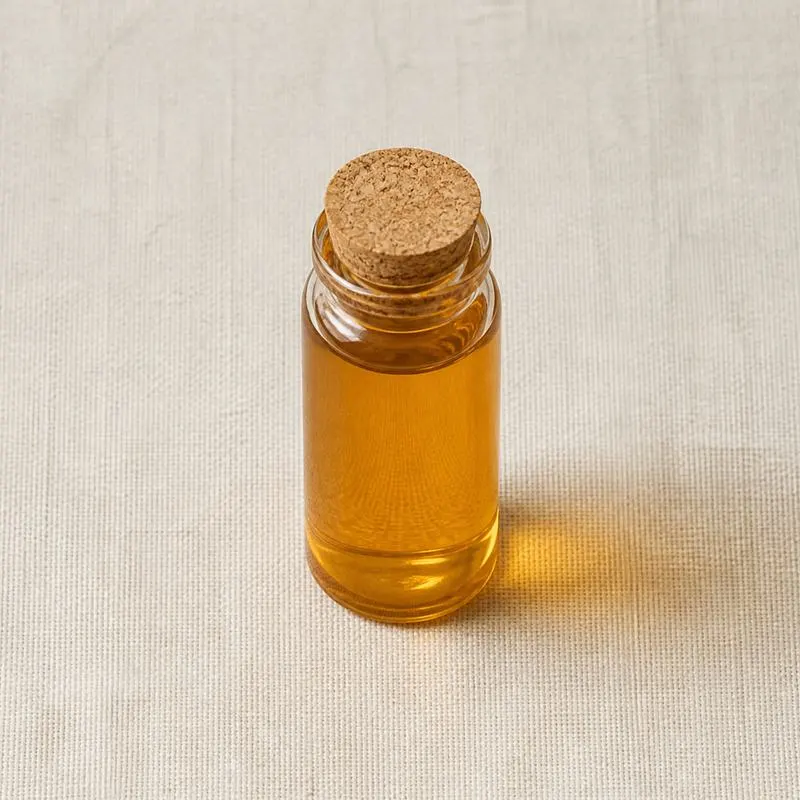
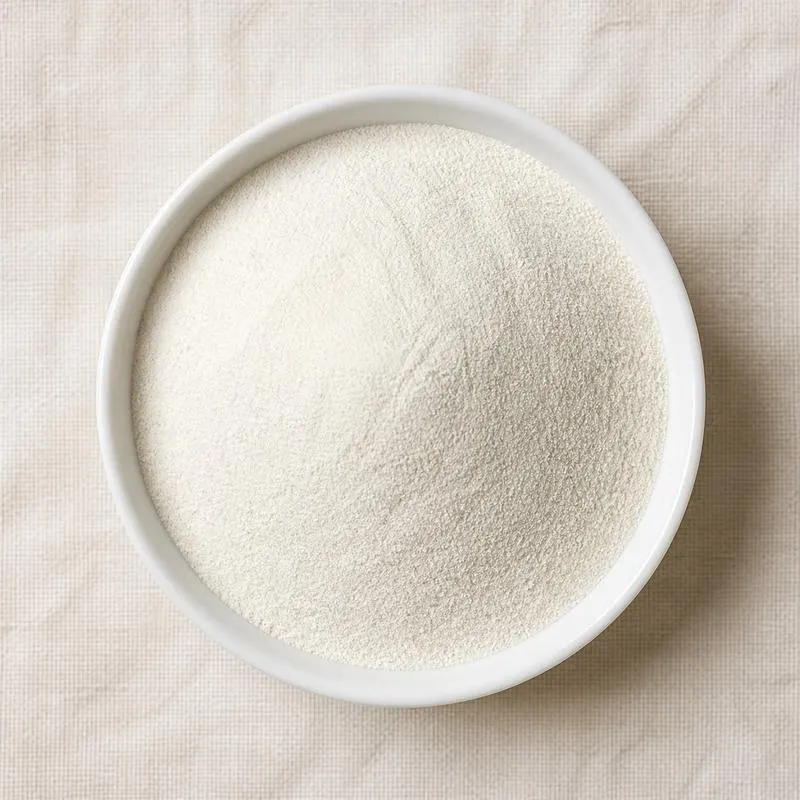
The flavouring is traded as a yellow to golden brown fat based paste, as an aqueous liquid, and as a spray dried powder on maltodextrin, modified starch or a salt plate. Pastes carry the highest flavour load and disperse into an oil phase, powders dissolve in hot water and suit dry blends. The aldehyde fraction that defines the character oxidises readily, so packs are filled tight, often under nitrogen, and stored cool.
We source bulk Thermally Processed Chicken from top China manufacturers for our partners. The manufacturer is in Sichuan. A smaller requirement can ship in a combined container with other ingredients.
Please send the grade you need, the volume and your destination port, and we will come back with a solution and a price.
or call +86-21-6858 0751
- Function
- Flavours and Aromas
Specifications
| Item | Specification |
|---|---|
| Appearance | Yellow to golden brown paste or free flowing powder according to grade |
| Odour and taste | Characteristic cooked chicken aroma, savoury, free of rancid note |
| Identification | Conforms to the reference aroma profile by gas chromatography and sensory panel |
| Loss on drying, powder grade | Not more than 5.0% |
| Total nitrogen | Not less than 1.8 g/100 g |
| Fat | 15.0 to 40.0% for the paste grade |
| Sodium chloride | 8.0 to 25.0% |
| Peroxide value of the fat phase | Not more than 5.0 meq/kg |
| pH of a 1 in 20 dilution | 5.0 to 6.5 |
| Lead | Not more than 1.0 mg/kg |
| Arsenic | Not more than 0.5 mg/kg |
| Total plate count | Not more than 10,000 cfu/g |
| Yeast and mould | Not more than 100 cfu/g |
| Salmonella | Absent in 25 g |
Common Markets Grades
The commercial range is organised by aroma profile and by carrier. Boiled or stewed chicken types come from a milder reaction and read as broth and poached meat, roasted and rotisserie types are reacted harder and carry more crust character, and fried chicken types are finished with additional oxidised fat notes and batter aromatics. A separate cooked chicken fat grade is sold as a modifier rather than a complete flavouring, used to lift the poultry identity of a base built on cheaper hydrolysates.
Carriers run from tallow free vegetable oil and chicken fat pastes through water based liquids to spray dried powders at ten to thirty percent flavour load, with encapsulated versions specified where the product faces extrusion or a long ambient shelf life. Halal certification is close to standard in this category because poultry fat carries no pork issue, and kosher versions are traded on the same basis. Vegetarian and vegan versions, in which the poultry precursors are replaced by plant protein hydrolysates and vegetable oil oxidised to mimic the aldehyde profile, are quoted for meat analogue use.
Applications
- Instant noodles and cup products, supplying both the powder sachet aroma and the chicken fat oil packet
- Bouillon cubes, stock granules, seasoning powders and dry soup mixes
- Injection brines and marinades for whole birds, portions and further processed poultry, where cooking and chilling strip natural aroma
- Battered and breaded chicken, dosed into the predust, the batter or the tumbling solution
- Retort soups, congee, canned sauces and shelf stable ready meals, since reaction aroma survives sterilisation
- Emulsified poultry products such as chicken sausage, nuggets and luncheon meat with low lean content
- Savoury snacks, crackers and coated nuts applied as a dry seasoning or in a slurry
- Plant based nuggets, strips and analogue broths, providing poultry identity to a neutral protein base
- Petfood palatants and kibble coatings, produced on the same reaction platform from poultry digest
China Manufacturers of Thermally Processed Chicken
Top Thermally Processed Chicken manufacturers in China.

Company names and logos are the property of the manufacturers themselves. They are listed here because our own directory records them as producing this ingredient. A listing is not an endorsement by them, and we do not represent them or speak on their behalf.
Regulatory Status
In the United States the material is a flavouring rather than a food additive, and it relies on the generally recognised as safe status of its constituents, the great majority of which appear on the flavour industry GRAS lists maintained by the Flavour and Extract Manufacturers Association. Declaration follows 21 CFR 101.22, with a version built only from food materials and natural flavouring substances labelled as natural flavour and a version carrying synthetic aroma chemicals labelled as artificial. The poultry derived fraction brings the product within the poultry inspection regime administered by the Food Safety and Inspection Service, so establishments and importing countries must be eligible, and hydrolysed protein is declared by its specific source name.
In the European Union Regulation (EC) No 1334/2008 defines and controls thermal process flavourings, restricts the starting materials that may be heated, caps the reaction temperature with a corresponding time limit, sets a pH ceiling and fixes maximum levels for certain substances formed during heating. Material made from listed starting materials inside those conditions needs no individual authorisation. Chicken meat and fat are products of animal origin, so the supplying establishment must be approved under the hygiene package and consignments enter through a border control post with the matching health certificate. Codex covers the class in its guidelines for the use of flavourings.
Manufacturing Process
Poultry raw material is prepared before the reaction. Chicken meat trimmings or bone residue are digested with proteases at controlled temperature and pH to liberate free amino acids and short peptides, and the enzyme is then heat inactivated. Chicken fat is rendered, refined and in most processes held under gentle aeration at moderate temperature to develop the aldehyde fraction, since an unoxidised fat contributes body but little poultry identity.
The hydrolysate, part of the prepared fat, a pentose or hexose sugar, cysteine hydrochloride, thiamine, yeast extract and salt are charged into a jacketed pressure reactor. The pH is set in the mildly acidic to neutral range and the batch is heated, typically between 100 and 130 degrees Celsius, for a holding time matched to the temperature so that the reaction stays inside the limits set for thermal process flavourings. The mass is crash cooled to stop browning, then finished by blending in the remaining fat, spice extracts and any isolated aroma chemicals, and standardised against a reference by sensory panel and gas chromatography. Paste and liquid grades are homogenised, filled and cooled, while powder grades are emulsified with a carrier, spray dried, sieved and packed.