Tiger Nut Peptide
Tiger nut peptide is an enzymatic hydrolysate of the protein in the tuber of Cyperus esculentus, the sedge known as tiger nut or chufa. Because the tuber itself is starch and oil rich and holds only a modest amount of protein, the practical raw material is the defatted press cake left after tiger nut oil extraction, in which the protein has been concentrated several fold.
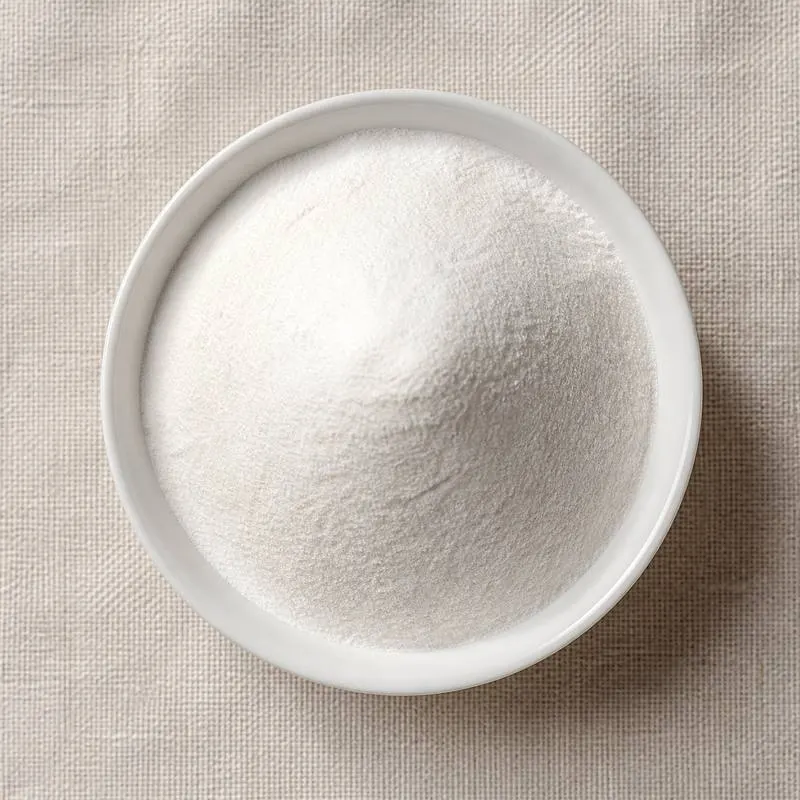
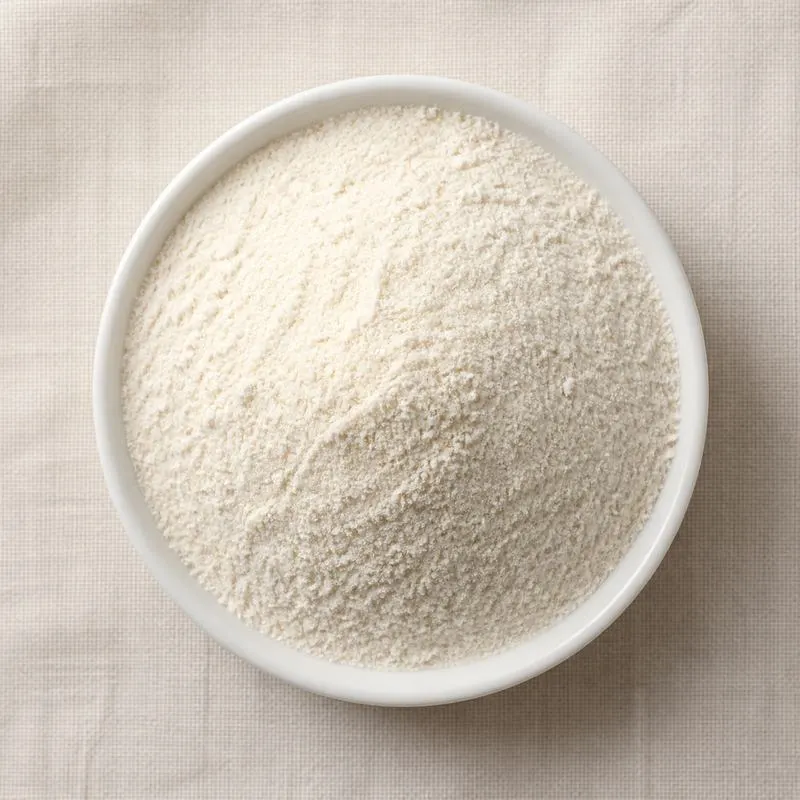
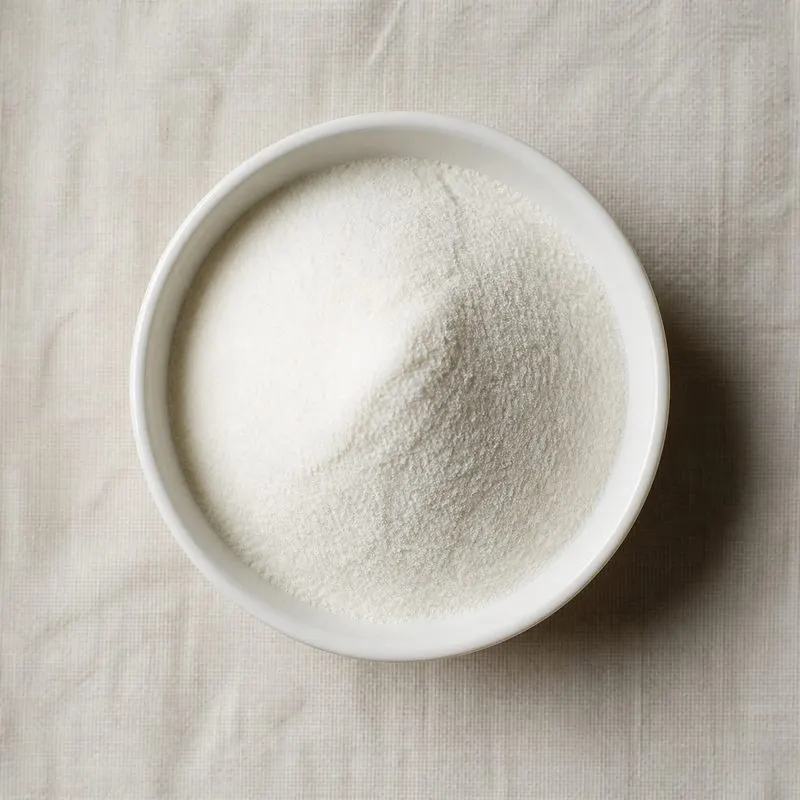
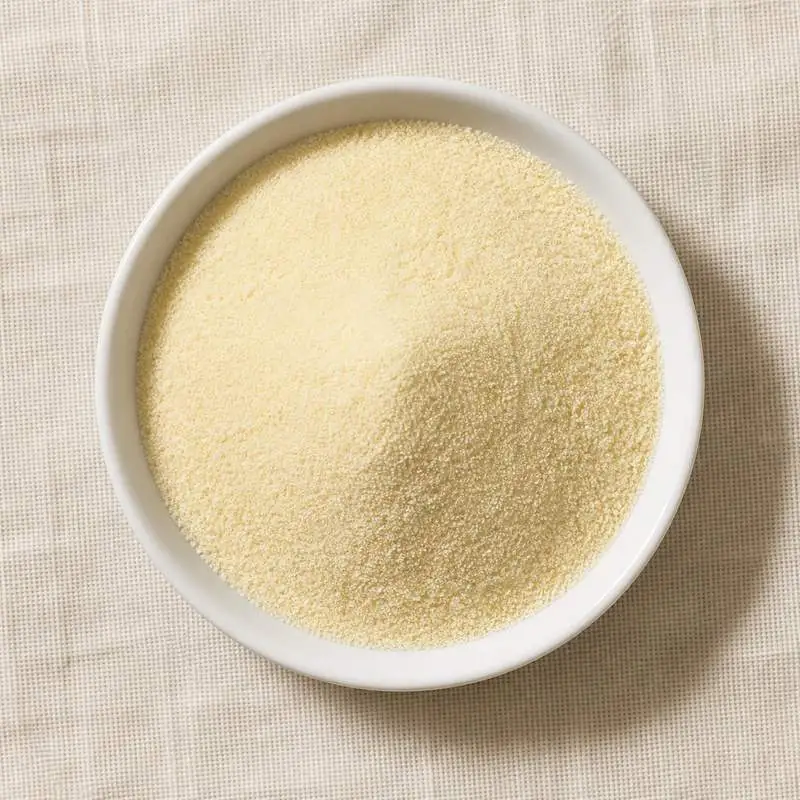
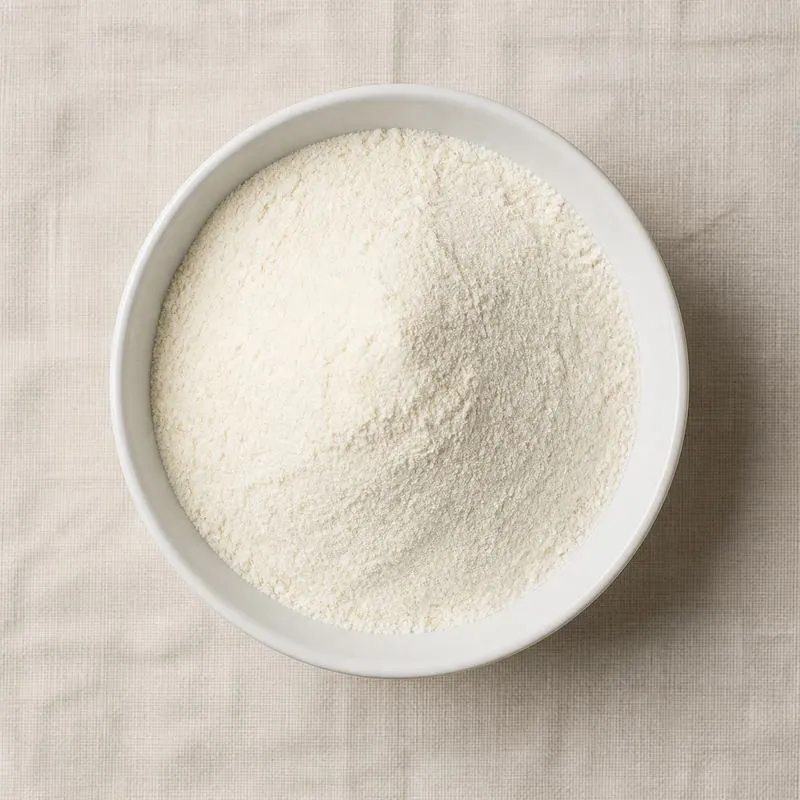
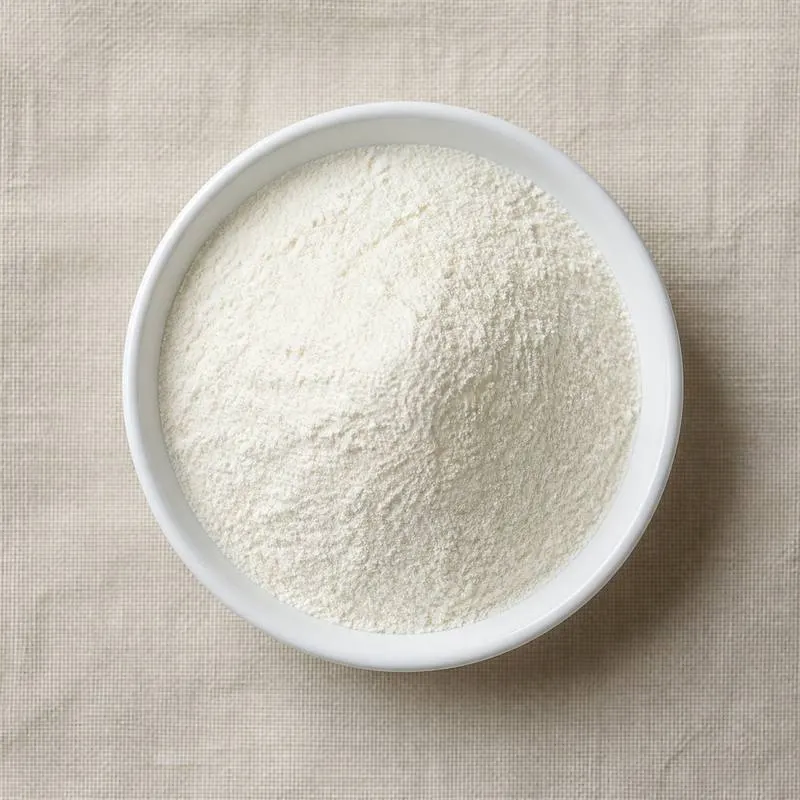
Protease treatment cuts the tuber storage protein into short peptides, most of them below 1000 daltons, together with a fraction of free amino acids. The profile is comparatively high in arginine, glutamic acid and leucine. The finished material is a pale cream to light beige powder with a faint sweet, nutty note carried over from the tuber.
Hydrolysis removes the poor solubility of the intact tuber protein. The peptide powder dissolves in cold water at high concentration, gives a clear to faintly hazy solution of low viscosity, and does not precipitate at the isoelectric point in the way the parent protein does. It withstands pasteurisation and retort heating without hazing, and it holds up across the acid pH range met in fruit flavoured drinks, which is the property that decides where it is used.
We source bulk Tiger Nut Peptide from top China manufacturers for our partners. The manufacturer is in Zhejiang. A smaller requirement can ship in a combined container with other ingredients.
Please send the grade you need, the volume and your destination port, and we will come back with a solution and a price.
or call +86-21-6858 0751
- Function
- Protein
Specifications
| Item | Specification |
|---|---|
| Appearance | Pale cream to light beige fine powder |
| Odour and Taste | Faint sweet nutty note, slightly bitter |
| Protein (dry basis) | ≥ 80.0% |
| Peptide Fraction below 1000 Da | ≥ 80.0% |
| Identification | Conforms by amino acid profile and molecular weight distribution |
| Loss on Drying | ≤ 7.0% |
| Ash | ≤ 6.0% |
| Fat | ≤ 1.0% |
| pH (1% solution) | 5.5 to 7.5 |
| Particle Size | 100% through 80 mesh |
| Heavy Metals (as Pb) | ≤ 10 mg/kg |
| Lead | ≤ 0.5 mg/kg |
| Arsenic | ≤ 0.5 mg/kg |
| Aflatoxin B1 | ≤ 2 µg/kg |
| Total Plate Count | ≤ 10,000 cfu/g |
| Yeast and Mould | ≤ 100 cfu/g |
| Escherichia coli | Negative in 1 g |
| Salmonella | Negative in 25 g |
Common Markets Grades
The material is traded as a single food grade, differentiated by assay and by molecular weight cut-off. Protein content is normally specified at 80 percent minimum on a dry basis for a general grade and 90 percent for a refined grade, with the fraction below 1000 daltons stated separately, commonly at 80 percent minimum.
Beyond assay, buyers choose between a standard spray dried powder sieved to 80 mesh and a decolourised grade that has been carbon treated for use in clear beverages, where the light tan of the standard product would be visible. Organic certified material is available where the tuber crop is certified, since tiger nut is largely grown as a smallholder crop.
Applications
- Plant based protein drinks and shots, where solubility at acid pH allows a high protein load in a clear beverage
- Tiger nut milk and horchata style beverages, added back to raise the protein declaration of a naturally low protein drink
- Nutrition and meal replacement powders positioned as nut free and dairy free
- Capsules and tablets in the supplement trade, sold on the amino acid profile
- Nutrition bars and baked snacks, where the low molecular weight fraction does not harden the matrix over shelf life
- Instant sachets and effervescent drinks, dissolving without residue
- Infant and toddler snack formulations in markets where tiger nut is a traditional food
- Cosmetic leave-on products, where the low molecular weight peptide fraction acts as a humectant and film former
China Manufacturers of Tiger Nut Peptide
Top Tiger Nut Peptide manufacturers in China.
Company names and logos are the property of the manufacturers themselves. They are listed here because our own directory records them as producing this ingredient. A listing is not an endorsement by them, and we do not represent them or speak on their behalf.
Regulatory Status
In the United States, tiger nut is an edible tuber with a history of food use, and a hydrolysate prepared from it with food grade enzymes is treated as a food ingredient rather than an additive. The status rests on the GRAS position held for the specific preparation, and the enzymes used in hydrolysis must themselves be cleared for use in food processing. Tiger nut is a tuber rather than a tree nut, so despite the common name it is not a major food allergen under the federal allergen labelling law, although labelling practice often flags it to avoid consumer confusion.
In the European Union, tiger nut tubers were consumed to a significant degree before May 1997, principally as horchata de chufa in Spain, so the tuber is not a novel food. A hydrolysed peptide preparation may nonetheless require assessment under the novel food regulation depending on the degree of processing and the intended conditions of use, and this should be established for the specific product before placing it on the market. Enzymes used in the process fall under the EU food enzyme framework. No E number applies, since the material is a nutritional ingredient rather than an additive, and JECFA has issued no specification monograph for it.
Manufacturing Process
Dried tiger nut tubers are cleaned, destoned and milled, and the oil is removed by screw pressing followed by solvent extraction or by cold pressing alone where an organic claim is being carried. The defatted cake is desolventised under controlled heat and milled, which gives a protein enriched flour. Starch is separated by wet milling and centrifugation, since tiger nut cake is still starch heavy and the starch would otherwise gelatinise during hydrolysis and make the mass unworkable.
The protein enriched fraction is slurried in water, adjusted to the pH and temperature optimum of a food grade endoprotease, and hydrolysed for several hours under continuous pH control, often followed by an exopeptidase stage that trims bitter peptides and raises free amino acid content. The enzymes are inactivated by heating, insoluble residue is removed by centrifugation and microfiltration, and the clarified liquor passes through ultrafiltration to set the molecular weight cut-off. Where a pale powder is wanted, activated carbon strips colour and residual flavour. The permeate is concentrated under vacuum, sterilised and spray dried, and the powder is sieved and packed.