Tissue Cultured Ginseng Adventitious Root
Tissue cultured ginseng adventitious root is ginseng root biomass produced in a bioreactor rather than in soil. Adventitious roots are induced from a callus culture of Panax ginseng and then grown in suspension in a liquid nutrient medium, giving a root mass that is harvested in weeks rather than the four to six years a field crop requires. The trade sells the material as dried root powder or as an extract made from it.
Its constituents are the same class as those of cultivated root: the dammarane type triterpene saponins Rb1, Rb2, Rc, Rd, Re and Rg1, together with polysaccharides and polyacetylenes. The saponin profile differs in proportion from field root, since adventitious root tends to run richer in the protopanaxatriol saponins and carries no rhizome derived material, and the certificate reports the individual ginsenosides rather than only a total.
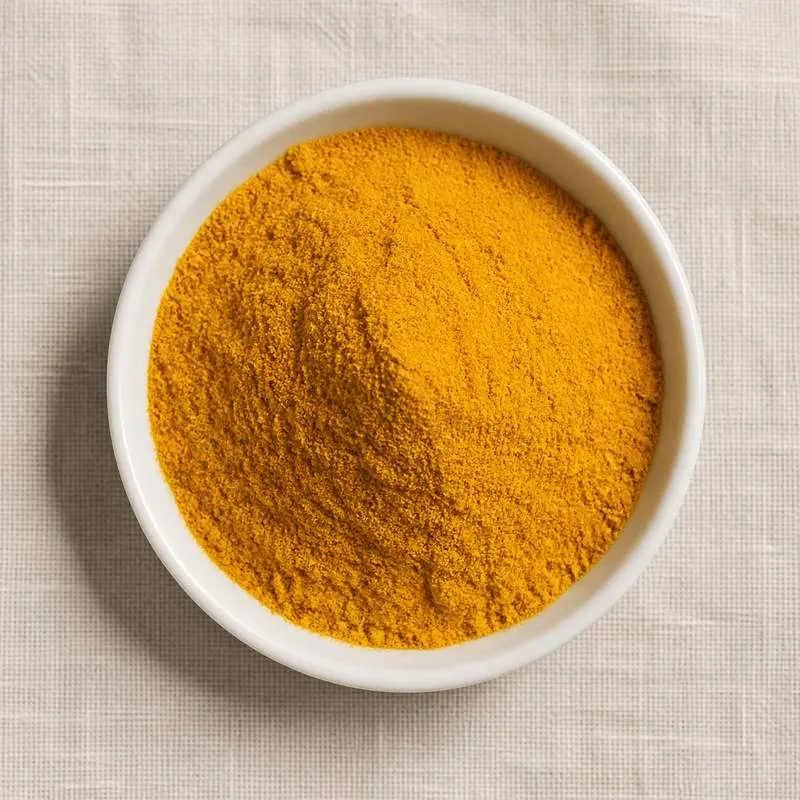
The commercial article is a light brown to brown fine powder, hygroscopic, dissolving in warm water to a bitter faintly sweet solution with a mild earthy aroma. The saponins are stable to normal food processing but convert to less polar forms under prolonged heat and acid, which shifts the profile of a finished product. The powder cakes on exposure to humidity and is packed under a moisture barrier.
We source bulk Tissue Cultured Ginseng Adventitious Root from top China manufacturers for our partners. The manufacturer is in Shanghai. A smaller requirement can ship in a combined container with other ingredients.
Please send the grade you need, the volume and your destination port, and we will come back with a solution and a price.
or call +86-21-6858 0751
- Function
- Plant extract
Specifications
| Item | Specification |
|---|---|
| Appearance | Light brown to brown fine powder |
| Odour and Taste | Mild earthy aroma, bitter with sweet finish |
| Total Ginsenosides (HPLC) | ≥ 10.0% |
| Ginsenoside Rg1 plus Rb1 | ≥ 3.0% |
| Identification | Conforms by HPLC fingerprint against reference culture |
| Loss on Drying | ≤ 6.0% |
| Total Ash | ≤ 8.0% |
| Residual Plant Growth Regulator | Not detected |
| Particle Size | 100% through 80 mesh |
| Residual Ethanol | ≤ 0.5% |
| Lead | ≤ 1.0 mg/kg |
| Arsenic | ≤ 0.5 mg/kg |
| Cadmium | ≤ 0.5 mg/kg |
| Total Plate Count | ≤ 5,000 cfu/g |
| Yeast and Mould | ≤ 100 cfu/g |
| E. coli | Negative |
| Salmonella | Absent in 25 g |
Common Markets Grades
The first distinction is between dried whole adventitious root powder, which is milled biomass and not an extract, and the extract made by processing that biomass. Extracts are standardised on total ginsenosides by HPLC, commonly at 3, 5, 10 or 20 percent, with the specification naming the method because ultraviolet assay returns higher figures than HPLC on the same batch. Grades quoted on individual saponins, particularly Rg1 and Rb1, are traded where a defined profile is required.
Because the production system is closed and the medium is defined, the specification carries points that a field root specification does not: absence of the plant growth regulators used to induce and maintain the culture, residual medium components, and the identity of the source cell line. In return, pesticide residues and soil borne heavy metals are typically far lower than in field grown root, and that is the main commercial argument for the material. Physical forms cover spray dried powder at 80 mesh, granulated material for capsule filling, and liquid concentrate for beverage manufacture.
Applications
- Dietary supplements in capsule and tablet form standardised on total ginsenoside content
- Energy and tonic drinks, where the extract is dosed as the functional botanical
- Instant granule stick packs and herbal teas in Korean and Chinese markets
- Functional beverages positioned on alertness and stamina
- Sports nutrition and pre-workout formulations combined with caffeine and B vitamins
- Skin care and anti-ageing cosmetics, where ginsenosides and root polysaccharides are used as conditioning agents
- Hair tonics and scalp preparations in the Asian personal care market
- Clean label and low residue formulations, where the closed production system is the reason for choosing this material over field root
- Confectionery and jellies in the functional botanical category
China Manufacturers of Tissue Cultured Ginseng Adventitious Root
Top Tissue Cultured Ginseng Adventitious Root manufacturers in China.
Company names and logos are the property of the manufacturers themselves. They are listed here because our own directory records them as producing this ingredient. A listing is not an endorsement by them, and we do not represent them or speak on their behalf.
Regulatory Status
In the United States ginseng is a dietary ingredient with a long history of use, but tissue cultured adventitious root is a different article from field grown root and its regulatory treatment reflects that. A preparation made by a production method not previously marketed may require a new dietary ingredient notification to the Food and Drug Administration, and food use would rest on a GRAS conclusion for the specific preparation rather than on the general standing of ginseng. Ginseng itself appears in the listing of natural substances used in conjunction with flavourings at 21 CFR 172.510, which permits use in alcoholic beverages.
In the European Union the material carries no E number because it is not an additive. Field grown Panax ginseng root has a history of consumption before May 1997 and is not a novel food, but root produced by cell or tissue culture is explicitly within the scope of Regulation 2015/2283, which lists food consisting of or produced from cell culture or tissue culture derived from plants as a novel food category. Marketing therefore depends on an authorisation covering the specific preparation and conditions of use rather than on the status of conventional ginseng. Regulation 1223/2009 governs cosmetic use. Codex has no standard for ginseng or for plant cell culture derived ingredients.
Manufacturing Process
A sterile explant is taken from a selected ginseng root and induced to form callus on a solid medium containing auxin. Adventitious roots are then induced from that callus and transferred into liquid culture. Production runs in airlift or balloon type bubble bioreactors of several hundred to several thousand litres, filled with a defined mineral salt medium supplemented with sucrose and a low level of auxin, aerated with sterile air and held at controlled temperature in darkness. The root mass multiplies over four to six weeks, with medium exchanged or fed during the run.
At harvest the root biomass is separated from the spent medium on a screen or basket centrifuge, washed thoroughly with purified water to remove residual medium and growth regulator, and dewatered. It is then dried in a vacuum or hot air drier at moderate temperature and milled. For extract production the dried root is extracted counter currently with hot water or aqueous ethanol at 60 to 80 degrees Celsius, the liquor clarified by centrifugation and filtration, and where a high saponin grade is required, passed over a macroporous adsorption resin that binds the ginsenosides while sugars and salts pass to waste. Solvent is recovered by vacuum distillation, the extract concentrated in a falling film evaporator, standardised, spray dried and assayed by HPLC.