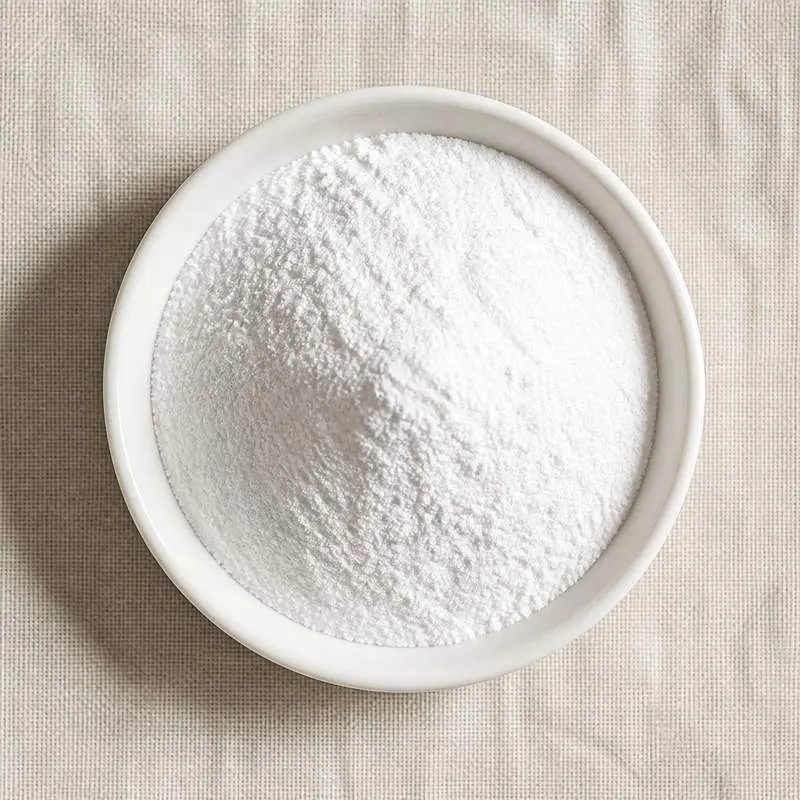
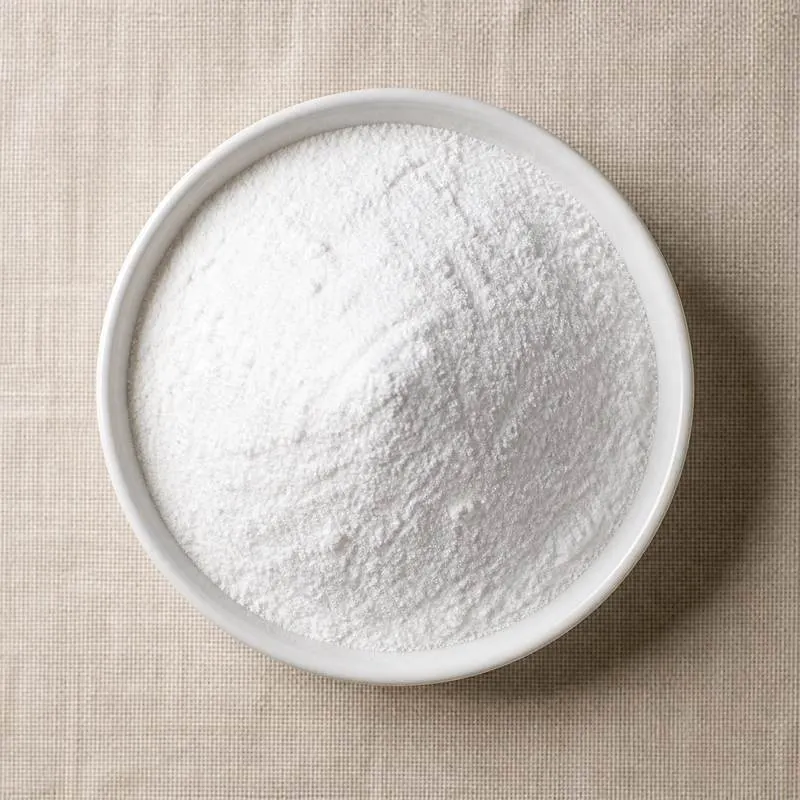
Trisodium Pyrophosphate Monohydrated
Trisodium Pyrophosphate Monohydrated is the partially neutralised sodium salt of pyrophosphoric acid carrying three sodium counter-ions and one acidic hydrogen, with the formula Na3HP2O7·H2O.
The salt sits chemically between sodium acid pyrophosphate (SAPP, two sodium) and tetrasodium pyrophosphate (TSPP, four sodium). It dissolves in water to give a moderately alkaline solution near pH 7.5 at one percent concentration, and is produced specifically where a neutral-pH pyrophosphate is required.
We source bulk Trisodium Pyrophosphate Monohydrated from top China manufacturers for our partners. The manufacturers are in Hubei and Yunnan. A smaller requirement can ship in a combined container with other ingredients.
Please send the grade you need, the volume and your destination port, and we will come back with a solution and a price.
or call +86-21-6858 0751
- Packaging
- 25 kg kraft paper bag with PE inner liner
- ISO 9001
- HACCP
- Halal
- Kosher
Specifications
Grades / Types Available: Food Grade, Feed Grade
| Item | Specification |
|---|---|
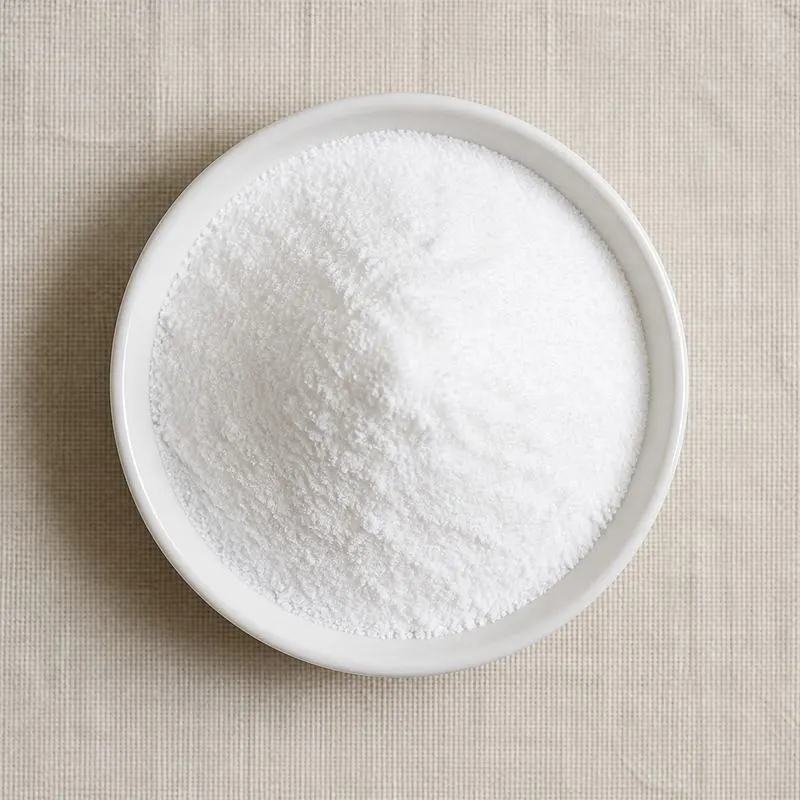
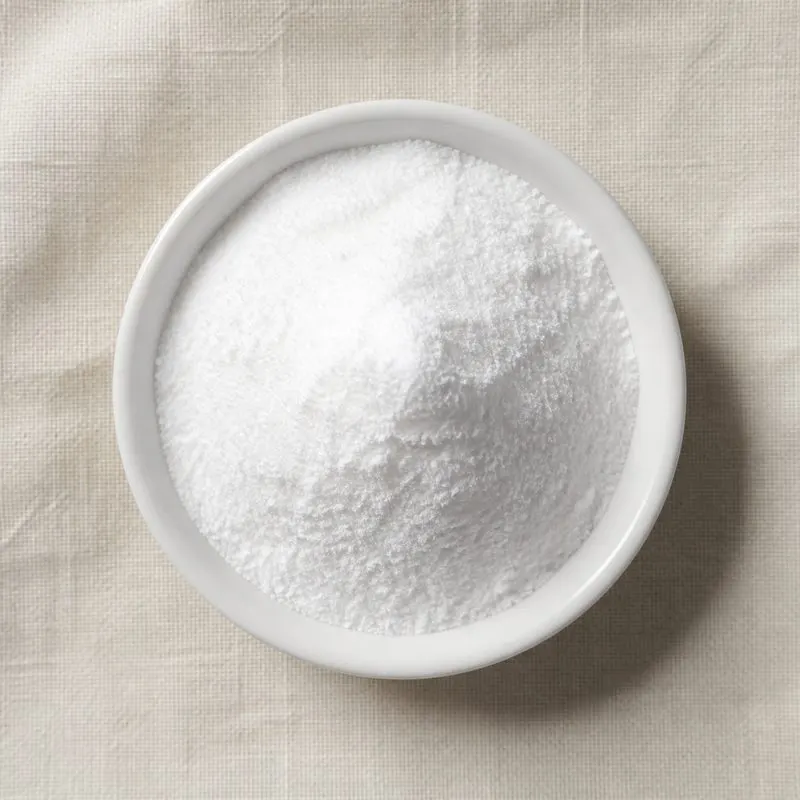
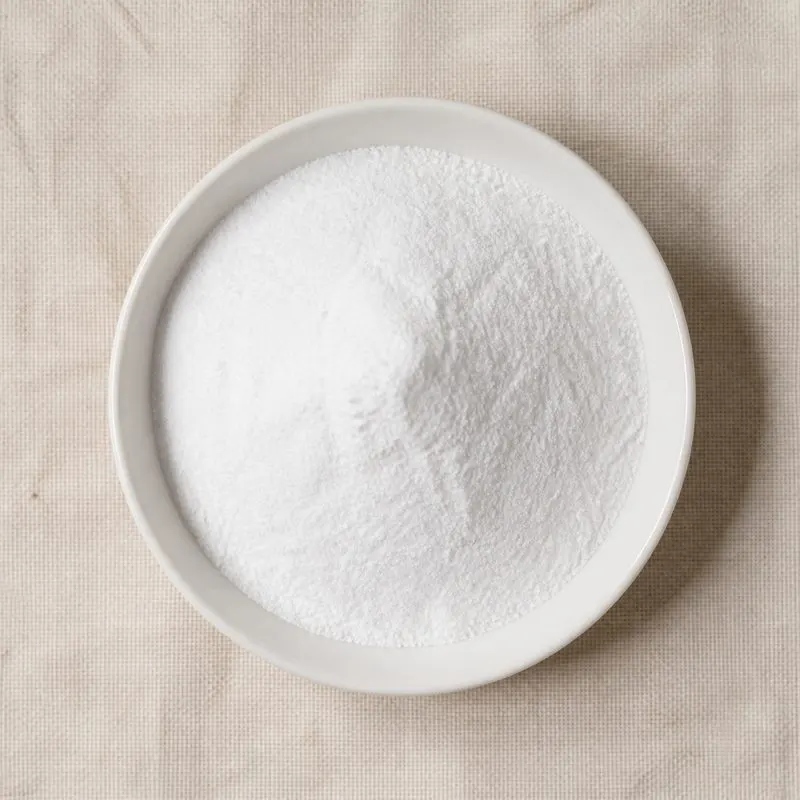
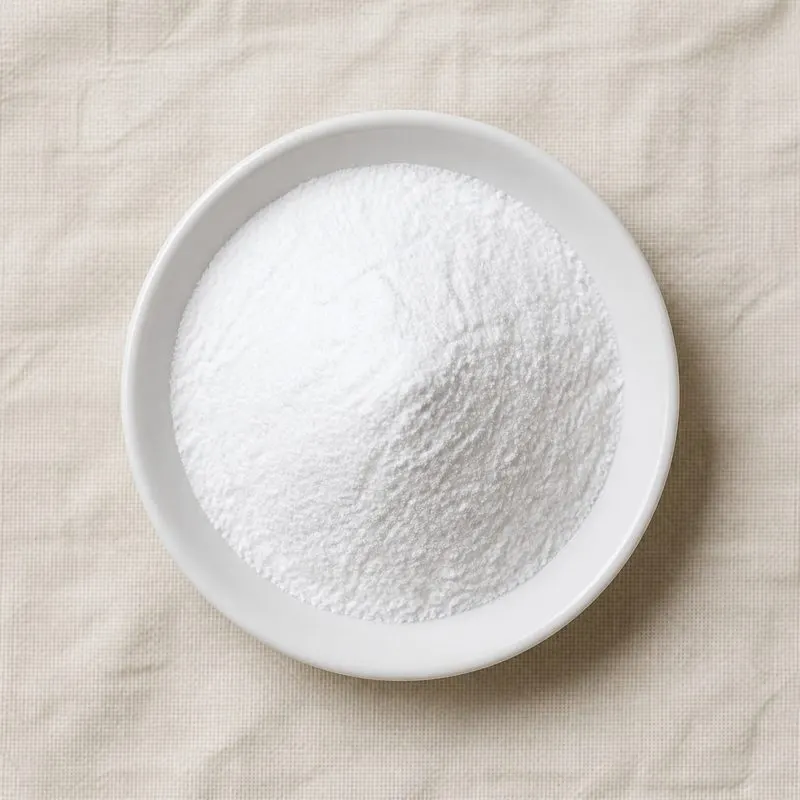
| Appearance | White powder or granules |
| Assay (as Na₃HP₂O₇) | ≥ 95.0% |
| P₂O₅ Content | 50-54% |
| pH (1% solution) | 6.7-7.5 |
| Loss on Ignition | ≤ 12.0% |
| Water Insolubles | ≤ 0.1% |
| Heavy Metals (as Pb) | ≤ 10 mg/kg |
| Arsenic | ≤ 3 mg/kg |
| Fluoride | ≤ 10 mg/kg |
| Purity (Food Grade) | min 90% |
| Moisture/Loss on Drying | max 5% |
| Particle Size/Mesh | min 90% pass through sieve mesh 320 |
Common Markets Grades
The grade range for trisodium pyrophosphate monohydrated is narrow, because its commercial volume is the smallest of the sodium pyrophosphates.
Standard food-grade material conforms to FCC and E 450(ii) purity specifications. The assay minimum is 95 percent Na3HP2O7·H2O on an as-is basis.
Industrial grades have wider limits on heavy metals, iron, and water-insoluble matter and are used in cleaning and surface-treatment applications.
The salt is produced only as the monohydrate. The anhydrous form is unstable in air and rapidly absorbs the molecule of water that defines the standard commercial format.
Particle size distributions range from fine powder for dry blend applications to coarse crystal for bulk handling.
Applications
- Specialty meat and poultry brines where a moderate rise in pH is preferred over the steep alkaline jump of TSPP
- Processed cheese and cheese-product blends as a balancing emulsifying salt
- Cured-meat colour-development systems paired with SAPP
- Dental products: toothpaste formulations as a moderate-alkalinity pyrophosphate
- Industrial alkaline cleaners that require a buffered, less corrosive profile than TSPP
- Metal-treatment pickling and rinsing baths
- Drilling-mud conditioners
- Paper-industry pulp dispersants
- Pet food specialty formulations for pH balance
- Pharmaceutical buffering applications
China Manufacturers of Trisodium Pyrophosphate Monohydrated
Top Trisodium Pyrophosphate Monohydrated manufacturers in China.
 Wuhan Waking Lion Chemicals Co., Ltd.13 ingredients in the directory
- Yunnan Addiphos Technology Co., Ltd.7 ingredients in the directory
Company names and logos are the property of the manufacturers themselves. They are listed here because our own directory records them as producing this ingredient. A listing is not an endorsement by them, and we do not represent them or speak on their behalf.
How We Help Source Trisodium Pyrophosphate Monohydrated
Direct Factory Sourcing
We run the whole process: selecting the manufacturer from the top Chinese food ingredient producers, negotiating the price, verifying quality, and coordinating the logistics. You deal with us instead of with several factories at once.
Original Packaging and Documents from the Manufacturer
The manufacturer sends your Trisodium Pyrophosphate Monohydrated out of its own factory in the original packing, through to your destination port. The COA, COO, MSDS, TDS and any certifications reach you from the manufacturer as well.
Free Samples and Lead Time
We send 100 to 500 g free for your own laboratory to test and you cover only the courier, usually within 2 to 3 working days. ETD is usually within 7 to 15 days once the order is confirmed, and we check that date against the factory's own manufacturing schedule before we give it to you.
Combined Shipment
We can load Trisodium Pyrophosphate Monohydrated together with other ingredients such as Sodium Tripolyphosphate, Sodium Hexametaphosphate and TetraSodium Pyrophosphate into one 20' FCL. If your quantity is small, we can also ship LCL.
Regulatory Status
Trisodium pyrophosphate monohydrated is approved as a food additive in major regulated markets.
The European Union lists it as E 450(ii) within the diphosphate sub-family of phosphate additives. The U.S. FDA recognises it under 21 CFR 182.1810 and the general phosphate sequestrant entries.
JECFA evaluates the substance within its group assessment of phosphate additives.
FCC monographs cover identity, assay, and impurity limits. Halal and Kosher certifications exist, with fewer suppliers than for the other sodium pyrophosphates because of the lower commercial volume.
The substance has no allergen concern and is used in some clean-label meat and dairy systems where the strong alkalinity of TSPP would shift product flavour or appearance.
Manufacturing Process
Trisodium pyrophosphate monohydrated is produced by crystallisation from solution rather than by direct calcination.
A controlled mixture of disodium and trisodium orthophosphate, blended to the target 3:1 sodium to acid hydrogen ratio, is calcined in a continuous furnace at 400 to 480 degrees Celsius. The mixed condensation product contains primarily Na3HP2O7 with minor amounts of TSPP and SAPP impurities.
The calcined intermediate is dissolved in water and the trisodium pyrophosphate fraction is crystallised selectively at controlled temperature. The crystal water binds during this step, producing the monohydrate.
The crystals are separated by centrifuge, washed with cold mother liquor to remove residual TSPP and SAPP, dried gently at temperatures below 100 degrees Celsius to preserve the hydrate, and packaged.
The selective crystallisation route is the only practical way to deliver the trisodium grade at commercial purity, because direct calcination of a mixed feedstock always produces a phase distribution rather than a single salt.