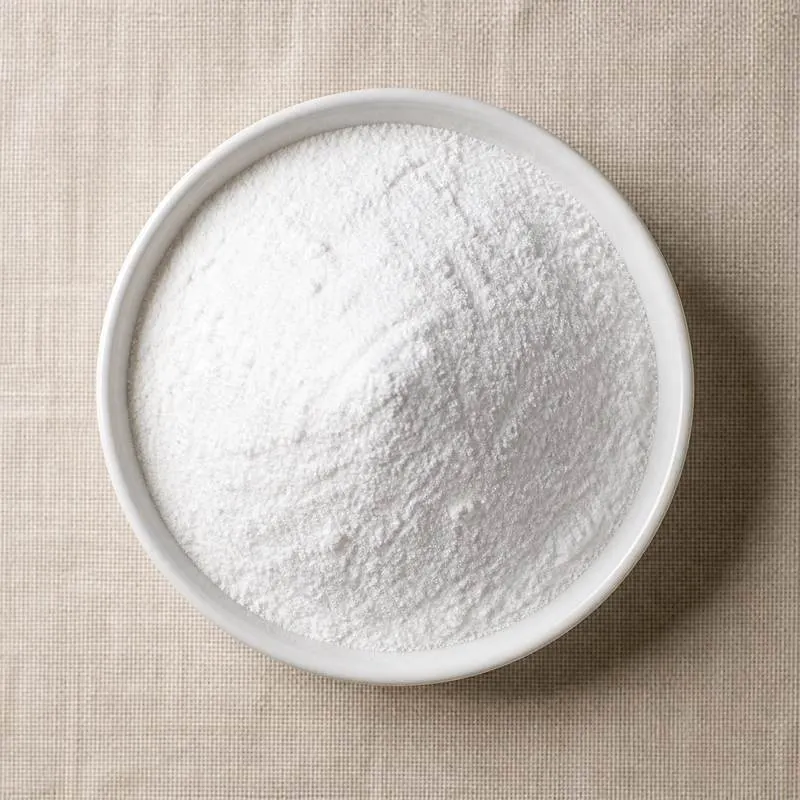
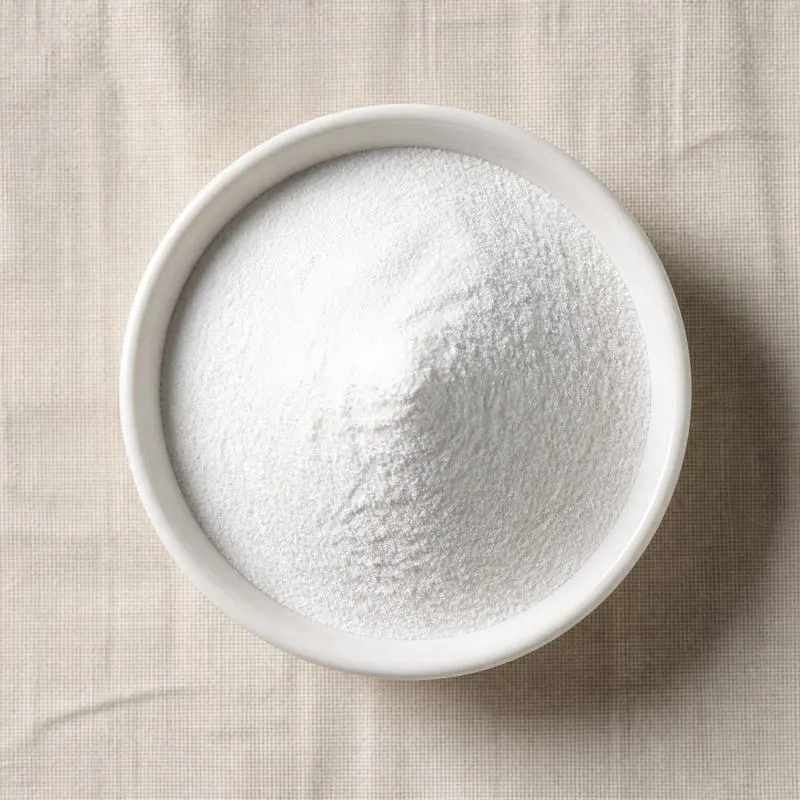
Tetrapotassium Pyrophosphate
Tetrapotassium Pyrophosphate (TKPP) is the potassium analogue of tetrasodium pyrophosphate, with the formula K4P2O7. It is the fully neutralised potassium salt of pyrophosphoric acid, built from two phosphate tetrahedra sharing one bridging oxygen.
The salt dissolves rapidly in water to give a strongly alkaline solution near pH 10.2 at one percent concentration. Compared with the sodium analogue, TKPP is far more soluble, less prone to caking, and delivers potassium rather than sodium to the finished product.
We source bulk Tetrapotassium Pyrophosphate from top China manufacturers for our partners, working with several of them. The manufacturers are in Jiangsu and Sichuan. For this ingredient the minimum order is 500 kg and a 20-foot container takes 22 MT, and a smaller requirement can ship in a combined container with other ingredients.
Please send the grade you need, the volume and your destination port, and we will come back with a solution and a price.
or call +86-21-6858 0751
- Minimum order
- 500 kg
- Qty in 20' FCL
- 22 MT
- Packaging
- 25 kg kraft paper bag with PE inner liner
- ISO 9001
- HACCP
- Halal
- Kosher
Specifications
| Item | Specification |
|---|---|
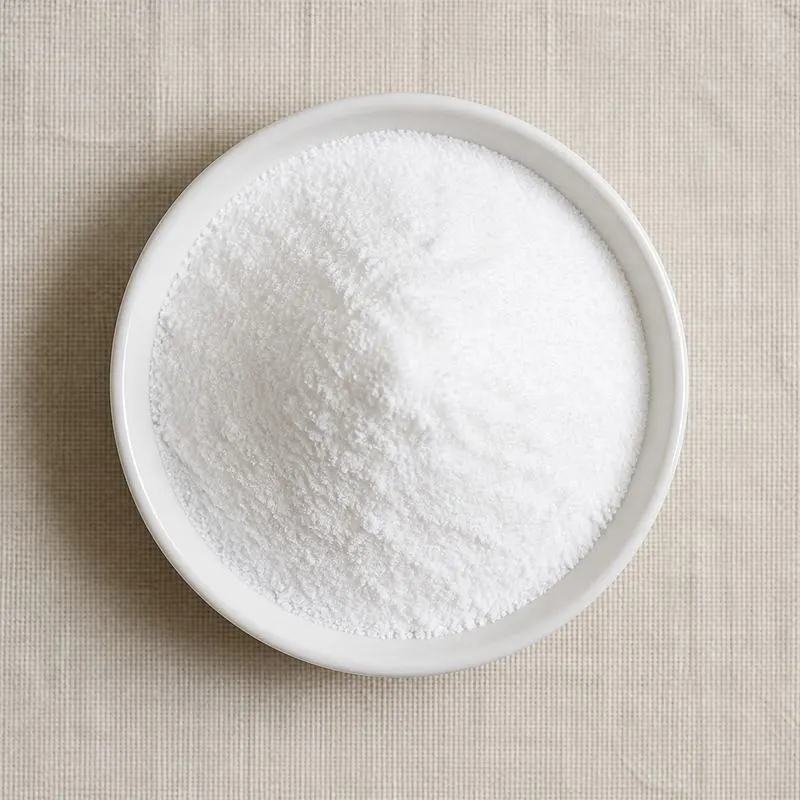
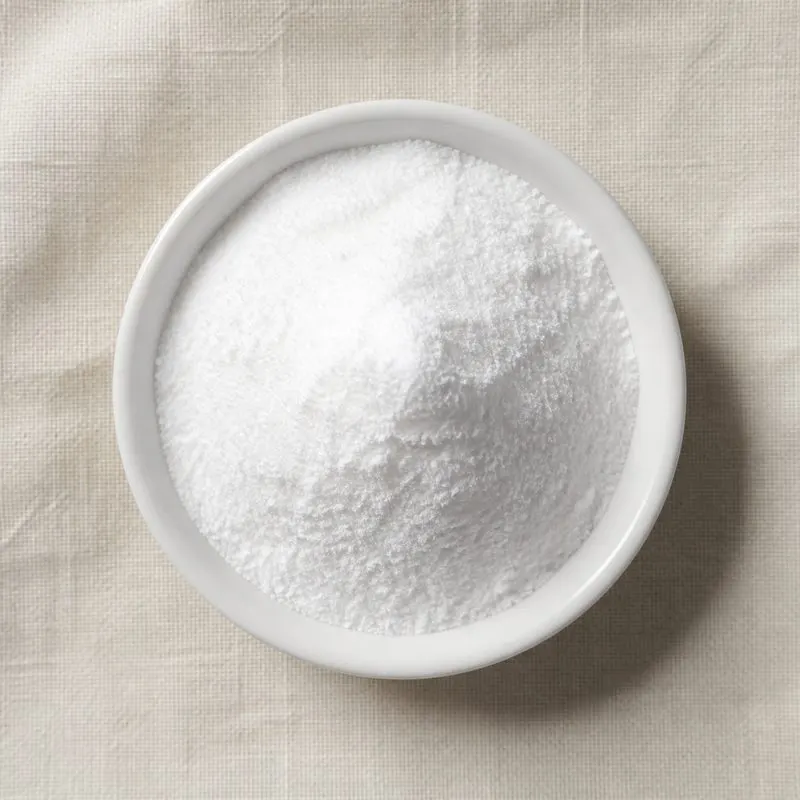
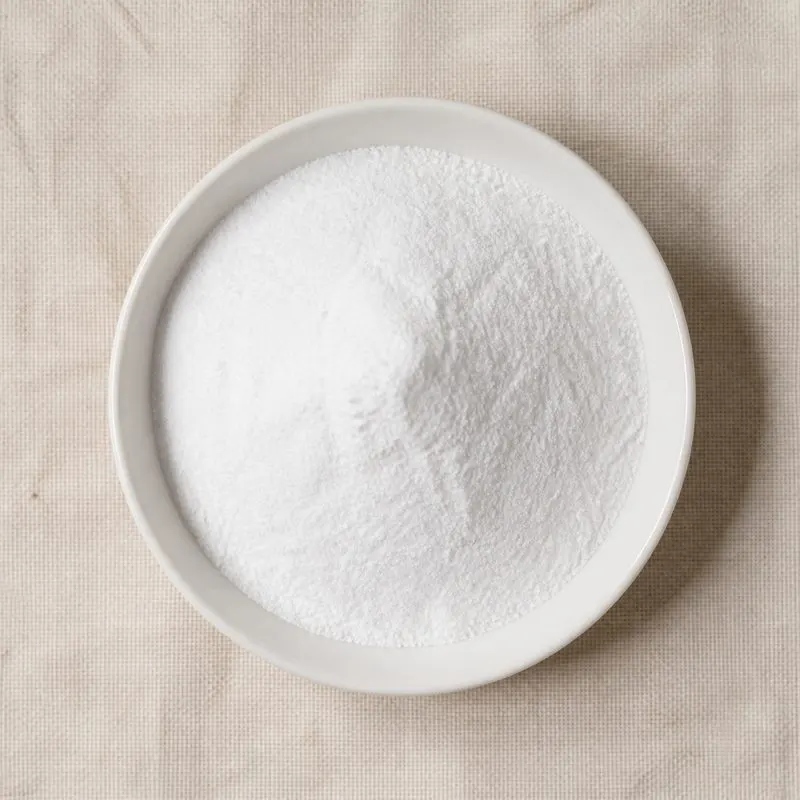
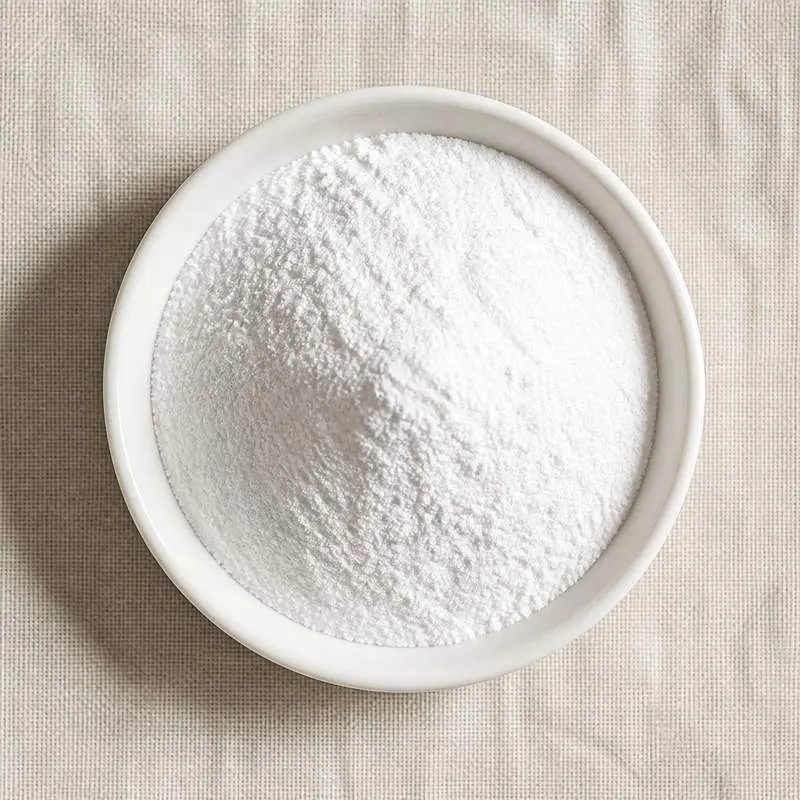
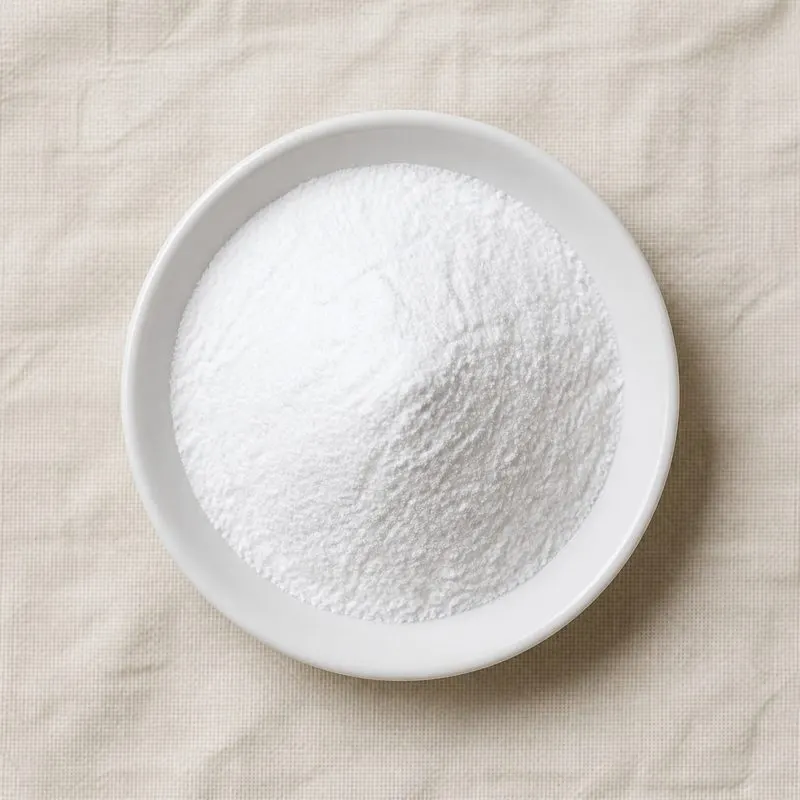
| Appearance | White crystalline powder or granules |
| Tetrapotassium Pyrophosphate (K4P2O7) | ≥ 96.0% |
| P2O5 content | ≥ 42.0% |
| pH (1% solution) | 9.8 to 10.6 |
| Loss on drying (105 °C) | ≤ 1.0% |
| Water-insoluble matter | ≤ 0.1% |
| Fluoride | ≤ 30 mg/kg |
| Heavy metals (as Pb) | ≤ 10 mg/kg |
| Lead | ≤ 4 mg/kg |
| Arsenic | ≤ 3 mg/kg |
| Particle size | Per customer specification |
Common Markets Grades
TKPP sells as dry powder, dry granule, and concentrated liquid solution.
The dry anhydrous powder is the standard grade for dry meat phosphate blends and dry cleaning compounds. It conforms to FCC and E 450(v) purity specifications with minimum 95 percent K4P2O7 assay on a dry basis.
Liquid 60 percent solutions are the dominant commercial format for meat-injection and detergent applications. The liquid avoids dust handling and dissolves instantly when metered into a brine tank.
Granular grades are produced by compaction of the powder for dust-free dry batching.
The decahydrate form known for TSPP is not stable for TKPP, so all commercial grades are anhydrous regardless of the physical format.
Applications
- Sodium-reduced meat and poultry brines for cooked hams, bacon, deli meats, and poultry
- Liquid meat phosphate blends, often combined with KTPP for synergistic action
- Processed cheese as a fast potassium-based emulsifying salt
- Dairy: cream, evaporated milk, and protein-fortified beverages
- Surimi production for rapid protein extraction
- Liquid industrial cleaners and metal degreasers
- Drilling-fluid deflocculants for water-based muds
- Pet food for low-sodium and renal diets
- Toothpaste tartar-control systems
- Photographic developer formulations
Brands Using Tetrapotassium Pyrophosphate
Widely-distributed consumer products that list Tetrapotassium Pyrophosphate on the ingredient label.
- ColgateSensitive Complete Protection Toothpaste ↗Inactive ingredients: 'Water, Glycerin, Hydrated Silica, Sorbitol, PEG-12, Tetrapotassium Pyrophosphate, PVM/MA Copolymer, ...'Label verified 2026-05-24
- ColgateEssentials with Charcoal Toothpaste ↗Inactive ingredients: 'Water, Sorbitol, Hydrated Silica, Calcium Pyrophosphate, Glycerin, PEG-12, Pentasodium Triphosphate, Tetrapotassium Pyrophosphate, Flavor, ...'Label verified 2026-05-24
Brand names, product names and logos are the property of their owners. They appear here as published evidence that the ingredient is used, taken from the brand's own label or website. Their appearance is not an endorsement, and it does not mean the brand buys from us or from any manufacturer listed on this site.
China Manufacturers of Tetrapotassium Pyrophosphate
Top Tetrapotassium Pyrophosphate manufacturers in China.
 Jiangsu Hens Food Technology Co., Ltd.11 ingredients in the directory
 Lianyungang Zhonghong Chemical Co., Ltd.11 ingredients in the directory
 Sichuan Kindia May Science And Tech.Co., Ltd.14 ingredients in the directory
- Xuzhou Hens Phosphate Co., Ltd.11 ingredients in the directory
Company names and logos are the property of the manufacturers themselves. They are listed here because our own directory records them as producing this ingredient. A listing is not an endorsement by them, and we do not represent them or speak on their behalf.
How We Help Source Tetrapotassium Pyrophosphate
Direct Factory Sourcing
We run the whole process: selecting the manufacturer from the top Chinese food ingredient producers, negotiating the price, verifying quality, and coordinating the logistics. You deal with us instead of with several factories at once.
Original Packaging and Documents from the Manufacturer
The manufacturer sends your Tetrapotassium Pyrophosphate out of its own factory in the original packing, through to your destination port. The COA, COO, MSDS, TDS and any certifications reach you from the manufacturer as well.
Free Samples and Lead Time
We send 100 to 500 g free for your own laboratory to test and you cover only the courier, usually within 2 to 3 working days. ETD is usually within 7 to 15 days once the order is confirmed, and we check that date against the factory's own manufacturing schedule before we give it to you.
Combined Shipment
We can load Tetrapotassium Pyrophosphate together with other ingredients such as Sodium Tripolyphosphate, Sodium Hexametaphosphate and TetraSodium Pyrophosphate into one 20' FCL. If your quantity is small, we can also ship LCL.
Regulatory Status
TKPP is approved as a food additive in major regulated markets.
The European Union lists it as E 450(v) within the diphosphate sub-family of phosphate additives. The U.S. FDA recognises it under 21 CFR 182.1810 (GRAS) and within the general phosphate sequestrant entries.
JECFA includes TKPP within its group evaluation of phosphate additives.
FCC monographs cover identity, assay, and impurity limits. Halal and Kosher certifications are routinely available.
The substance is one of the key tools for sodium reduction in cured meat. Substituting TKPP for TSPP in emulsified meat batters cuts sodium without compromising the fast protein activation that TSPP provides.
Manufacturing Process
TKPP is produced by thermal condensation of dipotassium orthophosphate.
Dipotassium orthophosphate (K2HPO4) is prepared by neutralising food-grade phosphoric acid with potassium carbonate at a 1:2 mole ratio. The intermediate is highly soluble in water, which complicates the drying step compared with the sodium analogue.
Many TKPP plants run the condensation step as a slurry calcination in fluidised beds, where the partially dried feed reacts directly without the intermediate isolation of a fully dried orthophosphate.
Calcination at 400 to 500 degrees Celsius condenses two orthophosphate units, releasing one water molecule and forming the P2O7 anion. The product is cooled, milled, and sieved.
Liquid 60 percent solutions are produced by dissolving the dried powder in deionised water at elevated temperature, then polishing and filtering before packaging.