Sodium Tripolyphosphate
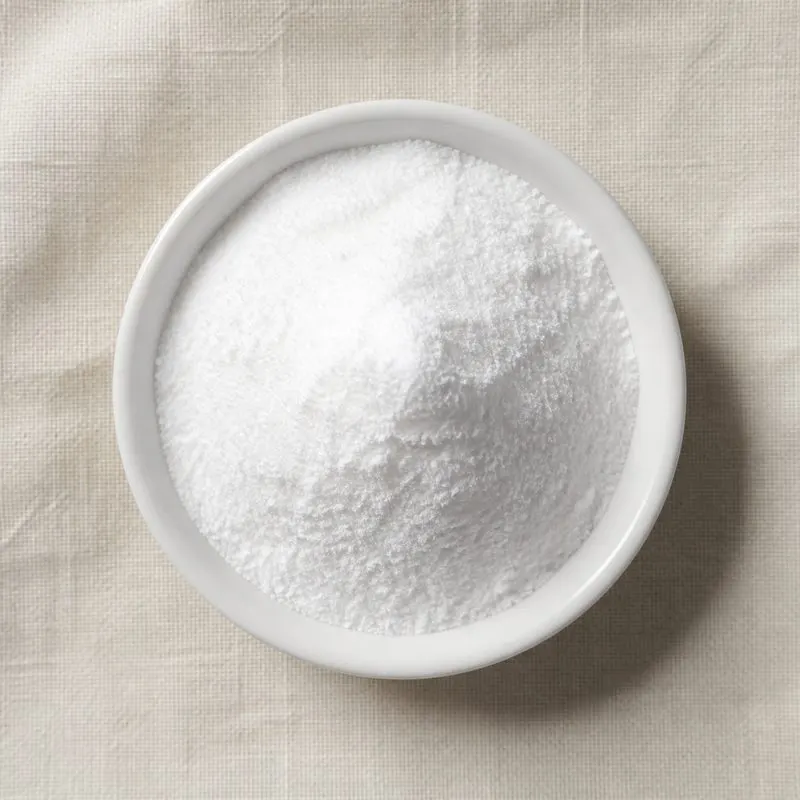
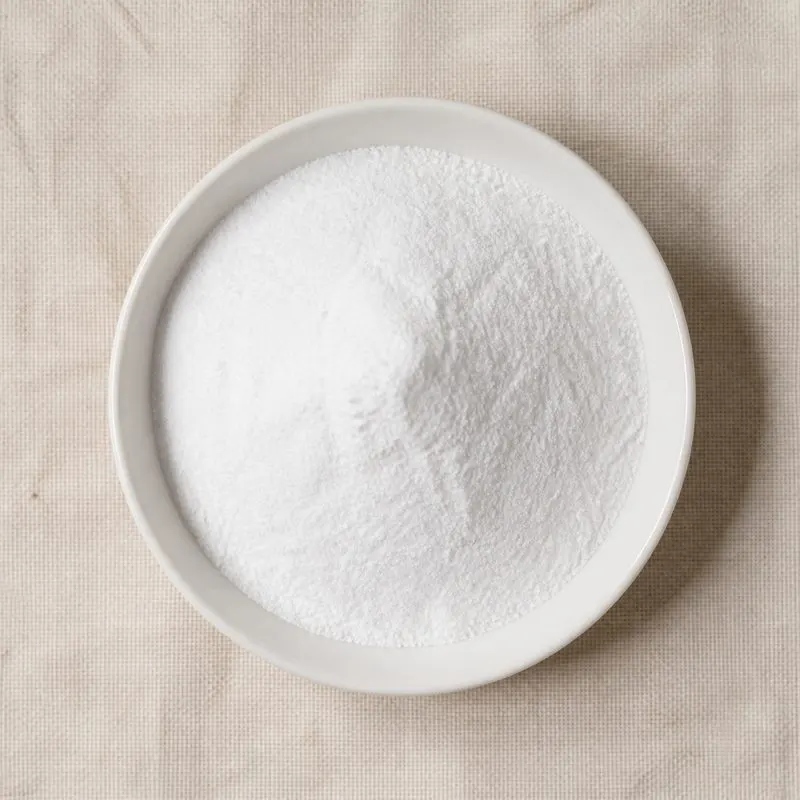
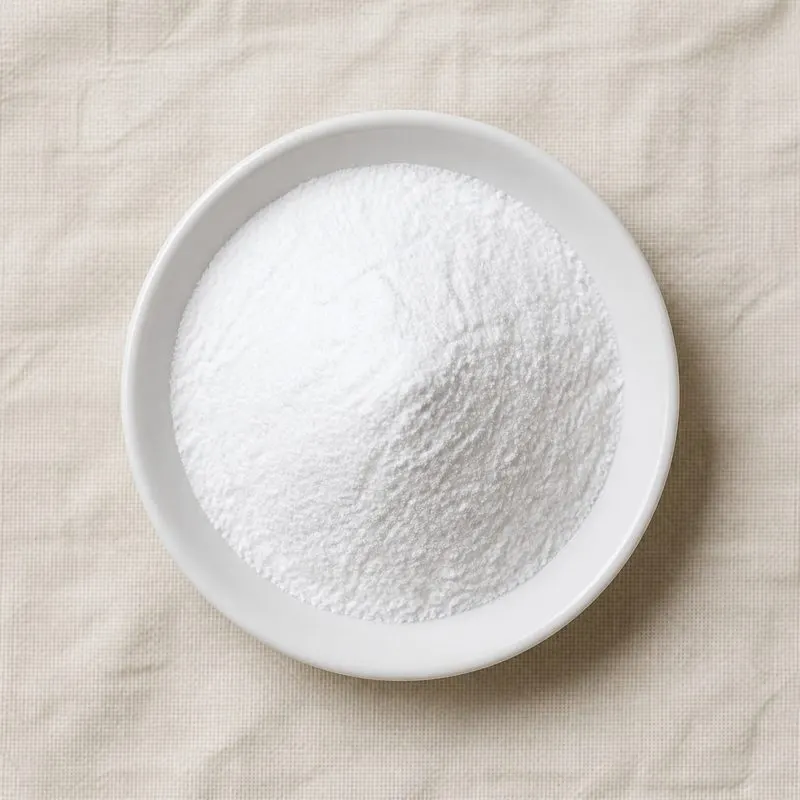
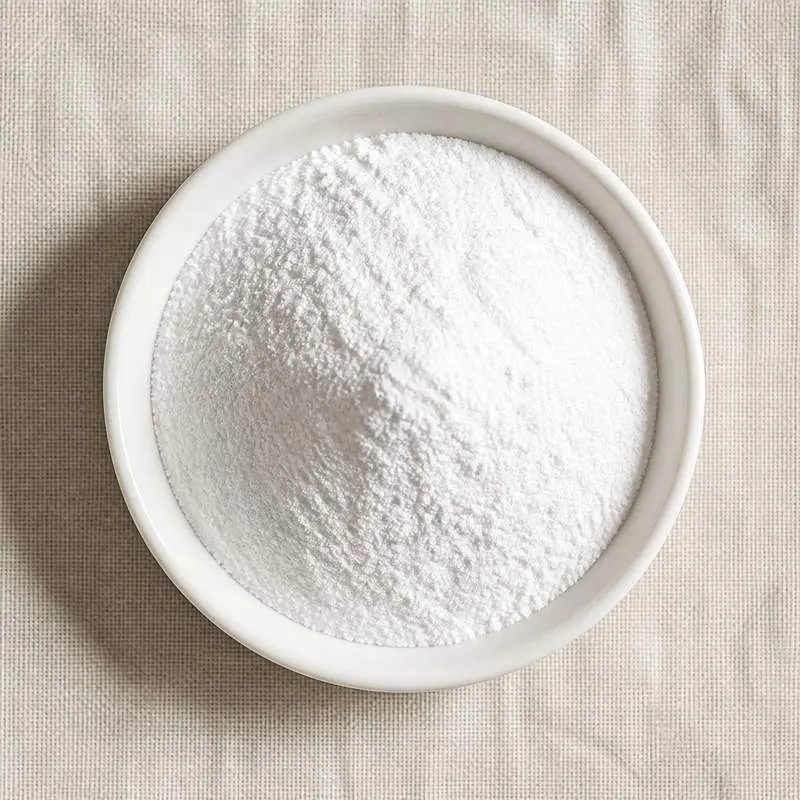
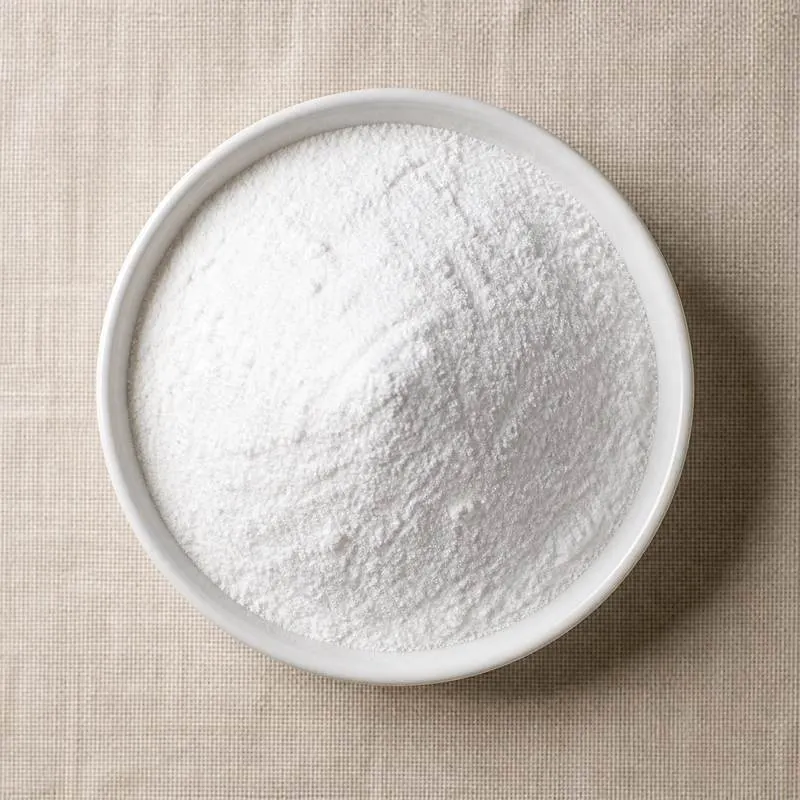
Sodium Tripolyphosphate (STPP) is a linear three-unit chain phosphate with the formula Na5P3O10. It is the standard polyphosphate of meat, seafood, and detergent manufacturing, valued for its strong calcium and magnesium sequestration and its ability to shift meat protein into a higher water-binding state.
The salt is a free-flowing white powder or granule that dissolves rapidly in water to give a mildly alkaline solution with a pH of around 9.5 at one percent concentration.
We source bulk Sodium Tripolyphosphate from top China manufacturers for our partners, working with several of them. The manufacturers are mostly in Jiangsu, Sichuan and Chongqing. For this ingredient the minimum order is 1,000 kg and a 20-foot container takes 23 MT, and a smaller requirement can ship in a combined container with other ingredients.
Please send the grade you need, the volume and your destination port, and we will come back with a solution and a price.
or call +86-21-6858 0751
- Minimum order
- 1,000 kg
- Qty in 20' FCL
- 23 MT
- Packaging
- 25 kg kraft paper bag with PE inner liner
- Function
- Meat-processing aid
- ISO 9001
- HACCP
- Halal
- Kosher
Specifications
| Item | Specification |
|---|---|
| Appearance | / |
| Main content,as Na₅P₃O₁₀ | ≥% |
| Phosphorus Pentoxide | % |
| pH | 10G/L |
| Water insoluble | ≤% |
| Arsenic(As) | ≤ppm |
| Fluoride(F) | ≤ppm |
| Plumbum(Pb) | ≤ppm |
| Heavy metals (as Pb) | ≤ppm |
| Bulk density | g/cm₃ |
| Through 100mesh | ≥% |
Common Markets Grades
Two qualities of STPP reach the market, food grade and technical grade, with phase composition as the distinguishing feature.
Phase I STPP, formed at higher calcination temperatures, dissolves more slowly and is preferred for slow-setting detergent applications.
Phase II STPP, formed at lower calcination temperatures, dissolves rapidly and is the standard choice for meat injection brines and seafood dips, where fast protein activation is required.
Food-grade STPP conforms to FCC, JECFA, and E 451(i) purity specifications. Particle size grades range from fine powder (under 100 micron) for dry blends to granular (0.5 to 2 mm) for dust-free brine batching.
Applications
- Meat injection brines for ham, bacon, poultry, and roast beef to raise pH and water binding
- Seafood dips for shrimp, scallops, and white fish to control moisture loss in freezing and thawing
- Processed cheese and cheese-product manufacture as an emulsifying salt that dissociates calcium from casein
- Surimi production for protein extraction and texture development
- Sausage and emulsified meat batters paired with sodium pyrophosphate for synergy
- Pet food, especially canned and pouched complete diets
- Detergent builders in industrial dish and laundry applications
- Water-treatment scale inhibitor
- Ceramic deflocculant in slip preparation
- Paper-industry pulp dispersant
Brands Using Sodium Tripolyphosphate
Widely-distributed consumer products that list Sodium Tripolyphosphate on the ingredient label.
- SeaPakShrimp Poppers ↗Ingredients include '...SODIUM TRIPOLYPHOSPHATE (TO RETAIN MOISTURE)'Label verified 2026-05-24
- SeaPakPopcorn Shrimp ↗Ingredients include 'SODIUM TRIPOLYPHOSPHATE (TO RETAIN MOISTURE)'Label verified 2026-05-24
- Panamei SeafoodRaw Shrimp ↗Ingredients: 'shrimp, sodium tripolyphosphate, salt, water (to retain moisture)'Label verified 2026-05-24
Brand names, product names and logos are the property of their owners. They appear here as published evidence that the ingredient is used, taken from the brand's own label or website. Their appearance is not an endorsement, and it does not mean the brand buys from us or from any manufacturer listed on this site.
China Manufacturers of Sodium Tripolyphosphate
Top Sodium Tripolyphosphate manufacturers in China.
 Beluckey&Wengfu Technology Co., Ltd.5 ingredients in the directory
 Chongqing Chuandong Chemical (Group) Co., Ltd.5 ingredients in the directory
- Hubei Xingfa Chemical Group Co., Ltd.2 ingredients in the directory
 Jiangsu Hens Food Technology Co., Ltd.11 ingredients in the directory
 Lianyungang Dongtai Food Ingredients Co., Ltd.11 ingredients in the directory
 Lianyungang Zexin Food Ingredients Co., Ltd.8 ingredients in the directory
 Reephos (Chongqing) Food Ingredients Co., Ltd.9 ingredients in the directory
 Sichuan Kindia May Science And Tech.Co., Ltd.14 ingredients in the directory
 Wengfu (Group) Co., Ltd.2 ingredients in the directory
 Wuhan Waking Lion Chemicals Co., Ltd.13 ingredients in the directory
 Xuzhou Hengxing Chemical Co., Ltd.6 ingredients in the directory
- Xuzhou Hens Phosphate Co., Ltd.11 ingredients in the directory
- Yunnan Addiphos Technology Co., Ltd.7 ingredients in the directory
Company names and logos are the property of the manufacturers themselves. They are listed here because our own directory records them as producing this ingredient. A listing is not an endorsement by them, and we do not represent them or speak on their behalf.
How We Help Source Sodium Tripolyphosphate
Direct Factory Sourcing
We run the whole process: selecting the manufacturer from the top Chinese food ingredient producers, negotiating the price, verifying quality, and coordinating the logistics. You deal with us instead of with several factories at once.
Original Packaging and Documents from the Manufacturer
The manufacturer sends your Sodium Tripolyphosphate out of its own factory in the original packing, through to your destination port. The COA, COO, MSDS, TDS and any certifications reach you from the manufacturer as well.
Free Samples and Lead Time
We send 100 to 500 g free for your own laboratory to test and you cover only the courier, usually within 2 to 3 working days. ETD is usually within 7 to 15 days once the order is confirmed, and we check that date against the factory's own manufacturing schedule before we give it to you.
Combined Shipment
We can load Sodium Tripolyphosphate together with other ingredients such as Sodium Hexametaphosphate, TetraSodium Pyrophosphate and Tetrapotassium Pyrophosphate into one 20' FCL. If your quantity is small, we can also ship LCL.
Regulatory Status
STPP is approved as a food additive across major regulated markets.
The European Union lists it as E 451(i) within the polyphosphate family. The U.S. FDA recognises it under 21 CFR 182.1810 (GRAS for general food use) and 21 CFR 172.892 (specific uses in food processing).
JECFA evaluated phosphate additives as a group and established a maximum tolerable daily intake expressed as phosphorus, covering both natural and added sources.
FCC, USP, and Ph. Eur. monographs cover identity, assay, and impurity limits. Halal and Kosher certifications are routinely available for food-grade material.
Detergent-grade STPP is increasingly restricted under regional eutrophication-control legislation. Food-grade material is unaffected by these limits.
Manufacturing Process
STPP is produced by thermal condensation of a precisely balanced mixture of monosodium and disodium orthophosphate.
The starting materials are produced by neutralising food-grade phosphoric acid with sodium carbonate or sodium hydroxide to the 1:2 mole ratio of mono to di. The solution is concentrated and spray-dried to an intermediate orthophosphate powder.
The powder is calcined in rotary or belt furnaces at 350 to 550 degrees Celsius. The condensation reaction releases water and links three phosphate units through bridging oxygen atoms into the linear P3O10 chain.
Calcination temperature controls the crystal phase distribution between Phase I and Phase II. The cooled product is milled, sieved, and packed.
The dominant feedstock route uses wet-process phosphoric acid purified by solvent extraction to remove fluoride, arsenic, cadmium, and lead to food-grade limits.