Sodium Hexametaphosphate
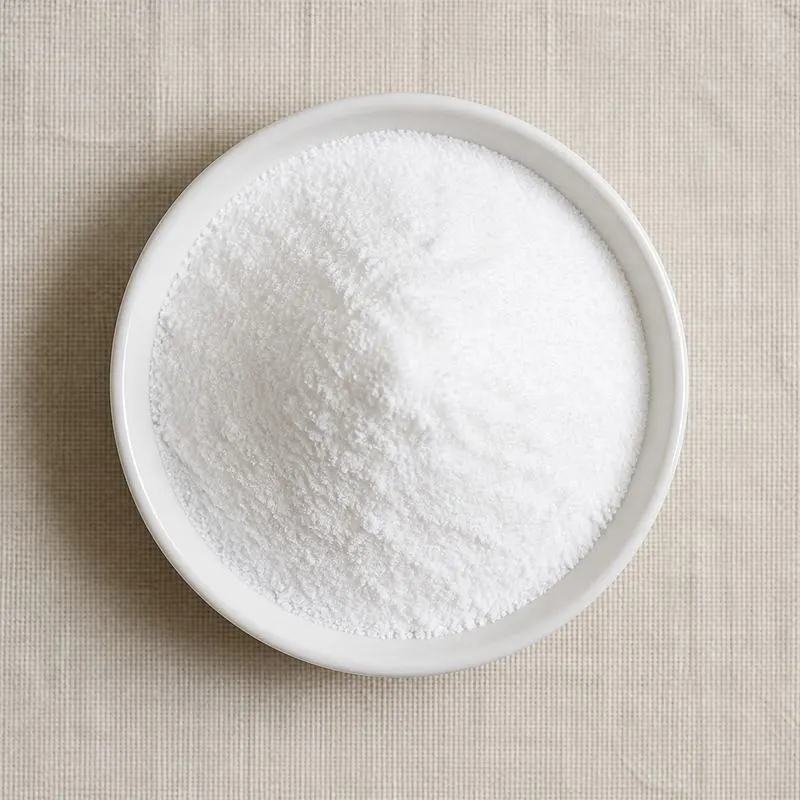
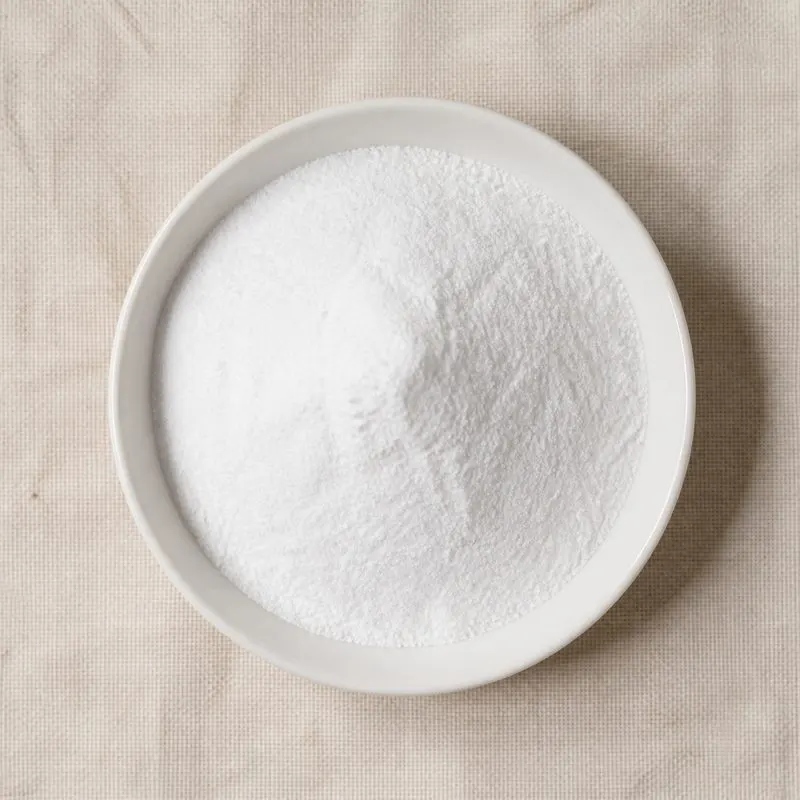
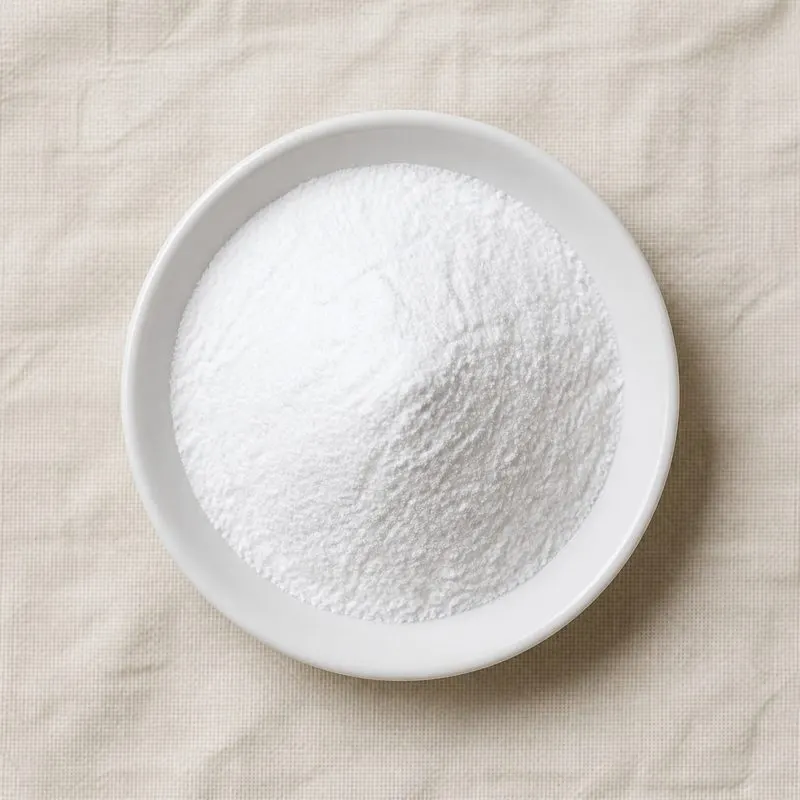
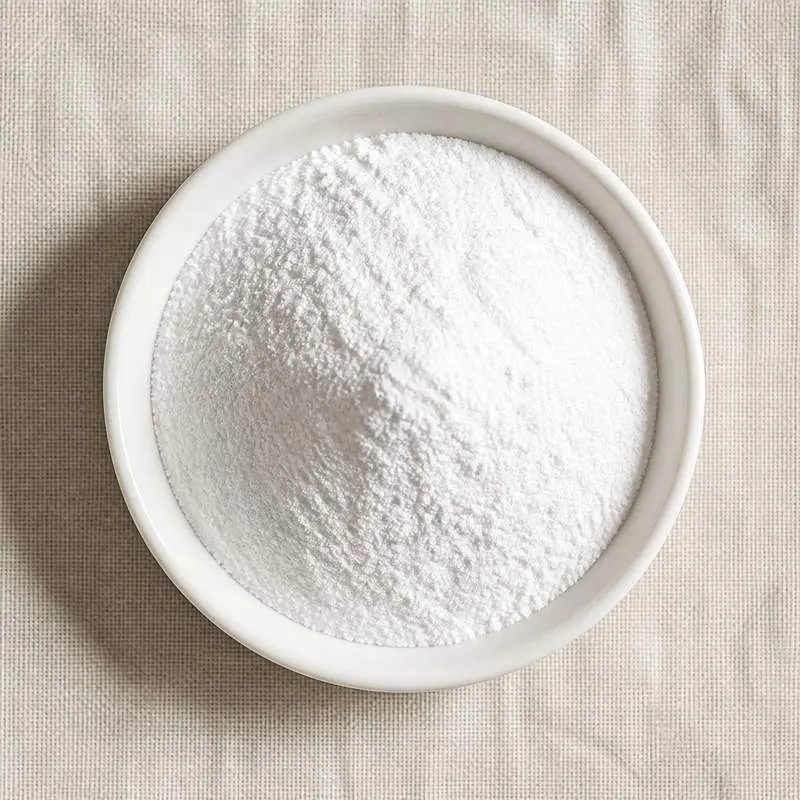
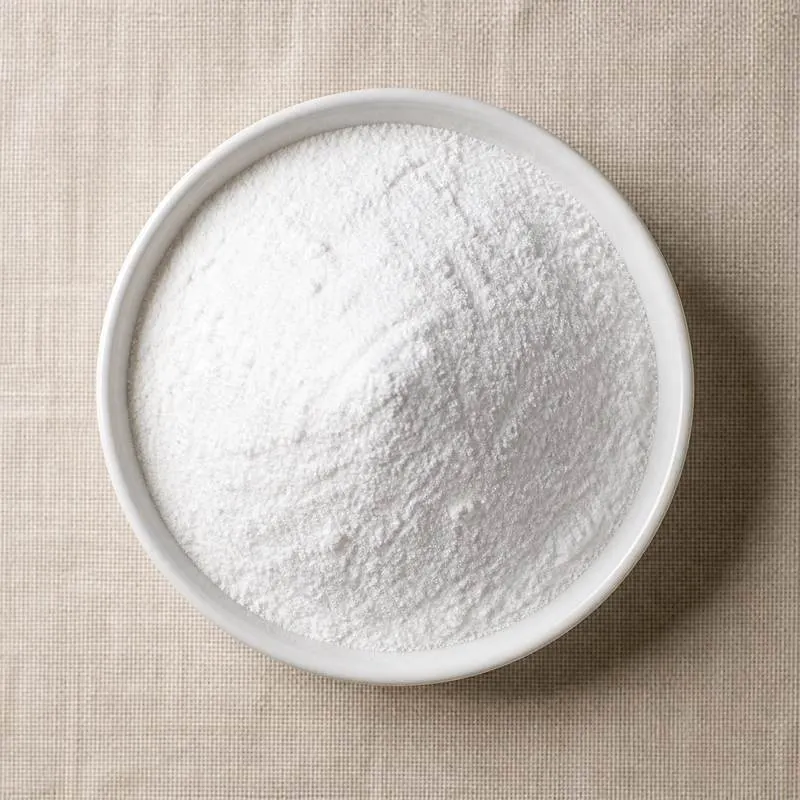
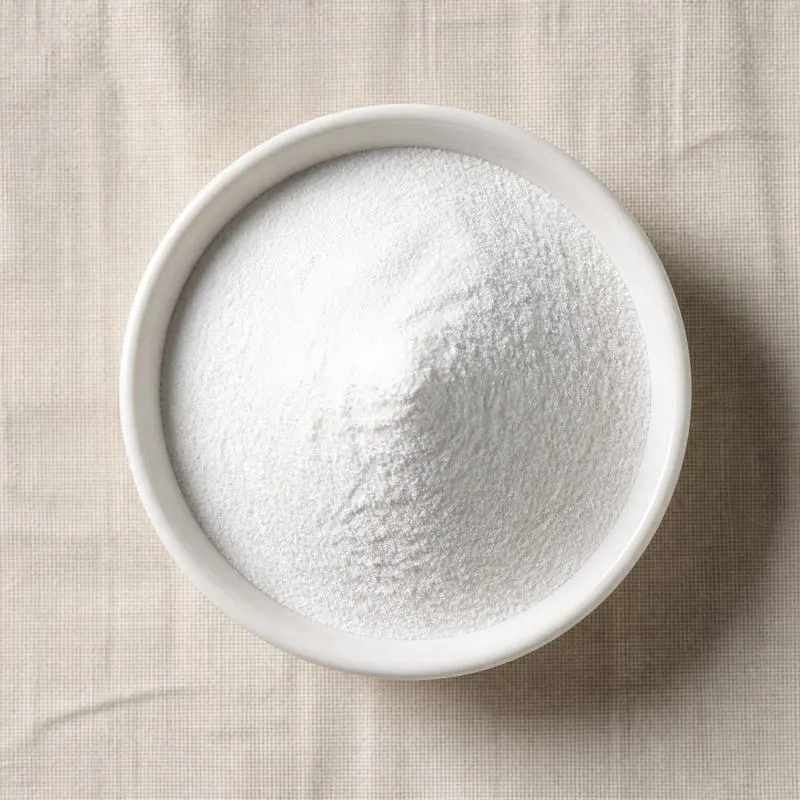
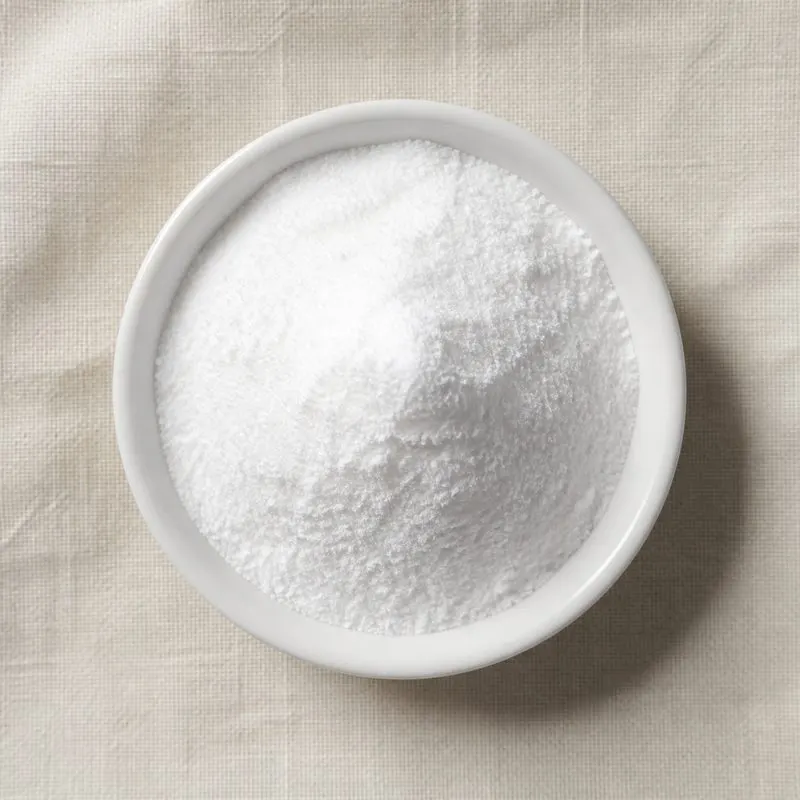
Sodium Hexametaphosphate (SHMP) is a glassy, long-chain sodium polyphosphate with the empirical formula (NaPO3)n, traditionally written as (NaPO3)6 although the actual average chain length usually sits between 10 and 25 phosphate units.
Colourless to white glassy flakes, plates, or granules make up the commercial material, and they dissolve slowly in water to give a clear, mildly acidic solution. It is the most powerful calcium sequestrant of the commercial sodium phosphates.
We source bulk Sodium Hexametaphosphate from top China manufacturers for our partners, working with several of them. The manufacturers are in Sichuan, Jiangsu and Chongqing. For this ingredient the minimum order is 500 kg and a 20-foot container takes 25 MT, and a smaller requirement can ship in a combined container with other ingredients.
Please send the grade you need, the volume and your destination port, and we will come back with a solution and a price.
or call +86-21-6858 0751
- Minimum order
- 500 kg
- Qty in 20' FCL
- 25 MT
- Packaging
- 25 kg kraft paper bag with PE inner liner
- Function
- Meat-processing aid
- ISO 9001
- HACCP
- Halal
- Kosher
Specifications
| Item | Specification |
|---|---|
| 1 | Appearance |
| 2 | Total phosphates (as P2O5)% ≥ |
| 3 | Inactive Phosphates (as P2O5 )%≤ |
| 4 | Iron (Fe) % ≤ |
| 5 | PH Value |
| 6 | Solubility |
| 7 | Heavy Metals (as Pb) % ≤ |
| 8 | Arsenic (As)% ≤ |
| 9 | Fluoride (as F) % ≤ |
| 10 | Water Insoluble matter % ≤ |
| 11 | Polymerization |
Common Markets Grades
SHMP is graded by P2O5 content, Na2O to P2O5 ratio, and dissolution rate.
Standard food-grade SHMP carries a Na2O to P2O5 ratio close to 1.0, total P2O5 of 67 to 70 percent, and meets FCC and E 452(i) purity specifications.
Long-chain grades, sometimes labelled SHMP-68, have higher P2O5 content and longer average chain length. They deliver maximum calcium sequestration and slower dissolution.
Short-chain grades have lower average chain length, dissolve more rapidly, and are preferred where speed of action matters more than peak sequestration.
Particle formats range from coarse glassy flake (3 to 8 mm) to powder. The glassy structure is metastable and slowly devitrifies over time, especially under humid storage conditions.
Applications
- Meat and seafood brines for moisture retention and oxidation control
- Processed cheese and cheese-product manufacture as an emulsifying salt
- Boiler-water and cooling-tower scale inhibition
- Beverage formulation for calcium and magnesium sequestration
- Pet food, especially canned and pouched products
- Toothpaste as an anti-tartar agent that prevents calcium phosphate deposition
- Industrial cleaning and detergent builders
- Ceramic slip deflocculation
- Oil-well drilling fluids as a clay dispersant
- Textile dyeing as a hard-water softener
Brands Using Sodium Hexametaphosphate
Widely-distributed consumer products that list Sodium Hexametaphosphate on the ingredient label.
- CrestPro-Health Clean Mint Toothpaste ↗Brand page states the Polyfluorite System contains 'sodium hexametaphosphate, a stain- and tartar-fighting ingredient'Label verified 2026-05-24
- CrestPro-Health Densify Daily Protection Toothpaste ↗A toothpaste whose Polyfluorite System includes sodium hexametaphosphate, a stain and tartar control ingredient.Label verified 2026-05-24
Brand names, product names and logos are the property of their owners. They appear here as published evidence that the ingredient is used, taken from the brand's own label or website. Their appearance is not an endorsement, and it does not mean the brand buys from us or from any manufacturer listed on this site.
China Manufacturers of Sodium Hexametaphosphate
Top Sodium Hexametaphosphate manufacturers in China.
 Beluckey&Wengfu Technology Co., Ltd.5 ingredients in the directory
 Chongqing Chuandong Chemical (Group) Co., Ltd.5 ingredients in the directory
 Lianyungang Zexin Food Ingredients Co., Ltd.8 ingredients in the directory
 Sichuan Kindia May Science And Tech.Co., Ltd.14 ingredients in the directory
 Sichuan Ronghong Technology Development Co., Ltd.11 ingredients in the directory
 Xuzhou Hengxing Chemical Co., Ltd.6 ingredients in the directory
Company names and logos are the property of the manufacturers themselves. They are listed here because our own directory records them as producing this ingredient. A listing is not an endorsement by them, and we do not represent them or speak on their behalf.
How We Help Source Sodium Hexametaphosphate
Direct Factory Sourcing
We run the whole process: selecting the manufacturer from the top Chinese food ingredient producers, negotiating the price, verifying quality, and coordinating the logistics. You deal with us instead of with several factories at once.
Original Packaging and Documents from the Manufacturer
The manufacturer sends your Sodium Hexametaphosphate out of its own factory in the original packing, through to your destination port. The COA, COO, MSDS, TDS and any certifications reach you from the manufacturer as well.
Free Samples and Lead Time
We send 100 to 500 g free for your own laboratory to test and you cover only the courier, usually within 2 to 3 working days. ETD is usually within 7 to 15 days once the order is confirmed, and we check that date against the factory's own manufacturing schedule before we give it to you.
Combined Shipment
We can load Sodium Hexametaphosphate together with other ingredients such as Sodium Tripolyphosphate, TetraSodium Pyrophosphate and Tetrapotassium Pyrophosphate into one 20' FCL. If your quantity is small, we can also ship LCL.
Regulatory Status
SHMP is approved as a food additive in major regulated markets.
The European Union lists it as E 452(i) within the polyphosphate family. The U.S. FDA recognises it under 21 CFR 182.1810 (GRAS for general food use) and 21 CFR 182.6760 for sequestrant applications.
JECFA includes SHMP within its group evaluation of phosphate additives, with intake assessed on a total-phosphorus basis.
FCC, USP, and Ph. Eur. monographs cover identity, assay, and impurity limits. Halal and Kosher certifications are routinely available.
Technical-grade SHMP for industrial water treatment is unaffected by phosphate-discharge regulations in most jurisdictions because the dose levels are far below detergent levels.
Manufacturing Process
SHMP is produced by thermal fusion of monosodium orthophosphate followed by rapid quenching to lock in the glassy structure.
Monosodium orthophosphate is prepared by neutralising food-grade phosphoric acid with sodium carbonate to the 1:1 mole ratio. The solution is concentrated and dried.
The dried salt is fed to a continuous fusion furnace operating at 700 to 900 degrees Celsius. The condensation reaction eliminates water and links phosphate units into long linear chains.
The molten glass is poured onto chilled steel rolls or belts that solidify it within seconds. Rapid cooling prevents the chains from crystallising and preserves the metastable glassy structure that gives SHMP its characteristic slow dissolution and broad chain-length distribution.
The cooled glass is broken into flakes or further milled into powder.