TetraSodium Pyrophosphate
Tetrasodium Pyrophosphate (TSPP) is the fully neutralised sodium salt of pyrophosphoric acid, with the formula Na4P2O7. It is the same chemical compound conventionally referenced as sodium pyrophosphate, and the dual naming reflects two parallel traditions: pharmacopoeial and food-additive nomenclature.
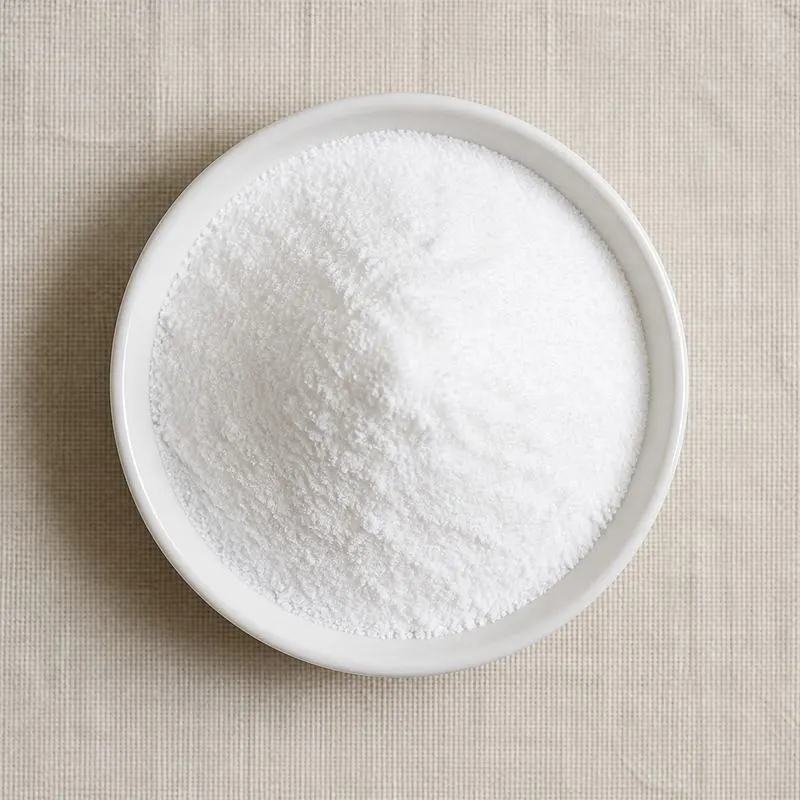
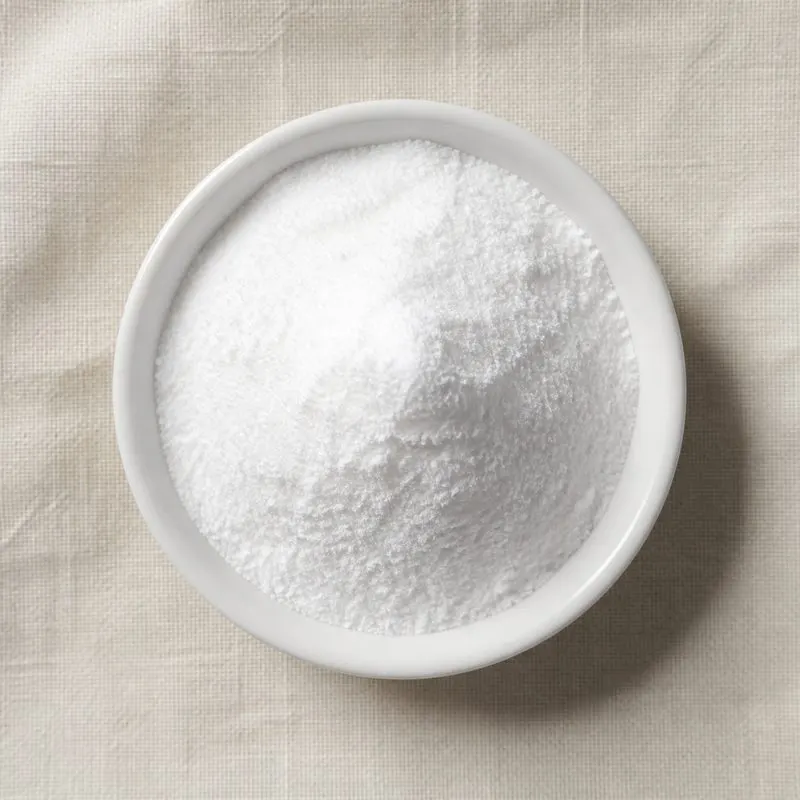
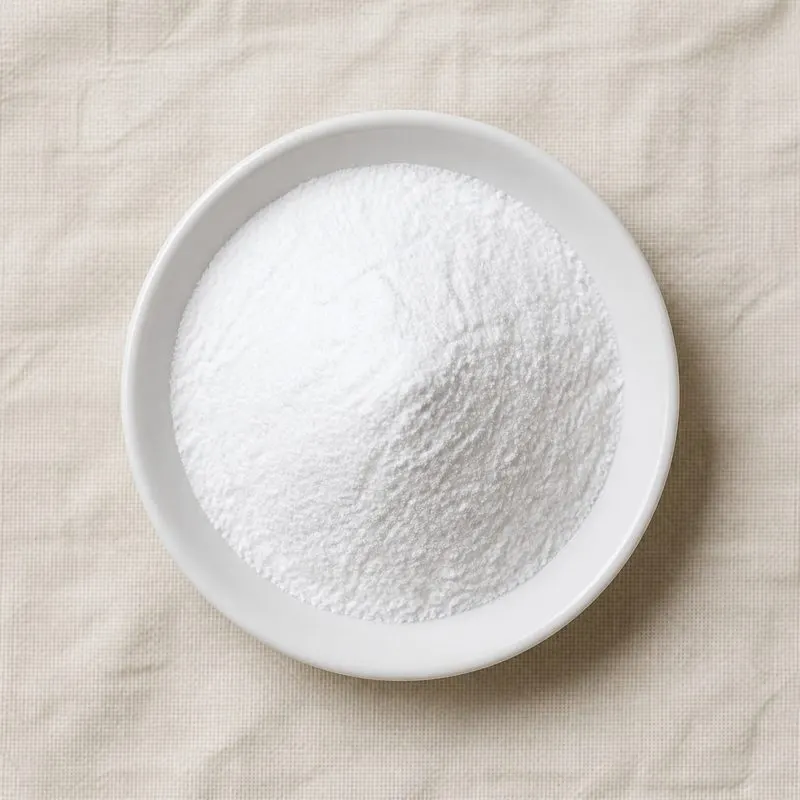
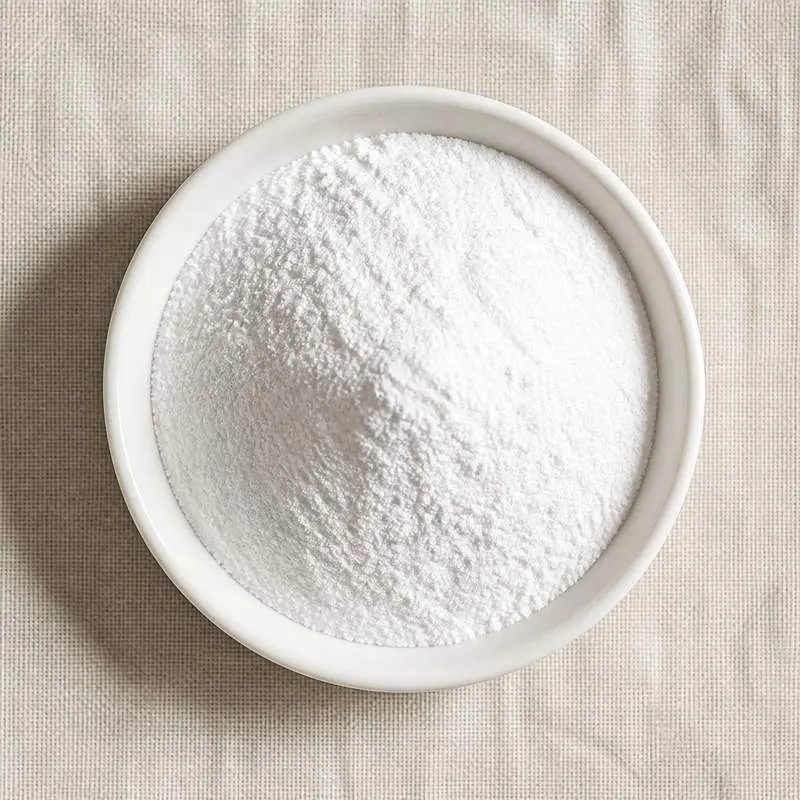
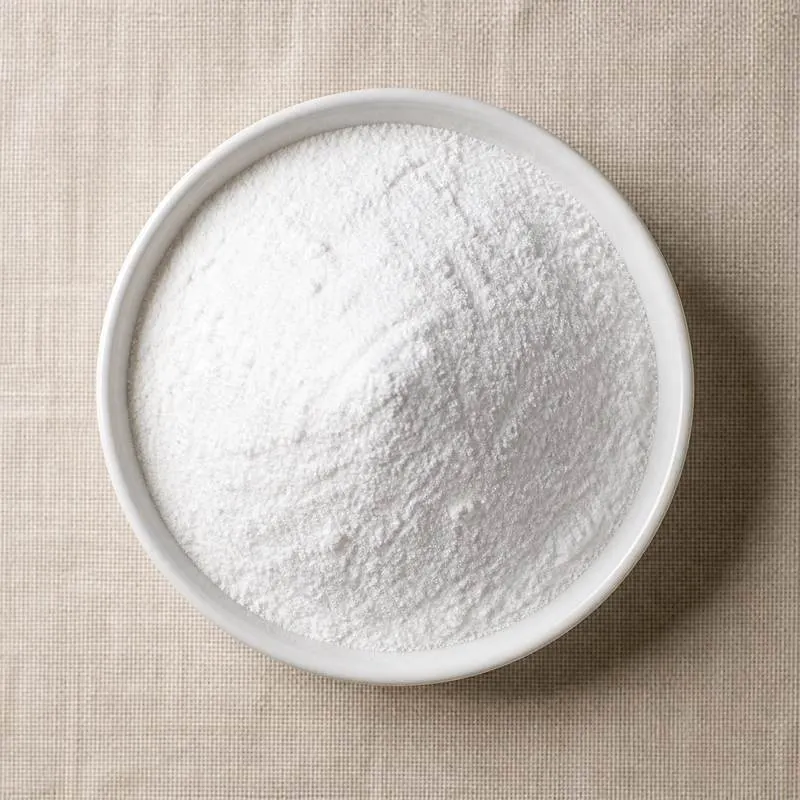
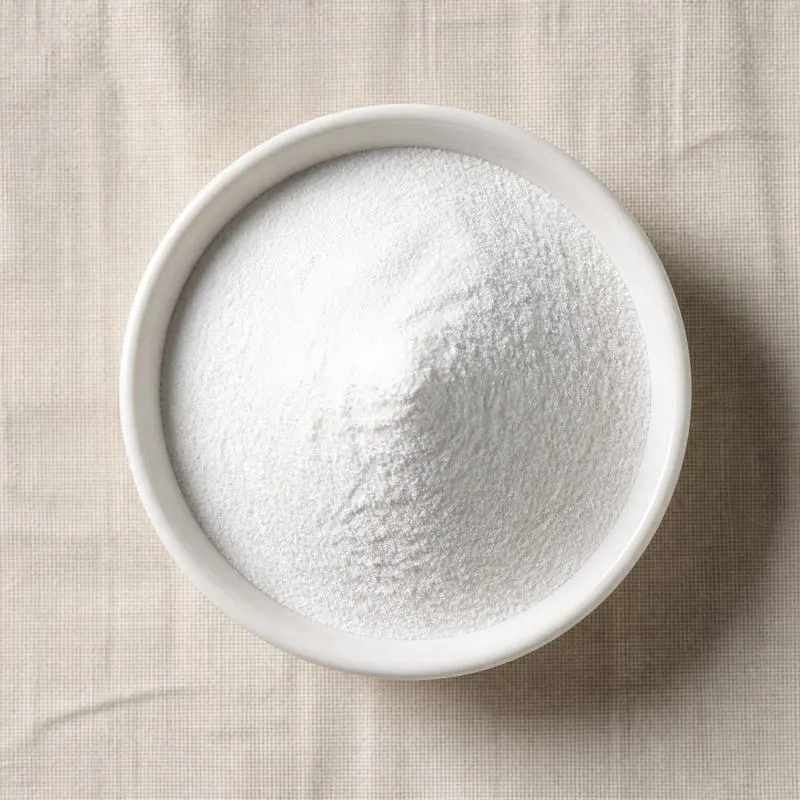
The salt is a white, crystalline solid that dissolves in water to a strongly alkaline solution near pH 10.2 at one percent concentration. The four sodium counter-ions balance the two negative charges on each phosphate end of the P2O7 anion.
We source bulk TetraSodium Pyrophosphate from top China manufacturers for our partners, working with several of them. The manufacturers are mostly in Jiangsu, Chongqing and Sichuan. For this ingredient the minimum order is 500 kg and a 20-foot container takes 22 MT, and a smaller requirement can ship in a combined container with other ingredients.
Please send the grade you need, the volume and your destination port, and we will come back with a solution and a price.
or call +86-21-6858 0751
- Minimum order
- 500 kg
- Qty in 20' FCL
- 22 MT
- Packaging
- 25 kg kraft paper bag with PE inner liner
- Function
- Meat-processing aid
- ISO 9001
- HACCP
- Halal
- Kosher
Specifications
| Item | Specification |
|---|---|
| Appearance | White crystalline powder or granules |
| Assay (as tetrasodium pyrophosphate, dried basis) | ≥ 95.0% |
| Total Phosphate (as P₂O₅) | 56.0-59.0% |
| pH (1% Solution) | 9.9-10.7 |
| Loss on Ignition | ≤ 0.5% |
| Water-Insoluble Matter | ≤ 0.2% |
| Solubility | Freely soluble in water, giving a strongly alkaline solution |
| Fluoride (as F) | ≤ 10 mg/kg |
| Chloride (as Cl) | ≤ 0.05% |
| Sulfate (as SO₄) | ≤ 0.1% |
| Heavy Metals (as Pb) | ≤ 10 mg/kg |
| Lead | ≤ 2 mg/kg |
| Arsenic (as As) | ≤ 3 mg/kg |
| Cadmium | ≤ 1 mg/kg |
Common Markets Grades
TSPP trades in anhydrous, decahydrate, and granular formats.
The anhydrous powder is the standard grade for dry blends, meat phosphate premixes, and processed-cheese formulations. It is characterised by minimum 95 percent Na4P2O7 assay on a dry basis.
The decahydrate (Na4P2O7·10H2O) carries roughly 43 percent water of crystallisation and is used where rapid cold-water dissolution matters or where the rise in pH must be more gradual.
Granular grades are formed by compaction and screening of the anhydrous powder. They are designed for dust-free automated handling in meat-injection brine systems and detergent-builder filling lines.
Food, technical, and pharmacopoeial grades are differentiated by limits on fluoride, arsenic, heavy metals, and water-insoluble matter.
Applications
- Meat and poultry brines for rapid protein activation and water binding
- Cooked-ham and bacon manufacture, often paired with sodium tripolyphosphate
- Processed cheese and analogue cheese as a fast emulsifying salt
- Surimi and fish-protein extraction
- Canned tuna for struvite-crystal prevention
- Pet food, especially canned loaf-style products
- Dental products: toothpaste and mouth rinse as a tartar-control agent
- Industrial alkaline cleaners and metal degreasers
- Photographic developer formulations as a buffer
- Drilling-fluid deflocculant for water-based muds
Brands Using TetraSodium Pyrophosphate
Widely-distributed consumer products that list TetraSodium Pyrophosphate on the ingredient label.
- ColgateTotal Active Prevention Clean Mint Toothpaste ↗Inactive ingredients: 'Water, Sorbitol, Hydrated Silica, PEG-12, Sodium Lauryl Sulfate, Flavor, Cellulose Gum, Potassium Hydroxide, Tetrasodium Pyrophosphate, Phosphoric Acid, ...'Label verified 2026-05-24
- ColgateTotal Gum Protect Whitening Toothpaste ↗Inactive ingredients: 'Water, Sorbitol, Hydrated Silica, Glycerin, Sodium Methyl Cocoyl Taurate, Flavor, Tetrasodium Pyrophosphate, Cellulose Gum, ...'Label verified 2026-05-24
- HormelCOMPLEATS Creamy Penne with Herb Chicken ↗Sauce ingredients list includes 'Tetrasodium Pyrophosphate, Sorbic Acid [preservative], Sodium Stearoyl Lactylate'Label verified 2026-05-24
Brand names, product names and logos are the property of their owners. They appear here as published evidence that the ingredient is used, taken from the brand's own label or website. Their appearance is not an endorsement, and it does not mean the brand buys from us or from any manufacturer listed on this site.
China Manufacturers of TetraSodium Pyrophosphate
Top TetraSodium Pyrophosphate manufacturers in China.
 Chongqing Chuandong Chemical (Group) Co., Ltd.5 ingredients in the directory
 Lianyungang Zexin Food Ingredients Co., Ltd.8 ingredients in the directory
 Sichuan Kindia May Science And Tech.Co., Ltd.14 ingredients in the directory
 Wuhan Waking Lion Chemicals Co., Ltd.13 ingredients in the directory
 Xuzhou Hengxing Chemical Co., Ltd.6 ingredients in the directory
Company names and logos are the property of the manufacturers themselves. They are listed here because our own directory records them as producing this ingredient. A listing is not an endorsement by them, and we do not represent them or speak on their behalf.
How We Help Source TetraSodium Pyrophosphate
Direct Factory Sourcing
We run the whole process: selecting the manufacturer from the top Chinese food ingredient producers, negotiating the price, verifying quality, and coordinating the logistics. You deal with us instead of with several factories at once.
Original Packaging and Documents from the Manufacturer
The manufacturer sends your TetraSodium Pyrophosphate out of its own factory in the original packing, through to your destination port. The COA, COO, MSDS, TDS and any certifications reach you from the manufacturer as well.
Free Samples and Lead Time
We send 100 to 500 g free for your own laboratory to test and you cover only the courier, usually within 2 to 3 working days. ETD is usually within 7 to 15 days once the order is confirmed, and we check that date against the factory's own manufacturing schedule before we give it to you.
Combined Shipment
We can load TetraSodium Pyrophosphate together with other ingredients such as Sodium Tripolyphosphate, Sodium Hexametaphosphate and Tetrapotassium Pyrophosphate into one 20' FCL. If your quantity is small, we can also ship LCL.
Regulatory Status
TSPP carries the same regulatory status as sodium pyrophosphate, since they are the same compound.
The European Union lists it as E 450(iii) within the diphosphate sub-family of phosphate additives. The U.S. FDA recognises it under 21 CFR 182.1810 (GRAS) and 21 CFR 182.6789 for sequestrant use.
JECFA evaluates TSPP within its group assessment of phosphate additives, with intake summed across natural and added sources on a phosphorus basis.
FCC, USP, BP, and Ph. Eur. monographs cover identity, assay, and impurity limits. Halal and Kosher certifications are routinely available, and the substance carries no inherent allergen concern.
The two trade names tetrasodium pyrophosphate and sodium pyrophosphate are used interchangeably on technical data sheets, though regional regulatory documents may favour one over the other.
Manufacturing Process
TSPP is produced by thermal condensation of disodium orthophosphate.
Disodium orthophosphate is prepared by reacting food-grade phosphoric acid with sodium carbonate at a 1:2 mole ratio, producing a clear aqueous intermediate that is filtered, concentrated, and dried.
The dry intermediate is calcined in indirectly heated rotary or hearth furnaces at 400 to 500 degrees Celsius. Two disodium orthophosphate molecules condense by elimination of one water molecule, forming the P2O7 pyrophosphate anion bridged by a single oxygen atom.
Calcination must be precisely controlled to avoid both under-conversion to residual orthophosphate and over-conversion to sodium tripolyphosphate. Modern plants use continuous off-gas monitoring to track water release in real time.
The calcined product is cooled, milled, sieved, and packaged. The decahydrate is produced by crystallising the anhydrous material from controlled-temperature aqueous solution at 25 to 35 degrees Celsius.