Walnut Oligopeptide
Walnut oligopeptide is a protein hydrolysate prepared from the defatted kernel meal of Juglans regia, in which the walnut storage protein has been cut by proteases into short peptides of roughly two to ten amino acid residues. The name follows the Chinese trade convention for oligopeptide products, and the specification is written around the molecular weight distribution rather than around total protein alone.
Walnut kernel is about 15 percent protein, dominated by the salt soluble globulin juglanin, and once the oil is pressed out the residual cake carries 45 to 55 percent protein. That protein is poorly soluble and functionally inert, which is the reason it is hydrolysed rather than sold intact. Hydrolysis yields fragments with an average molecular weight below 1000 daltons, rich in glutamic acid, arginine and aspartic acid.
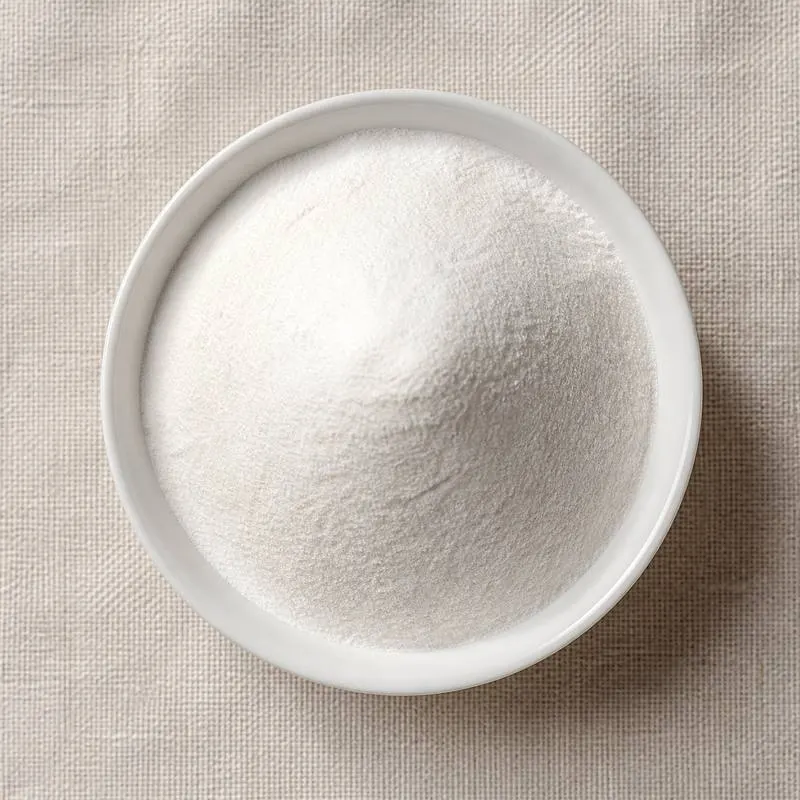
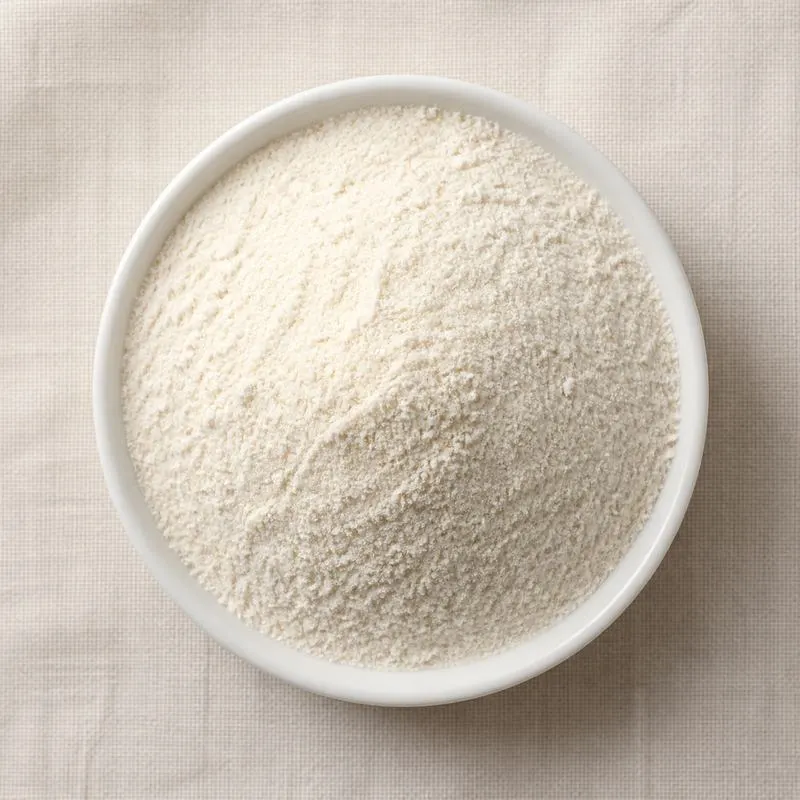
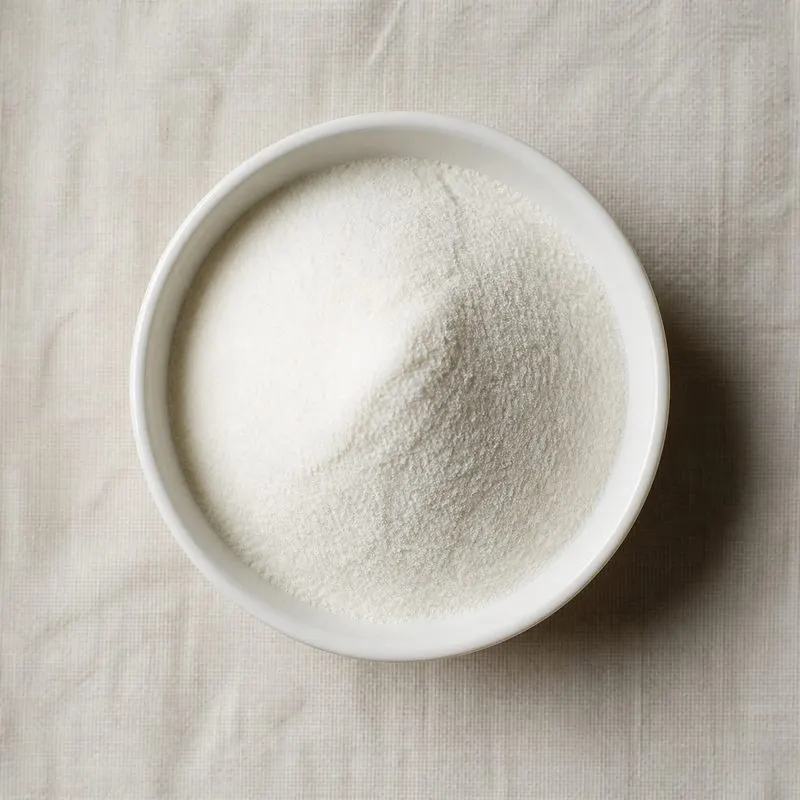
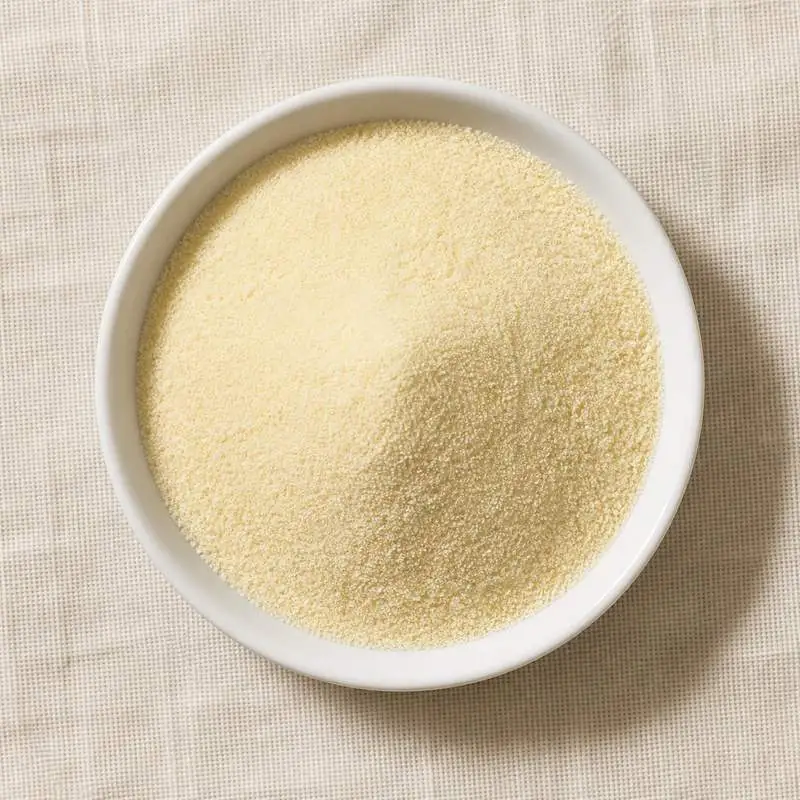
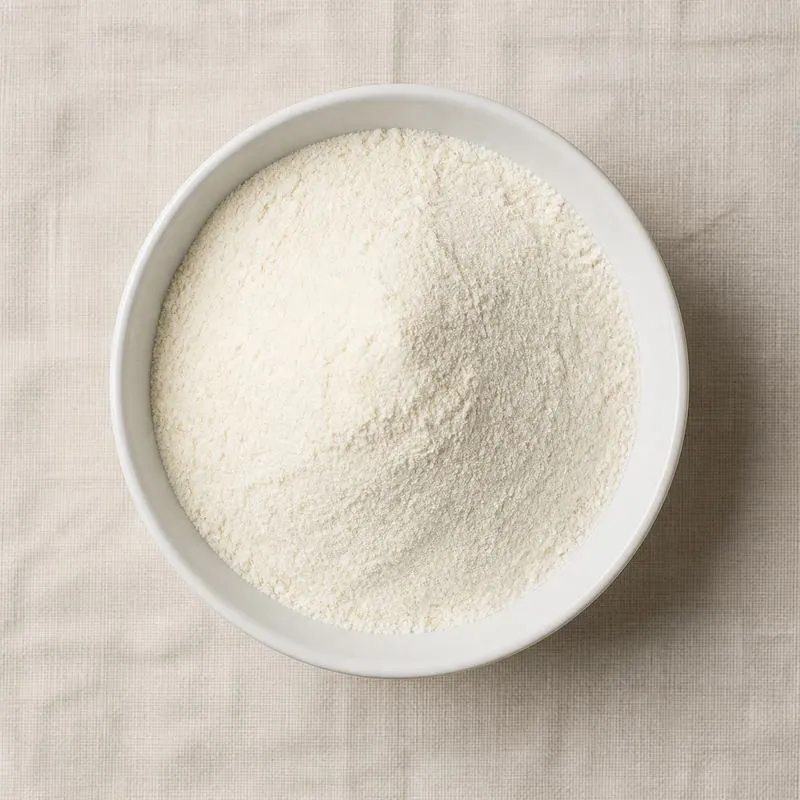
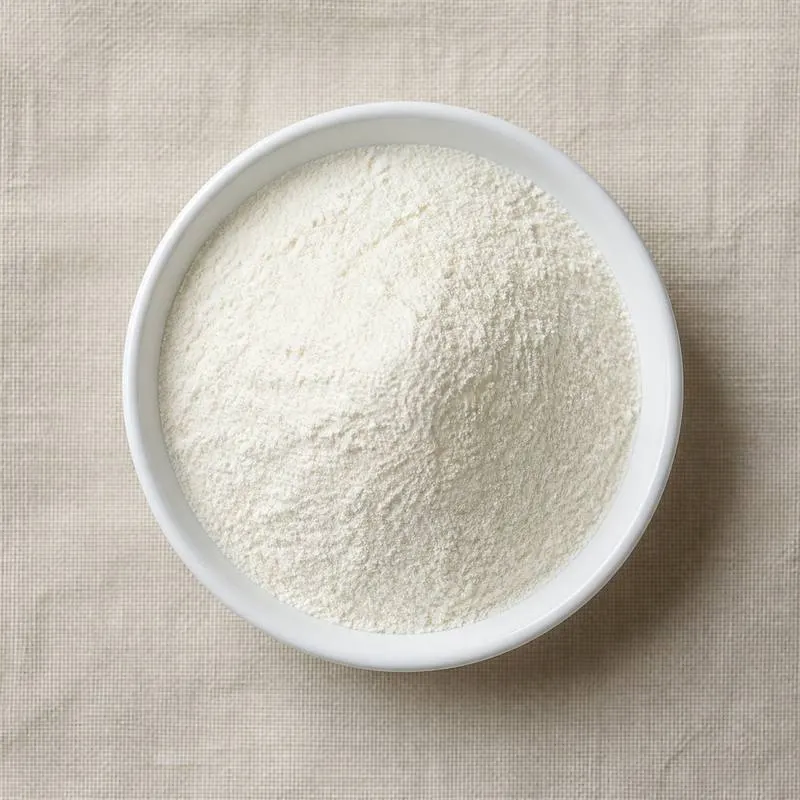
The finished material is a pale yellow to light beige powder with a faint nutty note. It dissolves in cold water at concentrations above 20 percent, gives a clear to faintly hazy low viscosity solution, and shows no isoelectric precipitation, so it stays in solution through the acid pH range used in fruit flavoured drinks. It tolerates pasteurisation and retort heating without hazing, which is the property that determines where it can be formulated.
We source bulk Walnut Oligopeptide from top China manufacturers for our partners. The manufacturer is in Shanxi. A smaller requirement can ship in a combined container with other ingredients.
Please send the grade you need, the volume and your destination port, and we will come back with a solution and a price.
or call +86-21-6858 0751
- Function
- Protein
Specifications
| Item | Specification |
|---|---|
| Appearance | Pale yellow to light beige fine powder |
| Odour and Taste | Faint nutty note, slightly bitter |
| Protein (dry basis) | ≥ 85.0% |
| Peptide Fraction below 1000 Da | ≥ 85.0% |
| Identification | Conforms by amino acid profile and molecular weight distribution |
| Loss on Drying | ≤ 7.0% |
| Ash | ≤ 6.0% |
| Fat | ≤ 1.0% |
| pH (1% solution) | 5.5 to 7.5 |
| Transmittance (1% solution, 450 nm) | ≥ 85% |
| Particle Size | 100% through 80 mesh |
| Lead | ≤ 0.5 mg/kg |
| Arsenic | ≤ 0.5 mg/kg |
| Aflatoxin B1 | ≤ 2 µg/kg |
| Total Plate Count | ≤ 10,000 cfu/g |
| Yeast and Mould | ≤ 100 cfu/g |
| Escherichia coli | Negative in 1 g |
| Salmonella | Negative in 25 g |
Common Markets Grades
Grades are defined by peptide assay and by molecular weight cut-off. A general nutrition grade is specified at 80 percent minimum protein on a dry basis with 80 percent of that below 1000 daltons; a refined grade runs at 90 percent protein with 90 percent below 1000 daltons and a tighter limit on free amino acids, and is the one used in clear beverages.
Colour and flavour give the second split. A standard spray dried powder retains a light tan cast and some nutty character, while a carbon treated and deodorised grade is near white and close to neutral in taste, at the cost of some yield. Powders are sieved to 80 mesh, and an instantised granular version is produced for stick packs. Because walnut is a tree nut, allergen segregated production and a declaration on the certificate are standard trade requirements.
Applications
- Clear protein drinks and shots, where solubility at acid pH allows a high protein load without haze
- Walnut milk and plant milk beverages, added back to raise the protein declaration of a naturally low protein drink
- Instant sachets and effervescent powders, dissolving completely in cold water without residue
- Capsules and tablets in the supplement trade, sold on the amino acid profile
- Nutrition bars and baked snacks, where the low molecular weight fraction avoids the hardening seen with intact protein
- Meal replacement and clinical nutrition blends, as a plant protein for vegan positioning
- Confectionery and jelly products, raising protein content without affecting the gel
- Cosmetic leave-on formulations, where the peptide fraction acts as a humectant and film former
- Elderly and convalescent nutrition, as a readily absorbed protein fraction
China Manufacturers of Walnut Oligopeptide
Top Walnut Oligopeptide manufacturers in China.
Company names and logos are the property of the manufacturers themselves. They are listed here because our own directory records them as producing this ingredient. A listing is not an endorsement by them, and we do not represent them or speak on their behalf.
Regulatory Status
In the United States, walnut kernel is a food, and a hydrolysate made from its defatted meal with food grade enzymes is treated as a food ingredient rather than as an additive; the status rests on the GRAS position held for the specific preparation and on the enzymes used being cleared for food processing. Walnut is a tree nut and therefore a major food allergen that must be declared on the label under the federal allergen labelling law.
In the European Union, walnut protein hydrolysate is a food ingredient and carries no E number. Nuts, walnut included, are listed among the allergens that must be emphasised in the ingredient list. Whether the preparation requires authorisation under the novel food regulation depends on the degree of processing and the intended conditions of use relative to consumption in the Union before May 1997, and this should be established for the specific product before marketing. Enzymes used in the hydrolysis fall under the EU food enzyme framework. JECFA has issued no specification monograph for plant protein hydrolysates of this type.
Manufacturing Process
Walnut kernels are cleaned, deskinned where a pale product is wanted, and pressed to remove the oil, which is recovered as a separate product. The press cake is either solvent extracted to residual oil below 1 percent or used directly from cold pressing where an organic claim is carried, then desolventised under controlled heat and milled to a protein enriched flour. Careful control of the desolventising temperature matters, since overheating makes the protein resistant to enzymes.
The flour is slurried in water and adjusted to the pH and temperature optimum of a food grade endoprotease, typically an alkaline bacterial protease, and hydrolysed for several hours with continuous alkali dosing to hold the pH as cleavage proceeds. A neutral exopeptidase stage usually follows to trim the hydrophobic terminal residues that cause bitterness. The enzymes are inactivated by heating, insoluble residue and fibre are removed by centrifugation and microfiltration, and the clarified liquor is passed through ultrafiltration to set the molecular weight cut-off. Activated carbon and, where a near white powder is required, nanofiltration strip colour and residual flavour. The permeate is concentrated under vacuum, sterilised and spray dried, and the powder is sieved and packed.