Walnut Peptide
Walnut peptide is a protein hydrolysate produced by enzymatic digestion of walnut protein, recovered from the defatted meal left after walnut kernels are pressed for oil. The parent protein is dominated by the salt soluble globulin fraction, and hydrolysis reduces it to a mixture of short peptides and free amino acids, most of the material falling below 1000 daltons.
The commercial logic of the ingredient is that walnut meal is a large, low value by product of walnut oil production in China, and its protein is otherwise difficult to use. Intact walnut protein is poorly soluble at neutral pH, precipitates around its isoelectric point of about pH 4.5 and cannot be carried in a beverage. Hydrolysis removes that limitation, giving a powder that dissolves almost completely across the food pH range and stays clear through pasteurisation.
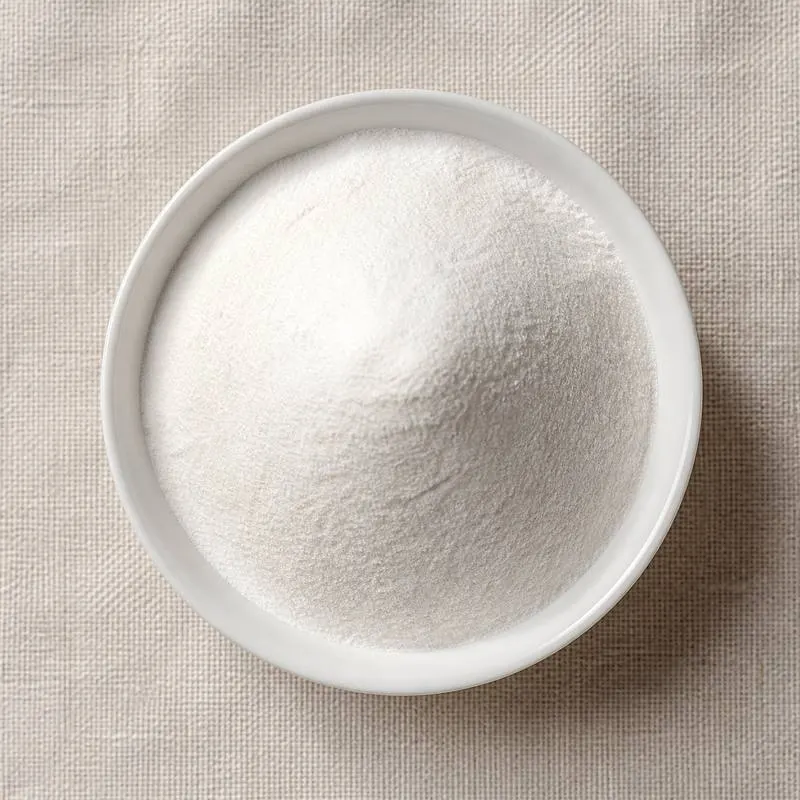
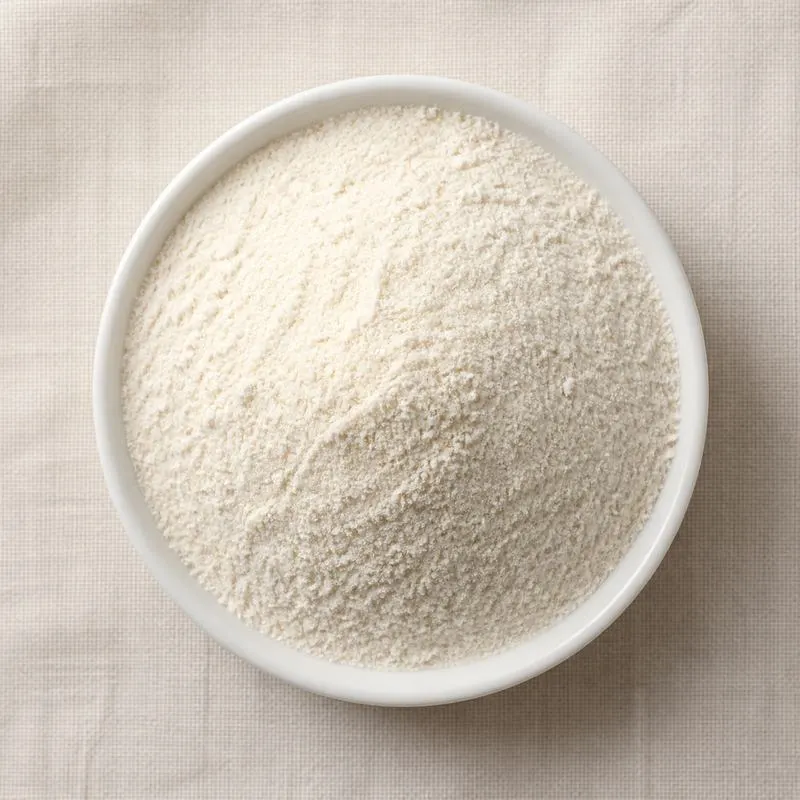
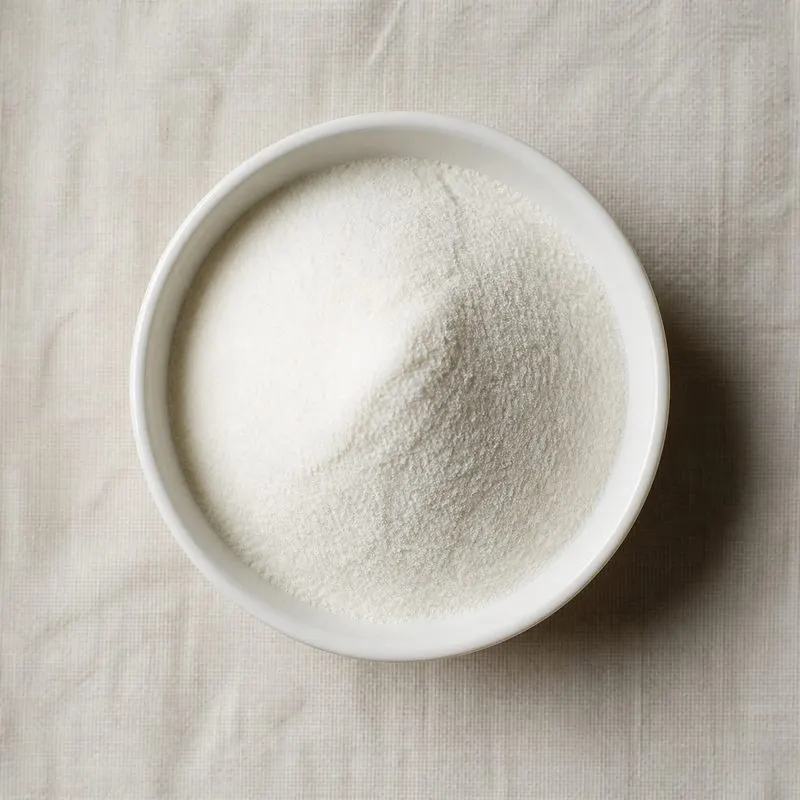
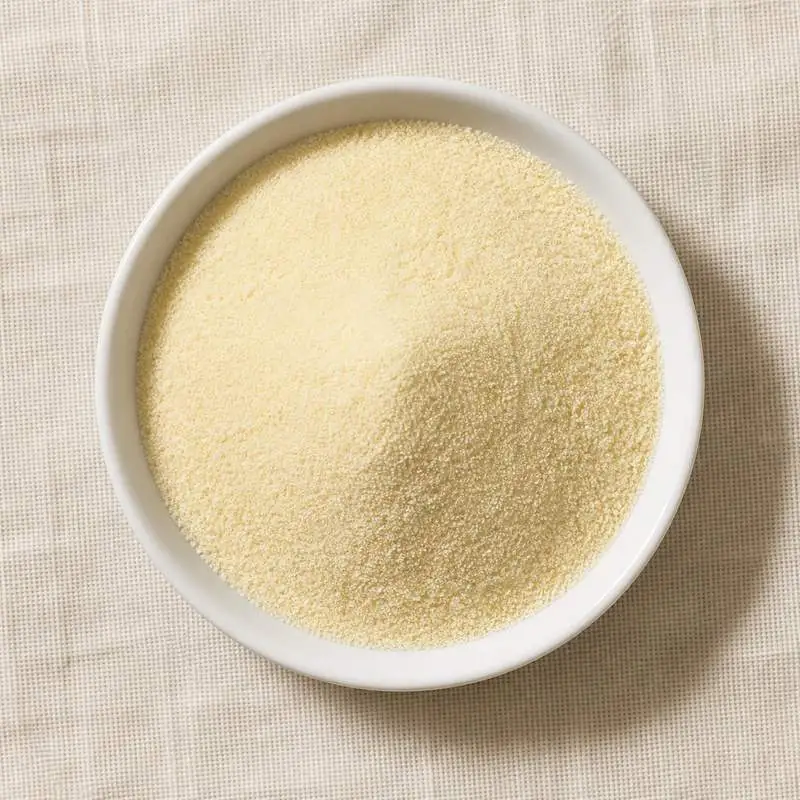
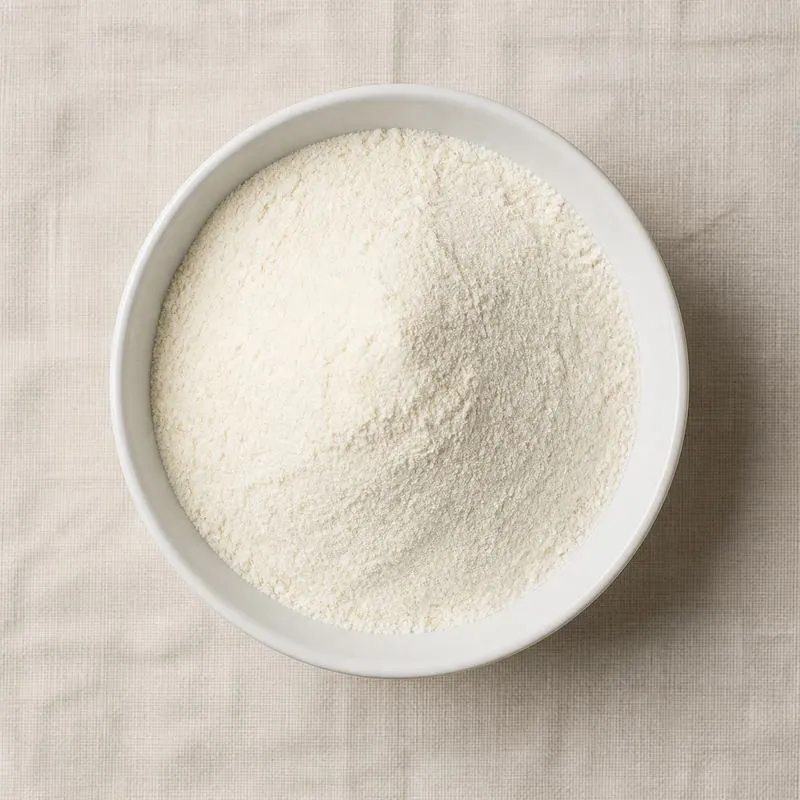
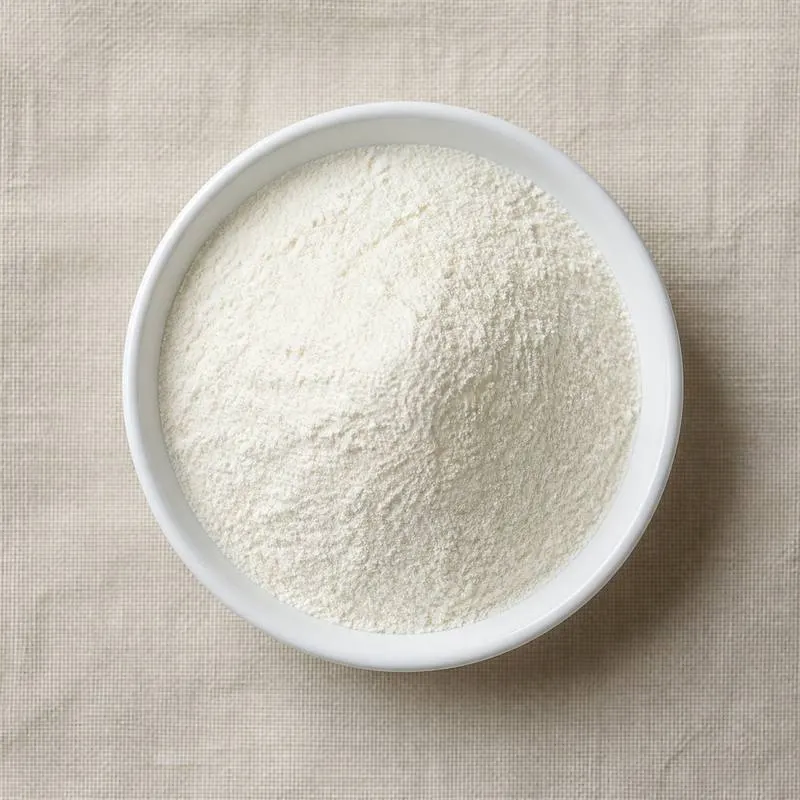
It is a light yellow to pale brown spray dried powder with a mild nutty odour and a slightly bitter taste that the exopeptidase stage of the process is designed to reduce. The amino acid profile is high in glutamic acid and arginine and limited in lysine. In the Chinese market the ingredient is positioned on cognitive and memory support, a claim that follows from the traditional association of walnut with brain health rather than from any distinct property of the peptide fraction.
We source bulk Walnut Peptide from top China manufacturers for our partners. The manufacturers are in Guangdong and Shandong. A smaller requirement can ship in a combined container with other ingredients.
Please send the grade you need, the volume and your destination port, and we will come back with a solution and a price.
or call +86-21-6858 0751
- Function
- Protein
Specifications
| Item | Specification |
|---|---|
| Appearance | Light yellow to pale brown fine powder |
| Odour and Taste | Mild nutty odour, slightly bitter taste |
| Protein (dry basis, N x 5.30) | Not less than 85.0 percent |
| Peptides below 1000 Daltons | Not less than 80.0 percent |
| Identification | Amino acid profile and molecular weight distribution conform to reference |
| Loss on Drying | Not more than 7.0 percent |
| Ash | Not more than 6.0 percent |
| Fat | Not more than 1.5 percent |
| pH (1 percent solution) | 6.0 to 7.5 |
| Solubility in Water | Not less than 98.0 percent |
| Aflatoxin B1 | Not more than 2 microgram/kg |
| Lead | Not more than 0.5 mg/kg |
| Arsenic | Not more than 0.5 mg/kg |
| Heavy Metals (as Pb) | Not more than 10 mg/kg |
| Total Plate Count | Not more than 10000 cfu/g |
| Yeast and Mould | Not more than 100 cfu/g |
| E. coli | Negative in 1 g |
| Salmonella | Negative in 25 g |
Common Markets Grades
Peptide content is the primary grade axis, running from about 75 percent on a dry basis for a simple dried hydrolysate of defatted meal to 90 percent for material that has been membrane purified and desalted. Molecular weight distribution is specified alongside it, with general grades declaring 80 percent below 1000 daltons and higher grades 90 percent, sometimes with the fraction below 500 daltons stated separately.
The second distinction is colour and flavour. Walnut meal carries tannins and polyphenols from the pellicle that oxidise to a brown pigment and contribute astringency, so decoloured grades treated with activated carbon and resin are traded at a premium for use in white beverages and dairy systems, while undecoloured material goes into capsules, tablets and dark coloured drinks. Residual oil is a further specification point because the meal is only partly defatted by pressing and any oil carried into the powder oxidises to a rancid note over shelf life. Organic certified material is available in limited quantity.
Applications
- Capsule and sachet supplements in the Chinese market, positioned on memory and cognitive support
- Walnut protein beverages and plant milks, where the peptides raise protein without causing sedimentation
- Middle aged and elderly nutrition powders, blended with soy and marine peptides
- Student and examination period nutrition products, a well established seasonal category in China
- Vegan protein blends, contributing arginine and glutamic acid to correct a legume dominated profile
- Nutrition bars, where hydrolysed protein limits the hardening intact protein causes over shelf life
- Savoury seasoning and vegetarian broth bases, where free amino acids contribute body
- Skin care formulations, as a film forming plant protein derivative
- Fermentation nitrogen sources, as a plant based alternative to animal peptone
China Manufacturers of Walnut Peptide
Top Walnut Peptide manufacturers in China.
- Guangzhou Honsca Industrial Co., Ltd.1 ingredient in the directory
 Zhongshi Duqing (Shandong) Biotech Co., Ltd.3 ingredients in the directory
Company names and logos are the property of the manufacturers themselves. They are listed here because our own directory records them as producing this ingredient. A listing is not an endorsement by them, and we do not represent them or speak on their behalf.
Regulatory Status
In the United States walnut protein hydrolysate is treated as an ingredient derived from a conventional food, sold on self-affirmed generally recognised as safe status rather than under a food additive regulation. The controlling requirement is allergen labelling: walnut is a tree nut and a major food allergen under federal law, and hydrolysis does not remove that obligation, so the source must be declared on the label of any product containing it. Supplement presentations fall under the dietary supplement framework, and cognitive claims made on the ingredient are structure and function claims carrying the associated notification and disclaimer requirements.
In the European Union hydrolysate of walnut protein produced by conventional enzymatic treatment of an established food is regarded as a food rather than a novel food. Walnut is named among the tree nuts listed as allergens in the food information regulation and must be declared in the ingredient list. Health claims relating to memory or cognitive function may only be made if authorised on the Union register, and no such authorisation exists for walnut peptide. The material is not a food additive and holds no E number. Codex has no specification for it, and buyers rely on the manufacturer specification alongside the general Codex standard for contaminants.
Manufacturing Process
The feedstock is walnut press cake, the residue from cold or expeller pressing of walnut kernels for oil. The cake is milled and further defatted, since pressing leaves 8 to 12 percent residual oil that would otherwise oxidise, and the pellicle fragments that carry most of the tannin are removed by sieving or by an alkaline wash. Protein is then concentrated, usually by alkaline extraction at around pH 9 followed by isoelectric precipitation at about pH 4.5, which leaves a curd of walnut protein that is washed and resuspended.
The protein slurry is adjusted to the temperature and pH window of the enzyme system and hydrolysed with a food grade alkaline endoprotease to a target degree of hydrolysis, then treated with an exopeptidase to trim the terminal hydrophobic residues that make walnut hydrolysates bitter. The enzymes are inactivated by heating, the slurry is centrifuged and filtered to remove residue and separated oil, and the clarified liquor passes through ultrafiltration to hold back unhydrolysed protein. The permeate is concentrated by nanofiltration and vacuum evaporation, treated with activated carbon to remove tannin derived colour and astringency, then spray dried, sieved and packed with a moisture barrier.