Walnut Protein Peptide
Walnut protein peptide is a protease hydrolysate of the defatted kernel meal of Juglans regia, sold as a soluble protein ingredient with a molecular weight distribution broader than that of the oligopeptide grades. Typical material carries peptides from a few hundred up to several thousand daltons, so it retains some of the surface activity of the parent protein while gaining the solubility that hydrolysis provides.
Walnut kernel protein is dominated by the globulin juglanin, a legumin type storage protein that is compact, poorly soluble at its isoelectric point near pH 4.5, and functionally inert in its native state. Partial hydrolysis opens the structure, exposes hydrophobic regions and raises solubility across the whole pH range, which is why the peptide form is used where the intact walnut protein isolate cannot be.
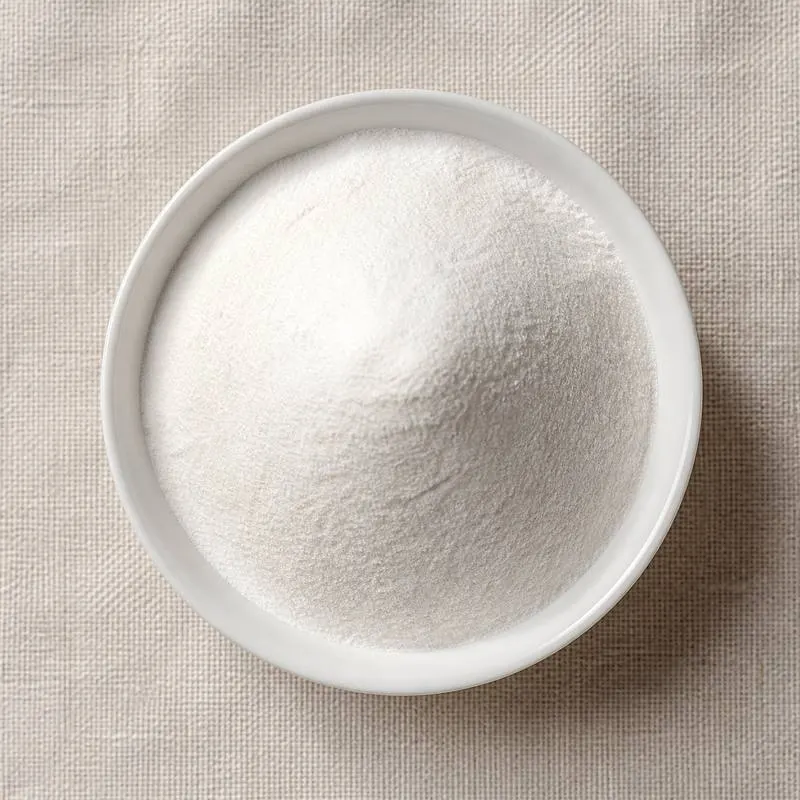
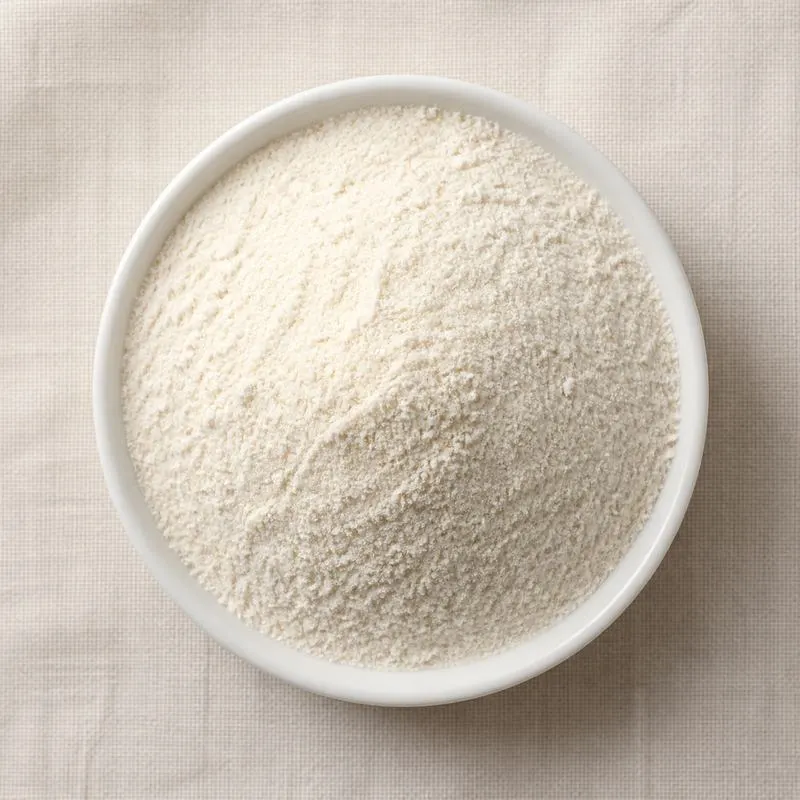
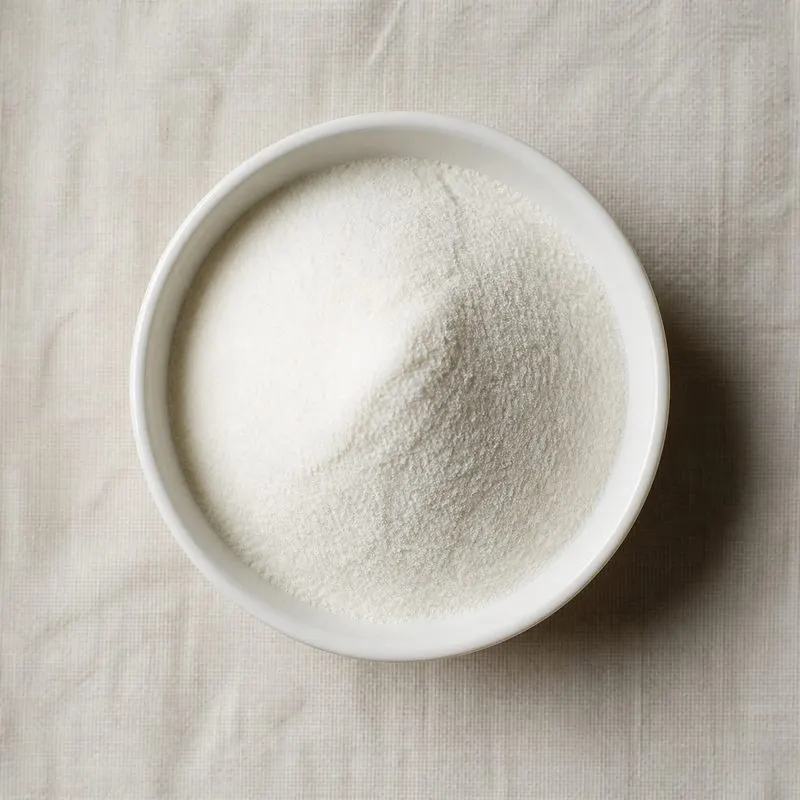
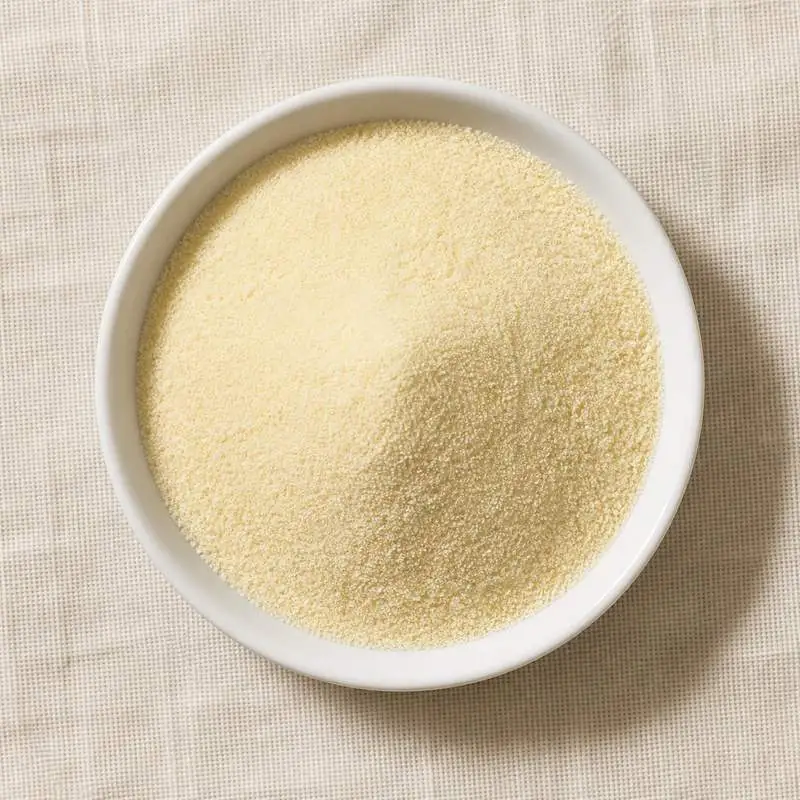
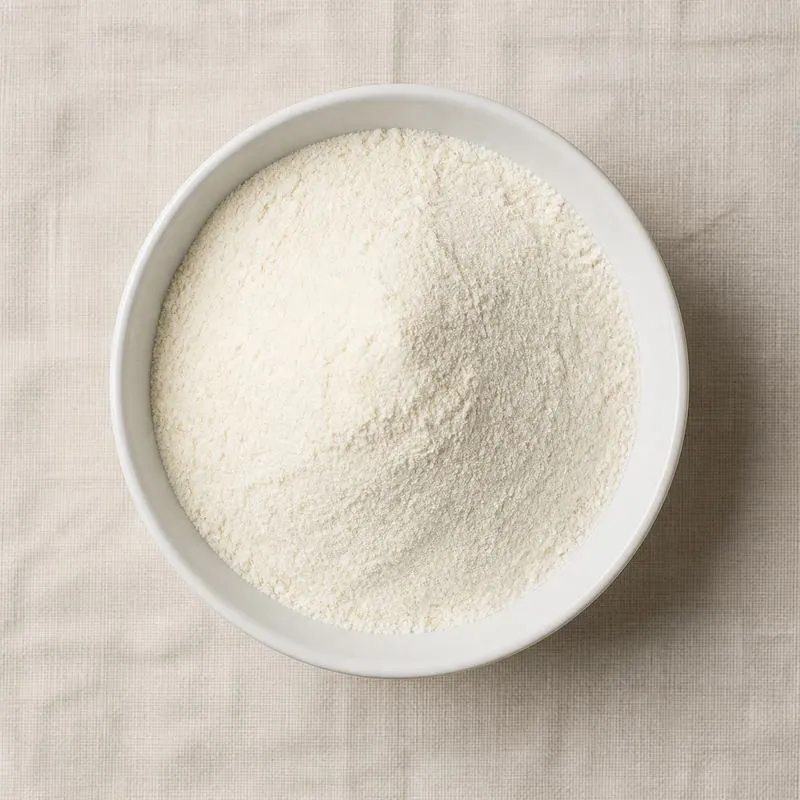
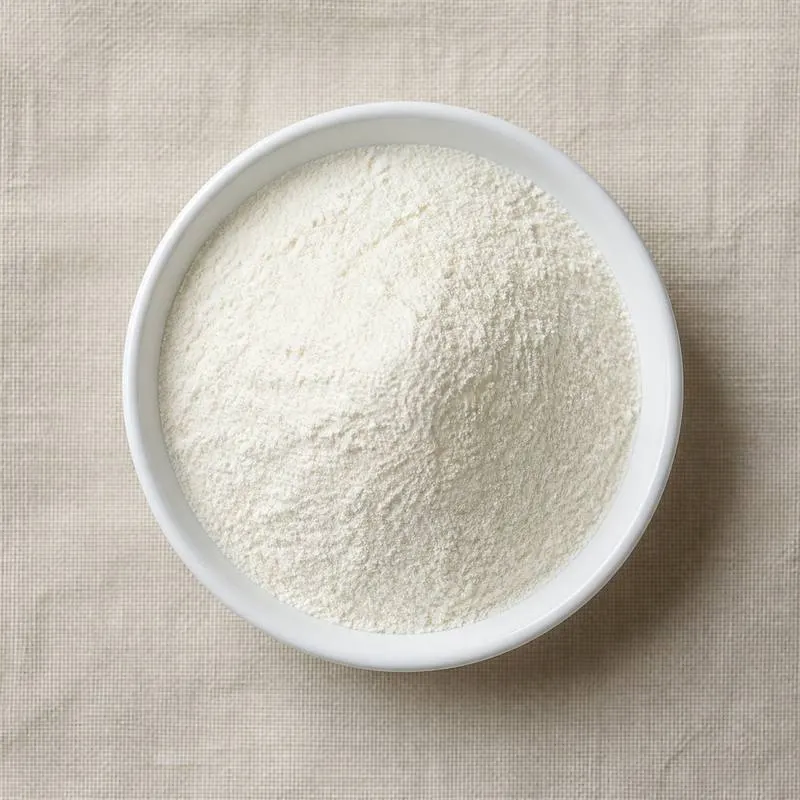
The finished product is a pale yellow to light tan powder with a mild nutty character. It disperses in cold water without lumping and dissolves to a slightly hazy solution of low to moderate viscosity. Because the peptide chains are longer than in an oligopeptide grade, the material still forms and stabilises emulsions and foams to a useful degree, while remaining heat stable enough to survive pasteurisation and short retort cycles without coagulating.
We source bulk Walnut Protein Peptide from top China manufacturers for our partners. The manufacturer is in Hubei. A smaller requirement can ship in a combined container with other ingredients.
Please send the grade you need, the volume and your destination port, and we will come back with a solution and a price.
or call +86-21-6858 0751
- Function
- Protein
Specifications
| Item | Specification |
|---|---|
| Appearance | Pale yellow to light tan powder |
| Odour and Taste | Mild nutty character, free from rancid notes |
| Protein (dry basis) | ≥ 85.0% |
| Degree of Hydrolysis | 8.0 to 15.0% |
| Identification | Conforms by amino acid profile and molecular weight distribution |
| Solubility (1% in water, pH 7) | ≥ 95% |
| Loss on Drying | ≤ 7.0% |
| Ash | ≤ 6.0% |
| Fat | ≤ 1.5% |
| pH (1% solution) | 6.0 to 7.5 |
| Particle Size | ≥ 95% through 80 mesh |
| Lead | ≤ 0.5 mg/kg |
| Arsenic | ≤ 0.5 mg/kg |
| Aflatoxin B1 | ≤ 2 µg/kg |
| Total Plate Count | ≤ 10,000 cfu/g |
| Yeast and Mould | ≤ 100 cfu/g |
| Escherichia coli | Negative in 1 g |
| Salmonella | Negative in 25 g |
Common Markets Grades
Grades are set by degree of hydrolysis and by assay. A lightly hydrolysed functional grade retains a higher average molecular weight and is chosen where emulsifying and foaming behaviour matter; a more extensively hydrolysed nutritional grade is cut further and shades into the oligopeptide category. Protein content is commonly specified at 80 to 90 percent on a dry basis, with the molecular weight distribution reported as a separate line.
Physical options are a standard spray dried powder sieved to 80 mesh, an instantised agglomerated grade for cold water dispersion in sachets, and a carbon treated deodorised grade that is paler and closer to neutral in flavour. Organic certified material is available where the walnut crop is certified. Walnut is a tree nut, so allergen segregated production, cleaning validation and a declaration on the certificate are standard trade requirements.
Applications
- Plant based protein powders and shakes, where solubility across the pH range prevents sedimentation in the cup
- Walnut and mixed nut milks, added to raise protein content and to help stabilise the emulsion
- Non dairy creamers and whipped toppings, using the residual emulsifying and foaming behaviour of the longer peptides
- Nutrition and meal replacement blends for vegan and dairy free positioning
- Bakery products, where the peptide binds water and contributes crust colour through Maillard reaction
- Nutrition bars, where the hydrolysed protein limits the hardening seen with intact protein over shelf life
- Soups, sauces and savoury bases, contributing body and a mild nutty background
- Capsules and tablets sold on the amino acid profile
- Convalescent and elderly nutrition, as a readily digested plant protein source
China Manufacturers of Walnut Protein Peptide
Top Walnut Protein Peptide manufacturers in China.

Company names and logos are the property of the manufacturers themselves. They are listed here because our own directory records them as producing this ingredient. A listing is not an endorsement by them, and we do not represent them or speak on their behalf.
Regulatory Status
In the United States, walnut kernel is a food and a hydrolysate prepared from its defatted meal with food grade enzymes is treated as a food ingredient rather than as an additive, resting on the GRAS position held for the specific preparation and on the enzymes being cleared for use in food processing. Walnut is a tree nut and therefore a major food allergen requiring declaration under the federal allergen labelling law, and processing lines must be managed accordingly.
In the European Union, walnut protein hydrolysate is a food ingredient rather than an additive, so no E number applies. Nuts, including walnut, are listed among the allergens that must be emphasised in the ingredient list. Whether a given preparation falls within the novel food regulation depends on its degree of processing and intended use relative to consumption in the Union before May 1997, and the position should be established for the specific product before it is placed on the market. Enzymes used in the process are covered by the EU food enzyme framework. JECFA has issued no specification monograph for plant protein hydrolysates of this type.
Manufacturing Process
Cleaned walnut kernels, deskinned where a pale product is required, are pressed to recover the oil, and the press cake is solvent extracted to a low residual oil level or used directly from cold pressing where an organic claim is carried. Desolventising is run at a controlled temperature, since excessive heat crosslinks the protein and lowers the yield of the later enzyme step, and the dried cake is milled to a protein enriched flour.
The flour is dispersed in water and hydrolysed with a food grade endoprotease at its optimum pH and temperature. Unlike the oligopeptide route, the reaction is stopped at a moderate degree of hydrolysis, usually between 8 and 15 percent, so that peptide chains long enough to retain surface activity survive. The enzyme is inactivated by a short heat treatment, and fibre and undissolved residue are removed by decanter centrifuge and microfiltration. The clarified liquor is passed over activated carbon for colour and flavour, concentrated under vacuum, pasteurised and spray dried. Powder leaving the tower is fluid bed cooled, optionally agglomerated for instant dispersion, sieved and packed.