Wild Jujube Seed and Poria Cocos Complex
Wild jujube seed and Poria cocos complex is a compounded botanical ingredient combining an extract of the seed of Ziziphus jujuba var. spinosa, known in Chinese herbal trade as suan zao ren, with an extract of the sclerotium of Wolfiporia extensa, the fungus long catalogued as Poria cocos and traded as fu ling. The pairing follows a classical formula combination rather than being a modern invention, and it reaches the buyer as a single blended powder at a fixed ratio.
The two components contribute different chemistry. Wild jujube seed carries the dammarane saponins jujuboside A and B and the flavone C-glycoside spinosin, which are the markers the seed extract is standardised on. Poria sclerotium carries pachyman and other beta-glucans together with the lanostane triterpenes pachymic acid and eburicoic acid. A specification therefore states markers from both halves and the blend ratio.
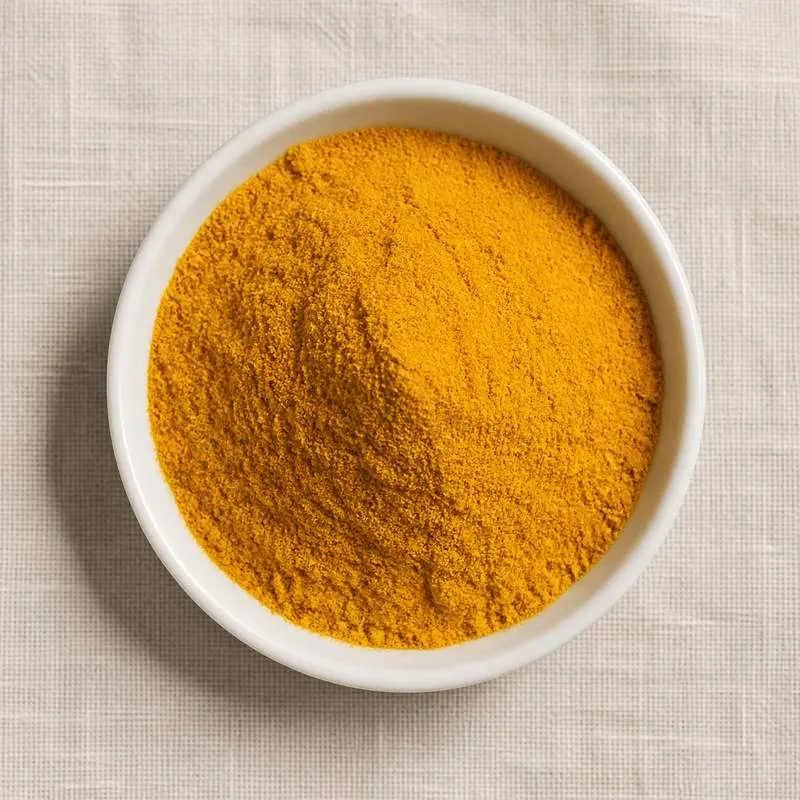
The commercial product is a light brown to brown fine powder, mildly bitter, partly soluble in water with the glucan fraction dispersing rather than dissolving. It is used as a supplement ingredient positioned on sleep quality and calm rather than as a technological food additive. The powder is hygroscopic and cakes if exposed to humidity, so it is packed under a moisture barrier.
We source bulk Wild Jujube Seed and Poria Cocos Complex from top China manufacturers for our partners. The manufacturer is in Shaanxi. A smaller requirement can ship in a combined container with other ingredients.
Please send the grade you need, the volume and your destination port, and we will come back with a solution and a price.
or call +86-21-6858 0751
- Function
- Plant extract
Specifications
| Item | Specification |
|---|---|
| Appearance | Light brown to brown fine powder |
| Odour and Taste | Faint characteristic herbal, mildly bitter |
| Blend Ratio | Jujube seed extract to Poria extract 2:1 |
| Total Jujubosides (HPLC) | ≥ 2.0% |
| Poria Polysaccharides | ≥ 10.0% |
| Identification | Both components conform by HPLC against reference materials |
| Loss on Drying | ≤ 6.0% |
| Total Ash | ≤ 8.0% |
| Acid Insoluble Ash | ≤ 2.0% |
| Particle Size | 100% through 80 mesh |
| Residual Ethanol | ≤ 0.5% |
| Lead | ≤ 2.0 mg/kg |
| Arsenic | ≤ 1.0 mg/kg |
| Cadmium | ≤ 1.0 mg/kg |
| Total Plate Count | ≤ 10,000 cfu/g |
| Yeast and Mould | ≤ 100 cfu/g |
| E. coli | Negative |
| Salmonella | Absent in 25 g |
Common Markets Grades
The blend ratio and the standardisation of each component define the grades. Common ratios run from one part jujube seed extract to one part Poria extract through to three to one, and the ratio is stated because it sets which chemistry dominates. The jujube seed half is typically standardised on total jujubosides at 2 to 10 percent, or on spinosin at a fraction of a percent, while the Poria half is standardised on total polysaccharides at 10 to 50 percent or on total triterpenes at a few percent.
Simple ratio blends at 10:1 without markers are traded for traditional preparations and cost sensitive formulations. Physical forms cover spray dried powder at 80 mesh, granulated material for capsule and stick pack filling, and liquid concentrate. Botanical identity matters more than usual here because Ziziphus spinosa seed is commonly adulterated with the cheaper seed of Ziziphus mauritiana and Poria with unrelated fungal material, so buyers ask for HPLC or DNA identification of each component rather than relying on the blend certificate alone.
Applications
- Sleep support supplements in capsule, tablet and stick pack form, the principal outlet for the combination
- Calm and stress formulations, combined with theanine, magnesium and GABA
- Traditional Chinese herbal preparations and decoction granules built on the classical pairing
- Herbal teas and instant granule products in Asian markets
- Functional beverages and evening drinks positioned on relaxation
- Functional confectionery including jellies and gummies in the sleep category
- Multi-botanical wellness formulas aimed at older consumers
- Powder blends for ready to mix wellness drinks
China Manufacturers of Wild Jujube Seed and Poria Cocos Complex
Top Wild Jujube Seed and Poria Cocos Complex manufacturers in China.

Company names and logos are the property of the manufacturers themselves. They are listed here because our own directory records them as producing this ingredient. A listing is not an endorsement by them, and we do not represent them or speak on their behalf.
Regulatory Status
In the United States both components are sold as dietary ingredients under the Dietary Supplement Health and Education Act, on the basis of a history of use of Ziziphus seed and Poria sclerotium in supplements, and the blend is treated as a combination of those ingredients rather than as a new substance. Neither has a food additive regulation, a colour additive listing or an entry among substances generally recognised as safe for general food use, so use in conventional food would require a GRAS conclusion for the specific preparation. Claims are confined to structure and function statements, and any claim to treat insomnia would move a product into the drug category.
In the European Union the blend carries no E number because it is not an additive. Neither Ziziphus spinosa seed nor Wolfiporia extensa has an established record of significant consumption in the Union before May 1997, so both fall within the scope of Regulation 2015/2283 on novel foods, and market access depends on authorisation for each preparation rather than on the blend as a whole. Treatment varies between member states under their national botanical lists. Codex has no standard covering either material, and the Joint FAO WHO Expert Committee has not evaluated them.
Manufacturing Process
The two components are made separately and blended at the end. Wild jujube seeds are cleaned, shelled, lightly roasted in the traditional preparation, milled and extracted in counter current flow with aqueous ethanol at 60 to 80 degrees Celsius, since the saponins and flavone glycosides are poorly soluble in water alone. Poria sclerotium is sliced, dried, milled and extracted with hot water for the polysaccharide fraction, often after a cellulase pre-treatment that opens the fungal cell wall, with a separate ethanol stage run on the spent solids where the triterpene fraction is also wanted.
Each liquor is separated on a decanter centrifuge and clarified by plate and membrane filtration. The jujube extract is passed over a macroporous adsorption resin that binds the saponins while sugars and salts pass to waste, then eluted with aqueous ethanol and the solvent recovered under vacuum. The Poria polysaccharide stream is concentrated and, for higher assay grades, precipitated with food grade ethanol and redissolved. Both concentrates are dried separately, assayed by HPLC against their own markers, then blended dry in a ribbon or double cone blender to the specified ratio, with blend uniformity verified by assaying samples from several points in the batch. The finished blend is sieved, metal checked and packed under a moisture barrier.