3-Phenylpropionic Acid
3-Phenylpropionic acid, also called hydrocinnamic acid, is the saturated analogue of cinnamic acid: a benzene ring joined to a propanoic acid chain through two methylene groups. Removing the double bond of cinnamic acid removes its sharpness, and what remains is a soft, sweet, balsamic material with honey, rose and floral facets and a faint animalic depth.
It occurs naturally in a range of foods, notably in honey, in cocoa and in fermented products, where it arises from microbial reduction of cinnamic acid. In flavour work it is used less for its own odour than for the roundness it gives to a flavour blend, since it fills the space between a fruit top note and a sweet base without introducing a defined character of its own. It is also an intermediate: its methyl, ethyl and other esters are themselves widely used aroma chemicals with fruitier profiles.
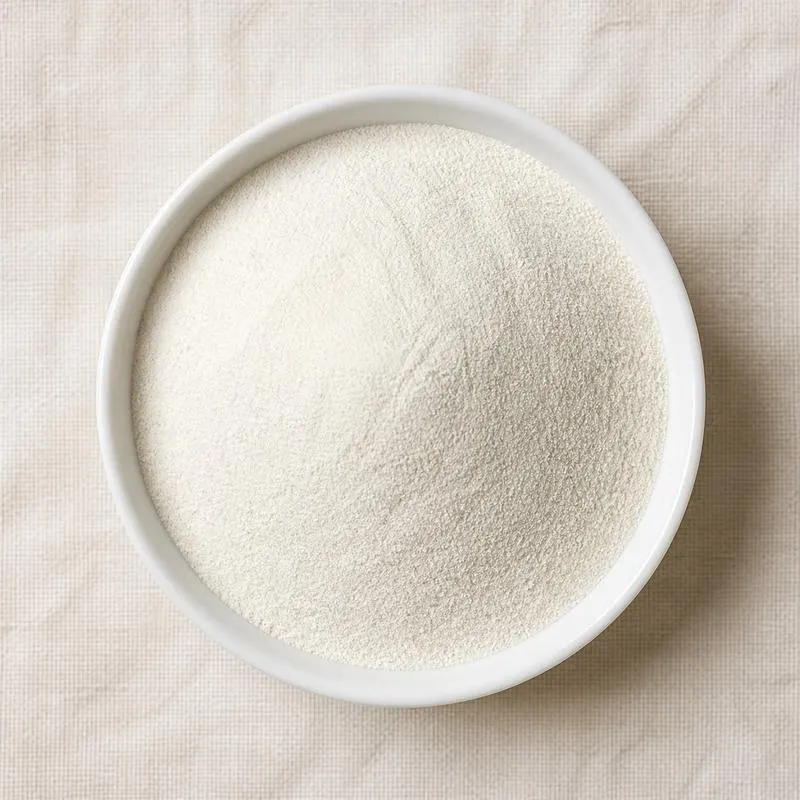
The material is a white crystalline solid melting just below fifty degrees, so it turns to liquid in a warm store. It is only slightly soluble in cold water and freely soluble in ethanol, ether and warm water, and it is chemically stable, non oxidising and easy to handle compared with the aldehydes and thiols used alongside it.
We source bulk 3-Phenylpropionic Acid from top China manufacturers for our partners. The manufacturer is in Hubei. A smaller requirement can ship in a combined container with other ingredients.
Please send the grade you need, the volume and your destination port, and we will come back with a solution and a price.
or call +86-21-6858 0751
- Function
- Flavours and Aromas
Specifications
| Item | Specification |
|---|---|
| Appearance | White to off white crystalline powder or flake |
| Odour | Sweet, balsamic, honey and rose like |
| Assay by Gas Chromatography | Not less than 99.0% |
| Cinnamic Acid | Not more than 0.5% |
| Other Related Substances | Not more than 0.5% total |
| Melting Range | 46 C to 50 C |
| Acid Value | 370 to 378 mg KOH per g |
| Loss on Drying | Not more than 0.5% |
| Residue on Ignition | Not more than 0.1% |
| Solubility | Clear solution in three volumes of 70% ethanol |
| Heavy Metals as Lead | Not more than 10 mg/kg |
| Lead | Not more than 1.0 mg/kg |
| Arsenic | Not more than 0.5 mg/kg |
Common Markets Grades
The compound is traded principally as a flavour and fragrance grade at ninety nine percent or better, specified on assay, on melting range and on residual cinnamic acid, since incomplete hydrogenation leaves the unsaturated precursor behind and shifts the odour toward the sharper cinnamic direction. Buyers take the material as a crystalline powder, as flakes, or as a molten liquid in heated containers when volumes are large.
A technical or synthesis grade is also traded, at a similar assay but with looser control of colour and odour, and is bought by manufacturers making esters or pharmaceutical intermediates where the smell of the input does not matter. There is no natural grade in general commerce, although material recovered from fermentation is offered in small volume where a natural declaration is needed.
Applications
- Honey flavours, where it is a genuine natural constituent and supplies the characteristic sweet balsamic depth
- Fruit flavours such as strawberry, apricot and plum, rounding the profile without adding a defined note
- Cocoa, coffee and nut flavours, contributing body to roasted profiles
- Wine, rum and brandy flavours, reproducing a compound formed during fermentation and ageing
- Fragrance compounding, as a soft balsamic and floral background material
- Manufacture of methyl, ethyl and other phenylpropionate esters, which are fruitier aroma chemicals in their own right
- Tobacco flavouring, where it sweetens and rounds the smoke profile
- Pharmaceutical and fine chemical synthesis as a building block, using the technical grade
China Manufacturers of 3-Phenylpropionic Acid
Top 3-Phenylpropionic Acid manufacturers in China.
Company names and logos are the property of the manufacturers themselves. They are listed here because our own directory records them as producing this ingredient. A listing is not an endorsement by them, and we do not represent them or speak on their behalf.
Regulatory Status
3-Phenylpropionic acid is an established flavouring substance in the major markets. In the United States it holds FEMA GRAS status, and the Food and Drug Administration lists it among the synthetic flavouring substances and adjuvants permitted for use in food. In the European Union it appears on the Union list of authorised flavouring substances with its own FLAVIS number, which is the clearance that applies to food use, and no E number applies because flavourings sit outside the food additive framework.
JECFA has evaluated the substance within its group assessment of cinnamyl alcohol and related substances and raised no safety concern at the levels at which it is used as a flavouring. Material sold into perfumery is additionally covered by the fragrance industry standards for cosmetic ingredients, and material sold for chemical synthesis falls outside food law entirely and is handled under general chemical regulation.
Manufacturing Process
The commercial route is catalytic hydrogenation of cinnamic acid. Cinnamic acid itself is made by condensation of benzaldehyde with acetic anhydride under a basic catalyst, or by carbonylation of styrene, and is a large volume product in its own right. It is dissolved in water with alkali or in an alcohol solvent, charged to a stirred autoclave with a palladium on carbon or Raney nickel catalyst, and hydrogenated under moderate pressure and temperature until hydrogen uptake stops.
The catalyst is filtered off and recovered for reuse, and where the reaction was run as the alkali salt the solution is acidified so that the free acid precipitates. The crude solid is separated, washed with water to remove salts, and purified by recrystallisation from water or from an alcohol and water mixture, with vacuum distillation used instead where a very low colour is needed. The purified material is dried under vacuum below its melting point, flaked or milled, and packed in lined drums or bags, or melted and filled into heated containers.