Cinnamyl Alcohol
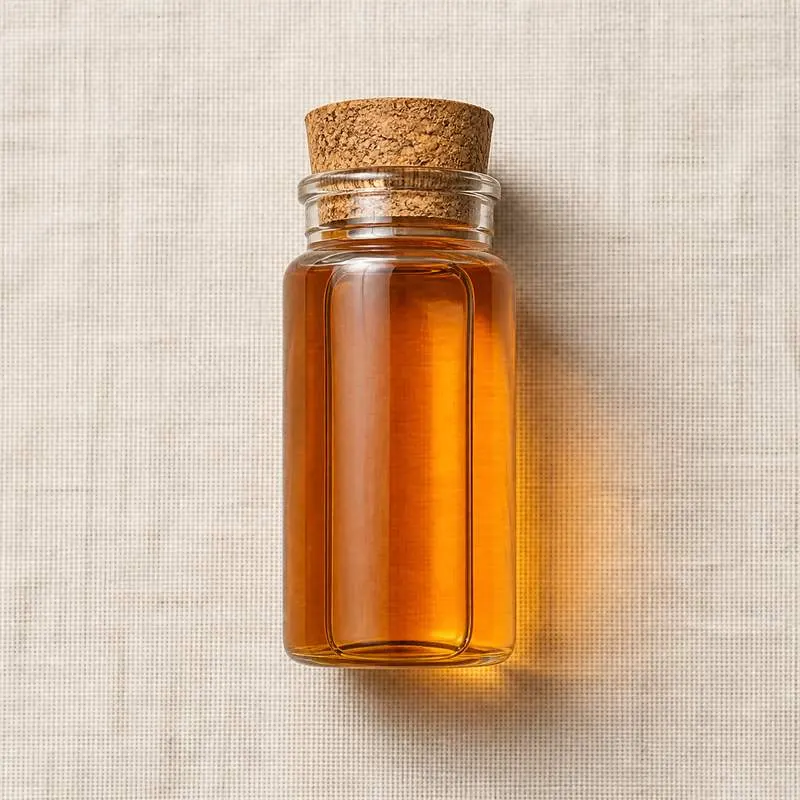
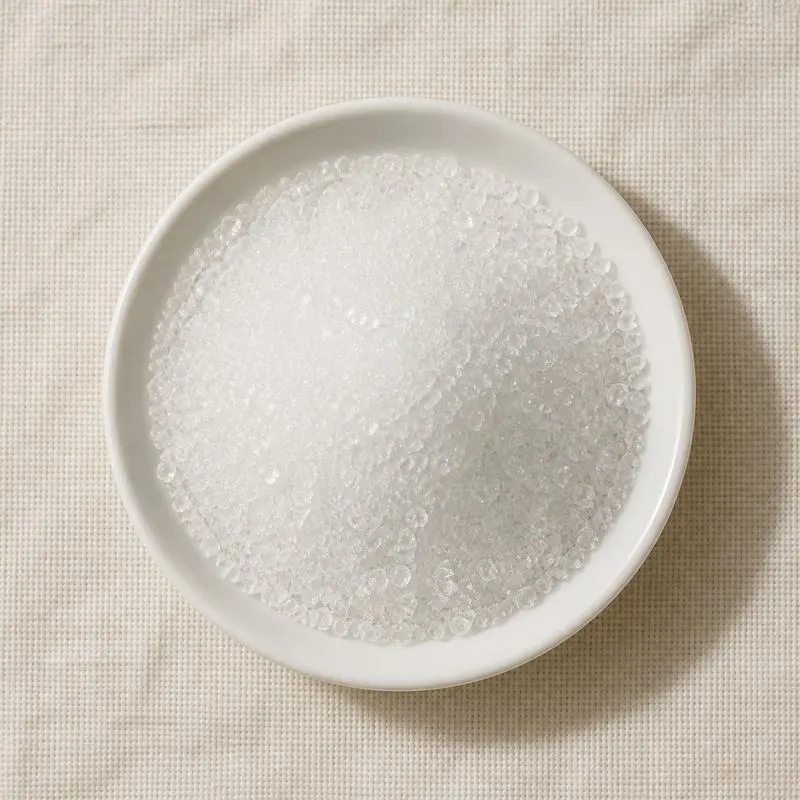
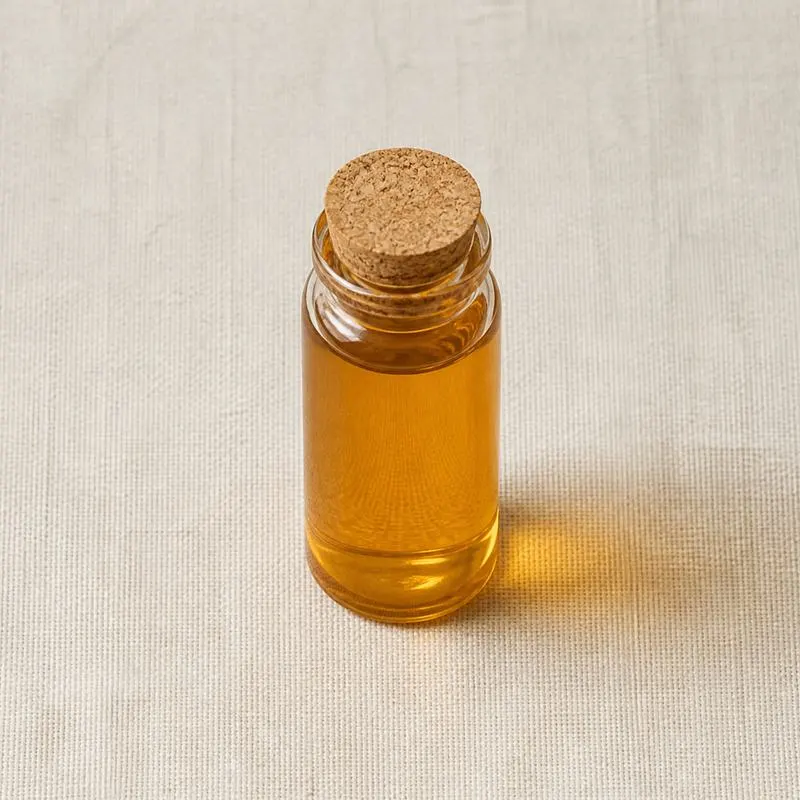
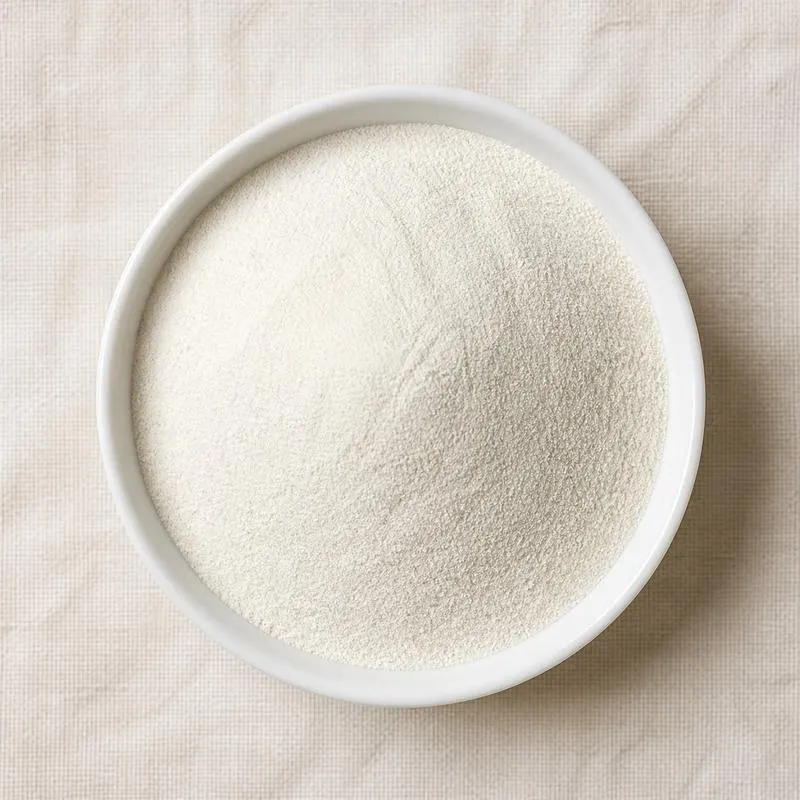
Cinnamyl Alcohol is a soft, sweet, hyacinth-floral aromatic alcohol that crystallises into colourless to pale-yellow needles at room temperature.
The molecule has the formula C₉H₁₀O and occurs naturally in styrax balsam, Peru balsam, and the essential oils of hyacinth and cassia, where it contributes the warm balsamic floral lift behind the spice.
We source bulk Cinnamyl Alcohol from top China manufacturers for our partners. The manufacturers are in Hubei. A smaller requirement can ship in a combined container with other ingredients.
Please send the grade you need, the volume and your destination port, and we will come back with a solution and a price.
or call +86-21-6858 0751
- Packaging
- 250 kg plastic drum or 1,000 kg IBC tote
- ISO 9001
- HACCP
- Halal
- Kosher
Specifications
| Item | Specification |
|---|---|
| Appearance | Colourless to pale yellow crystals or viscous liquid |
| Odour | Sweet balsamic hyacinth-floral odour |
| Assay (GC) | ≥ 98.0% |
| Melting Point | 30 - 34°C |
| Boiling Point | 250 - 258°C |
| Specific Gravity (35°C) | 1.040 - 1.050 |
| Refractive Index (35°C) | 1.578 - 1.584 |
| Cinnamaldehyde | ≤ 0.5% |
| Acid Value | ≤ 1.0 mg KOH/g |
| Water (Karl Fischer) | ≤ 0.5% |
| Solubility | Soluble in 2 volumes of 60% ethanol at 20°C |
| Heavy Metals (as Pb) | ≤ 10 mg/kg |
| Arsenic (as As) | ≤ 3 mg/kg |
Common Markets Grades
Cinnamyl Alcohol ships as crystalline flakes or as a warmed melt.
The standard flavour and fragrance grade is 98 to 99 percent assay (FCC, FEMA 2294) with controlled levels of cinnamaldehyde and cinnamic acid as residual oxidation markers.
A high-purity grade at 99.5 percent or higher is produced for fine fragrance and oral-care work where any aldehyde drift would distort the floral character.
A natural grade obtained by saponification of styrene balsam fractions, or by bioreduction of natural cinnamaldehyde, is produced separately for clean-label flavour applications.
Technical-grade material at 95 percent serves as an intermediate for cinnamyl ester synthesis and downstream perfumery chemistry.
Applications
- Fine fragrance compounding in floral, oriental, and balsamic accords, with strong affinity for hyacinth, lilac, and lily reconstructions
- Functional perfumery for soaps, shampoos, fabric softeners, and household cleaners as a long-lasting floral base
- Fixative for sweet and powdery accords thanks to its low volatility and tenacity on skin and fabric
- Flavour compounding in cinnamon, cherry, grape, and tropical-fruit profiles at low dosage
- Chewing gum, baked goods, and confectionery as a softening modifier for harsh cinnamic top notes
- Starting material for the synthesis of cinnamyl acetate, cinnamyl cinnamate, and cinnamyl benzoate
- Hair-care formulations for warm, classical floral profiles
- Aromatic precursor in heterocyclic and pharmaceutical chemistry
- Component of traditional incense and styrax-inspired ritual blends
- Co-solvent and odour carrier in essential-oil reconstitution work
Brands Using Cinnamyl Alcohol
Widely-distributed consumer products that list Cinnamyl Alcohol on the ingredient label.
- NIVEANIVEA Creme 400ml ↗INCI list includes 'Cinnamyl Alcohol' (also lists Limonene, Geraniol, Linalool, Citronellol as EU fragrance allergens)Label verified 2026-05-24
- NIVEANIVEA Creme 50ml ↗INCI list includes 'Cinnamyl Alcohol' alongside Eucerit (Lanolin Alcohol) baseLabel verified 2026-05-24
Brand names, product names and logos are the property of their owners. They appear here as published evidence that the ingredient is used, taken from the brand's own label or website. Their appearance is not an endorsement, and it does not mean the brand buys from us or from any manufacturer listed on this site.
China Manufacturers of Cinnamyl Alcohol
Top Cinnamyl Alcohol manufacturers in China.
 Wuhan Landmark Aromatic Co., Ltd.10 ingredients in the directory
- Zaoyang Cixiang Pharmtech Co., Ltd.10 ingredients in the directory
Company names and logos are the property of the manufacturers themselves. They are listed here because our own directory records them as producing this ingredient. A listing is not an endorsement by them, and we do not represent them or speak on their behalf.
How We Help Source Cinnamyl Alcohol
Direct Factory Sourcing
We run the whole process: selecting the manufacturer from the top Chinese food ingredient producers, negotiating the price, verifying quality, and coordinating the logistics. You deal with us instead of with several factories at once.
Original Packaging and Documents from the Manufacturer
The manufacturer sends your Cinnamyl Alcohol out of its own factory in the original packing, through to your destination port. The COA, COO, MSDS, TDS and any certifications reach you from the manufacturer as well.
Free Samples and Lead Time
We send 100 to 500 g free for your own laboratory to test and you cover only the courier, usually within 2 to 3 working days. ETD is usually within 7 to 15 days once the order is confirmed, and we check that date against the factory's own manufacturing schedule before we give it to you.
Combined Shipment
We can load Cinnamyl Alcohol together with other ingredients such as Capsicum Oleoresin, Ethyl Maltol and White Pepper into one 20' FCL. If your quantity is small, we can also ship LCL.
Regulatory Status
Cinnamyl Alcohol is approved as a flavouring substance and fragrance ingredient worldwide.
In the United States it is FEMA 2294 and recognised as GRAS by FEMA. The FDA lists it under 21 CFR 172.515 as a synthetic flavouring substance permitted for direct addition to food for human consumption.
In the European Union it appears on the Union list of flavouring substances with FL number 02.017. JECFA has evaluated the compound in the group of cinnamyl derivatives and cleared it for flavour use.
The substance is on the EU Cosmetics Regulation list of fragrance allergens that must be declared above 0.001 percent in leave-on and 0.01 percent in rinse-off products.
It is registered under REACH, listed on TSCA, and carries Halal and Kosher certificates from most suppliers.
Manufacturing Process
The dominant industrial route is catalytic hydrogenation of cinnamaldehyde over a selective metal catalyst. Platinum, ruthenium, or modified iron systems are tuned to reduce only the aldehyde group while preserving the styrene double bond, which is the key selectivity challenge of the reaction.
An alternative synthetic route is the Meerwein-Ponndorf-Verley reduction of cinnamaldehyde with aluminium isopropoxide, which gives clean selectivity but is more capital intensive.
Natural-source supply is recovered by saponification of cinnamyl cinnamate from styrax (Liquidambar orientalis) and Peru balsam (Myroxylon balsamum). The free alcohol is then washed, vacuum distilled, and crystallised to specification.
A growing share of natural-labelled material is produced by whole-cell biocatalytic reduction of cinnamaldehyde using engineered yeast or alcohol dehydrogenase enzymes.