Cinnamic Acid
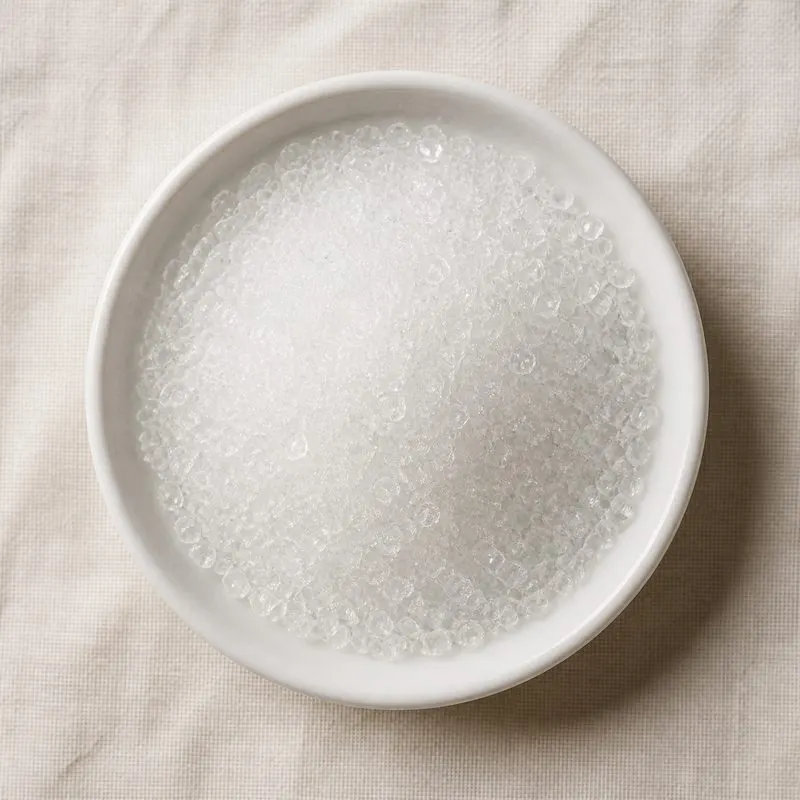
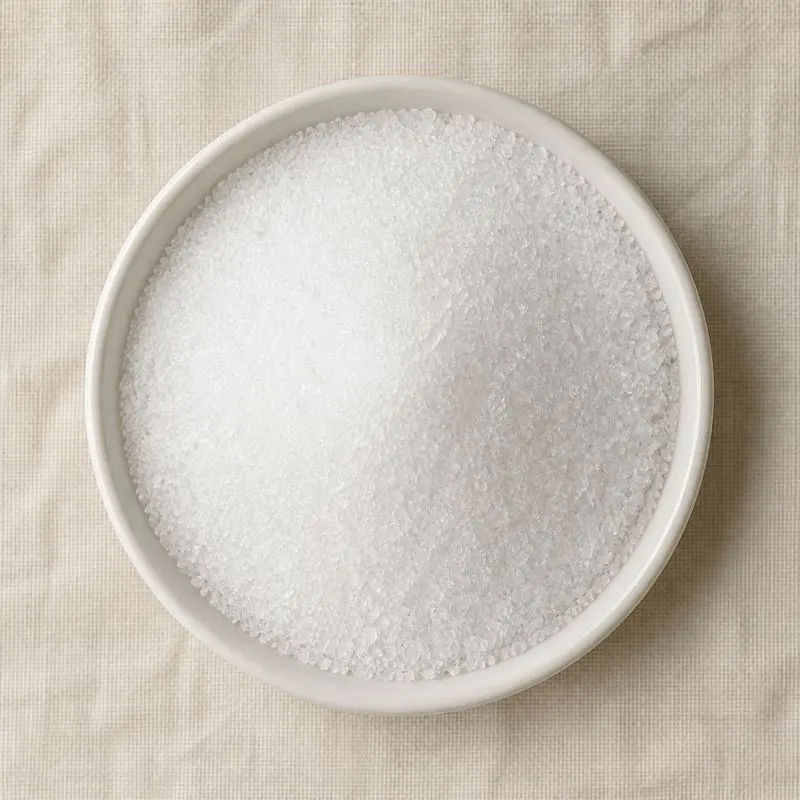
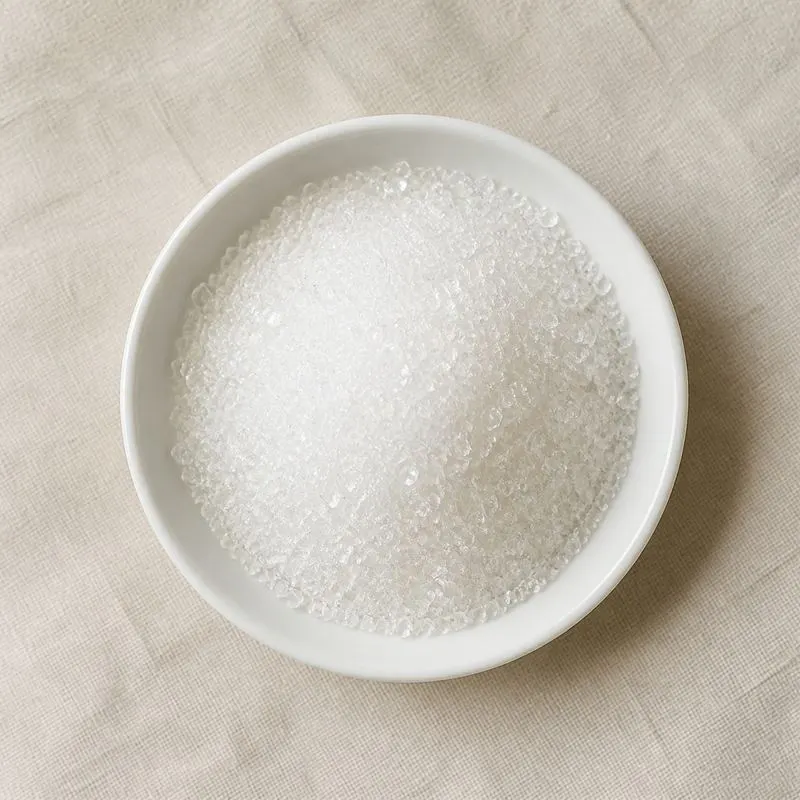
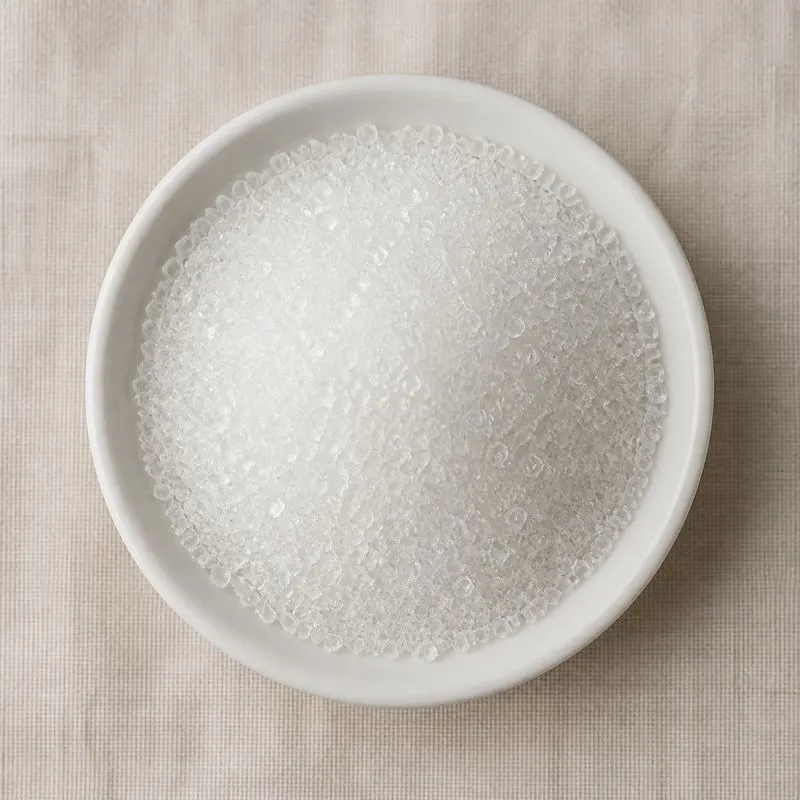
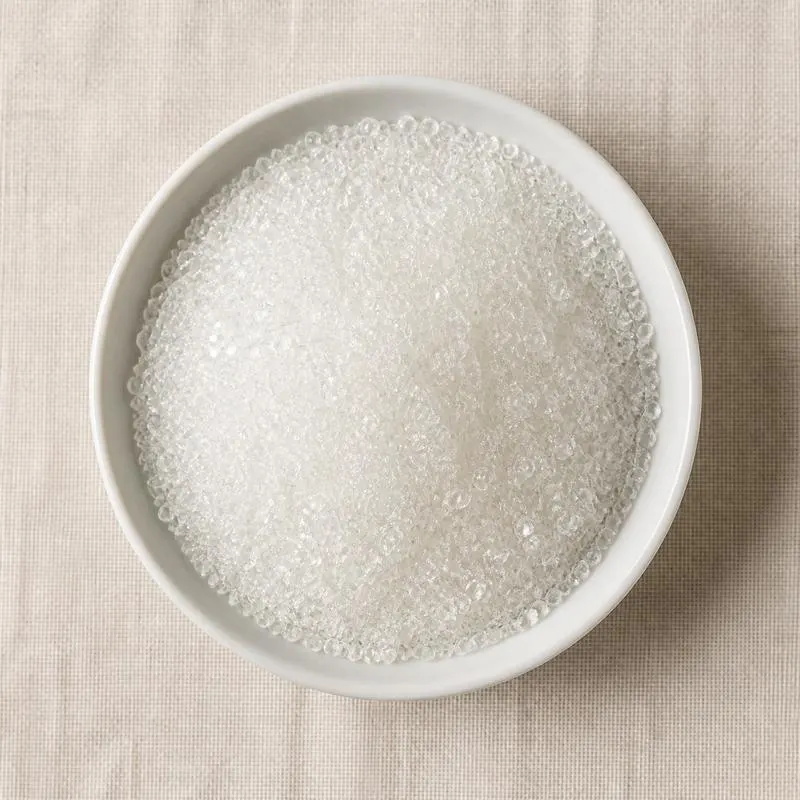
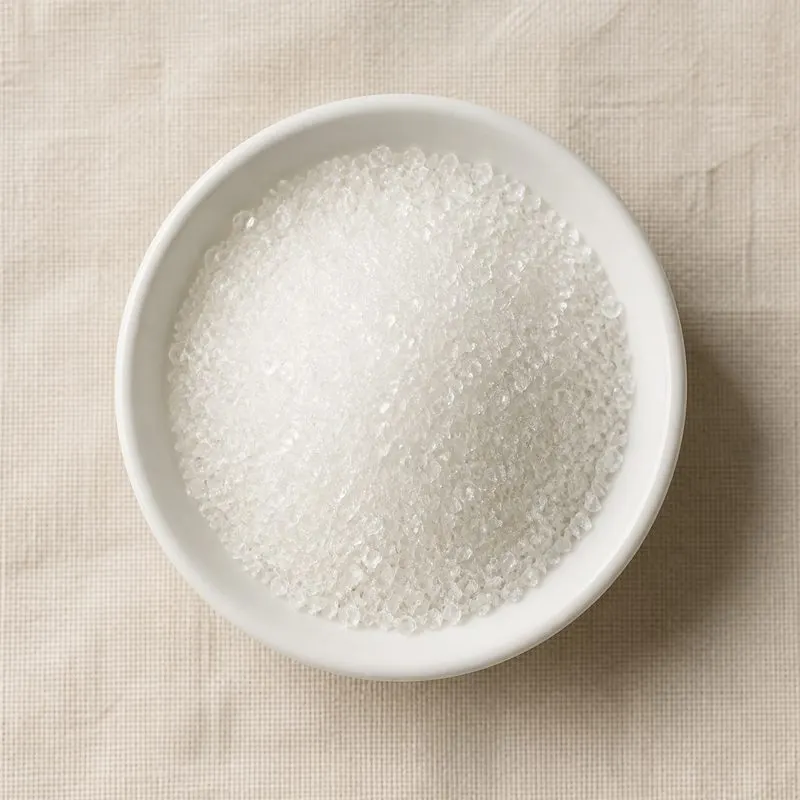
Cinnamic Acid is an aromatic α,β-unsaturated carboxylic acid with the molecular formula C₉H₈O₂, consisting of a phenyl ring attached to acrylic acid through a trans-configured vinyl bond. The commercial product is almost exclusively the trans (E) isomer, which appears as a white to slightly yellow crystalline solid with a faint, sweet, balsamic-honey odour.
Its dual functionality (aromatic ring plus conjugated acid) makes it a versatile intermediate for flavour esters, fragrance bases, UV filters, and pharmaceutical actives.
We source bulk Cinnamic Acid from top China manufacturers for our partners, working with several of them. The manufacturers are in Hubei and Henan. A smaller requirement can ship in a combined container with other ingredients.
Please send the grade you need, the volume and your destination port, and we will come back with a solution and a price.
or call +86-21-6858 0751
- Packaging
- 25 kg kraft paper bag with PE inner liner
- ISO 9001
- HACCP
- Halal
- Kosher
Specifications
| Item | Specification |
|---|---|
| Appearance | White to slightly yellow crystalline powder |
| Odour | Faint sweet balsamic honey odour |
| Assay (GC, trans-cinnamic acid) | ≥ 99.0% |
| Melting Range | 132 - 135°C |
| Acid Value | 374 - 382 mg KOH/g |
| Loss on Drying (105°C, 2 h) | ≤ 0.50% |
| Residue on Ignition | ≤ 0.10% |
| Chloride | ≤ 0.05% |
| Colour of Solution (10% in ethanol) | Clear, not darker than reference |
| Solubility | Freely soluble in ethanol, slightly soluble in water |
| Residual Solvent (Toluene) | ≤ 890 mg/kg |
| Heavy Metals (as Pb) | ≤ 10 mg/kg |
| Arsenic (as As) | ≤ 2 mg/kg |
Common Markets Grades
Cinnamic Acid is graded by isomer identity and assay rather than by application label.
The dominant commercial form is trans-cinnamic acid at 99.0 percent minimum assay, sold as a free-flowing white crystalline powder. This grade serves flavour, fragrance, and chemical-intermediate uses and conforms to the Food Chemicals Codex monograph where applicable.
A finer 99.5 percent or higher grade, often re-crystallised from ethanol or toluene-water, is used for fragrance compounding and as starting material for pharmaceutical synthesis. Colour and melting-point specifications (133 to 135 °C) are tightened in this tier.
The cis (Z) isomer is not produced at commercial scale and is encountered mainly as an analytical reference standard or a photochemical by-product. Pharmacopoeial reference material is listed in the European Pharmacopoeia and the Japanese Pharmacopoeia for use as an identification standard in herbal-medicine monographs that quote cinnamon-derived constituents.
Applications
- Flavour ester precursor: methyl cinnamate, ethyl cinnamate, and benzyl cinnamate for fruity and balsamic flavour systems
- Fragrance base note in oriental, balsamic, and gourmand perfumery compositions
- Sunscreen intermediate, including the synthesis of octyl methoxycinnamate (octinoxate) UV-B filter
- Starting material for the production of L-phenylalanine via phenylalanine ammonia-lyase biocatalysis
- Intermediate in the synthesis of cinnarizine, flunarizine, and related calcium-channel blockers
- Sweetener precursor in synthetic routes to aspartame via L-phenylalanine
- Reference standard for HPLC analysis of cinnamon bark, balsam of Peru, and propolis
- Polymer chemistry: photocrosslinkable poly(vinyl cinnamate) coatings and printing plates
- Antimicrobial additive in cosmetic and topical pharmaceutical formulations
- Synthesis of cinnamyl alcohol and cinnamaldehyde via selective reduction or back-conversion
- Plant biostimulant and phytohormone-research reagent
- Laboratory reagent for Perkin condensation teaching and methodology development
Brands Using Cinnamic Acid
Widely-distributed consumer products that list Cinnamic Acid on the ingredient label.
- LancomeRenergie Lift Multi-Action SPF 15 Daily Firming Cream ↗Lancome product page lists Cinnamic Acid in the inactive ingredients of the SPF 15 day cream.Label verified 2026-05-24
- Christophe RobinAnti-Frizz Rescue Milk with Shea Butter ↗Brand product page lists Cinnamic Acid as a perfuming component in the formula.Label verified 2026-05-24
- GarnierSkinActive Skin Renew Anti-Aging BB Cream (Light/Medium) ↗Garnier Canada product page lists Cinnamic Acid among the UV-protection / perfuming components.Label verified 2026-05-24
- Le Petit MarseillaisSavon Extra Doux a la Vanille (Vanilla Extra Gentle Soap) ↗Brand product page lists Cinnamic Acid in the INCI ingredient list (alongside Sodium Levulinate, Levulinic Acid in the preservation system).Label verified 2026-05-24
Brand names, product names and logos are the property of their owners. They appear here as published evidence that the ingredient is used, taken from the brand's own label or website. Their appearance is not an endorsement, and it does not mean the brand buys from us or from any manufacturer listed on this site.
China Manufacturers of Cinnamic Acid
Top Cinnamic Acid manufacturers in China.
 Henan Weichuang Bio-tech Co., Ltd.12 ingredients in the directory
 Wuhan Landmark Aromatic Co., Ltd.10 ingredients in the directory
- Zaoyang Cixiang Pharmtech Co., Ltd.10 ingredients in the directory
Company names and logos are the property of the manufacturers themselves. They are listed here because our own directory records them as producing this ingredient. A listing is not an endorsement by them, and we do not represent them or speak on their behalf.
How We Help Source Cinnamic Acid
Direct Factory Sourcing
We run the whole process: selecting the manufacturer from the top Chinese food ingredient producers, negotiating the price, verifying quality, and coordinating the logistics. You deal with us instead of with several factories at once.
Original Packaging and Documents from the Manufacturer
The manufacturer sends your Cinnamic Acid out of its own factory in the original packing, through to your destination port. The COA, COO, MSDS, TDS and any certifications reach you from the manufacturer as well.
Free Samples and Lead Time
We send 100 to 500 g free for your own laboratory to test and you cover only the courier, usually within 2 to 3 working days. ETD is usually within 7 to 15 days once the order is confirmed, and we check that date against the factory's own manufacturing schedule before we give it to you.
Combined Shipment
We can load Cinnamic Acid together with other ingredients such as Calcium Acetate, Citric Acid and Glucono-Delta-Lactone into one 20' FCL. If your quantity is small, we can also ship LCL.
Regulatory Status
Cinnamic Acid is broadly accepted as a flavouring substance in major regulated markets.
In the United States, 21 CFR 172.515 lists it as a synthetic flavouring substance and adjuvant permitted for direct addition to food. FEMA has assigned it FEMA number 2288 and recognises it as GRAS for flavour use at typical levels.
In the European Union it is included in the Union list of authorised flavourings under Regulation (EC) 1334/2008 with FL number 08.022. EFSA has evaluated cinnamic acid and its related esters within FGE.205 and FGE.206 and raised no safety concern at current levels of dietary exposure.
Japan recognises cinnamic acid as a permitted flavouring substance under the Food Sanitation Act, and it is also listed as a quasi-drug component for certain topical applications under the Pharmaceutical Affairs Law.
The substance carries a monograph in the European Pharmacopoeia and the Japanese Pharmacopoeia as a reference material. It is on the IFRA permitted-materials list for fragrance use, subject to standard dermal-sensitization good-practice guidance for the broader cinnamate family.
Manufacturing Process
Most commercial cinnamic acid is produced by chemical synthesis rather than extraction.
The classical Perkin reaction condenses benzaldehyde with acetic anhydride in the presence of an alkali metal salt of acetic acid (typically sodium or potassium acetate) at 150 to 180 °C. The crude product is hydrolysed, acidified, washed, and re-crystallised from hot water or aqueous ethanol to give trans-cinnamic acid in 60 to 75 percent isolated yield.
A more modern route is the Knoevenagel-Doebner condensation of benzaldehyde with malonic acid in pyridine with a piperidine catalyst at 80 to 100 °C. Decarboxylation occurs in situ to give the trans-cinnamic acid directly, in higher yield and with cleaner stereoselectivity than the Perkin route. This process has displaced the Perkin route in most modern plants.
Small volumes are isolated from cinnamon bark oil, storax balsam, and balsam of Peru by alkaline hydrolysis of their cinnamate esters followed by acidification and crystallisation. Material from this route can be sold as natural cinnamic acid for flavour and fragrance uses where source labelling matters.