Adenosine Disodium Triphosphate
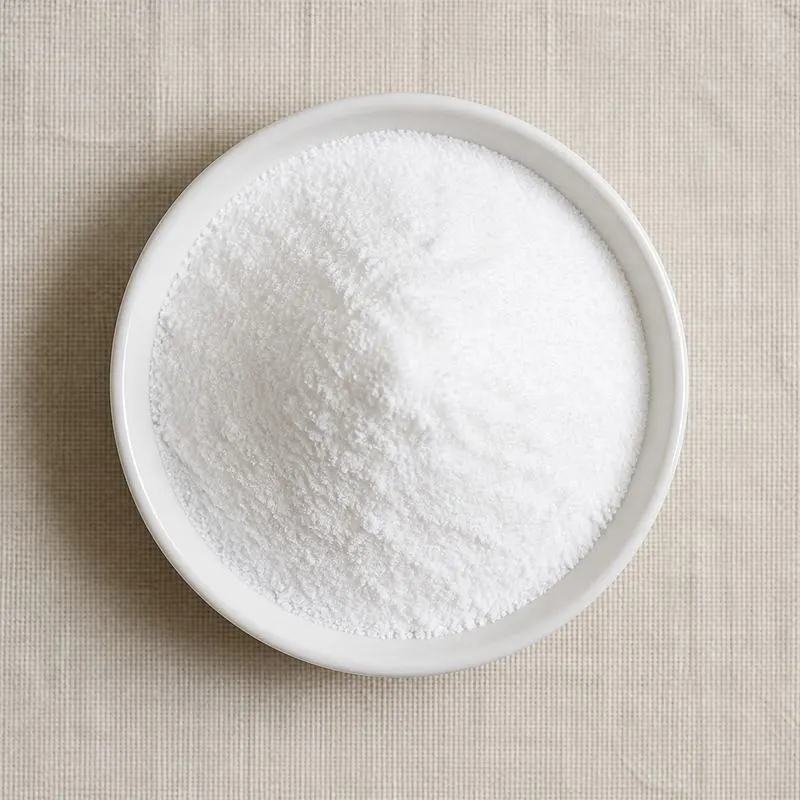
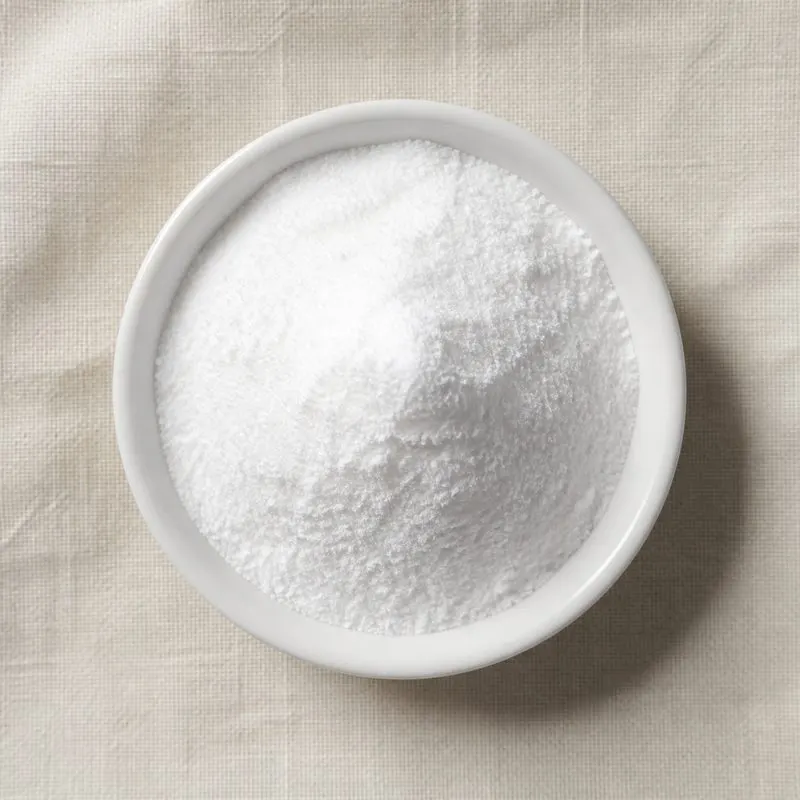
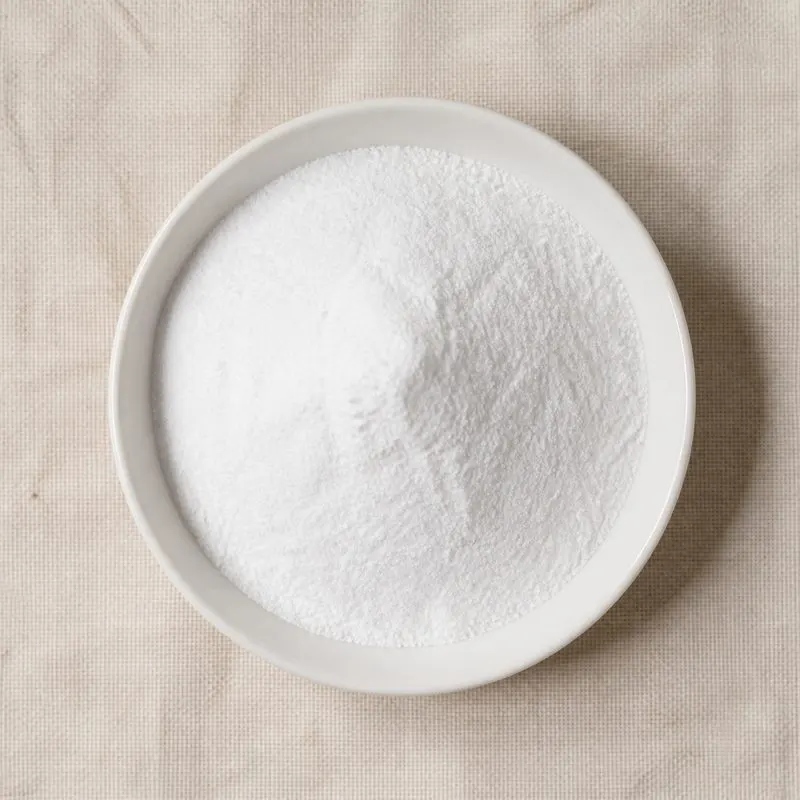
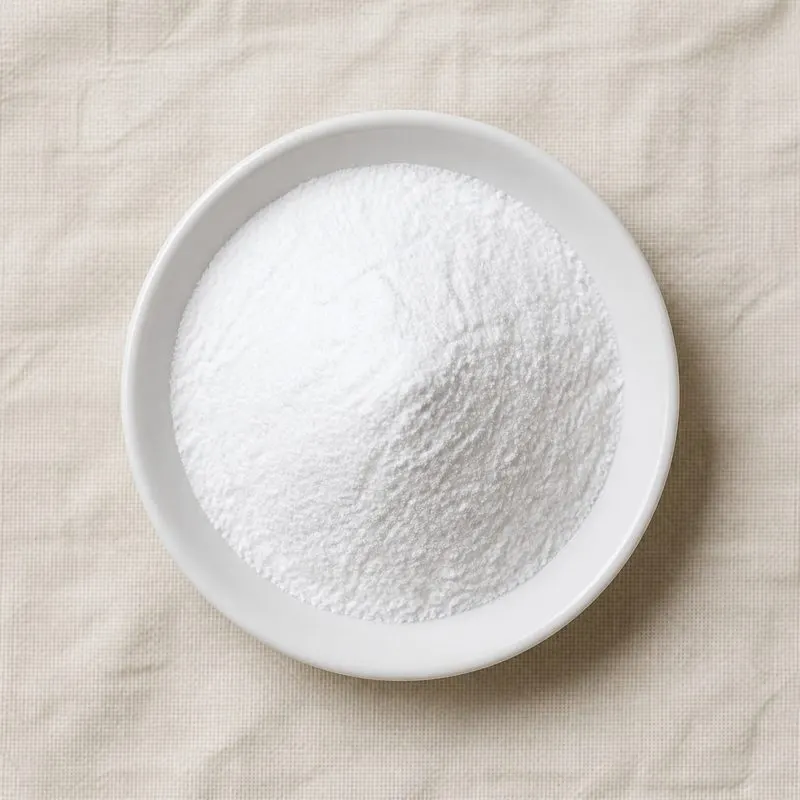
Adenosine disodium triphosphate is the disodium salt of adenosine 5-triphosphate, the nucleotide that carries chemical energy in living cells, sold as a purified crystalline powder for nutritional, pharmaceutical and biochemical use.
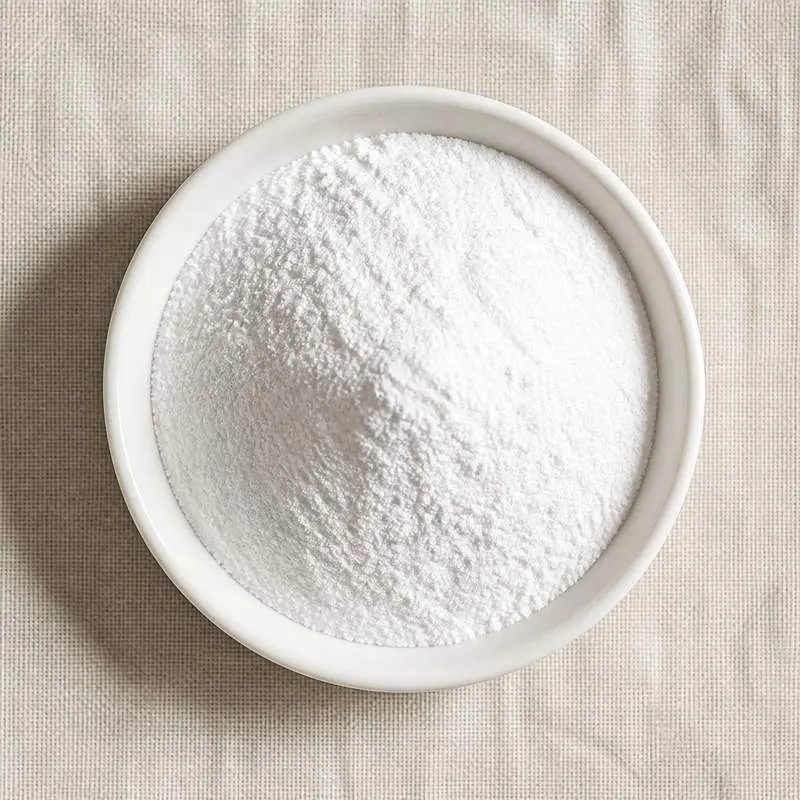
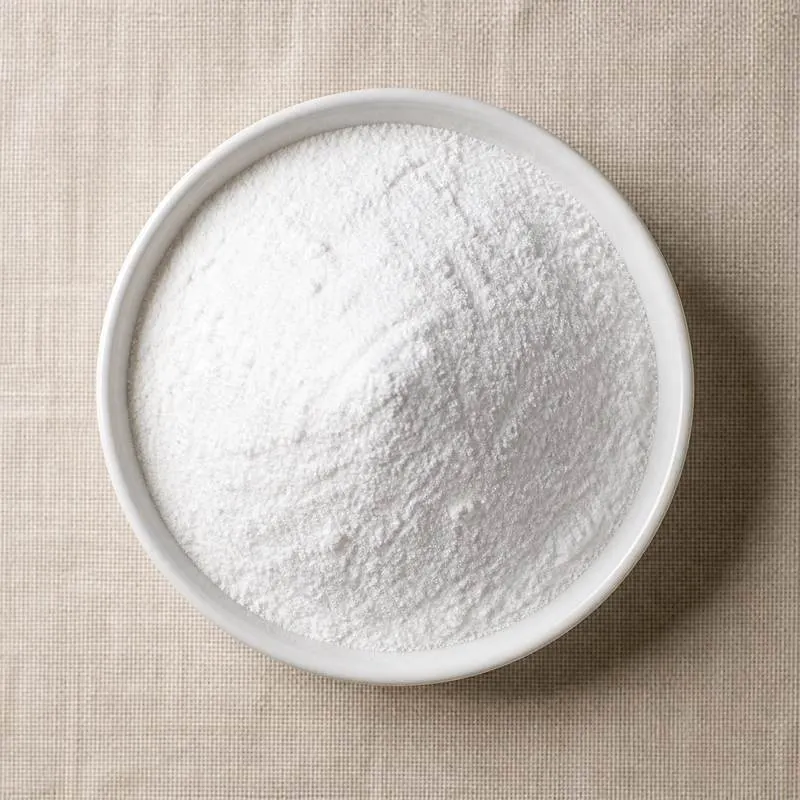
The molecule consists of the purine base adenine linked to ribose, which in turn carries a chain of three phosphate groups; the two terminal phosphoanhydride bonds are what store and release energy in metabolism. As the disodium salt it is a white to almost white crystalline powder or granule, usually isolated as a hydrate, freely soluble in water and practically insoluble in ethanol and other organic solvents. Aqueous solutions are acidic and are unstable, since the triphosphate chain hydrolyses progressively to the diphosphate and monophosphate on heating or at extremes of pH.
Its relevance to meat chemistry is direct rather than as an additive. Adenosine triphosphate present in muscle at slaughter is consumed during the conversion of muscle to meat, and its depletion is what sets rigor mortis and determines water holding capacity; its breakdown product inosine monophosphate is the nucleotide responsible for much of the savoury taste of aged meat. The purified salt is nonetheless a hygroscopic, heat sensitive material and is stored cold and dry in sealed containers.
We source bulk Adenosine Disodium Triphosphate from top China manufacturers for our partners. The manufacturer is in Anhui. A smaller requirement can ship in a combined container with other ingredients.
Please send the grade you need, the volume and your destination port, and we will come back with a solution and a price.
or call +86-21-6858 0751
- Function
- Meat-processing aid
Specifications
| Item | Specification |
|---|---|
| Appearance | White to almost white crystalline powder |
| Identification | Conforms by infrared spectrum and by ultraviolet absorption maximum near 259 nm |
| Assay by high performance liquid chromatography | 98.0 to 101.0% on the anhydrous basis |
| Adenosine diphosphate and monophosphate | Not more than 1.0% each |
| pH of 1% aqueous solution | 2.5 to 4.0 |
| Water content by Karl Fischer | 7.0 to 12.0% |
| Free orthophosphate | Not more than 0.5% |
| Residue on ignition | Not more than 0.3% on the anhydrous basis |
| Residual ethanol | Not more than 0.5% |
| Heavy metals as lead | Not more than 10 mg/kg |
| Lead | Not more than 1.0 mg/kg |
| Arsenic | Not more than 1.0 mg/kg |
| Total plate count | Not more than 1000 cfu/g |
| Escherichia coli | Absent in 1 g |
Common Markets Grades
Two grades dominate. Pharmaceutical grade is made to a pharmacopoeial monograph, assays at ninety eight to one hundred and one percent on the anhydrous basis, and controls related nucleotides, free phosphate, bacterial endotoxin and residual solvents tightly enough for parenteral use. Nutritional or supplement grade is held to a similar assay but with less demanding endotoxin and particulate requirements, and is the form used in tablets, capsules and sports nutrition powders.
Beyond purity, the material is distinguished by hydration state, by particle size, and by whether it is sold as a fine powder for solution or granulated for direct compression. The salt is normally isolated as a hydrate, and its water content is specified as a range rather than a fixed figure. Research and diagnostic grades of very high purity, sold in small quantities for enzyme assay work, complete the range.
Applications
- Dietary supplements and sports nutrition products marketed on muscle energy and exercise performance
- Pharmaceutical preparations, where it has a long established use in injectable and oral formulations
- Cell culture and fermentation media, as an energy source and phosphate donor
- Enzyme assay reagents and molecular biology kits, in which it is the substrate for kinases, ligases and polymerases
- Hygiene monitoring swabs and luminometry, where the luciferase reaction with adenosine triphosphate measures surface contamination
- Cosmetic formulations claiming a cellular energy or skin vitality benefit
- Meat science and quality research, as an analytical standard for nucleotide degradation and freshness indices
- Veterinary preparations and animal nutrition premixes in markets where such use is permitted
China Manufacturers of Adenosine Disodium Triphosphate
Top Adenosine Disodium Triphosphate manufacturers in China.

Company names and logos are the property of the manufacturers themselves. They are listed here because our own directory records them as producing this ingredient. A listing is not an endorsement by them, and we do not represent them or speak on their behalf.
Regulatory Status
In the United States adenosine triphosphate disodium is not an approved food additive and is not the subject of a generally recognised as safe listing for general food use. It is marketed as a dietary ingredient in supplements under the Dietary Supplement Health and Education Act, and specific manufacturers have filed new dietary ingredient notifications and generally recognised as safe conclusions for defined forms and use levels, so status should be confirmed against the particular material rather than assumed. It also has a long history of use in pharmaceutical preparations, which are regulated as drugs rather than as foods.
In the European Union the substance carries no E number and is not an authorised food additive under Regulation (EC) No 1333/2008. Use in food supplements is governed by the food supplements directive and by national rules on permitted substances, which differ between member states, and a form without a significant history of consumption in the Union before May 1997 would fall under the novel food regulation and require authorisation. It is used as a pharmaceutical active substance in several member states. No Codex commodity standard applies, and the Joint FAO WHO Expert Committee on Food Additives has not established a specification for it as a food additive.
Manufacturing Process
The commercial route begins with adenosine or adenosine monophosphate. Adenosine is obtained either by fermentation, in which a selected Bacillus or Corynebacterium strain is grown on glucose in a fed batch fermenter and excretes the nucleoside into the broth, or by enzymatic hydrolysis of ribonucleic acid recovered from yeast biomass. The broth or hydrolysate is clarified by centrifugation and membrane filtration, and the nucleoside is captured on an ion exchange or adsorbent resin and crystallised.
Phosphorylation to the triphosphate follows. The industrial route is enzymatic, using kinases with a phosphate donor such as acetyl phosphate or polyphosphate in a regenerating system so that the reaction is driven to the triphosphate rather than stopping at the mono or diphosphate; chemical phosphorylation with phosphorus oxychloride followed by controlled condensation is also practised. The reaction mixture is then purified on ion exchange resin, which separates the triphosphate from the residual mono and diphosphate on the basis of charge. The eluate is desalted, adjusted with sodium hydroxide to the disodium salt, concentrated under vacuum at low temperature and crystallised by the addition of ethanol. The crystals are filtered, washed, dried under vacuum at low temperature to preserve the fragile phosphate chain, milled, sieved and packed in sealed foil laminate under nitrogen.