Aloe Vera Whole Leaf
Aloe vera whole leaf material is made by grinding the entire leaf of Aloe barbadensis Miller, rind and inner gel together, rather than filleting out the clear parenchyma. Because the rind and the layer beneath it carry the bitter yellow latex, the resulting juice contains aloin and other hydroxyanthracene derivatives, and the defining step of the process is their removal by activated carbon treatment, which is why the trade article is called decolourised whole leaf.
The composition differs from inner leaf gel in two ways. Whole leaf juice carries a higher solids load and more rind-derived material, giving more colour and a stronger flavour, and it is cheaper per litre of finished juice because the whole leaf is used and yields are higher. Set against that, the carbon treatment that removes aloin also adsorbs part of the acetylated polysaccharide, so a whole leaf product typically assays lower on acemannan than an equivalent inner leaf product.
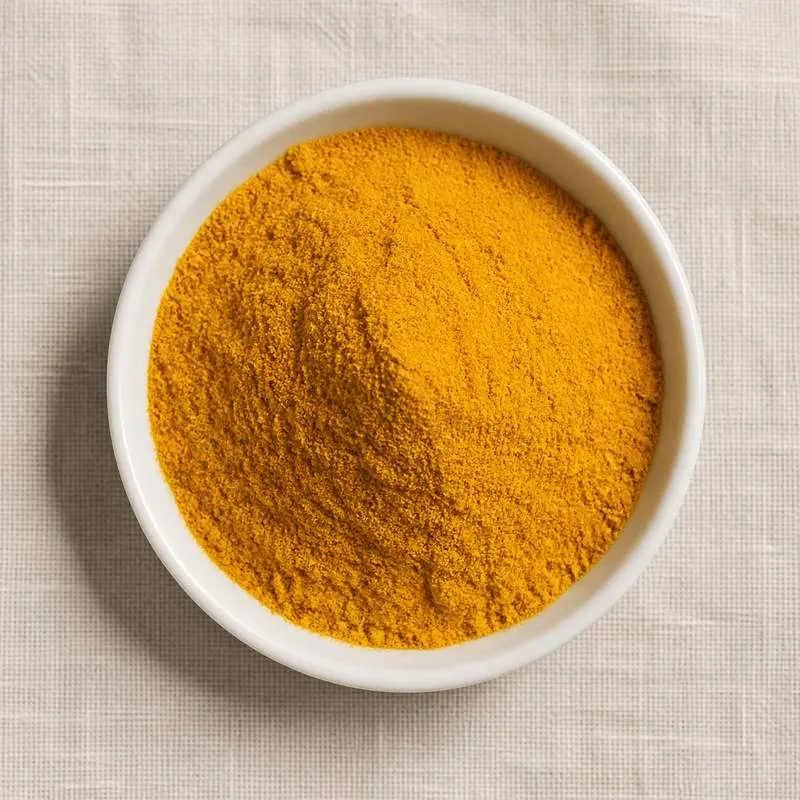
The liquid is a pale yellow to amber solution, near neutral to mildly acidic, and the powder is light tan and hygroscopic. Undecolourised whole leaf material is a different and largely restricted article, and the aloin figure is the specification that separates the two.
We source bulk Aloe Vera Whole Leaf from top China manufacturers for our partners. The manufacturer is in Zhejiang. A smaller requirement can ship in a combined container with other ingredients.
Please send the grade you need, the volume and your destination port, and we will come back with a solution and a price.
or call +86-21-6858 0751
- Function
- Plant extract
Specifications
| Item | Specification |
|---|---|
| Appearance | Pale yellow to amber liquid or light tan powder |
| Botanical source | Whole leaf of Aloe barbadensis Miller, decolourised |
| Total solids (single strength) | 0.50 percent minimum |
| Total polysaccharide | 5.0 percent minimum on dry solids |
| Identification | Chromatographic profile conforms to aloe whole leaf reference |
| Aloin A plus aloin B | 1.0 mg/kg maximum |
| Aloe-emodin | Not detected |
| pH | 3.5 to 4.7 |
| Total ash on dry solids | 28.0 percent maximum |
| Loss on drying (powder) | 7.0 percent maximum |
| Lead | 1.0 mg/kg maximum |
| Arsenic | 1.0 mg/kg maximum |
| Total plate count | 1000 cfu/g maximum |
| Salmonella | Absent in 25 g |
Common Markets Grades
The primary grades are single strength decolourised juice, concentrates at 10, 40 and 200 fold, and spray-dried powder quoted at 100 or 200 fold equivalence, usually on maltodextrin. Beyond concentration, two figures define a lot: aloin content and polysaccharide content. Aloin for the decolourised trade standard is held below 10 mg/kg and is often specified below 1 mg/kg for European destinations, while polysaccharide content indicates how much of the functional fraction survived the carbon treatment.
Buyers should be explicit that they are purchasing decolourised material, since undecolourised whole leaf juice is also produced and its regulatory position is quite different. Certification under the International Aloe Science Council programme is commonly required, both because it confirms decolourisation and because dilution with maltodextrin and with water is documented in this trade. Preserved and unpreserved liquids are offered, filtered and unfiltered versions are traded, and organic certified lots are widely available.
Applications
- Aloe vera drinks and juice blends, where the lower cost of whole leaf material suits high volume beverage production
- Digestive and gut comfort supplements in liquid and capsule form
- Skin care lotions, gels and after-sun products
- Hair and scalp treatments as a humectant and conditioning agent
- Instant drink powders and sachets using the spray-dried grade
- Oral care products including mouth rinses
- Dietary supplement blends where aloe is one of several botanical inputs
- Cosmetic bases and toners where a low-cost aloe solids source is needed
- Animal and pet care products
Brands Using Aloe Vera Whole Leaf
Widely-distributed consumer products that list Aloe Vera Whole Leaf on the ingredient label.
- Lily of the DesertWhole Leaf Aloe Vera Juice ↗A drinkable aloe juice made from 99.7 percent certified organic whole leaf aloe vera with no added water.Label verified 2026-08-31
- Lily of the DesertPreservative Free Whole Leaf Aloe Vera Juice ↗A preservative free version of the same whole leaf aloe vera juice, sold refrigerated.Label verified 2026-08-31
Brand names, product names and logos are the property of their owners. They appear here as published evidence that the ingredient is used, taken from the brand's own label or website. Their appearance is not an endorsement, and it does not mean the brand buys from us or from any manufacturer listed on this site.
China Manufacturers of Aloe Vera Whole Leaf
Top Aloe Vera Whole Leaf manufacturers in China.

Company names and logos are the property of the manufacturers themselves. They are listed here because our own directory records them as producing this ingredient. A listing is not an endorsement by them, and we do not represent them or speak on their behalf.
Regulatory Status
In the United States decolourised aloe vera whole leaf juice is used in beverages and supplements, and aloe vera is listed among the natural flavouring substances. The regulatory distinction that matters for this article is aloin content: the FDA removed aloe latex from over-the-counter laxative products for want of submitted safety data, and animal studies have assessed undecolourised whole leaf material for carcinogenicity. The trade therefore operates on decolourised material, and the carbon treatment is a compliance step rather than a refinement. Labelling should reflect whether the product is whole leaf or inner leaf, since consumers and regulators treat these as different.
In the European Union preparations from Aloe species containing hydroxyanthracene derivatives, including aloin and aloe-emodin, are prohibited for use in food, which puts undecolourised whole leaf material outside the food market entirely and makes documented aloin absence a requirement for the decolourised article. There is no E number. Cosmetic use is governed by the cosmetic products regulation, which restricts hydroxyanthracene-containing aloe preparations in cosmetics as well. Codex has not adopted a standard for aloe preparations; the general provisions on contaminants and hygiene apply.
Manufacturing Process
Harvested leaves are washed and sanitised and then, unlike the inner leaf route, are ground whole without filleting, which is what raises the yield and also what brings the latex into the juice. The ground leaf is pressed or decanted and screened to remove fibre, and it is normally treated with cellulase to break down the rind cell wall material that would otherwise make the juice thick and difficult to filter.
The decolourisation step follows and is the heart of the process. The juice is contacted with activated carbon, either in a stirred batch or by passing it through a carbon column, and held long enough for the carbon to adsorb aloin, aloe-emodin and the coloured phenolics from the rind. Contact time and carbon dose are balanced against polysaccharide loss, since carbon takes some of the acemannan with the aloin. The treated juice is filtered to remove carbon fines, checked by chromatography for residual aloin, then flash pasteurised, concentrated by membrane or low-temperature vacuum evaporation, and either preserved and filled as liquid or spray dried onto maltodextrin at a controlled outlet temperature. Powder is sieved and packed in moisture barrier material.