American Ginseng
American ginseng is the root of Panax quinquefolius, a woodland perennial native to eastern North America and now cultivated on a large scale in Wisconsin, Ontario and British Columbia, with substantial production also in China. It is a true Panax species and contains ginsenosides, which distinguishes it from eleuthero, but its ginsenoside profile is not the same as that of Asian ginseng.
The compositional difference is the point of the ingredient. American ginseng is relatively rich in the protopanaxadiol group, particularly ginsenoside Rb1, and low in Rg1 and Rf compared with Panax ginseng; the near absence of Rf is used analytically to distinguish the two species. The higher Rb1 to Rg1 ratio underlies the traditional characterisation of American ginseng as the cooler and more calming of the two, against the warming Asian root. It also carries a substantial polysaccharide fraction.
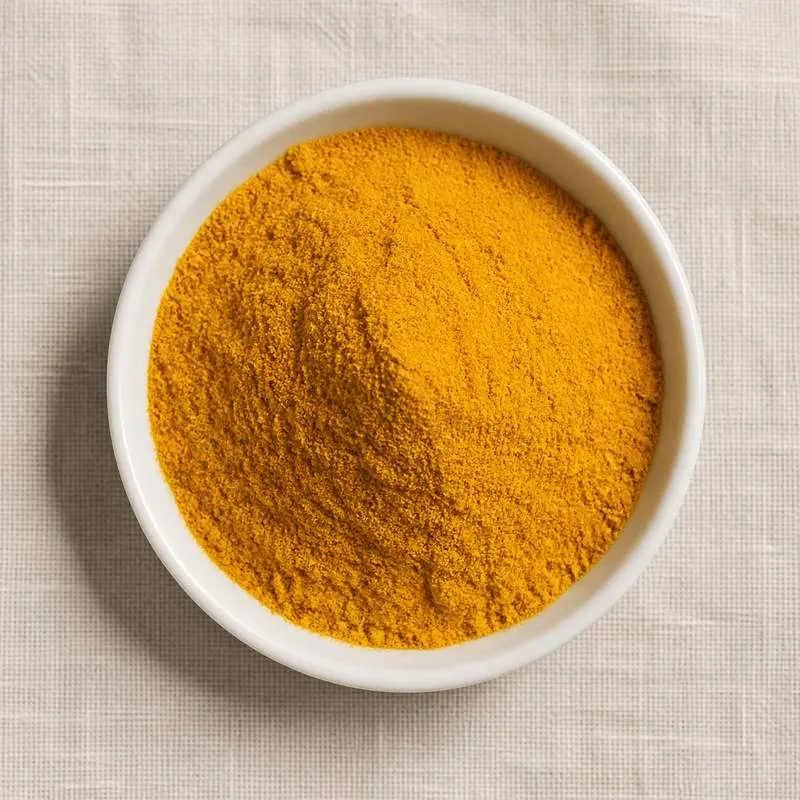
Traded forms are dried whole and sliced root, milled root powder, and standardised extract, a light brown to brown hygroscopic powder that disperses in water and dilute ethanol. The ginsenosides tolerate spray drying but hydrolyse under prolonged heating in acid, so extract is added late in acidic beverage processing.
We source bulk American Ginseng from top China manufacturers for our partners. The manufacturer is in Shandong. A smaller requirement can ship in a combined container with other ingredients.
Please send the grade you need, the volume and your destination port, and we will come back with a solution and a price.
or call +86-21-6858 0751
- Function
- Plant extract
Specifications
| Item | Specification |
|---|---|
| Appearance | Light brown to brown fine powder with characteristic slightly bitter taste |
| Botanical source | Root of Panax quinquefolius |
| Total ginsenosides (HPLC) | 10.0 percent minimum |
| Ginsenoside Rb1 | 3.0 percent minimum |
| Ginsenoside Rf | Not detected, confirming species identity |
| Identification | HPLC and HPTLC profile conform to Panax quinquefolius reference |
| Loss on drying | 5.0 percent maximum |
| Total ash | 7.0 percent maximum |
| Residual solvents (ethanol) | 5000 mg/kg maximum |
| Lead | 2.0 mg/kg maximum |
| Arsenic | 1.0 mg/kg maximum |
| Cadmium | 1.0 mg/kg maximum |
| Total plate count | 10000 cfu/g maximum |
| Salmonella | Absent in 25 g |
Common Markets Grades
Root is graded by cultivation type first, with wild and wild-simulated root commanding many times the price of field-cultivated material, and then by age, shape, colour and density, the gnarled and well-marked roots being valued in the whole root trade. Field-cultivated root is normally three to four years old at harvest.
Extracts are graded on total ginsenosides by HPLC, commonly 5, 10, 20 or 30 percent, and buyers should require an HPLC figure rather than a colourimetric saponin result, which reads higher. A profile showing Rb1 dominant and Rf absent is the identity check that confirms the species and separates it from Asian ginseng, which is a documented substitution given the price difference. Polysaccharide-standardised grades are traded separately for immune positioning. Milled root powder, ratio extracts and liquid fluid extracts are all sold, and organic certified lots are available from North American growers.
Applications
- Energy and vitality supplements in capsule, tablet and softgel form
- Immune support formulations, a well-established positioning for the polysaccharide-rich grades
- Cognitive and stress support blends
- Herbal tea, granule and instant beverage preparations
- Functional shots and tonic drinks in East Asian markets
- Traditional decoctions and compounded herbal preparations, where the cooling character is specified
- Confectionery including ginseng candies and lozenges
- Blood sugar and metabolic support supplement blends
- Skin care and cosmetic formulations positioned on ginsenoside content
Brands Using American Ginseng
Widely-distributed consumer products that list American Ginseng on the ingredient label.
- Nature's AnswerAmerican Ginseng Extract Alcohol Free ↗A liquid herbal extract supplying 1150 mg of Panax quinquefolius per serving, standardised to 75 mg of total ginsenosides.Label verified 2026-08-31
- SolarayAmerican Ginseng Root 480 mg ↗A capsule whose ingredient panel lists American ginseng root at 480 mg per serving.Label verified 2026-08-31
Brand names, product names and logos are the property of their owners. They appear here as published evidence that the ingredient is used, taken from the brand's own label or website. Their appearance is not an endorsement, and it does not mean the brand buys from us or from any manufacturer listed on this site.
China Manufacturers of American Ginseng
Top American Ginseng manufacturers in China.
Company names and logos are the property of the manufacturers themselves. They are listed here because our own directory records them as producing this ingredient. A listing is not an endorsement by them, and we do not represent them or speak on their behalf.
Regulatory Status
In the United States American ginseng root is used as a dietary ingredient in supplements and extracts are used in beverages and foods, with Panax quinquefolius also appearing among the natural flavouring substances. A product labelled ginseng must be from a Panax species, which American ginseng is, and the species should be identified because the two Panax species are not interchangeable. The additional regulatory feature specific to this plant is conservation: Panax quinquefolius is listed in Appendix II of the Convention on International Trade in Endangered Species, so export of root requires CITES documentation, and this applies to wild and cultivated material alike under the relevant permitting arrangements.
In the European Union American ginseng is used in food supplements under national rules for botanical preparations, and Panax species preparations are also handled within the herbal medicinal product framework in some member states. There is no E number and no authorised health claim. CITES documentation is required for import of the root. Codex has not adopted a specification for ginseng extract; the general Codex provisions on contaminants, pesticide residues and hygiene for dried plant material apply, and pesticide residues on cultivated root are the practical compliance issue.
Manufacturing Process
Roots are harvested in autumn after three or four years under shade cloth or forest canopy, washed carefully to preserve the surface markings that determine grade, and dried slowly in warm air over several days, a slow cycle being necessary because fast drying case-hardens the root and traps moisture inside. Dried root is graded, and material destined for extraction is inspected for identity, cut and milled to a coarse grade.
Extraction is with water or aqueous ethanol, typically 50 to 70 percent, in a multi-stage countercurrent system at moderate temperature, with two or three passes combined. The extract is filtered and the alcohol recovered under vacuum, then the aqueous concentrate is held cold so that starch, resins and waxes separate and can be removed, since American ginseng root carries a high starch load that would otherwise persist into the finished powder. For standardised grades the clarified liquor is loaded onto macroporous adsorption resin, which binds the ginsenosides while sugars and salts wash through, and graded alcohol elution recovers a saponin-rich fraction. The concentrate is assayed by HPLC, standardised, spray dried at a controlled outlet temperature, sieved and packed. Polysaccharide grades take a separate hot water route with ethanol precipitation of the polysaccharide fraction.