Ginseng Extract
Ginseng extract is prepared from the root of Panax ginseng, Asian or Korean ginseng, and is defined and priced by its ginsenoside content. Ginsenosides are dammarane-type triterpene saponins, of which more than forty are characterised, and they divide into the protopanaxadiol group led by Rb1, Rb2, Rc and Rd, and the protopanaxatriol group led by Rg1, Re and Rf. The ratio between these groups is one of the ways adulteration and species substitution are detected.
Processing changes the profile as much as growing does. White ginseng is simply peeled and air dried, while red ginseng is steamed before drying, a treatment that partly hydrolyses the sugar chains of the native ginsenosides and generates the less polar rare ginsenosides Rg3, Rg5, Rk1 and compound K, which are absent or minor in white material. An extract must therefore state whether it is white or red, because the two have different chromatograms.
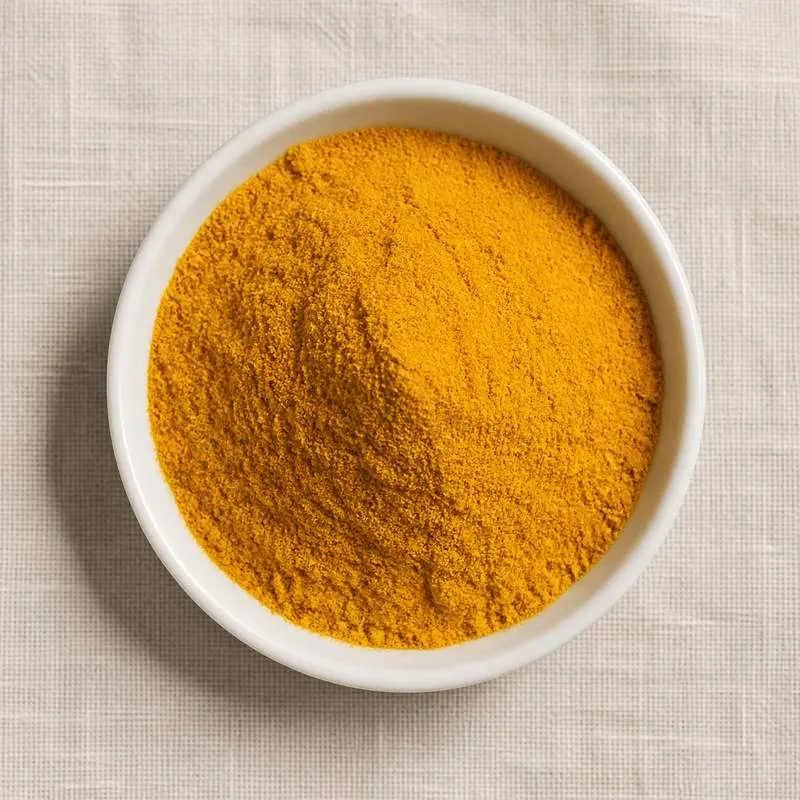
The commercial powder is light brown to dark brown, hygroscopic and bitter, and it dissolves or disperses in water and in dilute ethanol. Ginsenosides are stable to dry heat but hydrolyse under prolonged heating in acid, so the extract is added to acidic beverages late in the process.
We source bulk Ginseng Extract from top China manufacturers for our partners. The manufacturers are in Heilongjiang and Zhejiang. A smaller requirement can ship in a combined container with other ingredients.
Please send the grade you need, the volume and your destination port, and we will come back with a solution and a price.
or call +86-21-6858 0751
- Function
- Plant extract
Specifications
| Item | Specification |
|---|---|
| Appearance | Light brown to dark brown fine powder with characteristic bitter taste |
| Botanical source | Root of Panax ginseng, red or white as declared |
| Total ginsenosides (HPLC) | 20.0 percent minimum |
| Ginsenoside Rg1 plus Rb1 | 5.0 percent minimum |
| Identification | HPLC and HPTLC profile conform to Panax ginseng reference |
| Loss on drying | 5.0 percent maximum |
| Total ash | 6.0 percent maximum |
| Residual solvents (ethanol) | 5000 mg/kg maximum |
| Lead | 2.0 mg/kg maximum |
| Arsenic | 1.0 mg/kg maximum |
| Cadmium | 1.0 mg/kg maximum |
| Total plate count | 10000 cfu/g maximum |
| Escherichia coli | Absent in 1 g |
| Salmonella | Absent in 25 g |
Common Markets Grades
Grades are set by total ginsenoside content by HPLC, commonly 5, 10, 20, 40 or 80 percent, with the higher figures reached by resin purification rather than by concentration alone. Buyers should check the method, because ultraviolet colourimetric assays read other saponins and give figures well above HPLC values for the same material. Red ginseng extracts are additionally specified on Rg3 and other rare ginsenosides, and enzymatically converted extracts standardised on compound K are traded as a distinct article.
Physical forms run from thick paste extract at 60 to 70 percent solids, the traditional Korean article, through spray-dried powder on maltodextrin or dextrin carrier, to instant granules. Root age is quoted for higher-priced material, four and six year root being the usual distinctions. The trade also sells extracts of Panax quinquefolius and Panax notoginseng under the general heading of ginseng, and since these differ in ginsenoside profile the species should be specified. Adulteration with cheaper Panax species and with added saponins is documented, so an identity chromatogram is worth requiring alongside the assay.
Applications
- Energy and vitality supplements in capsule, tablet and softgel form
- Ginseng tonic drinks and functional shots, a large category in East Asian markets
- Instant ginseng tea granules and sachets
- Energy drinks, where a low dose of standardised extract supports the positioning
- Herbal tonic pastes and honeyed preparations using the concentrated paste grade
- Cognitive and stress support blends alongside eleuthero, rhodiola and schisandra
- Confectionery including ginseng candies and jellies
- Skin care and cosmetic formulations positioned on ginsenoside content
- Traditional decoctions and compounded herbal preparations
Brands Using Ginseng Extract
Widely-distributed consumer products that list Ginseng Extract on the ingredient label.
- Nature's AnswerWhite Ginseng Extract Alcohol Free Liquid ↗An alcohol-free 1:1 herbal extract delivering 1,000 mg of white ginseng per serving.Label verified 2026-08-31
- Nature's AnswerAmerican Ginseng Extract Low Alcohol Liquid ↗A traditional 1:1 extract crafted with low organic alcohol supplying 2,000 mg of American ginseng per serving.Label verified 2026-08-31
Brand names, product names and logos are the property of their owners. They appear here as published evidence that the ingredient is used, taken from the brand's own label or website. Their appearance is not an endorsement, and it does not mean the brand buys from us or from any manufacturer listed on this site.
China Manufacturers of Ginseng Extract
Top Ginseng Extract manufacturers in China.
 Heilongjiang Fanglin Pharmaceutical Co., Ltd.6 ingredients in the directory
 Zhejiang Skyherb Biotechnology Inc.4 ingredients in the directory
Company names and logos are the property of the manufacturers themselves. They are listed here because our own directory records them as producing this ingredient. A listing is not an endorsement by them, and we do not represent them or speak on their behalf.
Regulatory Status
In the United States ginseng root is used as a dietary ingredient in supplements and ginseng extracts are used in beverages and foods. There is no general food additive regulation for ginseng, and material in conventional foods relies on GRAS conclusions for the defined use, with Panax ginseng also appearing among the natural flavouring substances. A labelling point specific to this ingredient is that a product declared as ginseng should be from a Panax species, so eleuthero must not be labelled Siberian ginseng. Claims are structure and function claims with the standard disclaimer.
In the European Union Panax ginseng root has a monograph within the traditional herbal medicinal product framework, and in several member states that is the established route for concentrated preparations, while lower-strength material is sold in food supplements under national botanical rules. There is no E number. Health claims relating to ginseng and mental or physical performance are not authorised under the claims framework. Codex has not adopted a specification for ginseng extract; the general Codex provisions on contaminants, pesticide residues and hygiene for dried plant materials apply, and pesticide residues on cultivated root are the practical compliance issue.
Manufacturing Process
Harvested four to six year roots are washed, sorted and graded. White ginseng is peeled and dried in warm air; red ginseng is steamed with saturated steam for two to three hours and then dried, and this step is what converts the native ginsenosides into the less polar rare forms that characterise red material. Dried root is inspected for identity, cut and milled to a coarse grade suited to solvent penetration.
Extraction is carried out with hot water or aqueous ethanol, typically 50 to 70 percent, in a multi-stage countercurrent system, usually with two or three passes whose miscellas are combined. The extract is filtered, alcohol is recovered under vacuum, and the aqueous concentrate is clarified by cold settling to drop out starch, resins and waxes. Where a high assay is required the clarified liquor is loaded onto macroporous adsorption resin, which binds the saponins while sugars, amino acids and salts wash through, and graded alcohol elution recovers a ginsenoside-rich fraction. Enzymatic conversion with a glycosidase is applied at this point where compound K or Rg3 enriched grades are being made. The purified concentrate is standardised against an HPLC assay, evaporated to paste under vacuum, and either filled as paste or spray dried onto a carrier, sieved and packed.