Ammonium Chloride
Ammonium chloride is the ammonium salt of hydrochloric acid, formula NH4Cl, historically called sal ammoniac. In food it serves three quite separate purposes: as a yeast nutrient supplying assimilable nitrogen, as a dough conditioner and acidity regulator in baking, and as the salty, faintly bitter flavour that defines salmiak liquorice in Northern Europe.
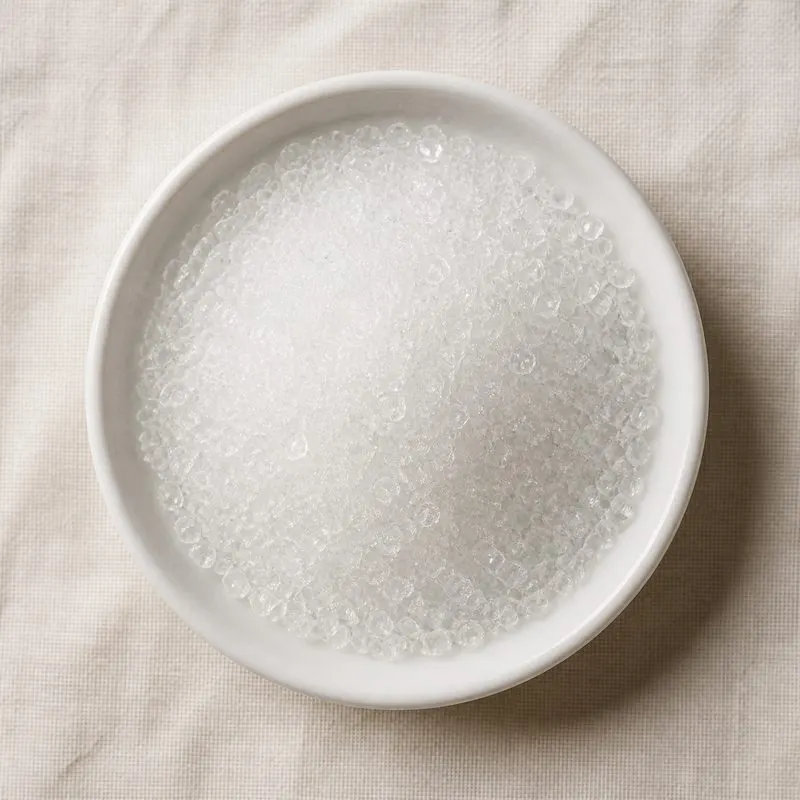
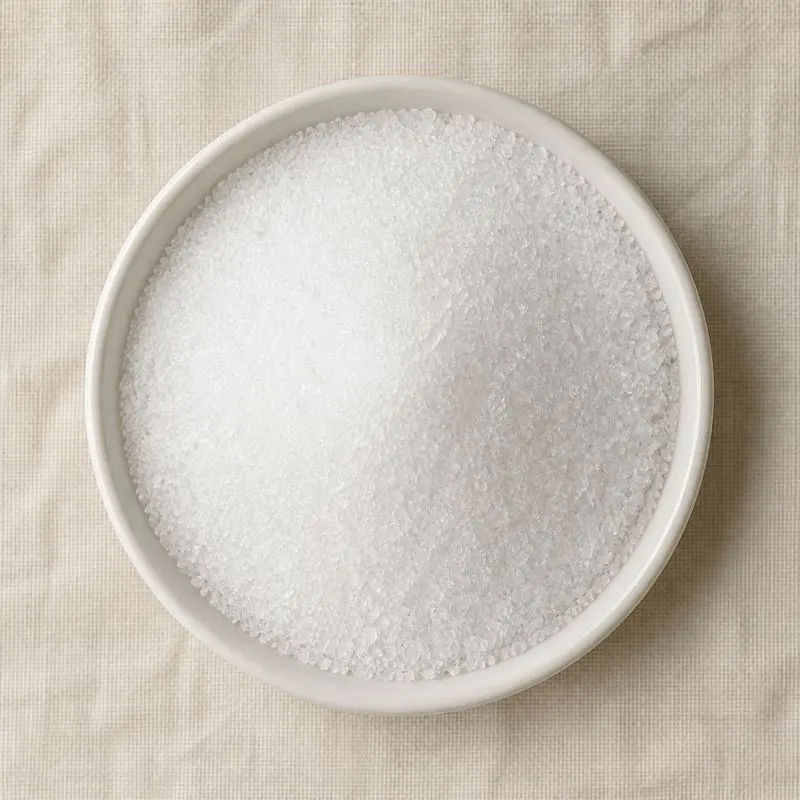
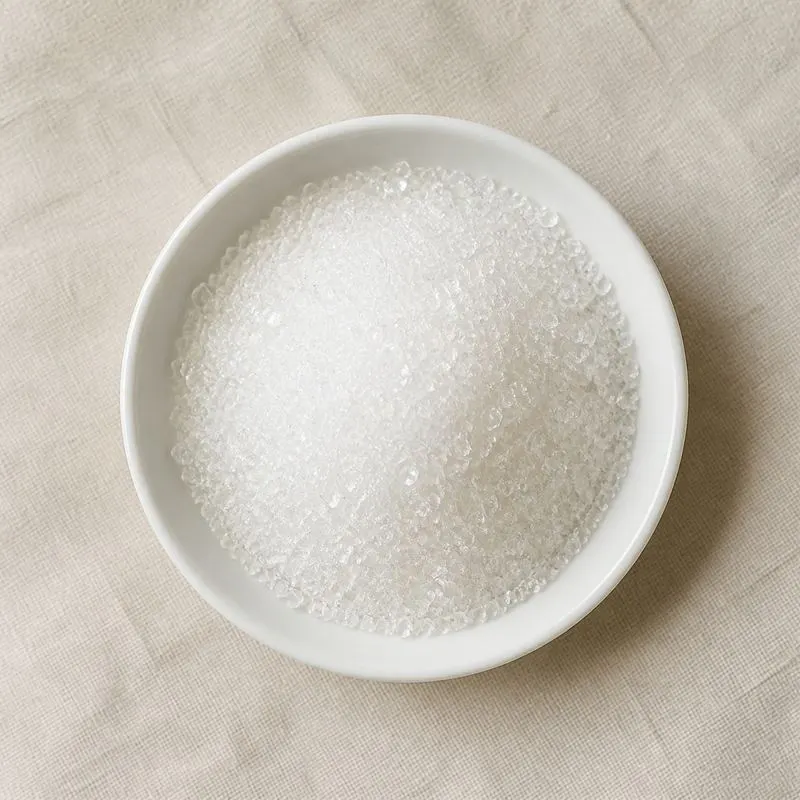
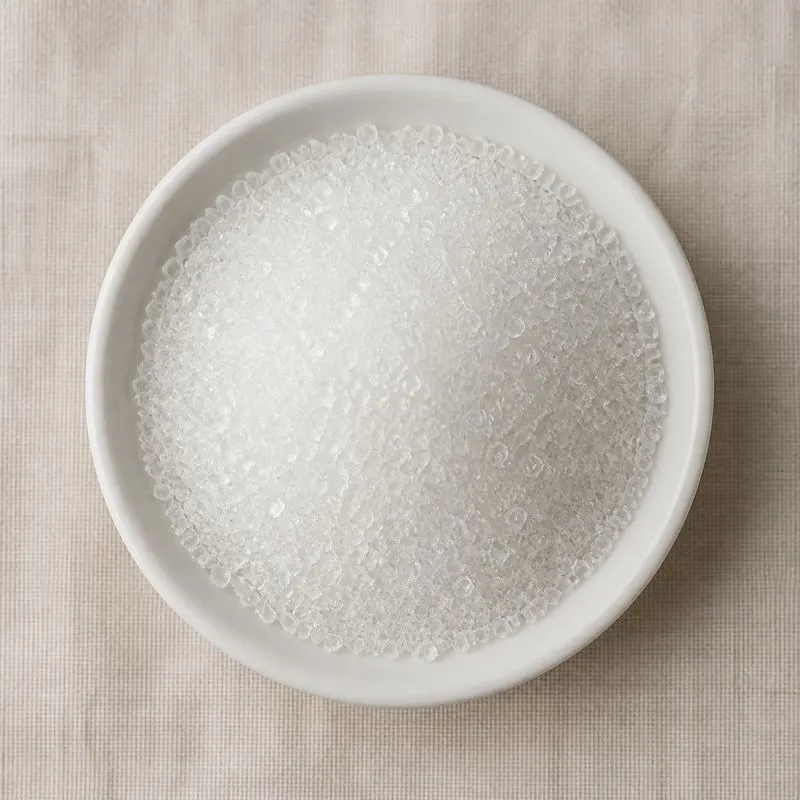
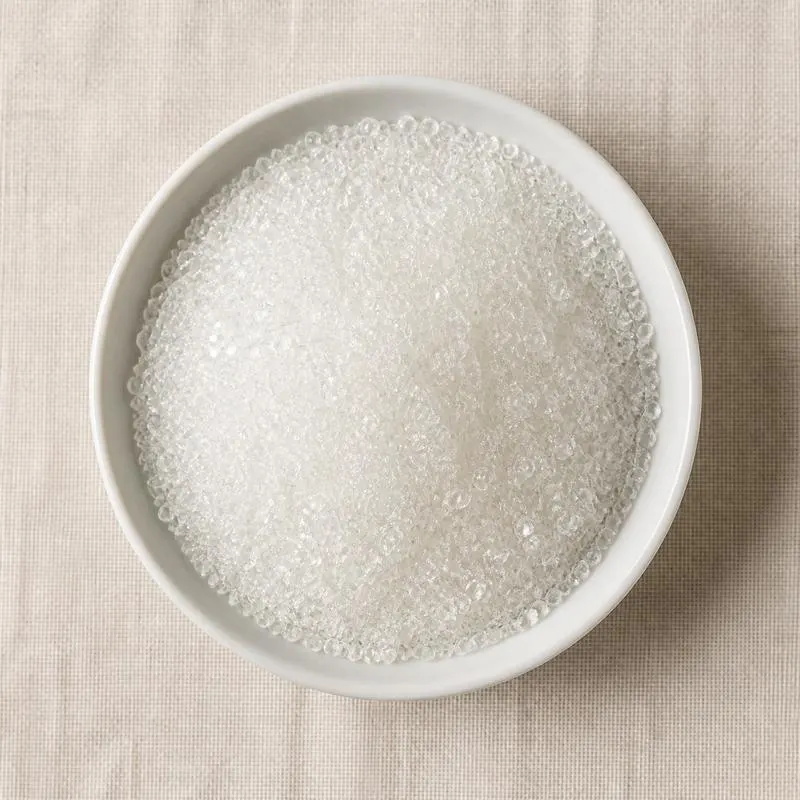
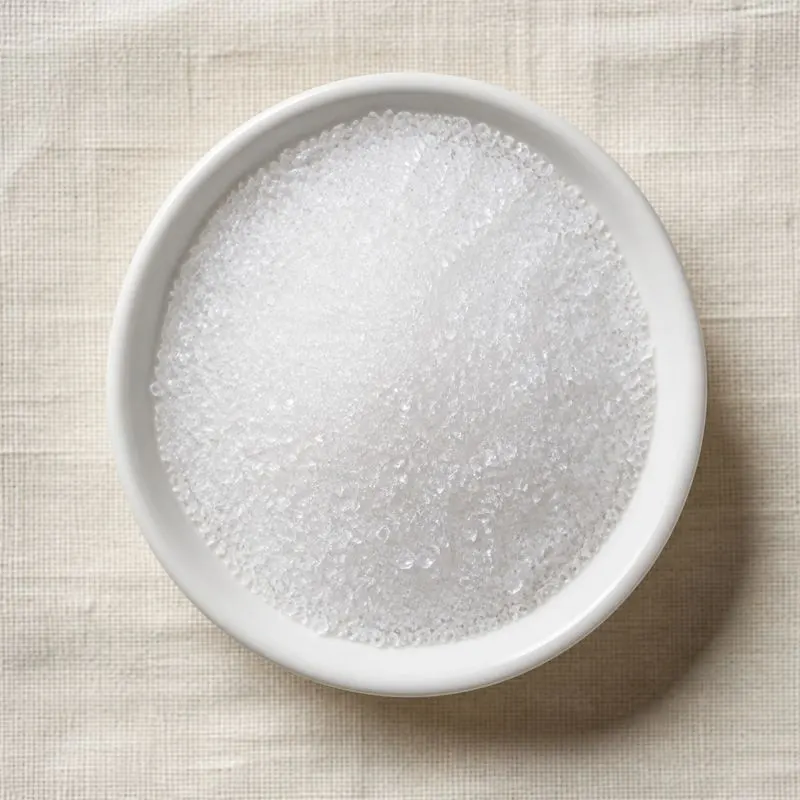
The commercial material is a white crystalline powder or granule, odourless in the dry state, with a sharp saline taste that turns cooling and slightly metallic at higher concentrations. It is freely soluble in water, roughly 37 g per 100 mL at 20 degrees Celsius, and dissolution is strongly endothermic, so solutions cool noticeably as the salt goes in. That endothermic behaviour is what gives salmiak confectionery its distinctive cooling mouthfeel.
Solutions are mildly acidic, generally pH 4.6 to 6.0, because the ammonium ion hydrolyses. The solid is hygroscopic and cakes in humid storage, and it sublimes rather than melting when heated strongly, breaking down into ammonia and hydrogen chloride which recombine on cooling. It is corrosive to copper and to some stainless grades in solution, which decides equipment selection.
We source bulk Ammonium Chloride from top China manufacturers for our partners. The manufacturer is in Shandong. A smaller requirement can ship in a combined container with other ingredients.
Please send the grade you need, the volume and your destination port, and we will come back with a solution and a price.
or call +86-21-6858 0751
- Function
- Acidulant
Specifications
| Item | Specification |
|---|---|
| Appearance | White crystalline powder or granule |
| Odour and Taste | Odourless, saline and cooling |
| Assay, dried basis | Not less than 99.5 percent |
| Identification | Positive for ammonium and for chloride |
| pH, 5 percent solution | 4.6 to 6.0 |
| Loss on Drying, 105 degrees Celsius | Not more than 0.5 percent |
| Residue on Ignition | Not more than 0.1 percent |
| Water Insoluble Matter | Not more than 0.02 percent |
| Sulphate | Not more than 0.02 percent |
| Thiocyanate | Passes test |
| Iron | Not more than 10 mg per kg |
| Lead | Not more than 2 mg per kg |
| Arsenic | Not more than 3 mg per kg |
| Heavy Metals as Pb | Not more than 10 mg per kg |
Common Markets Grades
Food grade ammonium chloride at 99.5 percent minimum assay is the standard article and covers bakery, brewing and confectionery use. Feed grade of similar assay but looser trace limits is sold in far larger tonnage as a urinary acidifier for ruminants and is not interchangeable with the food article. Pharmaceutical grade to United States Pharmacopeia and European Pharmacopoeia monographs is produced for expectorants and acidifying preparations, and a technical grade goes to dry cell batteries, soldering fluxes and galvanising.
Within food grade the practical variable is particle size and caking behaviour. Fine powder is used where fast dissolution into brine or dough water is needed, and granular material of roughly 20 to 60 mesh is preferred for dry blending and mechanical dosing because it dusts less and picks up less moisture. Anticaking treated grades are offered for humid climates, and a coarse crystalline grade is sold to confectioners who want visible crystals in the finished sweet.
Applications
- Salmiak and salty liquorice confectionery, as the characteristic flavour giving the saline, cooling, slightly bitter note
- Baker's yeast propagation and industrial fermentation media, as a readily assimilable nitrogen source
- Bread and bun doughs, as a yeast food and dough conditioner that speeds proof and improves gas production
- Brewing, as a yeast nutrient in worts made from adjunct heavy grists that are low in free amino nitrogen
- Acidity regulation in processed foods, where a mild acidifying salt is preferred to a free acid
- Ruminant feed, as a urinary acidifier used to prevent urinary calculi in feedlot cattle and sheep
- Expectorant and acidifying pharmaceutical preparations
- Dry cell batteries, as the electrolyte in Leclanche and zinc carbon cells
- Soldering and galvanising fluxes, where it strips oxide from the metal surface
Brands Using Ammonium Chloride
Widely-distributed consumer products that list Ammonium Chloride on the ingredient label.
Brand names, product names and logos are the property of their owners. They appear here as published evidence that the ingredient is used, taken from the brand's own label or website. Their appearance is not an endorsement, and it does not mean the brand buys from us or from any manufacturer listed on this site.
China Manufacturers of Ammonium Chloride
Top Ammonium Chloride manufacturers in China.

Company names and logos are the property of the manufacturers themselves. They are listed here because our own directory records them as producing this ingredient. A listing is not an endorsement by them, and we do not represent them or speak on their behalf.
Regulatory Status
In the United States ammonium chloride is affirmed as generally recognised as safe under 21 CFR 184.1138, with functions listed as dough strengthener, flavour enhancer, leavening agent, processing aid and yeast nutrient, at levels consistent with good manufacturing practice. It also carries a United States Pharmacopeia monograph, and its use in animal feed is covered separately under the feed additive framework.
In the European Union Regulation (EC) No 1333/2008 authorises it as food additive E 510, with identity and purity criteria in Regulation (EU) No 231/2012, where it functions as an acidity regulator, flavour enhancer and flour treatment agent. Salmiak confectionery containing ammonium chloride above a defined threshold must carry a declaration to that effect on the label. JECFA has evaluated ammonium chloride and concluded that no numerical limit is required, and it is listed in the Codex General Standard for Food Additives as a flour treatment agent and acidity regulator.
Manufacturing Process
Most ammonium chloride reaches the market as a co-product of the Solvay ammonia soda process, in which sodium chloride brine is saturated with ammonia and carbonated to precipitate sodium bicarbonate, leaving ammonium chloride in the mother liquor. In the modified or dual process operated widely in China, that liquor is deliberately cooled and salted out to crystallise ammonium chloride as a saleable product rather than being decomposed to recover the ammonia. The crystals are centrifuged, washed and dried, and this route accounts for the bulk of feed and technical grade tonnage.
Food and pharmaceutical grades are more often made by direct neutralisation, reacting synthetic hydrochloric acid with ammonia gas or ammonium hydroxide in a cooled stirred reactor, since the reaction is strongly exothermic. The end point is held slightly on the ammonia side so no free acid remains. The liquor is filtered clear, decolourised over activated carbon where necessary, then concentrated under vacuum and crystallised by controlled cooling. The slurry is centrifuged, the cake washed with clean condensate to strip residual chloride liquor, and dried in a fluid bed at moderate temperature, well below the sublimation range. Dry crystal is screened to grade, oversize is milled and recycled, and the product is packed into moisture barrier bags immediately.